
“`html
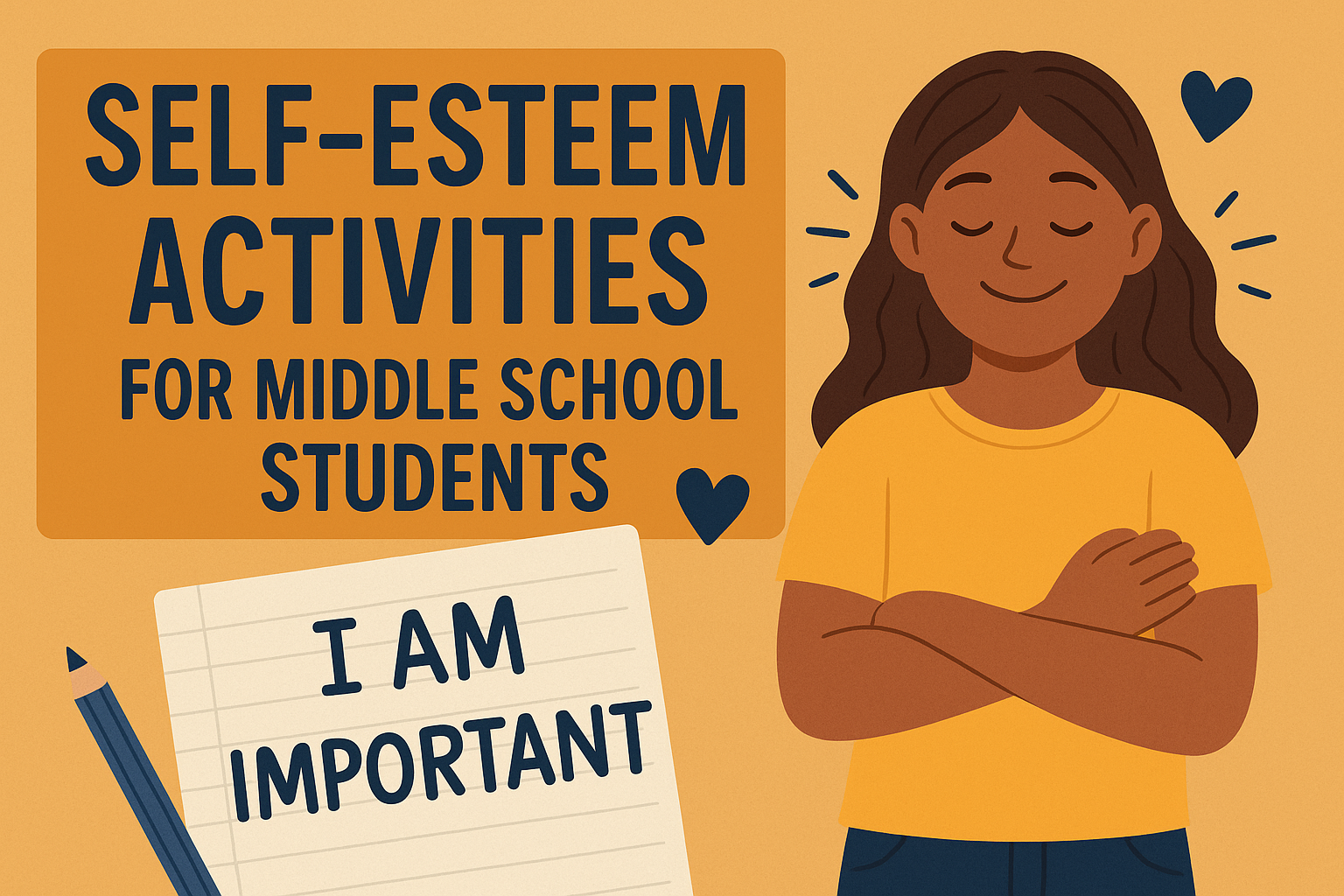
The middle school years are a pivotal time in a young person’s life. It’s a stage where self-identity begins to take shape, and issues surrounding self-esteem start to peak. With academic pressures, social dynamics, and the quest for individuality, middle schoolers are often caught in a whirlwind of emotions. That’s why incorporating self-esteem activities for middle school students is essential to help them develop a strong sense of self-worth. This article explores various engaging activities designed to bolster self-esteem and create a supportive environment for young adolescents.
Understanding Self-Esteem in Middle School Students
Self-esteem refers to an individual’s perception of their own worth or value. During the middle school years, students undergo significant physical, emotional, and social changes. This turbulent period can lead to increased self-consciousness and doubt, making it vital to introduce activities that reinforce positive self-regard.
Research shows that students with higher self-esteem are more likely to perform well academically, establish healthier relationships, and pursue goals with vigor. Conversely, low self-esteem can contribute to anxiety, depression, and social withdrawal. Therefore, self-esteem activities for middle school students not only support their mental well-being but also enhance their overall development.
Fun and Engaging Self-Esteem Activities
Creating an environment where middle schoolers feel valued and appreciated is essential. Below are some effective activities that can be easily integrated into classrooms or youth programs to foster confidence and self-acceptance:
1. Affirmation Stations
Setting up an affirmation station in the classroom can be a powerful way to encourage positivity. This activity involves creating a designated area where students can write and post affirmations about themselves and their peers. Students can start with prompts like:
- “I am proud of myself for…”
- “I am good at…”
- “I appreciate my friends because…”
Encourage each student to contribute at least one affirmation each week. Not only does this activity allow students to recognize their strengths, but it also promotes a culture of kindness and support.
2. Strengths Discovery Workshop
Helping students identify their strengths can significantly enhance their self-esteem. Organizing a workshop focused on strengths discovery is a great way to do this. Begin with a discussion on what strengths are and how they can be utilized in everyday life. Then, use tools such as the VIA Character Strengths Survey to help students pinpoint their individual strengths.
Afterward, have each student create a “strengths poster” that showcases their top strengths through images, words, or drawings. Display these posters around the classroom to celebrate each student’s unique attributes.
3. Goal-Setting Sessions
Setting achievable goals is crucial for building self-esteem. Facilitate a goal-setting session where students can identify short-term and long-term goals related to academics, hobbies, or personal development. Provide students with worksheets where they can outline their goals using the SMART criteria (Specific, Measurable, Achievable, Relevant, Time-bound). (See: Mental health resources for youth.)
Encourage students to share their goals with a trusted peer or mentor to add accountability and support. Revisit these goals periodically to celebrate progress and make adjustments as needed. This practice not only instills a sense of accomplishment but also fosters resilience.
4. Gratitude Journals
Gratitude practices are linked to enhanced well-being and self-worth. Implement a gratitude journal activity where students write down three things they are grateful for every day. This simple exercise shifts focus from negative thoughts and self-doubt to positive aspects of their lives.
Consider weekly reflections where students can share their favorite entries with the class (if they feel comfortable). This not only reinforces positivity but also encourages students to appreciate their surroundings and relationships.
Incorporating Team-Building Activities
Team-building activities can enhance social skills and foster a sense of belonging, both of which are vital for self-esteem. When students feel they belong to a group, their confidence often increases. Here are a few examples:
5. Trust Building Exercises
Trust-building exercises help forge connections among students. One popular activity is the “Trust Fall.” In this exercise, students take turns falling backward into the arms of their peers, which encourages trust and vulnerability. Ensure you emphasize the importance of catching each other to build reliability within the group.
Another variation is the “Blindfolded Obstacle Course,” where one student is blindfolded while others guide them through an obstacle course. This activity relies heavily on communication, teamwork, and mutual support, which can strengthen friendships and self-esteem.
6. Collaborative Art Projects
Art can be a therapeutic outlet that fosters creativity and collaboration. Organize a collaborative art project where students work together to create a mural or a large collage. This project promotes teamwork and allows students to express themselves creatively.
Throughout the process, encourage discussions about the themes they want to represent—such as friendship, community, or individuality. Once completed, display the artwork prominently in the school to celebrate their collective efforts and achievements.
Empowering Through Reflection and Feedback
Reflection and constructive feedback play a significant role in building self-esteem. Activities that encourage students to reflect on their experiences can enhance their self-awareness and self-acceptance.
7. Peer Feedback Circles
Establishing peer feedback circles allows students to share their thoughts on each other’s strengths and positive qualities. In a safe and structured environment, students can provide constructive feedback and recognize each other’s contributions. This not only helps students learn to give and receive feedback but also reinforces their understanding of their own strengths. (See: National Institute of Child Health on self-esteem.)
Consider setting ground rules for respectful communication and ensure that each student has the opportunity to speak. This safe space for sharing can foster a supportive and nurturing classroom environment.
Integration of Technology in Self-Esteem Activities
As technology becomes increasingly integral in education, its integration into self-esteem activities can enhance engagement and accessibility. For instance, online platforms can be used to create digital affirmation boards where students can post messages of encouragement anonymously. This anonymity might encourage more candid and honest participation.
Utilizing apps designed for mental health, such as mood trackers or self-reflection tools, can also serve as a resource for students to monitor their feelings and self-esteem. Educational games that promote teamwork and problem-solving can further develop social skills while boosting confidence in a fun, low-pressure environment.
Case Studies and Statistics on Self-Esteem Activities
There’s compelling evidence supporting the effectiveness of self-esteem activities. A study conducted by the American Psychological Association found that students participating in self-esteem-building workshops reported a 30% increase in self-worth after engaging in structured activities over a semester.
Additionally, schools that implemented regular team-building exercises noted a 25% decrease in bullying incidents, indicating a positive shift in school culture and student relationships. These statistics underscore the importance of proactive measures and the significant role self-esteem activities can play in shaping a supportive educational environment.
Current Relevance and Ongoing Support
The relevance of self-esteem activities for middle school students cannot be overstated. With the rise of social media and increasing academic pressures, young people today face unique challenges that can impact their self-worth. Schools and parents need to remain vigilant and proactive in addressing these issues.
Ongoing support is crucial. Schools can implement regular self-esteem workshops, incorporate social-emotional learning into the curriculum, and promote a culture of kindness and acceptance. Parents should also engage in conversations with their children about self-worth and encourage participation in self-esteem-building activities outside of school.
Frequently Asked Questions
1. Why is self-esteem important for middle school students?
Self-esteem is crucial during middle school because it directly impacts students’ academic performance, social interactions, and emotional health. A strong sense of self-worth encourages students to take risks, participate in classroom activities, and form healthy relationships with peers.
2. How can parents support their child’s self-esteem at home?
Parents can support self-esteem by providing positive reinforcement, encouraging open communication, and being involved in their child’s interests. Engaging in activities together, such as sports or creative projects, can also help reinforce their child’s self-worth.
3. Are self-esteem activities effective for all students?
Yes, self-esteem activities can be beneficial for all students, regardless of their initial self-esteem levels. These activities promote self-reflection, awareness, and social interaction, which can lead to improved self-esteem across diverse student populations.
4. How often should self-esteem activities be conducted?
Self-esteem activities should be integrated regularly throughout the school year. Routine practices, such as weekly affirmations or monthly workshops, can help maintain a supportive atmosphere and reinforce the lessons learned.
5. What role does social media play in young people’s self-esteem?
Social media can significantly impact self-esteem, both positively and negatively. While it can provide a platform for self-expression and connection, it can also lead to comparison, cyberbullying, and unrealistic standards of beauty and success. Encouraging healthy social media habits, such as curating one’s feed and taking breaks, is essential for maintaining a positive self-image.
6. Can self-esteem activities reduce bullying in schools?
Yes, self-esteem activities can contribute to a decrease in bullying. By fostering a culture of respect and empathy through team-building and collaborative activities, students are more likely to develop strong relationships and support one another, creating a more inclusive environment that discourages bullying.
7. How can schools measure the effectiveness of self-esteem activities?
Schools can assess the impact of self-esteem activities through surveys, focus groups, and monitoring changes in student behavior and interactions. Tracking academic performance and student feedback can also provide insights into the effectiveness of the activities implemented.
Conclusion: Building a Foundation of Confidence
Investing time and resources into self-esteem activities for middle school students can yield incredible benefits. As educators and parents, it’s our responsibility to create environments where young people feel valued and understood. By employing activities that encourage self-reflection, celebrate strengths, and foster connections, we cultivate a generation of confident individuals ready to take on the world. Ultimately, building a foundation of self-esteem in these formative years will empower our youth to navigate challenges with resilience and grace.
“`
Trending Now
- Unlock Your Potential: Senior AI Engineer…
- our breakdown of conservation vs. irreversibility: understanding piaget’s concepts
- our breakdown of how to use bloom’s taxonomy for differentiated instruction
- Irreversibility vs. Conservation: Key Differences in Child Development
- Formative Assessment Techniques for High School Math Classes
Frequently Asked Questions
What are some self-esteem activities for middle school students?
Some effective self-esteem activities include Affirmation Stations, where students write positive affirmations about themselves and peers, group discussions about personal strengths, creative expression through art or writing, team-building exercises, and role-playing scenarios to enhance social skills and confidence.
Why is self-esteem important for middle school students?
Self-esteem is crucial during middle school as it influences students' academic performance, social interactions, and emotional well-being. Higher self-esteem leads to healthier relationships and greater motivation, while low self-esteem can result in anxiety, depression, and social withdrawal.
How can teachers help boost self-esteem in students?
Teachers can boost self-esteem by creating a supportive classroom environment, implementing engaging self-esteem activities, providing positive feedback, encouraging peer support, and fostering open communication where students feel safe to express themselves.
What are some signs of low self-esteem in middle schoolers?
Signs of low self-esteem in middle school students may include frequent negative self-talk, withdrawal from social situations, reluctance to try new activities, difficulty accepting compliments, and a tendency to compare themselves unfavorably to peers.
How can parents support their child's self-esteem?
Parents can support their child's self-esteem by encouraging open communication, providing positive reinforcement, helping them set achievable goals, promoting their interests, and modeling healthy self-acceptance and self-talk.
What’s your take on this? Share your thoughts in the comments below — we read every one.