

“`html
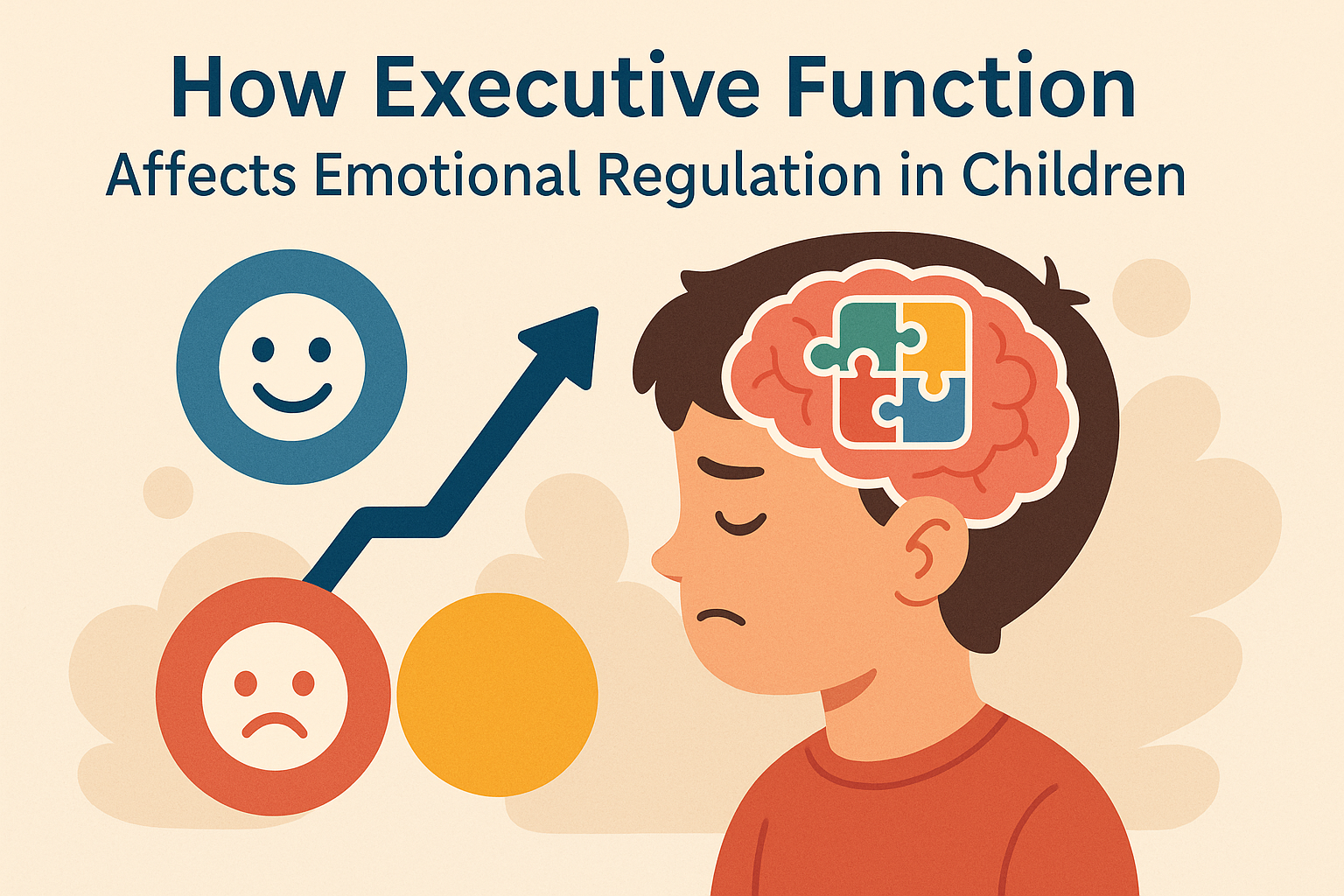
Understanding how executive function impacts emotional regulation in children is vital for parents, educators, and mental health professionals. As children grow and develop, the ability to manage their emotions becomes crucial for their overall well-being and success. Executive function encompasses a set of cognitive processes that allow individuals to plan, focus attention, remember instructions, and juggle multiple tasks. When these functions are impaired, it can lead to challenges in emotional regulation, which is the ability to monitor, evaluate, and modify emotional reactions. This article explores how executive function and emotional regulation are intertwined in children, offering insights, strategies, and the current relevance of this topic.
The Basics of Executive Function
At its core, executive function refers to a collection of cognitive abilities that enable conscious control of thoughts, emotions, and actions. These skills are essential in helping children achieve their goals and interact appropriately within various environments, such as school and home. Executive function is typically divided into three key components:
- Working Memory: The ability to hold and manipulate information in the mind over short periods. This skill helps children follow multi-step directions, remember rules, and keep track of ongoing tasks.
- Inhibitory Control: This involves the capacity to suppress impulsive responses and behaviors. Inhibitory control allows children to pause and think before acting, leading to better decision-making.
- Cognitive Flexibility: The ability to adjust one’s thinking and behavior in response to changing circumstances. This skill supports problem-solving and adapting to new situations.
The development of these functions begins in early childhood and continues into adolescence. Research has shown that executive function skills predict a range of academic and social outcomes, making them a critical focus in child development.
Emotional Regulation: What It Means for Children
Emotional regulation is the process through which individuals monitor, evaluate, and modify their emotional reactions. For children, this can manifest in various ways, including how they cope with frustration, express joy, or manage sadness. Effective emotional regulation is crucial for several reasons: (youth mental health trends)
- Social Interactions: Children who can regulate their emotions tend to have better relationships with peers and adults. They can respond more appropriately in social situations, facilitating positive interactions.
- Academic Performance: Emotional regulation plays a significant role in learning. Children who can manage their emotions better are more likely to focus in class, engage with material, and persist through challenges.
- Mental Health: Poor emotional regulation is often linked to various mental health issues, including anxiety and depression. Teaching children to regulate their emotional responses can serve as a protective factor against these conditions.
In essence, the ability to manage emotions is intertwined with a child’s overall development, impacting their social, academic, and personal trajectory.
The Link Between Executive Function and Emotional Regulation
So, how do executive function and emotional regulation intersect? Research suggests a strong connection between these two areas. Children with well-developed executive function skills are more adept at managing their emotions. Here’s how:
- Working Memory and Emotional Awareness: A child with strong working memory can recall past experiences related to emotional responses, allowing them to recognize patterns and anticipate how they might feel in similar situations. This awareness is key to regulating emotional responses effectively.
- Inhibitory Control and Impulse Control: Children with good inhibitory control can suppress impulsive emotional reactions, such as lashing out in anger or crying in frustration. This ability enables them to choose more constructive responses to emotional triggers.
- Cognitive Flexibility and Emotional Adaptability: Cognitive flexibility allows children to shift their thinking when faced with emotional challenges. For example, if a child feels disappointed after losing a game, cognitive flexibility can help them reframe the situation positively, reducing feelings of frustration.
In summary, executive function skills provide the cognitive framework that supports emotional regulation. By fostering these skills, caregivers and educators can help children learn to manage their emotions more effectively.
Practical Strategies for Enhancing Executive Function and Emotional Regulation
Supporting children in developing strong executive function skills can lead to improved emotional regulation. Here are some practical strategies that parents and educators can implement: (See: CDC on children's mental health.)
1. Create Structured Routines
Establishing clear routines helps children anticipate what comes next, reducing anxiety and emotional outbursts. A consistent daily schedule reinforces working memory and encourages children to plan their activities effectively.
2. Encourage Mindfulness Practices
Mindfulness exercises, such as deep breathing or guided imagery, can enhance emotional awareness and self-regulation. Teaching children to pause and reflect on their feelings can improve their inhibitory control and promote better decision-making in emotional situations.
3. Foster Problem-Solving Skills
Engage children in activities that require them to think critically and adapt. Whether it’s playing strategy games or solving puzzles, these activities enhance cognitive flexibility and promote emotional resilience. Encourage children to verbalize their thought process, helping them to develop self-reflection skills.
4. Model Emotional Regulation
Children learn by observing adults. Model effective emotional regulation during stressful situations, demonstrating how to manage emotions constructively. Discuss your feelings openly, and share how you cope with difficult emotions. This will help children understand that emotional regulation is a skill that can be developed.
5. Provide Supportive Feedback
Offer constructive feedback when children navigate their emotional responses. Praise their efforts to manage their feelings, regardless of the outcome. This encouragement reinforces the importance of emotional regulation and motivates them to continue developing these skills.
6. Use Educational Games
Incorporate games that target executive function skills. Games that involve working memory, such as matching games, and those that require turn-taking and patience can bolster emotional regulation. They provide children with a safe environment to practice managing their emotions while having fun.
Current Relevance and Implications for Future Research
The connection between executive function and emotional regulation is garnering increasing attention in both educational and clinical settings. With the rise of mental health concerns among children, understanding how these cognitive processes influence emotional well-being has never been more urgent. For instance, research indicates that children who struggle with executive function are at a higher risk for developing anxiety and depression, highlighting the need for early intervention.
Current programs targeting executive function development, such as the Chicago School Readiness Project and the Tools of the Mind curriculum, emphasize the role of executive function in emotional regulation. These initiatives focus on enhancing cognitive skills while teaching children to manage their emotions effectively. As awareness of this connection grows, educators and clinicians have the opportunity to implement evidence-based strategies that address both executive function and emotional regulation. (See: NIH on executive function.)
Real-Life Applications and Success Stories
In the real world, several schools and communities are taking innovative approaches to integrate executive function training into their curriculum, yielding impressive results in emotional regulation among children. For example, a school district in Minnesota implemented a program called Mind in the Making, which teaches parents and educators how to foster executive function skills through everyday interactions. Teachers reported that students who participated in these exercises experienced fewer behavioral issues and improved coping strategies. Such success stories highlight the practical applications of understanding executive function and emotional regulation.
Statistics on Executive Function and Emotional Regulation
Understanding the statistical landscape can shed light on the importance of focusing on executive function and emotional regulation. According to a study conducted by the National Institute of Health, approximately 30% of children with ADHD have significant difficulties with emotional regulation. A meta-analysis of over 100 studies found that effective emotional regulation is directly correlated with better academic performance, with students who demonstrate strong emotional control achieving up to 20% higher grades than their peers with poor emotional regulation.
Additionally, data from the Centers for Disease Control and Prevention indicates that children who lack strong executive function skills are three times more likely to experience behavioral problems in school. These statistics illustrate the critical need for early identification and intervention in developing these skills.
Expert Perspectives on the Importance of Executive Function
Experts in child psychology emphasize the necessity of nurturing executive function and emotional regulation as interconnected skills. Dr. Adele Diamond, a psychologist and leading researcher in this field, states, “Executive function is the foundation for all learning and social interaction. If we neglect these skills, we hinder a child’s ability to navigate their world successfully.” This perspective is echoed by educators who recognize that emotional regulation is not merely a personal skill but one that affects classroom dynamics and overall school culture.
Frequently Asked Questions
What are common signs that a child has difficulty with executive function?
Common signs include trouble following multi-step directions, frequent impulsivity, difficulty focusing on tasks, and challenges in switching from one task to another. These difficulties can manifest in academic settings and at home. See also new laws in AI therapy.
How can parents assess their child’s executive function skills?
Parents can observe their child’s behavior in daily activities. Look for how well they manage time, follow routines, and control impulses. Additionally, teachers can provide insights based on classroom behavior.
Are there specific age ranges when executive function is most critical to develop?
Executive function skills begin developing in early childhood, with significant growth occurring between ages 3 to 5. However, skills continue to mature into late adolescence, making it important to support development at all ages.
What role do schools play in enhancing executive function and emotional regulation?
Schools can implement programs focused on social-emotional learning (SEL) that teach children about emotions, coping strategies, and decision-making. Providing a supportive environment helps reinforce these skills in academic settings.
Can executive function skills be improved in children who already struggle?
Yes! Research shows that targeted interventions can enhance executive function skills even in children who face challenges. Programs that include cognitive training, physical activities, and social-emotional learning can lead to significant improvements over time.
How can parents encourage emotional regulation at home?
Parents can encourage emotional regulation by creating a safe space for children to express their feelings. Discuss emotions openly, validate their experiences, and practice coping strategies together, such as deep breathing or journaling.
Conclusion: Building a Foundation for Success
Understanding the intricate relationship between executive function and emotional regulation in children is crucial for fostering their development. By equipping children with strong executive function skills, we empower them to manage their emotions effectively, paving the way for improved social interactions, academic success, and overall mental health.
As parents, educators, and mental health professionals, it is essential to recognize that emotional regulation is not just an innate trait but a skill that can be nurtured. Providing children with the right tools, support, and environment can lead to lasting benefits that will follow them throughout their lives. Through a concerted effort to enhance executive function and emotional regulation, we can help children thrive in an increasingly complex world.
“`
Trending Now
Frequently Asked Questions
How does executive function affect emotional regulation in children?
Executive function impacts emotional regulation by enabling children to manage their thoughts, emotions, and behaviors. When children have strong executive function skills, such as working memory, inhibitory control, and cognitive flexibility, they can better monitor and adjust their emotional responses, leading to improved emotional regulation.
What are the key components of executive function?
The key components of executive function include working memory, which helps children hold and manipulate information; inhibitory control, which allows them to suppress impulsive actions; and cognitive flexibility, enabling them to adapt their thinking and behavior in response to changing circumstances.
Why is emotional regulation important for children?
Emotional regulation is crucial for children as it affects their overall well-being, academic success, and social interactions. By managing their emotions effectively, children can navigate challenges, build relationships, and achieve their goals more successfully.
At what age does executive function develop in children?
Executive function begins developing in early childhood and continues to mature through adolescence. The skills involved are essential for helping children achieve their objectives and interact appropriately in various environments, such as school and home.
How can parents support their child's executive function skills?
Parents can support their child's executive function skills by providing structured routines, encouraging problem-solving, and promoting activities that require memory and self-control. Engaging in games that involve planning and strategy can also enhance these cognitive abilities.
Have you experienced this yourself? We’d love to hear your story in the comments.



