
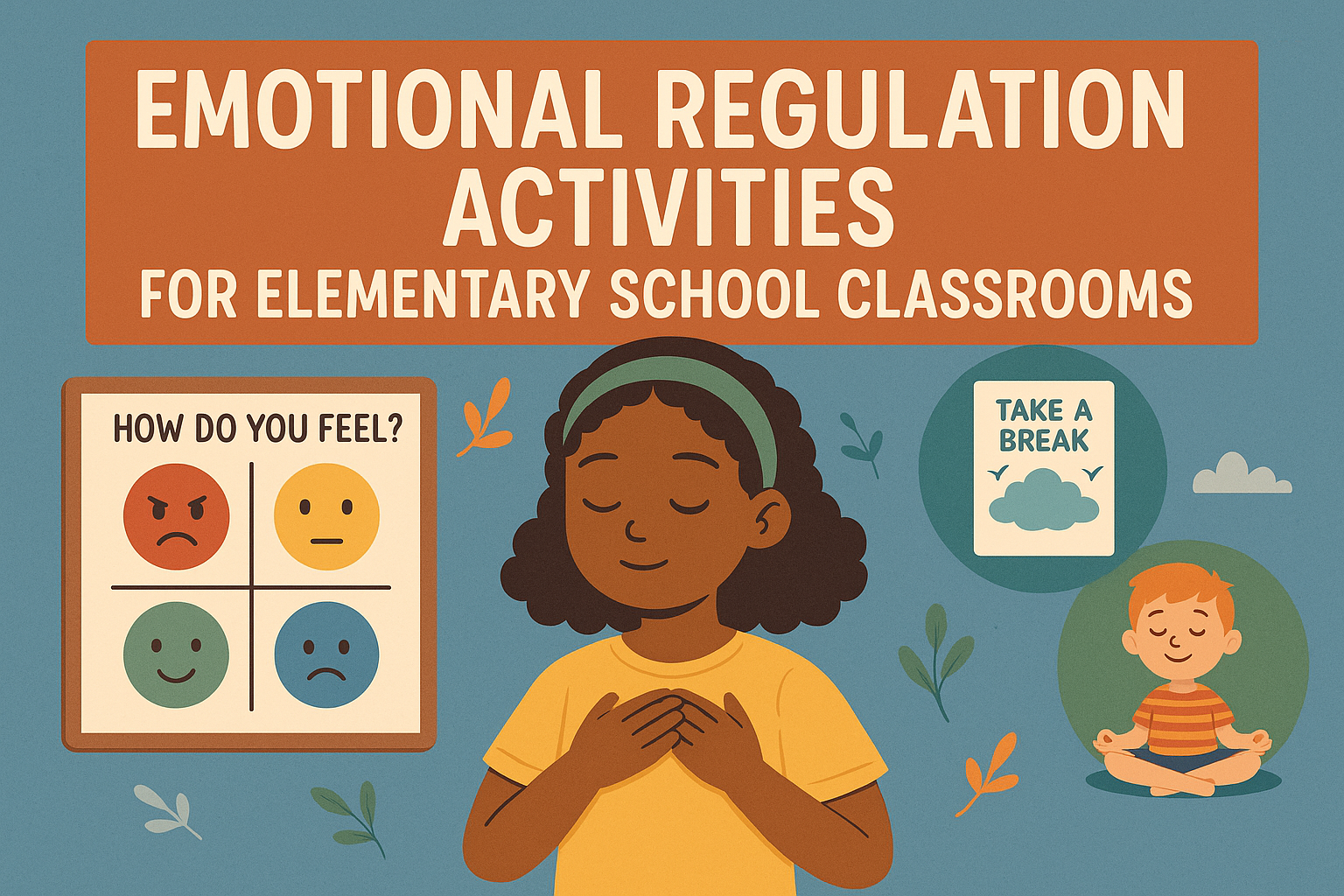

Emotional regulation is increasingly recognized as a crucial skill necessary for students’ overall well-being and academic success. For elementary school children, understanding and managing their emotions can significantly impact their behavior, learning, and interactions with peers and teachers. This article explores various emotional regulation activities tailored for elementary school classrooms, emphasizing their importance, practical implementation, and current relevance.
The Importance of Emotional Regulation in Elementary Education
As children grow, they encounter various emotional experiences that can be overwhelming. Without proper emotional regulation skills, they may struggle with anxiety, frustration, and even anger. Research indicates that emotional regulation is linked to improved academic performance and social skills. According to a study published in the journal Child Development, students who possess strong emotional regulation skills are more likely to thrive academically and socially.
In the classroom, emotional regulation activities serve multiple purposes. They help children identify their feelings, develop coping strategies, and create a supportive learning environment. By integrating these activities into daily routines, teachers can foster resilience, empathy, and self-awareness among students.
Understanding Emotional Regulation Activities
Emotional regulation activities are exercises or practices designed to help children manage their emotions in constructive ways. These activities can range from mindfulness techniques to creative expression and physical movement. The goal is to provide students with tools they can use to navigate their emotional landscapes effectively.
When planning emotional regulation activities, it’s essential to consider the age and developmental stage of the children involved. Activities should be age-appropriate and engaging, allowing students to participate actively. Furthermore, incorporating a variety of types of activities can cater to different learning styles, ensuring that all students benefit.
9 Effective Emotional Regulation Activities for Classrooms
Implementing emotional regulation activities in the classroom doesn’t require extensive training; rather, it can be seamlessly integrated into existing curricula. Here are nine effective activities for elementary students:
1. The Feelings Wheel
The Feelings Wheel is a visual tool that helps students articulate their emotions. It displays a variety of feelings, ranging from basic emotions like happiness and sadness to complex feelings such as disappointment or pride. Teachers can introduce the Feelings Wheel during morning meetings or circle time. Students can then share how they feel that day, promoting emotional literacy and peer support. teaching emotional regulation tips offers useful background here.
2. Mindful Breathing
Mindful breathing exercises can help students learn to calm their minds and bodies. Simple activities like the “5-5-5 Technique,” where students inhale for five seconds, hold for five seconds, and exhale for five seconds, can significantly lower anxiety levels. This technique can be practiced at the start of the day or before a test, allowing students to center themselves and focus on the task at hand. (See: CDC on emotional regulation in youth.)
3. Emotion Charades
Emotion Charades is an engaging game that encourages kids to express and recognize feelings. In this activity, students take turns acting out different emotions while their classmates guess what they are portraying. This fun, interactive game not only promotes empathy but also enhances peer understanding and communication skills.
4. Journaling
Encouraging students to keep a feelings journal can be a powerful emotional regulation activity. Set aside time each week for students to write about their emotions, experiences, and reflections. Journals provide a safe space for self-expression, enabling students to process their feelings constructively. Teachers can guide this activity by providing prompts or themes for students to explore.
5. The Calm Corner
Creating a designated “Calm Corner” in the classroom allows students to retreat when they feel overwhelmed. This space should be filled with calming materials such as stress balls, fidget toys, and soft seating. When students recognize they need a break, they can go to the Calm Corner to regroup and practice self-regulation techniques.
6. Art Therapy Techniques
Art is a powerful medium for emotional expression. Integrating art therapy techniques into the classroom can help students articulate feelings they might struggle to verbalize. Activities such as drawing, painting, or creating collages allow students to explore their emotions creatively. This approach can be particularly beneficial for younger children who may find it challenging to express feelings verbally.
7. Group Discussions
Facilitating group discussions about emotions can help normalize the conversation around feelings. Teachers can present scenarios or stories and ask students how they might feel in those situations, fostering empathy and understanding. This activity can also encourage students to share their experiences, promoting a sense of community and support in the classroom.
8. Physical Movement Activities
Physical activity is a well-known method for regulating emotions. Incorporating movement breaks or dance sessions throughout the day can help students release pent-up energy and stress. Simple exercises like yoga, stretching, or even a quick dance-off can elevate mood and enhance focus. It’s vital to let children express themselves through movement, as it reinforces the connection between physical and emotional well-being.
9. Gratitude Practices
Encouraging gratitude has been shown to improve overall emotional well-being. Teachers can implement gratitude practices, such as a gratitude jar or a gratitude wall, where students can write down things they are thankful for. Reflecting on positive aspects of their lives can help students cultivate a more optimistic outlook, improving their emotional regulation skills.
Implementing Emotional Regulation Activities in the Classroom
Successful implementation of emotional regulation activities requires careful planning and consistency. Here are some practical tips for integrating these activities into your classroom environment:
- Start Small: Begin by introducing one or two activities that resonate with your teaching style and your students’ needs. Gradually add more activities as students become familiar with the concepts of emotional regulation.
- Model Emotional Regulation: Demonstrate healthy emotional regulation strategies in your interactions with students. Share your experiences and coping mechanisms, and encourage students to do the same.
- Create a Supportive Environment: Foster a classroom atmosphere where emotional expression is encouraged and respected. Be open to discussions about feelings, and validate students’ emotions.
- Engage Parents: Share information about emotional regulation activities with parents so they can reinforce these practices at home. Consider hosting workshops or sending newsletters to keep them informed.
- Evaluate and Adapt: Regularly assess the effectiveness of the activities you implement. Seek feedback from students, and be willing to adapt activities to better meet their needs.
Current Relevance and Future Implications
As we navigate an increasingly complex world, emotional regulation skills have never been more critical. In the wake of the pandemic, many children are facing heightened levels of anxiety and stress due to changes in their routines, social isolation, and uncertainty about their futures. The importance of emotional regulation activities in elementary classrooms is underscored as educators recognize the need to address mental health alongside academic learning.
Schools are beginning to adopt comprehensive social-emotional learning curricula, which include these activities as core components. By prioritizing emotional regulation, educators can equip students with the skills they need to thrive — not just academically, but as emotionally intelligent individuals.
In the future, we can expect emotional regulation activities to become more integrated into educational practices. Teacher training programs are increasingly emphasizing social-emotional learning, and schools are investing in mental health resources. As emotional regulation becomes a cornerstone of education, we can anticipate a generation of students who are better equipped to handle life’s challenges.
Comparative Analysis of Emotional Regulation Activities
When considering emotional regulation activities, it can be helpful to compare different methods based on their effectiveness, engagement level, and adaptability. For example, while the Feelings Wheel is excellent for building emotional vocabulary, activities like Emotion Charades engage students in a more dynamic way, fostering empathy through movement and interaction.
Art therapy techniques are particularly powerful for visual learners, allowing them to explore their feelings without the pressure of verbal articulation. Conversely, mindfulness activities such as mindful breathing and movement breaks cater well to students who may need sensory input to help regulate their emotions.
Understanding these differences can help educators choose the right mix of activities to meet the diverse needs of their students. By balancing high-energy activities with calming ones, teachers can create a well-rounded emotional regulation program that keeps students engaged and supported.
Statistics and Research Supporting Emotional Regulation Activities
Research consistently highlights the benefits of emotional regulation. A study from the Collaborative for Academic, Social, and Emotional Learning (CASEL) showed that students who participated in social-emotional learning programs demonstrated an 11% increase in academic performance. Furthermore, emotional regulation activities have been linked to reduced behavioral problems in classrooms, with some studies reporting a decrease in disciplinary actions by up to 30% when such programs are implemented.
Furthermore, a meta-analysis of emotional regulation interventions in schools found that not only do students show improvements in emotional skills, but they also report higher levels of enjoyment and engagement in their learning processes. The skills learned through these activities often extend beyond the classroom, aiding in better interpersonal relationships and self-management strategies.
FAQs About Emotional Regulation Activities
What age group is best suited for emotional regulation activities?
While emotional regulation activities can benefit any age group, they are particularly essential for elementary school students. This age group is still developing their emotional vocabulary and regulation strategies, making it a prime time to introduce these concepts.
How can I assess the effectiveness of emotional regulation activities?
Teacher observation, student self-reports, and peer feedback can provide valuable insights into the effectiveness of emotional regulation activities. Look for changes in students’ behaviors, willingness to express their emotions, and overall classroom atmosphere. See also positive behavior support strategies.
Can emotional regulation activities be done at home?
Absolutely! Many emotional regulation activities can be easily adapted for home use. Parents can create a Calm Corner at home, engage in gratitude practices, or encourage journaling as a family activity.
Are there any digital tools to support emotional regulation activities?
Yes, there are various apps and online platforms designed to support emotional regulation for kids. Tools like mindfulness apps can guide students through breathing exercises, while interactive games can help them practice identifying and managing their emotions.
How can emotional regulation activities support inclusion in the classroom?
Emotional regulation activities are inherently inclusive as they cater to diverse learning styles and needs. By incorporating various types of activities, teachers can ensure that all students, including those with special needs, have the opportunity to engage in emotional learning.
Conclusion
Emotional regulation activities are essential tools for fostering a supportive and productive classroom environment. By implementing these activities, teachers can help students develop critical skills that will serve them not only in school but throughout their lives. As we continue to prioritize emotional intelligence in education, we pave the way for a brighter future for our children — one where they can express, understand, and manage their emotions effectively.
Trending Now
Frequently Asked Questions
What are some emotional regulation activities for kids?
Emotional regulation activities for kids include mindfulness exercises, creative expression through art or writing, and physical movement like yoga or dance. These activities help children identify their feelings, develop coping strategies, and build resilience, ultimately enhancing their emotional well-being and social interactions.
Why is emotional regulation important for students?
Emotional regulation is crucial for students as it directly impacts their behavior, learning, and interactions. Children with strong emotional regulation skills tend to perform better academically and socially, as they can manage anxiety, frustration, and anger more effectively, leading to a more positive classroom environment.
How can teachers implement emotional regulation activities?
Teachers can implement emotional regulation activities by integrating them into daily routines. This can include setting aside time for mindfulness practices, encouraging creative expression, and facilitating discussions about emotions. Engaging students in age-appropriate activities fosters a supportive learning environment and enhances their emotional skills.
What are some examples of mindfulness activities for children?
Examples of mindfulness activities for children include guided breathing exercises, body scans, and mindful walking. These practices help children focus on the present moment, reducing anxiety and increasing self-awareness, which are essential components of emotional regulation.
How does emotional regulation affect academic performance?
Emotional regulation positively affects academic performance by enabling students to manage their emotions effectively. When children can cope with stress and frustration, they are more likely to concentrate, engage in learning, and interact positively with peers and teachers, leading to improved academic outcomes.
What’s your take on this? Share your thoughts in the comments below — we read every one.



