

“`html
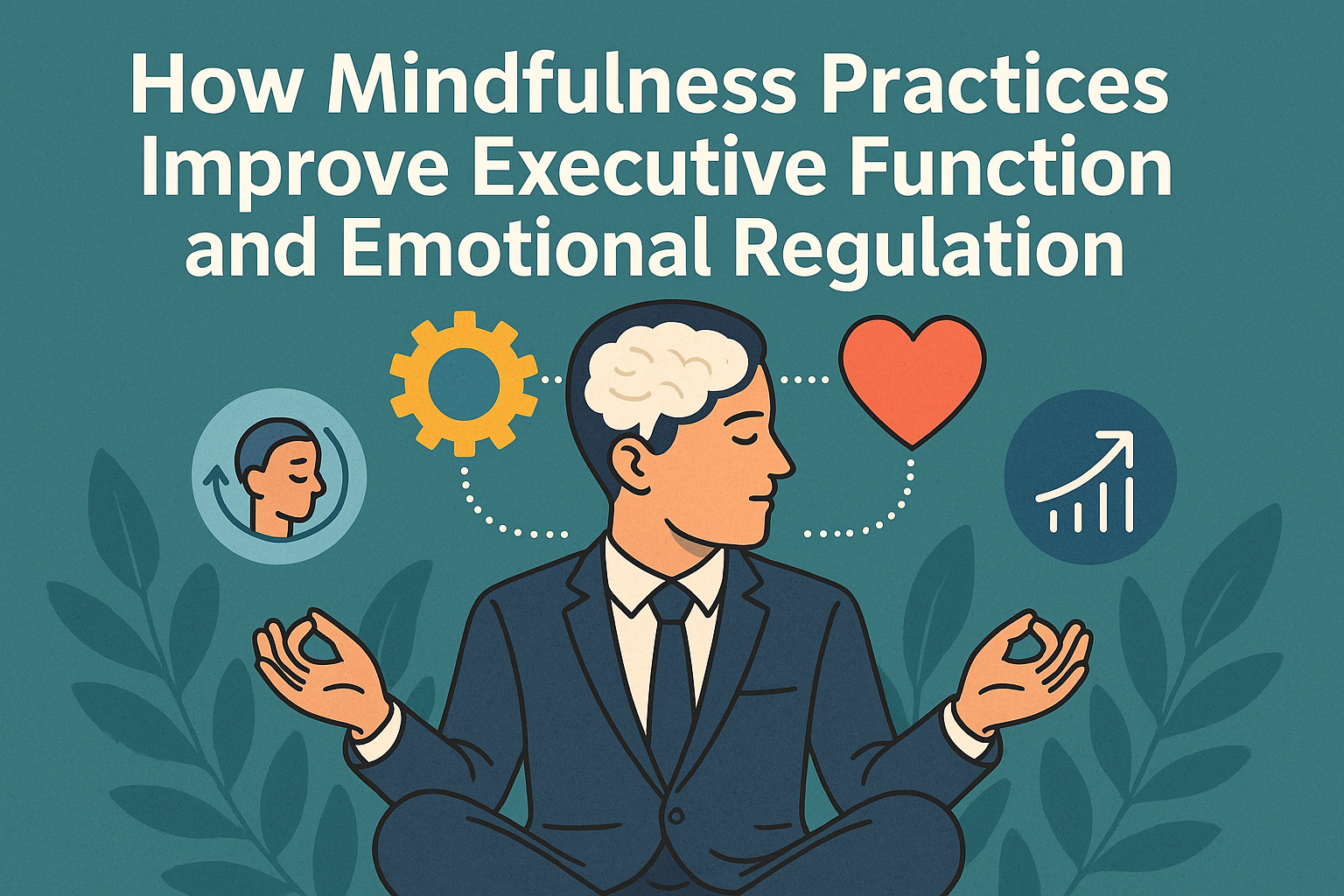
When it comes to achieving peak performance, whether at work, in school, or in daily life, one often overlooks a powerful tool that can significantly enhance mental clarity and emotional resilience: mindfulness. As the hustle and bustle of modern life continues to increase, more individuals are turning to mindfulness practices to improve their executive function and emotional regulation. But how exactly do these practices contribute to better decision-making, focus, and emotional balance? Let’s unpack the intricate relationship between mindfulness and executive function.
Understanding Executive Function
At its core, executive function encompasses the mental processes that enable us to plan, focus attention, remember instructions, and juggle multiple tasks successfully. These skills are vital for setting and achieving goals, as well as for managing everyday challenges. Executive function is not a single ability but rather a collection of skills that include:
- Working Memory: The capacity to hold and manipulate information over short periods.
- Cognitive Flexibility: The ability to switch between thinking about two different concepts or to think about multiple concepts simultaneously.
- Inhibitory Control: The skill that helps us resist impulsive actions and responses.
Disruptions in executive function can manifest in various ways, leading to difficulties in personal and professional life. For instance, chronic stress, anxiety, or mental fatigue can impair these cognitive processes, making it all the more crucial to find methods that can strengthen them.
The Science Behind Mindfulness
Mindfulness refers to the practice of being fully present in the moment and aware of one’s thoughts and feelings without judgment. Research indicates that engaging in mindfulness practices can lead to improvements in various cognitive functions and emotional regulation. One meta-analysis published in 2016 in the journal Psychological Bulletin found that mindfulness interventions can significantly improve working memory, attention, and cognitive flexibility.
Moreover, brain imaging studies show that mindfulness can lead to structural changes in the brain. For example, a study conducted at Harvard University demonstrated that mindfulness meditation can increase the thickness of the prefrontal cortex, a critical area for executive function. This suggests that the brain’s capacity for executive control can indeed be enhanced through consistent mindfulness practice.
Mindfulness and Executive Function: The Connection
The connection between mindfulness and executive function is multi-faceted. Engaging in mindfulness practices can lead to several improvements in executive function skills:
- Improved Attention: Mindfulness trains individuals to concentrate on specific tasks and filter out distractions, a skill essential for effective executive functioning.
- Enhanced Working Memory: By focusing on the present moment, mindfulness allows individuals to better retain and manipulate information mentally.
- Greater Cognitive Flexibility: Mindfulness encourages a non-judgmental awareness of thoughts, helping individuals to shift their mindset and approach problems creatively.
- Inhibition of Impulsive Responses: Mindfulness fosters a pause between impulse and action, leading to better decision-making.
These improvements can significantly impact various domains of life, from academic success to workplace productivity. For instance, students who practice mindfulness regularly report better focus and retention of information, which can lead to improved academic outcomes.
How Mindfulness Practices Enhance Emotional Regulation
While executive function is vital for cognitive control, emotional regulation is equally important for maintaining mental health and stability. Mindfulness practices provide a powerful framework to enhance emotional regulation by fostering awareness and acceptance of emotions rather than avoidance. (See: Mindfulness and executive function.)
Here’s how mindfulness contributes to better emotional regulation:
- Increased Awareness: Mindfulness cultivates an awareness of emotions as they arise, which allows individuals to identify feelings without being overwhelmed by them. This heightened awareness can lead to a better understanding of triggers and patterns in emotional responses.
- Non-Judgmental Acceptance: Mindfulness encourages individuals to accept their emotions without judgment, creating space for processing rather than suppressing feelings. This can reduce the intensity of emotions and increase emotional resilience.
- Stress Reduction: Mindfulness practices, such as meditation and deep breathing, trigger the body’s relaxation response, leading to decreased levels of cortisol and stress. Lower stress levels enable better emotional control.
For example, a study published in the journal Emotion found that participants who engaged in mindfulness meditation experience reduced emotional reactivity and improved emotional regulation compared to those who did not practice mindfulness. This can be particularly beneficial in high-stress environments, such as workplaces or during exams, where emotional responses can adversely affect performance.
Practical Mindfulness Techniques to Enhance Executive Function
Incorporating mindfulness into your daily routine doesn’t have to be complicated. Here are some practical techniques that can help you strengthen your executive function and emotional regulation:
- Mindful Breathing: Set aside just a few minutes each day to focus solely on your breath. Inhale deeply and exhale slowly, paying attention to the sensation of air entering and leaving your body. This can help center your thoughts and clear your mind of distractions.
- Body Scan Meditation: This technique involves mentally scanning your body for areas of tension or discomfort. As you focus on different body parts, consciously relax them. This practice enhances your awareness of physical sensations and can lead to improved emotional regulation.
- Mindful Walking: Take a walk while paying attention to the sensations in your feet as they touch the ground, the rhythm of your breath, and the sights and sounds around you. This practice can increase your awareness and help clear your mind.
- Mindful Journaling: Spend a few minutes each day journaling your thoughts and feelings without judgment. This can help you process emotions and identify patterns in your emotional responses.
By integrating these mindfulness practices into your daily life, you can gradually enhance your executive function and emotional regulation skills. Start small and build your practice over time to see significant improvements.
Current Relevance and Future Implications
As we navigate an increasingly fast-paced world, the relevance of mindfulness and its impact on executive function and emotional regulation cannot be overstated. The rise of mental health issues, particularly among younger generations, highlights an urgent need for effective coping strategies. This builds on classroom mindfulness strategies.
In recent years, educational institutions and workplaces have begun to incorporate mindfulness practices into their programs. Schools are adopting mindfulness curricula to help students manage stress and improve focus, while companies are offering mindfulness training to enhance workplace productivity and employee well-being. This shift indicates a growing recognition of the importance of mental health in achieving success.
Looking ahead, the integration of mindfulness practices into various sectors could redefine how we approach mental health and cognitive development. By continuing to advocate for mindfulness in education, business, and beyond, we can cultivate environments that prioritize emotional well-being and effective executive functioning.
Your Journey Towards Mindfulness
Embracing mindfulness as a tool for enhancing executive function and emotional regulation is not just a trend; it’s a pathway to a more balanced and fulfilling life. Whether you’re a student striving for better academic performance, a professional aiming to boost productivity, or an individual seeking emotional stability, mindfulness offers a wealth of benefits.
Start by experimenting with various mindfulness techniques, finding what resonates with you. Consider joining a meditation group or participating in workshops to deepen your practice. Remember, the journey to mindfulness is personal and unique; there’s no one-size-fits-all approach. Be patient with yourself as you explore this rewarding practice. (See: Impact of mindfulness on cognitive flexibility.)
In today’s world, prioritizing mindfulness isn’t just a personal choice; it’s a crucial component of thriving in our complex environments. As the evidence continues to mount regarding the benefits of mindfulness on executive function and emotional regulation, it becomes clear that this ancient practice holds the keys to navigating modern challenges.
Mindfulness Techniques for Professionals
In the workplace, where stress can often be a daily companion, integrating mindfulness practices can cultivate a more productive and harmonious environment. Here are a few techniques specifically tailored for professionals:
- Mindful Meetings: Start meetings with a brief mindfulness exercise. This could be a minute of silence for everyone to focus on their breath, allowing participants to arrive mentally and emotionally. It sets a tone of awareness and presence, fostering more engaged discussions.
- Mindfulness Breaks: Encourage employees to take short breaks throughout the day. This could be a five-minute breathing exercise or a short walk. Research shows that even brief periods of mindfulness can improve focus and reduce burnout.
- Mindful Listening: Practicing mindful listening during conversations can enhance interpersonal relationships. This involves fully focusing on the speaker without forming a response while they talk, allowing for deeper connection and understanding.
Statistics Supporting Mindfulness
Various studies highlight the effectiveness of mindfulness practices in improving executive function and emotional well-being:
- A 2019 study published in the journal Frontiers in Psychology found that participants who practiced mindfulness showed a 30% improvement in attention span and working memory compared to those who did not.
- A meta-analysis from 2020 revealed that mindfulness interventions had a moderate to large effect on reducing anxiety and depression symptoms, contributing to better emotional regulation.
- According to the American Psychological Association, mindfulness training can enhance cognitive flexibility by up to 25%, offering a clear benefit for those looking to improve their executive function.
FAQs About Mindfulness and Executive Function
What is mindfulness?
Mindfulness is the practice of being present and fully engaged in the current moment, aware of thoughts and feelings without judgment.
How does mindfulness affect executive function?
Mindfulness enhances executive function by improving attention, working memory, cognitive flexibility, and inhibitory control, leading to better decision-making and emotional regulation.
Do I need to meditate to practice mindfulness?
No, mindfulness can be practiced in various forms, including mindful breathing, walking, or even through mindful eating. It’s about bringing awareness to whatever you are doing.
How long do I need to practice mindfulness to see benefits?
While some benefits can be observed after just a few sessions, consistent practice over weeks or months often leads to more significant and lasting improvements.
Can mindfulness help with stress management?
Yes, numerous studies show that mindfulness practices can significantly reduce stress levels, leading to better emotional regulation and overall well-being. mindful screen time practices offers useful background here.
Is there any evidence supporting mindfulness training in educational settings?
Yes, several studies indicate that incorporating mindfulness in schools can enhance students’ focus, emotional regulation, and overall academic performance.
Examples of Mindfulness in Action
Real-life applications of mindfulness can illustrate its benefits effectively. For instance, consider a teacher who integrates mindfulness into their classroom. By starting each day with a short meditation, students learn to settle their minds, reducing anxiety and improving their readiness to learn. As a result, there’s often a noticeable increase in classroom engagement and a decrease in behavioral issues.
In a corporate setting, a tech company implemented a weekly mindfulness session for its employees. Feedback indicated that after just three months, employees reported feeling less stressed and more focused at work. Productivity metrics showed a 15% increase in team output during this period, emphasizing how mindfulness can lead to tangible benefits in high-pressure environments.
The Cultural Shift Towards Mindfulness
Mindfulness is gaining recognition not just as a personal wellness tool but as a cultural movement. Many organizations are now emphasizing the importance of mental health and wellness in the workplace. Companies like Google and Aetna have rolled out mindfulness programs due to their positive impact on employee satisfaction and overall performance. These initiatives reflect a broader societal acknowledgment of the importance of mental well-being, recognizing that healthy employees are essential for success.
Moreover, the role of mindfulness has expanded into diverse fields like sports, where athletes employ mindfulness techniques to enhance focus and performance. The practice is widely adopted among elite athletes, demonstrating that the benefits of mindfulness extend well beyond traditional settings.
“`
Trending Now
Frequently Asked Questions
How does mindfulness improve executive function?
Mindfulness enhances executive function by promoting mental clarity and emotional resilience. It trains the brain to focus better, improves working memory, and strengthens inhibitory control, allowing individuals to plan, manage tasks, and make decisions more effectively.
What are examples of mindfulness practices?
Examples of mindfulness practices include meditation, deep breathing exercises, yoga, and mindful walking. These activities encourage individuals to stay present in the moment, which can lead to improved focus and emotional regulation.
Can mindfulness help with emotional regulation?
Yes, mindfulness helps with emotional regulation by increasing awareness of one's thoughts and feelings without judgment. This awareness allows individuals to manage their emotions better, reducing impulsive reactions and promoting a balanced emotional state.
What is the relationship between mindfulness and stress reduction?
Mindfulness practices are effective for stress reduction as they encourage relaxation and present-moment awareness. By focusing on the here and now, individuals can alleviate anxiety and stress, which can also enhance overall executive function.
How can I incorporate mindfulness into my daily routine?
You can incorporate mindfulness into your daily routine by setting aside a few minutes each day for meditation, practicing deep breathing, or engaging in mindful activities like eating or walking. Consistency is key to reaping the benefits of mindfulness.
Have you experienced this yourself? We’d love to hear your story in the comments.



