

“`html
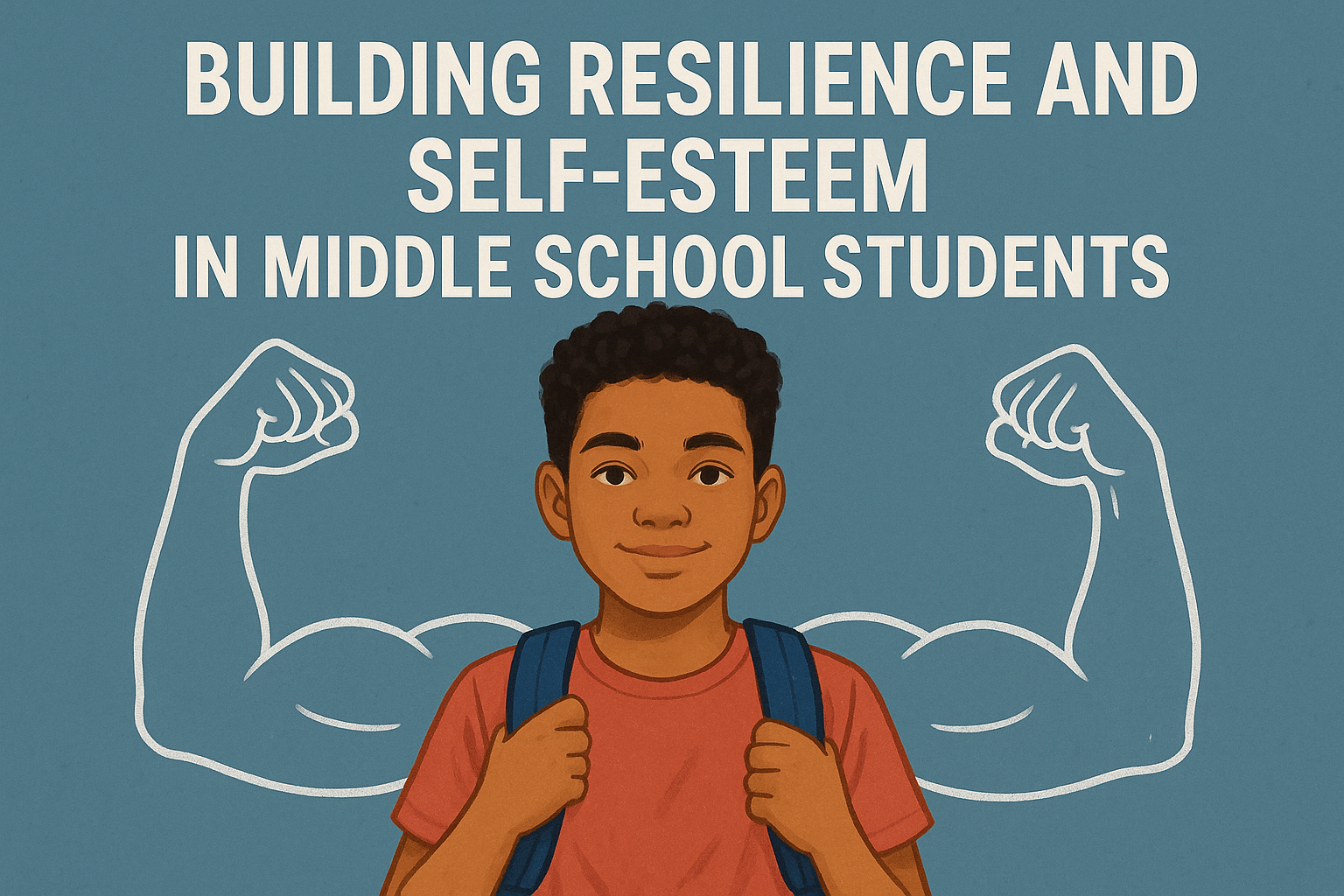
As middle schoolers navigate a transformative yet challenging stage of life, the importance of resilience in middle school students cannot be overstated. At this age, kids face a myriad of social, emotional, and academic pressures that can undermine their confidence and self-worth. Building resilience and self-esteem during these formative years is critical, as it equips students with the tools they need to face adversity and thrive in various aspects of life. In this article, we’ll explore effective strategies for fostering resilience and enhancing self-esteem among middle school students.
Understanding the Importance of Resilience
Resilience refers to the ability to bounce back from challenges, stress, and adversity. For middle school students, who are often confronted with significant changes such as shifting friendships, academic demands, and burgeoning independence, cultivating resilience is essential. Studies show that resilient individuals tend to have better mental health, improved academic performance, and healthier relationships.
According to a report by the American Psychological Association, resilience can be built through supportive relationships, positive experiences, and coping strategies. For middle schoolers, having a strong support network of family, friends, and educators can significantly bolster their capacity to handle stress. Furthermore, fostering resilience can lead to greater self-confidence, enabling students to take risks and embrace new challenges without fear of failure.
Building a Supportive Environment
Creating an environment that promotes resilience starts at home and extends to schools and communities. Parents, caregivers, and educators play a pivotal role in shaping how middle school students perceive challenges and setbacks.
- Safe Spaces: Schools should establish a nurturing atmosphere where students feel safe to express their thoughts and emotions. Implementing programs that prioritize mental health can ensure students have access to resources when needed.
- Open Communication: Encouraging open dialogue about feelings and challenges can help students feel understood and less isolated. Regular check-ins with students can foster trust and make them more likely to seek help when needed.
- Positive Reinforcement: Recognizing and celebrating small achievements can boost students’ self-esteem. This not only motivates them but also reinforces the idea that effort leads to success.
When students feel supported by their families and schools, they are more likely to develop the resilience necessary to tackle difficulties head-on.
Encouraging a Growth Mindset
Adopting a growth mindset—believing that abilities can be developed through dedication and hard work—is essential in fostering resilience in middle school students. Carol Dweck, a psychologist at Stanford University, emphasizes that teaching students to view challenges as opportunities for growth can significantly impact their academic and personal lives.
Here are some approaches to encourage a growth mindset:
- Emphasizing Effort Over Outcome: Teach students that effort and perseverance are more important than the final result. This shifts their focus from fear of failure to the joy of learning and improvement.
- Promoting Problem-Solving: Instead of giving students answers, encourage them to explore solutions independently. This builds critical thinking skills and a sense of agency.
- Modeling Resilience: Share stories of overcoming challenges, whether from personal experiences or notable figures. This illustrates that struggles are a natural part of growth.
By instilling a growth mindset, students are more likely to approach obstacles with resilience and optimism, viewing setbacks as stepping stones rather than roadblocks.
Teaching Coping Strategies
Coping strategies are essential tools that help middle school students manage stress and adversity. Equipping them with effective techniques can promote resilience and self-esteem. For more on this, see growth mindset strategies.
Here are some practical coping strategies that can be taught: (See: CDC resources on adolescent resilience.)
- Meditation and Mindfulness: Introducing mindfulness exercises can help students learn to manage anxiety and focus better. Simple practices like deep breathing or guided meditation can be easily integrated into daily routines.
- Journaling: Encourage students to keep a journal to reflect on their thoughts and feelings. This practice can help them process emotions and develop a greater understanding of themselves.
- Physical Activity: Regular physical activity is proven to reduce stress and anxiety. Schools can incorporate more movement through physical education or after-school sports to help students blow off steam.
Teaching these strategies not only helps students manage their current challenges but also sets the foundation for lifelong coping skills.
Fostering Social Connections
Social connections are vital for building resilience in middle school students. Positive relationships with peers, family, and mentors can provide emotional support and a sense of belonging that enhances self-esteem.
Here are ways to foster these connections:
- Group Activities: Encourage participation in clubs, sports, or group projects. This promotes teamwork and helps students develop interpersonal skills.
- Mentorship Programs: Pairing students with mentors can create a support system. Mentors can offer guidance, share experiences, and help students navigate challenges.
- Encouraging Empathy: Teaching empathy through discussions or role-playing can help students relate to others’ feelings, fostering deeper connections and understanding.
By nurturing social bonds, students build a support network that reinforces their resilience and boosts their self-esteem.
Incorporating Real-Life Challenges
Experiencing real-life challenges within a safe environment can teach students how to handle adversity effectively. It’s essential to provide opportunities for students to face challenges so they can practice their coping skills.
Some ways to incorporate these challenges include:
- Service Learning: Engaging students in community service helps them learn the value of hard work and the importance of contributing to others, providing a sense of purpose.
- Team Projects: Group assignments can present various challenges, from conflict resolution to meeting deadlines. These projects encourage collaboration and teach students how to overcome obstacles together.
- Healthy Risk-Taking: Allow students to take calculated risks in safe settings, such as trying out for a sports team or presenting in front of the class. This promotes confidence and a sense of accomplishment.
Facing challenges in a supportive environment allows students to practice resilience, learn from failures, and ultimately boost their self-esteem.
The Role of Technology in Building Resilience
In an ever-connected world, technology can also play a pivotal role in fostering resilience in middle school students. While excessive use of technology can be detrimental, when used wisely, it can provide valuable resources and support.
Here are ways technology can help:
- Access to Online Resources: There are numerous apps and websites focused on mental health, resilience, and self-esteem. Schools can curate a list of recommended resources for students to access at any time.
- Virtual Support Groups: Online platforms can connect students with peers facing similar challenges, creating a sense of community and shared experience that enhances resilience.
- Educational Games: Many educational games emphasize problem-solving and strategic thinking. Incorporating these into the curriculum can make learning fun while building resilience skills.
By integrating technology thoughtfully, schools and families can create an environment that supports resilience and self-esteem in middle school students. (See: NIH information on building resilience.)
Parent and Teacher Collaboration
One of the most effective strategies for enhancing resilience in middle school students involves collaboration between parents and teachers. When both parties work together, they create a unified approach that reinforces resilience-building efforts in various environments.
Here are some ways parents and teachers can collaborate:
- Regular Communication: Establishing regular check-ins between parents and teachers can help both parties stay informed about the student’s progress and any challenges they might be facing.
- Workshops and Training: Schools can organize workshops where parents learn about resilience and coping strategies to reinforce similar messages at home.
- Shared Goals: Collaborating on shared goals for the student’s development can create a consistent message about the importance of resilience and support.
This partnership not only strengthens the student’s support network but also fosters a sense of continuity and stability, which is vital for building resilience.
Statistics on Resilience in Middle School Students
Understanding the impact of resilience statistically can help drive home its importance in education and parenting. Here are some relevant statistics:
- According to research from the National Institute for Health Care Management, students with high resilience are 3.5 times more likely to achieve academic success than their less resilient peers.
- The American Psychological Association reports that resilience training programs can lead to a 25% increase in the ability of students to cope with stress and adversity.
- A study published in the Journal of Educational Psychology found that middle school students who perceived high support from teachers reported a 40% increase in their resilience scores.
- Moreover, a longitudinal study by the National Institute of Mental Health indicated that resilient youth are less likely to engage in risky behaviors, with a 30% lower likelihood of substance abuse compared to their peers.
These statistics illustrate the significant benefits that resilience can bring to middle school students, underscoring the need for strategies that enhance this essential quality.
Frequently Asked Questions
Q: How can I tell if my child is struggling with resilience?
A: Signs may include frequent feelings of anxiety, avoidance of challenges, and withdrawal from social activities. If you notice these behaviors, it’s important to engage in open conversations about their feelings and experiences. See also supporting working parents.
Q: What are some quick resilience-boosting activities I can do at home?
A: Simple activities like family game nights, discussing daily achievements, or practicing gratitude can enhance resilience. Encouraging your child to share their feelings regularly can also make a big difference.
Q: Are there specific programs that focus on resilience for middle school students?
A: Yes, many schools implement resilience-building programs like The Resilience Project or MindUP. These programs often include lessons on coping strategies, emotional regulation, and social skills.
Q: How important is it for teachers to receive training in resilience-building techniques?
A: Teacher training in resilience-building is vital as it equips educators with the tools to create supportive classroom environments. Research indicates that teachers trained in these techniques can better understand student needs and foster resilience effectively.
Q: Can resilience be measured in students?
A: Yes, resilience can be assessed using various tools and surveys that evaluate coping strategies, social support, and emotional regulation. These assessments can help educators tailor support and interventions to meet individual student needs.
As we recognize the significance of resilience in middle school students, it’s clear that a multi-faceted approach is vital. Through supportive environments, growth mindsets, coping strategies, social connections, real-life challenges, and the thoughtful use of technology, we can equip these young individuals with the tools they need to thrive in the face of adversity. Building resilience not only nurtures self-esteem but also prepares them for a lifetime of challenges and opportunities.
“`
Trending Now
Frequently Asked Questions
What are effective strategies to build resilience in middle school students?
Effective strategies to build resilience in middle school students include fostering supportive relationships, encouraging positive experiences, and teaching coping strategies. Creating a safe environment where students can express their thoughts and feelings is also crucial, as it helps them learn to navigate challenges and develop the confidence to overcome adversity.
How does resilience affect self-esteem in middle schoolers?
Resilience plays a significant role in enhancing self-esteem among middle schoolers. When students develop resilience, they become better equipped to handle challenges and setbacks, which boosts their confidence. This increased self-confidence enables them to take risks and embrace new experiences, further reinforcing their self-worth.
Why is building self-esteem important for middle school students?
Building self-esteem in middle school students is vital as it influences their mental health, academic performance, and relationships. High self-esteem helps students navigate the social and emotional pressures of adolescence, allowing them to approach challenges with a positive mindset and a greater sense of self-worth.
What role do parents play in fostering resilience in their children?
Parents play a crucial role in fostering resilience by providing emotional support, encouraging open communication, and modeling effective coping strategies. By creating a nurturing home environment, parents can help their children develop the skills needed to face challenges and build confidence in their abilities.
How can schools support resilience in students?
Schools can support resilience in students by creating safe and nurturing environments, implementing mental health programs, and encouraging peer support. Educators should focus on teaching coping strategies and fostering a culture of acceptance, which helps students feel valued and empowered to face difficulties.
Agree or disagree? Drop a comment and tell us what you think.






