

“`html
Reciprocity in child development is a crucial concept that shapes how children learn to interact with others and form meaningful relationships. Understanding this principle can provide parents, educators, and caregivers with valuable insights into fostering social skills in children. Whether you’re a parent looking to support your child’s growth or an educator seeking effective strategies, grasping the nuances of reciprocity can be transformative.
What is Reciprocity in Child Development?
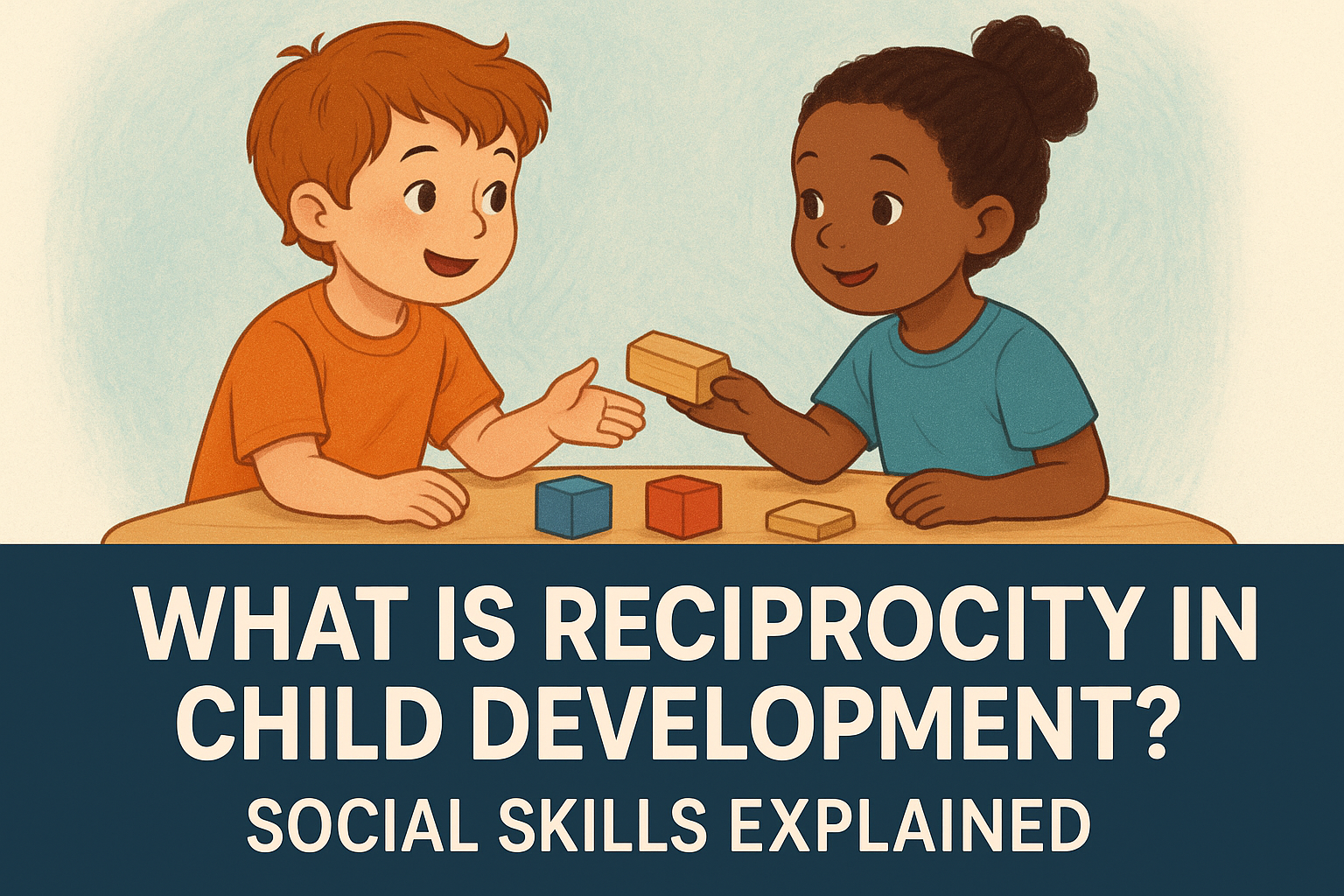
At its core, reciprocity in child development refers to the mutual exchange of social and emotional signals between children and their caregivers or peers. This back-and-forth interaction is foundational for developing essential social skills such as empathy, cooperation, and communication. Think of it as a dance: one partner leads, and the other follows, creating a rhythm that fosters connection.
Research indicates that reciprocal interactions begin as early as infancy. Babies naturally engage with their caregivers through cooing, babbling, and smiling. These early exchanges establish a framework for communication that grows increasingly complex as children develop. The ability to engage in reciprocal interactions lays the groundwork for building trust, understanding, and strong relationships later in life. We covered strengthening communication insights in more detail.
The Role of Reciprocity in Early Childhood Development
During the early childhood years, children experience rapid brain development, and their social skills begin to flourish. Reciprocity plays a vital role in this process. For instance, consider a toddler sharing toys with a friend. When one child hands over a toy, the other child’s positive response reinforces the behavior, encouraging further sharing and cooperative play.
This exchange highlights several key aspects of reciprocity in child development:
- Emotional Regulation: Children learn to read emotional cues from their peers and caregivers, allowing them to adapt their responses accordingly. This ability helps them manage their feelings and respond empathetically.
- Conflict Resolution: Through reciprocal interactions, children encounter conflicts and disagreements. Learning to negotiate, compromise, and resolve these conflicts fosters resilience and problem-solving skills.
- Social Learning: Children observe and imitate the behaviors of those around them. When they see positive reciprocal exchanges, they are more likely to replicate those behaviors in their interactions.
Key Stages of Reciprocity in Child Development
Understanding the stages of reciprocity in child development can equip parents and educators with effective strategies to encourage positive interactions. These stages typically unfold as follows:
1. Infancy (0-12 Months)
During infancy, reciprocity manifests through simple facial expressions and vocalizations. When a caregiver smiles, the baby often responds with a smile or cooing, establishing a fundamental connection. These early moments are vital as they form the basis for emotional attachment.
2. Early Toddlerhood (1-3 Years)
Toddlers begin to explore play and interactions with peers. Sharing toys and engaging in parallel play (playing alongside but not necessarily with other children) are common. Caregivers can encourage reciprocity by modeling sharing and turn-taking during play.
3. Preschool Years (3-5 Years)
As children enter preschool, their social skills begin to expand dramatically. They start engaging in cooperative play and understand more complex rules. Encouraging group activities can enhance their ability to negotiate roles, share ideas, and resolve conflicts.
4. Early Elementary (6-8 Years)
In this stage, children develop stronger friendships and begin to understand the concept of empathy. Activities that promote teamwork, such as group projects, help reinforce the importance of working together and valuing others’ perspectives. (See: Reciprocal interactions in child development.)
The Impact of Parenting Styles on Reciprocity
The way parents interact with their children can significantly influence their ability to engage in reciprocal relationships. Various parenting styles—authoritative, authoritarian, permissive, and neglectful—can lead to different outcomes in a child’s social development.
Authoritative Parenting
Authoritative parents strike a balance between responsiveness and demandingness. They nurture open communication and encourage independence while setting clear expectations. This approach promotes healthy reciprocal interactions, as children feel secure in expressing themselves and seeking support.
Authoritarian Parenting
On the other hand, authoritarian parents enforce strict rules and expectations without much warmth. This can stifle a child’s ability to engage in reciprocal interactions, as they may feel insecure or anxious about expressing their emotions and needs.
Permissive Parenting
Permissive parents tend to be lenient and indulgent, often allowing children to make their own decisions. While this may foster creativity, it can also lead to challenges in developing reciprocal skills, as children may struggle with boundaries and understanding the needs of others.
Neglectful Parenting
Neglectful parenting, characterized by a lack of involvement or attention, can severely hinder a child’s ability to engage in reciprocal relationships. Children may struggle to develop trust and emotional regulation, impacting their social skills.
Encouraging Reciprocity in Child Development
Now that we understand the importance of reciprocity in child development, how can we actively encourage it? Here are some practical strategies:
1. Model Positive Interactions
Children learn by observing. When caregivers demonstrate respectful communication, active listening, and empathy, children are more likely to mimic these behaviors. Engage in conversations with your child that require them to express their feelings and opinions, fostering a reciprocal exchange.
2. Promote Cooperative Play
Encourage playdates or group activities that require cooperation, such as team sports or collaborative art projects. These settings provide children with opportunities to practice sharing, turn-taking, and negotiating roles, reinforcing the concept of reciprocity.
3. Teach Emotional Literacy
Help children identify and articulate their emotions, as well as recognize the feelings of others. Use stories, games, or role-playing to illustrate different emotional scenarios. The better children understand emotions, the more effectively they can engage in reciprocal interactions.
4. Provide Constructive Feedback
When children engage in reciprocal interactions, offer gentle guidance and positive reinforcement. Acknowledge their efforts to share, listen, or cooperate. Constructive feedback helps them understand what works well in social situations and what they can improve upon. (See: Adolescent development and social skills.)
The Importance of Reciprocity in Diverse Contexts
Reciprocity in child development is not limited to family and play environments; it extends into various contexts, including schools and communities. Understanding its relevance in these settings can further amplify its impact on social skills.
Reciprocity in Educational Settings
In schools, fostering reciprocity encourages collaboration among students. Teachers can create classroom environments that prioritize group work, peer feedback, and open discussions. Students who learn to engage reciprocally with their peers are better equipped to navigate social dynamics and build lasting friendships.
Reciprocity in Diverse Communities
In multicultural communities, understanding and respecting diverse backgrounds is vital for encouraging reciprocity. Engaging children in community service projects or cultural exchange programs can help them appreciate different perspectives and foster empathy, reinforcing the importance of reciprocal relationships across cultures.
Current Relevance and Future Directions
As society continues to evolve, the need for strong social skills becomes increasingly essential. The rise of digital communication has altered how children interact, making it crucial to maintain a focus on reciprocity in child development. Online interactions can sometimes lack the emotional depth of face-to-face exchanges, which may hinder the development of reciprocal skills.
Educators and parents must find ways to balance technology use with opportunities for meaningful, in-person interactions. Encouraging children to engage in conversations, group activities, and community involvement will help ensure they cultivate the social skills necessary for success.
In summary, reciprocity in child development is not just a theoretical concept; it’s a vital part of growing up. By understanding its significance and actively promoting reciprocal interactions, we can equip the next generation with the social skills they’ll need to thrive in an interconnected world.
Examples of Reciprocity in Child Development
To illustrate the concept of reciprocity further, let’s explore some real-world examples that highlight its importance:
- Playground Interactions: During recess, children often engage in games that require them to take turns and communicate. For example, in a game of tag, players must respond to each other’s actions and negotiate rules, fostering a sense of reciprocity.
- Family Dynamics: Mealtime conversations can be a great opportunity for developing reciprocity. When family members share stories or opinions, they model active listening and respectful dialogue, reinforcing these skills in children.
- Group Projects: In school settings, collaborative projects teach children to rely on one another’s strengths. For instance, when putting together a presentation, students must share tasks and provide feedback, showcasing reciprocal support.
Statistics on Reciprocity and Child Development
Research has shown a direct correlation between reciprocity and positive outcomes in child development. Some notable statistics include:
- A study from the Journal of Child Development found that children who engage in regular reciprocal play are 25% more likely to develop strong social skills by the age of five.
- According to the American Psychological Association, children who experience positive reciprocal interactions in their early years are less likely to exhibit behavioral problems in school, with a decrease of up to 30% in disciplinary actions.
- Research from the University of Chicago indicates that children who participate in cooperative learning environments score 15% higher in social-emotional assessments compared to their peers in competitive settings.
Expert Perspectives on Reciprocity in Child Development
Experts in child psychology and development often emphasize the importance of reciprocity. Dr. Jane Goodwin, a child psychologist, notes, “Reciprocal interactions are the building blocks of emotional intelligence. When children learn to read and respond to emotional cues, they are better equipped to form healthy relationships throughout their lives.”
Another expert, Dr. Alan Smith, a developmental neuroscientist, explains, “The brain develops in response to social interactions. Reciprocity not only shapes social skills but also influences cognitive development. Engaging with others helps children think critically and solve problems.”
Frequently Asked Questions
What age do children start to understand reciprocity?
Children typically begin to understand and engage in reciprocal interactions around 12 months old. By this age, they may respond to their caregivers’ facial expressions and vocalizations, laying the groundwork for more complex interactions as they grow.
How can I help my child develop reciprocity skills?
Encouraging your child to play with peers, participate in group activities, and model positive social interactions are effective ways to develop reciprocity skills. Engage in discussions that promote empathy and emotional understanding as well.
Are there any risks associated with poor reciprocity development?
Yes, children who struggle with reciprocity may face challenges in forming relationships, which can lead to social isolation or behavioral issues. They may also find it difficult to navigate conflicts and understand others’ perspectives.
How does technology affect reciprocity in child development?
Excessive screen time can hinder the development of reciprocity as it often limits face-to-face interactions. It’s essential to strike a balance by encouraging in-person engagements alongside technology use.
Can reciprocity be taught in educational settings?
Absolutely! Educators can create environments that prioritize group work, collaborative learning, and peer feedback to foster reciprocal interactions among students. Activities that emphasize teamwork are particularly effective.
By recognizing the importance of reciprocity at every stage of child development, we can create supportive environments that enhance children’s social and emotional growth, ultimately leading to healthier, more connected individuals.
“`
Trending Now
Frequently Asked Questions
What does reciprocity mean in child development?
Reciprocity in child development refers to the mutual exchange of social and emotional signals between children and their caregivers or peers. This back-and-forth interaction is essential for developing social skills like empathy, cooperation, and communication, laying the foundation for strong relationships.
Why is reciprocity important for children?
Reciprocity is vital for children as it fosters essential social skills and emotional understanding. Through reciprocal interactions, children learn to read emotional cues, build trust, and engage in meaningful relationships, which are crucial for their overall development.
How does reciprocity develop in early childhood?
Reciprocity begins in infancy with simple interactions like cooing and smiling. As children grow, these exchanges become more complex, involving sharing and cooperative play, which reinforces social skills and emotional regulation during crucial early development stages. See also impact of digital upbringing.
What are examples of reciprocity in child interactions?
Examples of reciprocity in child interactions include a toddler sharing toys with a friend, where positive responses reinforce sharing behavior, or engaging in turn-taking games. These exchanges teach children about cooperation and emotional responses.
How can parents encourage reciprocity in their children?
Parents can encourage reciprocity by engaging in responsive interactions, modeling emotional cues, and providing opportunities for cooperative play. Activities that involve sharing, turn-taking, and open communication can help children develop these essential social skills.
What’s your take on this? Share your thoughts in the comments below — we read every one.






