
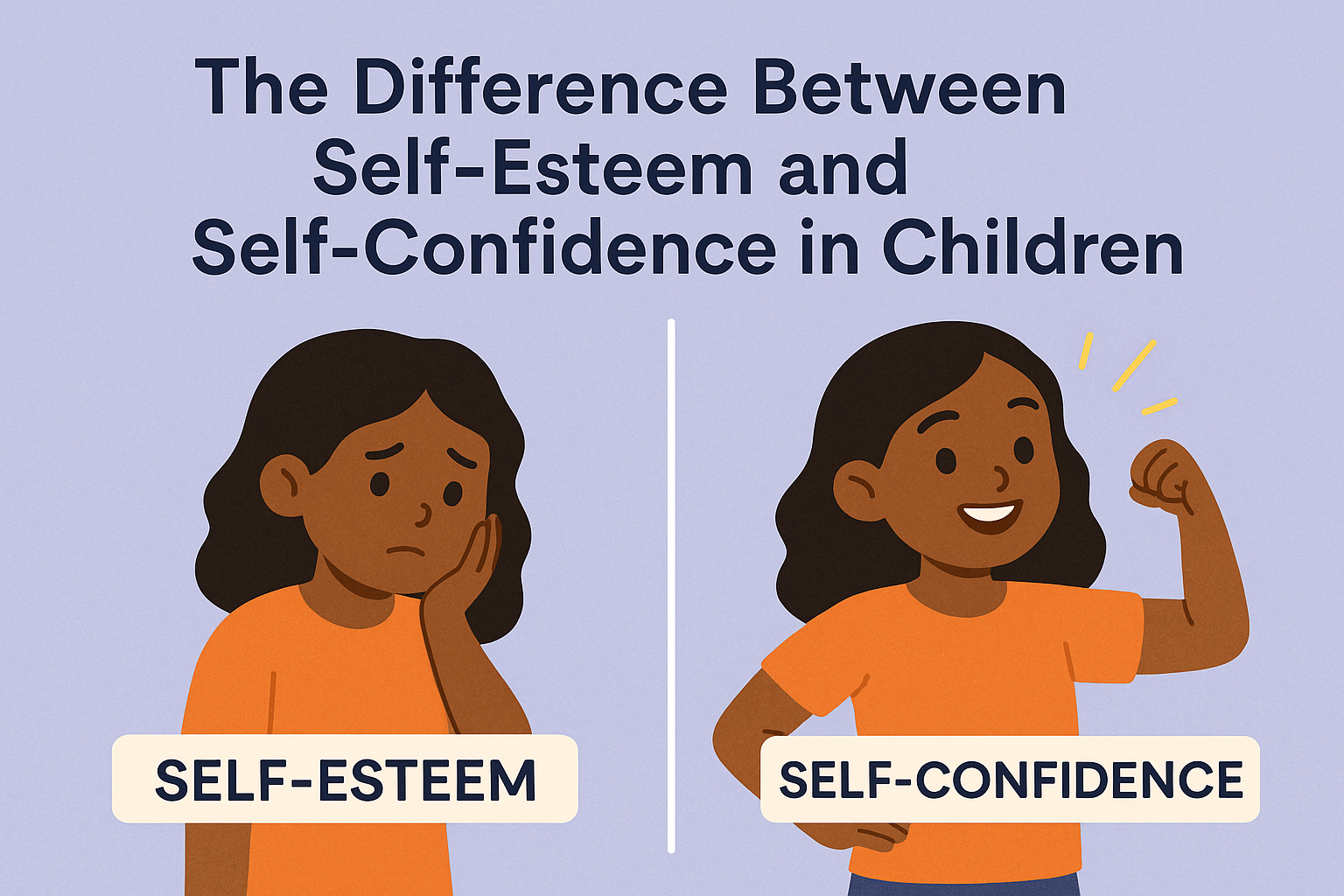

Introduction to Self-Esteem and Self-Confidence
When it comes to nurturing children, two terms often come up in discussions among parents, educators, and psychologists: self-esteem and self-confidence. While they might seem interchangeable, they encompass different aspects of a child’s emotional and psychological landscape. Understanding the nuances between self-esteem vs self-confidence in children can help parents provide better support and guidance as their children navigate the complex world.
Defining Self-Esteem
Self-esteem refers to how a child perceives their own worth. It’s an internal gauge of value that often develops in early childhood and can fluctuate based on experiences, relationships, and achievements. A child with high self-esteem believes they are worthy of happiness and success. They feel valued and consider themselves capable of facing challenges. Conversely, a child with low self-esteem may struggle with feelings of inadequacy and self-doubt, often leading to reluctance in trying new experiences.
Psychologist Nathaniel Branden defines self-esteem as “the reputation we acquire with ourselves.” This self-reputation is rooted in our beliefs and opinions about ourselves. Children with healthy self-esteem often express their emotions freely, engage positively with peers, and have a sense of belonging. In contrast, low self-esteem can lead to isolation, fear of failure, and challenges in forming relationships.
Defining Self-Confidence
Self-confidence, on the other hand, is more about the belief in one’s abilities and skills. It’s contextual and can vary greatly from one situation to another. For instance, a child may feel confident in their ability to play soccer but lack confidence in their academic performance. This distinction is crucial when discussing self-esteem vs self-confidence in children.
While self-esteem is an overarching sense of worth, self-confidence is tied to specific skills and experiences. Children who are encouraged to develop their abilities, whether in sports, academics, or the arts, often build self-confidence through practice and reinforcement. Achievements—even small ones—can significantly bolster a child’s self-confidence.
How Self-Esteem and Self-Confidence Interact
The relationship between self-esteem and self-confidence is intricate. Healthy self-confidence can enhance self-esteem; when children succeed in tasks they feel capable of handling, they affirm their worthiness. Conversely, a strong sense of self-esteem can improve self-confidence, as children who value themselves are more likely to take risks and challenge themselves in various activities.
However, these concepts can also function independently. A child may have high self-esteem but low self-confidence, particularly if they struggle to translate their self-worth into real-world abilities. Similarly, a child can exhibit high self-confidence in certain areas while grappling with low self-esteem overall. Recognizing these dynamics is essential for fostering both attributes effectively.
The Role of Parenting in Developing Self-Esteem and Self-Confidence
Parents play a pivotal role in shaping both self-esteem and self-confidence in their children. The way parents communicate, offer feedback, and engage in their children’s lives can significantly impact how children view themselves. (See: CDC resources on mental health in children.)
- Positive Reinforcement: Offering praise and acknowledgment when children succeed or make efforts, regardless of the outcome, can build both self-esteem and self-confidence.
- Encouragement to Try New Things: Encouraging children to step outside their comfort zones helps build resilience and fosters self-confidence. Whether it’s trying a new sport or tackling a challenging school project, support from parents can make a big difference.
- Modeling Behavior: Parents who exhibit healthy self-esteem and self-confidence tend to pass these traits on to their children. When kids see their parents handle challenges assertively and bounce back from failures, they learn valuable lessons about self-worth and capability.
Challenges Children Face
In today’s world, children face myriad challenges that can affect their self-esteem and self-confidence. Social media, academic pressures, and peer comparisons often contribute to feelings of inadequacy. Studies indicate that children with high exposure to social media are more likely to experience negative self-perception compared to those who engage less with it.
Moreover, the pressure to excel in various fields—academically, socially, and athletically—can lead to anxiety and diminished self-worth. For instance, children who receive constant comparisons to their peers might internalize the idea that they don’t measure up, impacting their self-esteem significantly. Similarly, children who struggle with learning differences or disabilities might find their self-confidence shaken, especially if they feel judged by others.
Strategies to Foster Healthy Self-Esteem and Self-Confidence
Fortunately, parents and caregivers can adopt strategies to help children cultivate both self-esteem and self-confidence. Here are some actionable insights:
- Open Communication: Encouraging children to express their feelings fosters an environment of trust where they can talk about their insecurities and fears. Active listening without judgment enhances their self-worth.
- Set Realistic Expectations: Help children set attainable goals. When they achieve these smaller goals, it can boost their self-confidence and reinforce their belief in their abilities.
- Promote a Growth Mindset: Teach children that abilities can improve with effort and practice. Emphasizing improvement over perfection helps them value their efforts and learn from mistakes.
- Celebrate Achievements: Acknowledging even the smallest successes can reinforce a child’s sense of accomplishment and worth. This practice can significantly bolster both self-esteem and self-confidence.
The Importance of Balance
In the debate of self-esteem vs self-confidence in children, finding a balance between the two is crucial. Overemphasis on self-esteem without the corresponding development of self-confidence can lead to unrealistic self-perceptions. For instance, children might believe they are worthy of success without the necessary skills to achieve it, leading to disappointment. For more on this, see impact of teacher feedback.
On the flip side, fostering self-confidence in the absence of self-esteem can create conditions for children to feel worthy only when they succeed. This can lead to anxiety and fear of failure, which stunts growth in both personal and professional realms. Therefore, it’s vital to instill both attributes together, allowing children to appreciate their worth while feeling capable of taking on challenges.
The Role of Education in Building Self-Esteem and Self-Confidence
Education systems also play a significant role in shaping children’s self-esteem and self-confidence. Schools are often where children first interact with peers outside of their family. The environment created by educators can either foster a sense of belonging or contribute to feelings of inadequacy.
For instance, teachers who recognize and celebrate individual strengths can help students see their unique value. This acknowledgment is essential in nurturing self-esteem. Additionally, incorporating collaborative projects in the classroom can enhance self-confidence, as children learn to rely on each other’s strengths and work together toward common goals. Research indicates that collaborative learning helps students develop both social skills and a sense of competence.
Real-Life Examples of Self-Esteem and Self-Confidence Development
Understanding the difference between self-esteem and self-confidence can be illustrated through real-life examples. For instance, consider a child named Alex who excels in art but struggles in math. Alex’s self-esteem is generally high due to supportive parents who encourage his artistic expression. However, his self-confidence in math is low, stemming from past struggles and critical feedback from a teacher. In this scenario, Alex’s self-esteem provides a safety net, helping him feel worthy despite academic challenges, while his self-confidence in math needs targeted support. (See: NIH on self-esteem and child development.)
Another example could be Sarah, who participates in a school play. Initially, she is unsure of her acting abilities and feels nervous during auditions. With encouragement from her drama teacher and practice, she gradually builds the confidence to perform well on stage. Successfully acting in the play boosts her self-esteem, making her feel valued and talented. This interplay between her experiences allows Sarah to develop both self-confidence in acting and a stronger sense of self-worth.
Statistics on Self-Esteem and Self-Confidence in Children
Research on self-esteem and self-confidence reveals some telling statistics about children’s emotional health. For example, a survey conducted by the National Institute of Health found that approximately 40% of children experience low self-esteem at some point during their development. Furthermore, studies indicate that children with low self-esteem are 30% more likely to struggle with anxiety and depression as they grow older.
Additionally, a 2021 report from the American Psychological Association highlighted that children with higher self-confidence levels tend to achieve better academic results, with a 25% increase in grades reported among high self-confidence students compared to their peers. This data underscores the importance of fostering both self-esteem and self-confidence in children, as they directly correlate with emotional and academic success.
Common Myths About Self-Esteem and Self-Confidence
There are several myths surrounding self-esteem and self-confidence that can hinder children’s development. One common misconception is that self-esteem can be boosted solely through praise. While positive reinforcement is essential, building a child’s self-esteem also requires creating opportunities for them to experience success and learn from failures.
Another myth is that self-confidence is a fixed trait. In reality, self-confidence can fluctuate based on experiences and environments. When children face challenges, they may feel less confident, but with support and practice, they can regain their confidence. Understanding these myths can help parents and educators take a more constructive approach in nurturing these essential traits in children.
Frequently Asked Questions
What is the difference between self-esteem and self-confidence?
Self-esteem is an overall sense of self-worth, while self-confidence refers specifically to the belief in one’s abilities or skills in certain areas. They are interconnected yet distinct concepts.
How can I help my child build self-esteem and self-confidence?
Encouraging open communication, providing positive reinforcement, setting achievable goals, and modeling healthy self-esteem and confidence behaviors are effective ways to support your child’s emotional development.
Can low self-esteem affect a child’s academic performance?
Yes, low self-esteem can lead to anxiety and reluctance to engage in academic activities, which can negatively impact performance. Children who believe in their worth are more likely to take risks and perform better in school.
Is it possible for a child to have high self-esteem but low self-confidence?
Absolutely. A child may feel worthy and valuable but struggle to believe in their abilities in specific situations, leading to low self-confidence. It’s essential to address both areas for holistic development.
How can schools support self-esteem and self-confidence in students?
Schools can foster self-esteem and self-confidence by creating a supportive environment, encouraging group work, celebrating individual achievements, and providing constructive feedback rather than criticism. youth mental health trends offers useful background here.
Conclusion: Building a Foundation for Future Success
In summary, understanding the difference between self-esteem vs self-confidence in children is essential for parents, educators, and caregivers. Both are foundational traits that contribute to a child’s emotional health, social development, and overall well-being. By fostering a supportive environment and implementing effective strategies, adults can help enrich children’s self-perception and ability to navigate life’s challenges.
Equipping children with high self-esteem and robust self-confidence lays a solid foundation for their future. Those with these qualities are likely to tackle challenges head-on and embrace opportunities, setting the stage for personal and academic success throughout their lives.
Trending Now
Frequently Asked Questions
What is the difference between self-esteem and self-confidence in children?
Self-esteem refers to how a child perceives their own worth and value, while self-confidence is the belief in one's abilities and skills in specific situations. Understanding these differences helps parents support their children's emotional and psychological development effectively.
How can low self-esteem affect a child's behavior?
Children with low self-esteem may experience feelings of inadequacy, leading to reluctance in trying new experiences, social isolation, and fear of failure. This can impact their relationships and overall well-being.
What are some signs of high self-esteem in children?
Children with high self-esteem typically express their emotions freely, engage positively with peers, and have a sense of belonging. They believe they are worthy of happiness and are more willing to face challenges.
Can self-confidence change from one situation to another?
Yes, self-confidence is contextual and can vary significantly based on the situation. For example, a child may feel confident in sports but not in academics, highlighting the specific nature of self-confidence compared to overall self-esteem.
How can parents help improve their child's self-esteem?
Parents can foster healthy self-esteem by providing consistent support, encouraging open communication, celebrating achievements, and helping children navigate challenges. Positive reinforcement and nurturing relationships are key to building a child's self-worth.
What did we miss? Let us know in the comments and join the conversation.



