

“`html
In the landscape of modern education, traditional grading systems are being challenged like never before. Enter competency-based education (CBE), a transformative approach that is reshaping how we think about learning, assessment, and student success. But what exactly is competency-based education, and how does it differ from the traditional methods that have dominated classrooms for decades? This article explores the intricacies of CBE, its foundational principles, and its implications for students and educators alike.
Understanding Competency-Based Education
Competency-based education emphasizes mastery of skills and knowledge over time-based measures. In a traditional educational setting, grades are often assigned based on a one-size-fits-all model that typically evaluates students on their performance in timed exams and assignments. However, competency-based education shifts the focus to what students actually learn and can demonstrate, rather than how much time they spend in class.
CBE is structured around clear learning outcomes and competencies, which students must demonstrate to progress. This model allows for personalized learning paths, enabling students to advance at their own pace. As a result, students who grasp concepts quickly can move forward without waiting for their peers, while those who need more time have the opportunity to deepen their understanding without the pressure of a ticking clock. best practices for personalized learning offers useful background here.
The Core Principles of CBE
At the heart of competency-based education are several key principles that differentiate it from traditional grading systems:
- Mastery Learning: Students must demonstrate a thorough understanding of a subject before advancing to the next level. This ensures that foundational concepts are firmly grasped and reduces knowledge gaps.
- Customized Learning Paths: CBE allows for tailored education experiences, catering to individual learning speeds and styles. This adaptability can be especially beneficial for students with diverse needs.
- Flexible Assessment: Assessments in CBE are varied and can include projects, presentations, and practical applications, rather than being confined to standardized tests.
- Clear Outcomes: Competencies are clearly defined, letting students know what is expected of them and providing a roadmap for their learning journey.
- Continuous Feedback: Regular feedback helps students understand their progress and areas needing improvement, fostering a growth mindset.
How CBE Differs from Traditional Grading
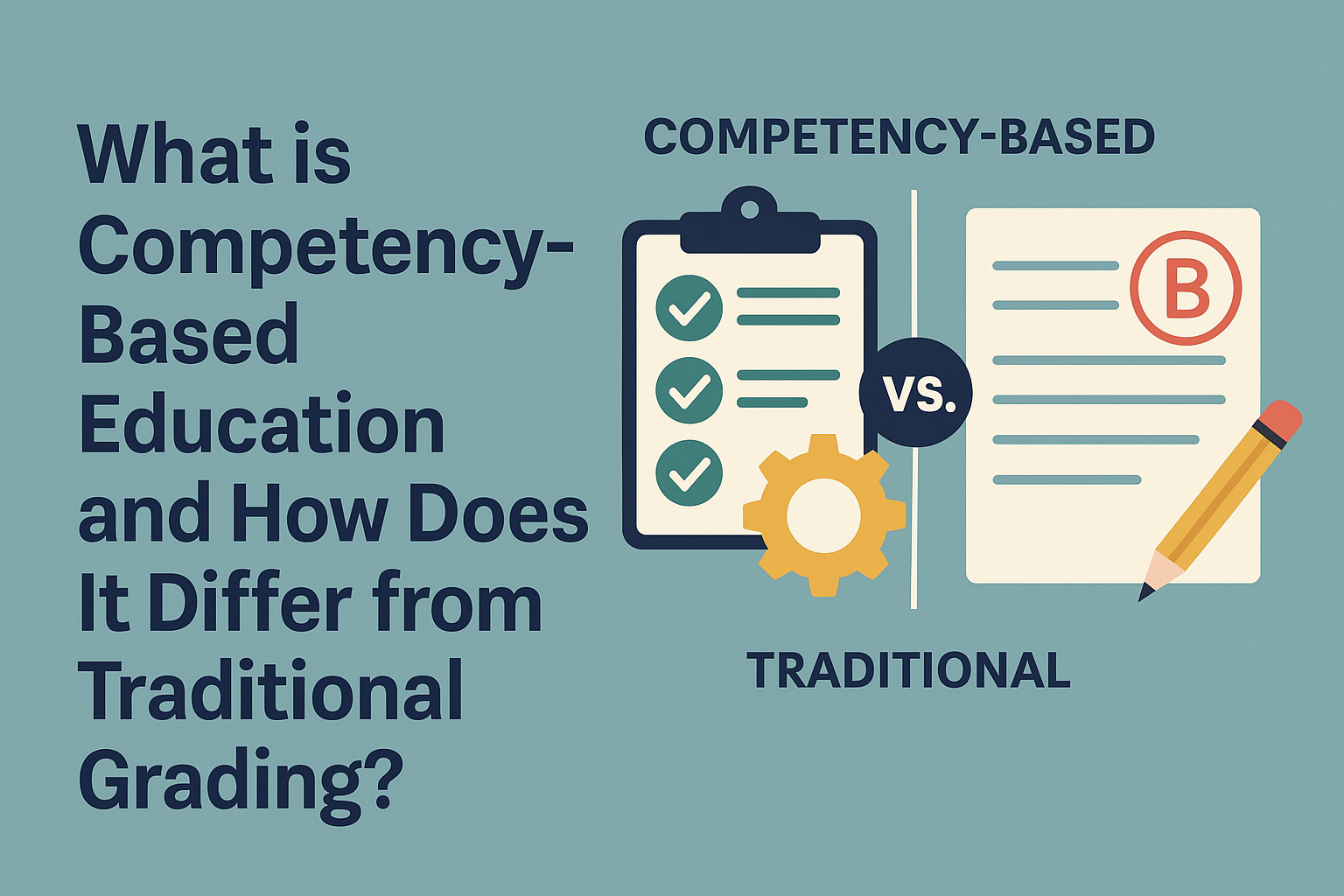
The contrast between competency-based education and traditional grading methods is stark. In a traditional setting, grades often reflect a combination of attendance, participation, homework completion, and exam performance. This can lead to situations where students who may have mastered the content still receive low grades due to poor performance in non-academic areas.
In contrast, CBE is more transparent and focused on actual competency. Here are several key differences:
- Focus on Learning: Traditional grading often emphasizes memorization and recall, while CBE prioritizes understanding concepts and applying knowledge.
- Time vs. Mastery: Traditional systems often reward time spent in the classroom rather than actual learning. CBE allows students to progress once they demonstrate mastery, irrespective of how long it takes.
- Holistic Assessment: CBE uses varied forms of assessment, such as portfolios and real-world projects, providing a more complete picture of a student’s abilities.
- Personalized Progression: Students in traditional education typically move through the curriculum at the same pace, regardless of individual understanding. In CBE, progression is based on achieving specific competencies.
Current Relevance of Competency-Based Education
Competency-based education is gaining traction in various educational institutions, from K-12 systems to higher education. The growing demand for skilled professionals and the ever-evolving job market necessitate an educational approach that equips students with relevant skills.
As industries increasingly prioritize practical skills and competencies over degrees alone, CBE responds to that need. For instance, companies like Google and IBM have begun hiring based on skill sets rather than traditional degrees, emphasizing the importance of competency-based education in preparing students for the workforce.
Moreover, the COVID-19 pandemic has accelerated the shift towards online learning and flexible educational models. The adaptability of competency-based education makes it particularly relevant in this new landscape, where remote learning has become the norm for many students. (See: Competency-Based Education Overview.)
Challenges and Criticisms of CBE
While the advantages of competency-based education are clear, it isn’t without its challenges. Implementing CBE requires significant changes in curriculum design, assessment methods, and educator training. Some educators may resist a shift away from familiar grading systems, fearing it could lead to less accountability or rigor.
Additionally, ensuring that all students have equal access to resources necessary for succeeding in a CBE framework is critical. Students from disadvantaged backgrounds might lack access to technology or supportive home environments that facilitate self-paced learning, which could exacerbate educational inequalities.
There’s also the challenge of clearly defining competencies in a way that is comprehensive yet specific enough to be measurable. If competencies are too vague or broad, they may not effectively guide both teaching and learning.
Implementing Competency-Based Education
For educators and institutions looking to implement competency-based education, several strategies can facilitate a smooth transition:
- Define Clear Competencies: Establish specific, measurable competencies that align with both academic standards and industry needs.
- Train Educators: Provide professional development for educators to help them understand and effectively implement CBE practices.
- Incorporate Technology: Utilize educational technology platforms that support personalized learning and tracking of student progress.
- Engage Stakeholders: Involve students, parents, and the community in the development and implementation of CBE initiatives to ensure buy-in and support.
- Monitor and Adjust: Continually assess the effectiveness of CBE practices and be willing to make adjustments based on student outcomes and feedback.
Real-World Examples of CBE
Several institutions have successfully adopted competency-based education, providing valuable insights into its implementation and impact. For example, Western Governors University (WGU) is a fully online university that has embraced CBE. WGU allows students to progress through their degree programs as they demonstrate mastery of competencies, combining assessments, projects, and practical applications.
Another example is the Summit Public Schools, which has incorporated CBE into their K-12 curriculum. Their model focuses on personalized learning, allowing students to advance upon demonstrating mastery of specific skills while tailoring educational experiences to individual needs.
These institutions showcase how competency-based education can effectively enhance learning, engagement, and outcomes for students across various educational levels.
Future Considerations for CBE
As competency-based education continues to evolve, several future considerations are worth noting. One significant aspect is the need for ongoing research into the effectiveness of CBE models. Studies that examine long-term outcomes, including job placement rates and career success among graduates, could provide critical data to support or challenge the efficacy of CBE.
Additionally, the role of technology in CBE will likely expand. Learning management systems that provide analytics on student progress can help educators identify areas where students struggle, allowing for targeted intervention and support. These advancements can make the CBE experience more personalized and responsive to individual student needs. (See: Understanding Competency-Based Education.)
Statistics Supporting CBE
The shift toward competency-based education is not just anecdotal; it’s backed by data. According to a 2021 report from the National Center for Education Statistics, institutions utilizing CBE saw a 20% increase in student retention rates compared to traditional programs. Additionally, a survey conducted by Eduventures found that 72% of educational leaders believe that CBE will become a dominant model in higher education within the next decade.
Such statistics highlight the growing belief in the effectiveness of competency-based education and its potential to reshape the educational landscape.
Expert Perspectives on CBE
Educators and thought leaders in the field of education have begun to voice their support for competency-based education. Dr. Rachael M. A. Williams, a professor of education at a leading university, states, “CBE empowers students to take charge of their own learning. It recognizes that each student’s journey is unique and allows for a more individualized approach to education.”
Similarly, Michael Crow, President of Arizona State University, emphasizes the need for adaptable learning models, stating, “In an age where information is abundant and evolving, education must shift from rigid structures to more flexible, competency-based frameworks that prepare students for real-world challenges.”
FAQ About Competency-Based Education
What are the key benefits of competency-based education?
Competency-based education offers several benefits, including personalized learning paths, focus on mastery, flexible assessments, and continuous feedback. These elements can lead to better engagement and higher retention rates among students.
How can parents support their children in a CBE environment?
Parents can support their children by staying engaged with their learning processes, helping them set personal goals, and providing the resources they need to succeed. Encouragement and open communication about their progress can also foster a positive learning experience.
Are there specific subjects that work better with CBE?
While CBE can be applied across subjects, it tends to be particularly effective in areas that require practical skills, such as STEM fields, healthcare, and vocational training. However, it can also enhance learning in liberal arts through project-based assessments and interdisciplinary approaches.
What are some potential drawbacks of CBE?
Some potential drawbacks include challenges in implementing standardized measurements for competencies, the need for significant training for educators, and ensuring equitable access to resources for all students. Addressing these issues is crucial for the success of CBE programs. (See: NIH on Education Competency Models.)
Additional Insights on Competency-Based Education
As more educational institutions explore competency-based education, there are some important insights that can help shape effective implementations. One of the most pressing considerations is the need for collaboration among educators, industry professionals, and policymakers. This collaboration ensures that the competencies defined in educational programs align with the skills that are in demand in the job market.
For instance, partnerships with local businesses can provide students with experiential learning opportunities that reinforce classroom learning. Programs can incorporate internships, mentorships, and project-based learning experiences that directly relate to industry needs. Such collaborations not only enhance student learning but also create a talent pipeline for employers.
The Role of Technology in CBE
Technology plays an integral role in the successful implementation of competency-based education. Learning management systems (LMS) can help track student progress in real-time, allowing educators to identify which competencies students have mastered and where they may need additional support. This data-driven approach to education ensures that instruction is tailored to individual student needs.
Moreover, online resources and educational platforms can facilitate access to a diverse range of learning materials. Whether it’s videos, interactive simulations, or online quizzes, technology provides students with various ways to engage with content. This flexibility can lead to a deeper understanding of the material as students can explore subjects at their own pace.
Conclusion: The Future of Competency-Based Education
As we look ahead, the relevance of competency-based education cannot be overstated. With its emphasis on mastery learning, personalized pathways, and flexible assessment methods, CBE holds the potential to transform education in profound ways. As more institutions recognize the need for skills-based education and as the workforce evolves, adopting CBE principles may become not just beneficial, but essential for preparing students for the challenges of tomorrow. Related reading: insights on student success.
Ultimately, competency-based education represents a pivotal shift toward a more equitable and effective educational system, one that prioritizes what truly matters: the ability to learn, adapt, and succeed in an ever-changing world.
“`
Trending Now
Frequently Asked Questions
What is competency-based education?
Competency-based education (CBE) focuses on students mastering specific skills and knowledge rather than adhering to a traditional time-based grading system. It emphasizes learning outcomes and allows students to advance at their own pace once they demonstrate proficiency in a subject.
How does competency-based education differ from traditional grading?
Unlike traditional grading, which often relies on timed exams and assignments, competency-based education evaluates students based on their ability to demonstrate mastery of skills. This approach allows for personalized learning paths and reduces pressure by enabling students to learn at their own speed.
What are the benefits of competency-based education?
The benefits of competency-based education include personalized learning experiences, mastery learning that ensures foundational concepts are understood, and the ability for students to progress at their own pace. This model can reduce knowledge gaps and cater to individual learning styles.
Is competency-based education suitable for all students?
Competency-based education can be particularly beneficial for students who thrive in personalized learning environments. It allows for tailored experiences, making it suitable for diverse learning styles. However, its effectiveness can vary based on individual needs and preferences.
What principles underlie competency-based education?
Key principles of competency-based education include mastery learning, which ensures thorough understanding before advancing, and customized learning paths that adapt to individual learning speeds and styles. These principles differentiate CBE from traditional educational approaches.
What’s your take on this? Share your thoughts in the comments below — we read every one.


