
“`html
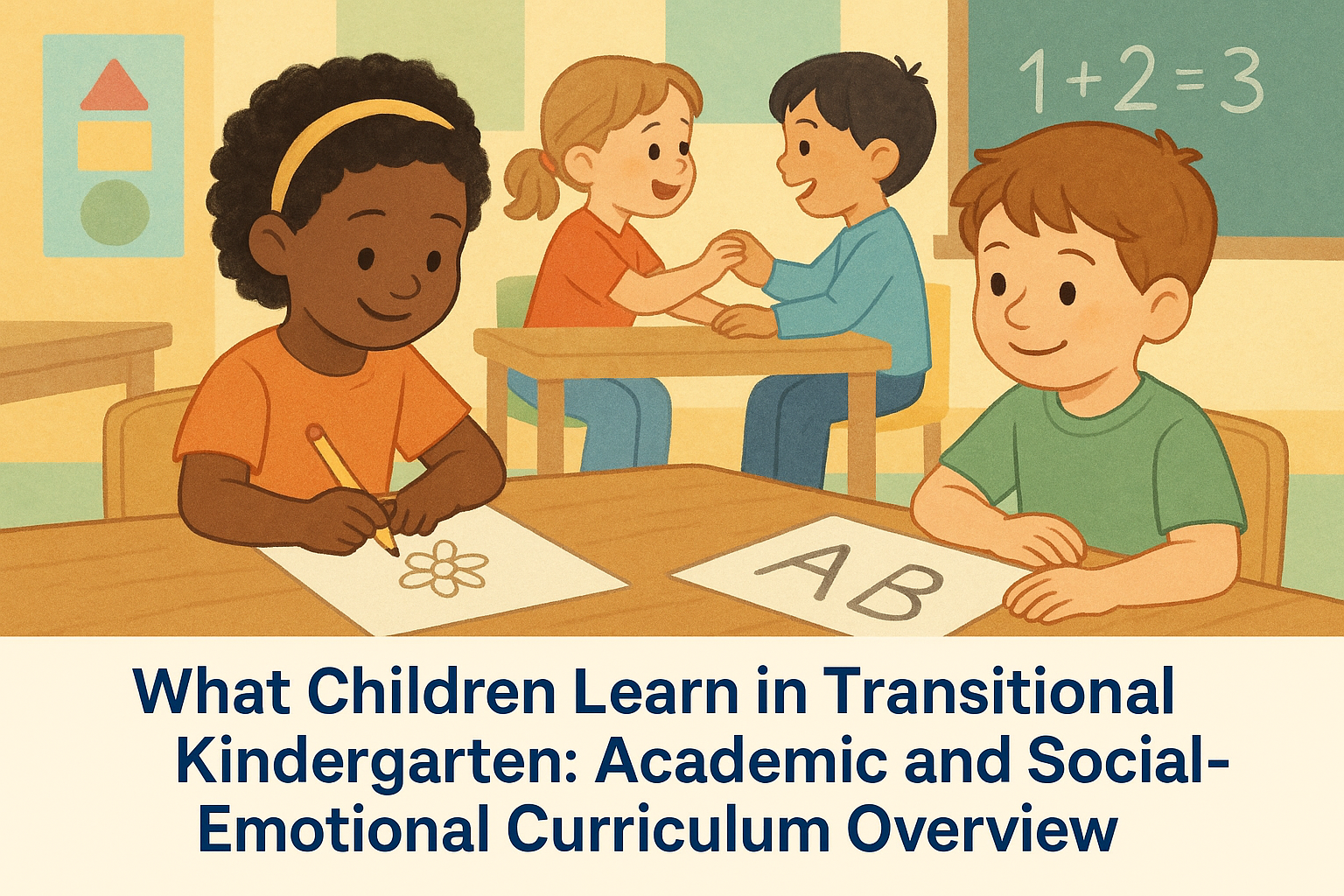
As parents, we all want the best educational start for our children. That’s why understanding the transitional kindergarten curriculum is so crucial. Transitional kindergarten (TK) acts as a bridge between preschool and traditional kindergarten, designed specifically for young learners who may need extra time to build essential skills before diving into the more structured environment of kindergarten. This article explores what children learn in transitional kindergarten, focusing on both academic and social-emotional development.
Understanding the Concept of Transitional Kindergarten
Transitional kindergarten isn’t just another grade; it’s a thoughtfully designed program that caters to children who turn five between September and December, allowing them to develop at their own pace. The program emphasizes readiness, providing a smoother transition into formal education. In many districts, TK serves as a crucial starting point for those who may not be quite ready for the expectations of a traditional kindergarten setting.
Across the United States, many states have embraced TK, recognizing its value. California was one of the first to implement a statewide TK program, which has inspired others to follow suit. The curriculum is often guided by state standards, but it focuses on developmental appropriateness, ensuring that children are engaged and learning effectively. So, what does this curriculum look like?
Academic Focus: Building a Strong Foundation
The transitional kindergarten curriculum is rich in academic content, but it’s delivered in a way that feels natural and playful to the students. The goal is to ignite curiosity and promote a love of learning. Here are some key areas of focus:
- Language and Literacy: Children are introduced to the alphabet, phonemic awareness, and vocabulary development. They learn through stories, songs, and interactive reading sessions, which enhances their comprehension and communication skills.
- Mathematics: Basic concepts like counting, number recognition, and simple addition and subtraction are introduced. Activities might include using manipulatives, games, and visual aids to make math fun and engaging.
- Science and Exploration: TK students begin to explore the world around them, engaging in hands-on activities that encourage observation, questioning, and experimentation. Simple experiments and nature walks can ignite a passion for the sciences.
- Social Studies: Understanding community and relationships is introduced, helping children learn about their roles within various social contexts. Activities might include discussing family structures, community helpers, and cultural traditions.
Effective teaching methods in transitional kindergarten focus on play-based learning. Children learn best when they’re actively engaged, so lessons are often embedded in games and hands-on activities that make learning feel seamless and enjoyable.
Social-Emotional Learning: The Heart of Transitional Kindergarten
While academic skills are essential, the transitional kindergarten curriculum places a strong emphasis on social-emotional learning (SEL). This aspect is vital for developing well-rounded, resilient children. Here’s how TK addresses SEL: (See: Children's mental health in early childhood.)
- Building Relationships: Children learn to interact with peers and adults, fostering friendships and understanding social cues. Teachers guide them through sharing, taking turns, and resolving conflicts, crucial skills for future social interactions.
- Self-Regulation: TK encourages children to recognize and manage their emotions. Through structured activities and discussions, they learn to express feelings appropriately and cope with challenges, which is foundational for emotional health.
- Empathy and Kindness: Teaching children to understand and respect differences is an integral part of the curriculum. Activities may involve storytelling and role-playing to illustrate empathy, helping children appreciate the perspectives of others.
- Confidence and Independence: Opportunities for choice-making and problem-solving in the classroom empower children, boosting their self-esteem. When they feel successful, they’re more likely to take risks and tackle new challenges.
Research has shown that strong social-emotional skills correlate with academic success. By focusing on SEL in transitional kindergarten, educators are setting the stage for lifelong learners who can navigate both academic and personal challenges.
Curriculum Structure: The Day-to-Day Experience
The daily routine in a transitional kindergarten classroom is intentionally structured yet flexible, allowing for a balance between guided instruction and free exploration. Here’s an overview of what a typical day might look like:
- Circle Time: This is usually where the day begins. Children gather to discuss the day’s agenda, share experiences, and engage in group activities, helping them develop listening skills and group dynamics.
- Learning Centers: Classrooms are often divided into various learning centers focusing on different subjects—like reading, math, art, and science—allowing children to choose activities that interest them.
- Whole Group Instruction: Teachers lead lessons that involve all students. This time may include storytelling, music, or specific skill-teaching sessions that require focused attention.
- Outdoor Play: Physical activity is essential for development. Outdoor play encourages movement, social skills, and helps to develop gross motor skills.
- Snack Time: This is an important social activity. Children practice self-help skills, such as pouring their drinks and sharing snacks, while developing social norms around eating together.
The structure of the day provides a sense of security and routine, which is crucial for young learners. However, teachers remain adaptable, recognizing that children may need to spend more time on certain activities or may become more engaged in spontaneous play learning.
The Role of Play in Transitional Kindergarten Curriculum
Play is often referred to as the “work of children,” and in transitional kindergarten, it’s more than just fun; it’s an educational approach central to the curriculum. Through play, children hone their problem-solving skills, creativity, and social abilities. Here’s how play is integrated into learning:
- Imaginative Play: Whether engaging in role play or building with blocks, children develop critical thinking and negotiation skills as they create scenarios and work together to resolve challenges.
- Structured Play: Activities designed with specific educational goals in mind, such as games that promote counting or literacy, introduce concepts in a fun and engaging manner.
- Physical Play: Activities that promote movement, such as climbing or running, improve motor skills and foster teamwork, essential for social development.
By blending play with academic goals, transitional kindergarten not only makes learning enjoyable but also effective. Children are more likely to retain information and develop a lifelong love for learning when it’s wrapped in play.
Current Relevance and Trends in Transitional Kindergarten Curriculum
As education continues to evolve, the relevance of transitional kindergarten has gained more attention, especially as parents and educators seek ways to best support early learners. Recent trends in the transitional kindergarten curriculum include:
- Incorporating Technology: While maintaining a strong emphasis on play-based learning, some classrooms have begun integrating technology, such as tablets and educational apps, to enhance learning experiences.
- Cultural Inclusivity: As classrooms become more diverse, there’s a growing focus on including various cultures and languages in the curriculum, promoting inclusivity and respect for all backgrounds.
- Parent Engagement: Many programs are placing an increased focus on involving parents in the educational process, providing resources and strategies for home reinforcement of what children are learning in TK.
With a growing body of research supporting the benefits of transitional kindergarten, more states are considering adopting similar programs. This is a positive trend, as it offers children a strong foundation for their educational journey. (See: Developmental milestones in early childhood.)
Understanding the Long-Term Benefits of Transitional Kindergarten
The advantages of participating in transitional kindergarten extend far beyond the classroom. Research indicates that children who attend TK are often better prepared for the rigors of traditional kindergarten and beyond. Studies have shown that these students tend to perform better academically in later grades, demonstrating higher proficiency in areas like literacy and math.
Additionally, the social-emotional skills developed in TK foster resilience. Students are more likely to handle challenges effectively and demonstrate positive behaviors in school settings. A report from the National Center for Education Statistics found that students who participated in pre-K programs, including TK, were less likely to face disciplinary actions compared to their peers who did not.
One compelling statistic comes from a study conducted by researchers at Stanford University, which found that students who attended transitional kindergarten were 20% more likely to score proficient in reading and math by the end of third grade than those who did not. This illustrates the potential long-lasting impact of early education.
Frequently Asked Questions about Transitional Kindergarten Curriculum
What age group is transitional kindergarten designed for?
Transitional kindergarten typically serves children who turn five between September and December. However, eligibility can vary by district, so it’s best to check with local schools or educational authorities.
How does transitional kindergarten differ from traditional kindergarten?
Transitional kindergarten focuses on developmental readiness, offering a play-based curriculum that allows children to build foundational skills at their own pace. Traditional kindergarten, on the other hand, is more structured and may require children to meet certain academic expectations from the onset.
What should I look for in a transitional kindergarten program?
When selecting a TK program, consider factors such as class size, teacher qualifications, curriculum structure, and how well the program integrates social-emotional learning. Additionally, it’s beneficial to look for programs that foster parent involvement and community engagement.
Can children with special needs benefit from transitional kindergarten?
Absolutely. Transitional kindergarten can be tailored to meet the needs of children with varying abilities, providing an inclusive environment where all children can thrive. Individualized support can help ensure that children with special needs receive the attention and resources they require to succeed.
How can parents support their child’s learning in transitional kindergarten?
Parents can play a crucial role in their child’s TK experience by engaging in daily reading, encouraging open discussions about feelings and social interactions, and reinforcing the learning concepts introduced in school. Creating a positive and nurturing home environment enhances the curriculum’s effectiveness.
What resources are available for teachers implementing transitional kindergarten?
Teachers can access a wealth of resources tailored to transitional kindergarten. Professional development workshops, online courses, and educational guides offer strategies for effective implementation of the curriculum. Collaborating with experienced educators and participating in professional learning communities can also enhance teaching practices.
The Value of Transitional Kindergarten
Transitional kindergarten serves as a pivotal phase in early childhood education, addressing both academic and social-emotional needs. By providing a nurturing environment where children can explore, learn, and grow, the transitional kindergarten curriculum equips young learners with the tools they need for future success. As educators and parents continue to recognize its value, transitional kindergarten is likely to become a staple in the educational landscape, giving children the best possible start on their academic journeys.
“`
Trending Now
Frequently Asked Questions
What is the purpose of transitional kindergarten?
Transitional kindergarten (TK) serves as a bridge between preschool and traditional kindergarten, designed for children who may need extra time to develop essential skills. It emphasizes readiness and provides a smoother transition into formal education, catering to young learners who turn five between September and December.
What do children learn in transitional kindergarten?
In transitional kindergarten, children learn foundational academic skills such as language and literacy, math, and social-emotional development. The curriculum is designed to be engaging and playful, fostering curiosity and a love of learning while preparing them for the expectations of traditional kindergarten.
How does transitional kindergarten benefit children?
Transitional kindergarten benefits children by providing a developmentally appropriate learning environment that allows them to grow at their own pace. It focuses on readiness and helps children build essential social-emotional skills, ensuring they are better prepared for the structured setting of traditional kindergarten.
Is transitional kindergarten the same as preschool?
No, transitional kindergarten is not the same as preschool. While both focus on early childhood education, TK is a formal program that prepares children for kindergarten by emphasizing academic readiness and social-emotional skills, specifically designed for those who may need more time before entering traditional kindergarten.
What curriculum standards guide transitional kindergarten?
The curriculum in transitional kindergarten is often guided by state standards but focuses on developmental appropriateness. It aims to engage children in learning through play and exploration, ensuring that the academic content is delivered in a natural and enjoyable manner.
What’s your take on this? Share your thoughts in the comments below — we read every one.