
“`html
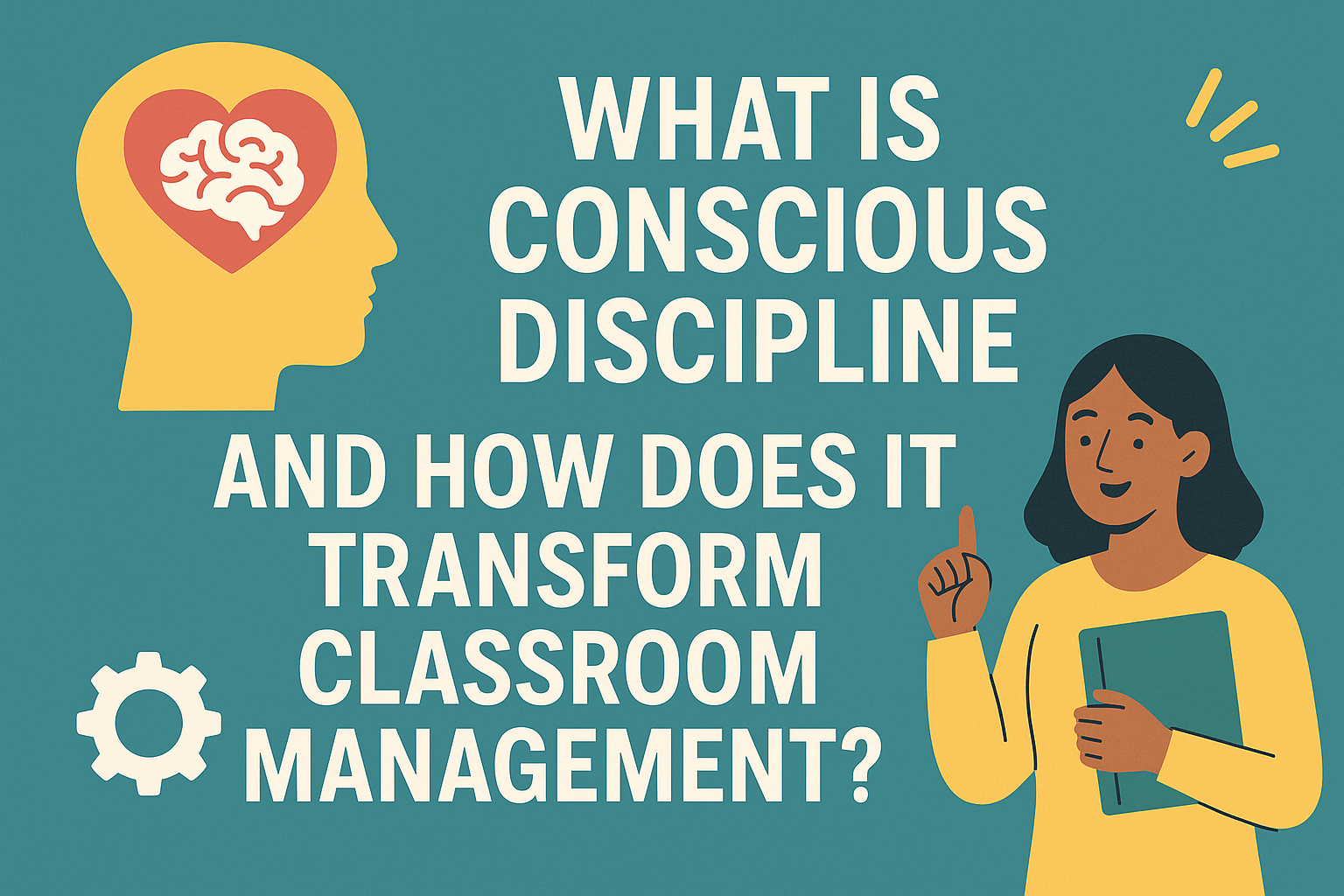
In today’s educational environment, effective classroom management is more important than ever. Educators face challenges that require innovative strategies to foster a positive learning atmosphere. One such approach that has been gaining traction is conscious discipline classroom management. This methodology combines social-emotional learning, discipline, and self-regulation techniques to create a supportive environment where students can thrive. But what exactly is conscious discipline, and how can it transform classroom management?
What is Conscious Discipline?
Conscious Discipline is a comprehensive, trauma-informed approach to social-emotional learning, discipline, and self-regulation developed by Dr. Becky Bailey, a clinical psychologist and educator. Rooted in neuroscience, psychology, and education, this framework emphasizes the importance of emotional intelligence and self-regulation among both educators and students.
Unlike traditional discipline methods that rely on punishment and rewards, conscious discipline promotes a proactive and relational approach. It encourages educators to foster connections with students and help them cultivate emotional awareness and self-control. By implementing conscious discipline, educators can create an environment that fosters trust, safety, and emotional well-being.
The Core Components of Conscious Discipline
To fully understand how conscious discipline transforms classroom management, it’s essential to explore its core components. These elements are designed to promote a holistic approach to education, integrating emotional and social development within the academic framework.
- Safety: The foundation of conscious discipline is safety—both physical and emotional. Educators are encouraged to create a classroom environment that prioritizes safety, allowing students to feel secure and supported. This can be achieved through establishing clear boundaries and predictable routines.
- Connection: Building meaningful relationships is crucial. Conscious discipline emphasizes the importance of connecting with students through positive interactions, understanding their backgrounds, and being responsive to their emotional needs.
- Self-Regulation: The framework teaches students techniques to manage their emotions and behaviors. Self-regulation skills help them navigate challenges and conflicts constructively, contributing to a positive classroom atmosphere.
- Problem-Solving: Instead of punitive measures, conscious discipline encourages collaborative problem-solving. Educators guide students to reflect on their actions, understand consequences, and find solutions together.
- Social-Emotional Learning (SEL): Integrating SEL into the curriculum is a key aspect of conscious discipline. This includes teaching skills like empathy, emotional awareness, and conflict resolution, allowing students to develop key life skills.
The Benefits of Implementing Conscious Discipline in the Classroom
Implementing conscious discipline classroom management offers numerous benefits, not only for student behavior but also for the overall classroom environment. Here are some key advantages:
Improved Student Behavior
One of the most significant benefits is a noticeable improvement in student behavior. As students learn to recognize and regulate their emotions, they become less reactive and more equipped to handle conflicts. This shift leads to a decrease in disruptive behaviors, creating a more conducive learning environment.
Stronger Relationships
Conscious discipline fosters stronger relationships between teachers and students. When educators take the time to connect with their students and understand their needs, students are more likely to feel valued and respected. This sense of belonging significantly enhances engagement and motivation.
Enhanced Emotional Intelligence
Emotional intelligence is a crucial skill for success in both education and life. By incorporating conscious discipline, educators help students develop self-awareness, empathy, and emotional regulation. These skills are invaluable as students navigate academic challenges and interpersonal relationships.
Academic Success
Research has shown that when students feel safe and supported, their academic performance improves. The focus on social-emotional learning within conscious discipline contributes to better concentration, motivation, and a willingness to participate in class. This, in turn, leads to higher academic achievement. (See: Mental Health and Youth.)
Practical Strategies for Implementing Conscious Discipline
Integrating conscious discipline into the classroom may seem daunting at first, but there are practical strategies that educators can adopt to facilitate this transformation. Here are some actionable insights for implementing conscious discipline:
1. Establish a Safe Space
Creating a safe and inviting classroom environment is the first step in implementing conscious discipline. Arrange the classroom to promote comfort, and ensure students understand the boundaries and expectations. This might include a designated quiet area where students can retreat when feeling overwhelmed.
2. Model Emotional Awareness
Teachers play a pivotal role in modeling emotional awareness and regulation. Share your feelings and experiences with students, demonstrating how to express emotions constructively. This encourages students to recognize and articulate their feelings in a healthy manner.
3. Teach Calm Down Techniques
Provide students with tools to manage their emotions effectively. Techniques such as deep breathing, mindfulness practices, and positive affirmations can help students regain control during moments of distress. Regularly practicing these techniques can reinforce their importance.
4. Incorporate Collaborative Problem-Solving
Encourage students to work collaboratively to solve conflicts. When issues arise, guide students through a reflective process that involves discussing the problem, considering different perspectives, and brainstorming solutions together. This not only promotes problem-solving skills but also fosters a sense of community.
5. Continuous Professional Development
Educators must engage in ongoing professional development to fully embrace conscious discipline. Workshops, seminars, and peer collaboration can provide valuable insights and support. Understanding the underlying principles and techniques is crucial for effective implementation.
Challenges and Considerations
While conscious discipline offers many benefits, it’s essential to acknowledge that implementing this approach can come with challenges. Here are a few considerations for educators:
1. Resistance to Change
Some educators may be resistant to shifting away from traditional discipline methods. Addressing this resistance requires a clear understanding of the benefits of conscious discipline and how it aligns with modern educational goals.
2. Time Commitment
Integrating conscious discipline into existing curricula may require additional time and effort. Educators need to be prepared to invest time in training, planning, and adapting lessons to include social-emotional learning.
3. Consistency Across Staff
For conscious discipline to be effective, consistency across all staff members is crucial. School-wide adoption and support from administrators can help create a unified approach, ensuring that students receive consistent messages about emotional regulation and behavior.
Current Relevance and Future Directions
In an era where mental health and emotional well-being are at the forefront of educational discussions, conscious discipline classroom management remains highly relevant. The increasing prevalence of mental health challenges among students underscores the need for approaches that prioritize emotional intelligence and self-regulation.
As schools continue to evolve, the integration of conscious discipline may expand beyond individual classrooms. District-wide initiatives that promote social-emotional learning can lead to systemic changes in how educators approach student behavior and emotional health. The potential for conscious discipline to reshape educational practices is significant, and its impact can resonate far beyond the classroom.
Frequently Asked Questions (FAQ)
What age groups can benefit from conscious discipline?
Conscious discipline is adaptable for all age groups, from preschool to high school. The strategies can be modified to suit the developmental stages of students, ensuring that emotional and social learning is appropriate and effective for each age group.
How can parents support conscious discipline at home?
Parents can reinforce the principles of conscious discipline by modeling emotional regulation, using calm communication, and encouraging their children to express feelings. Sharing techniques like deep breathing or mindfulness can create a consistent framework between home and school.
Is conscious discipline effective for students with special needs?
Yes, conscious discipline can be particularly beneficial for students with special needs. It fosters an understanding environment that emphasizes emotional safety and support, allowing all students to engage and learn at their own pace.
How can technology be integrated into conscious discipline?
Technology can complement conscious discipline by providing resources and tools for emotional learning. Apps that promote mindfulness, interactive storytelling, or social-emotional learning games can enhance the curriculum and engage students in new ways.
What training is necessary for teachers to implement conscious discipline?
Teachers may require training through workshops, online courses, or mentorship programs focused on conscious discipline principles. This training equips educators with the skills to implement strategies effectively and shifts their mindset towards a more empathetic approach to classroom management.
Can conscious discipline be applied in virtual classrooms?
Absolutely! While the approach may need some adaptation, the core principles of conscious discipline can be effectively used in virtual environments. Educators can maintain emotional connections through video calls, use breakout rooms for small group discussions, and employ online tools to facilitate mindfulness practices.
Real-World Examples of Successful Implementation
Across various educational settings, numerous schools have successfully implemented conscious discipline strategies, demonstrating its effectiveness in enhancing classroom management and student engagement. For instance, a school district in California reported a 30% reduction in office referrals after adopting conscious discipline practices. Teachers noted that students were more engaged and willing to participate in class activities.
Another example comes from a middle school in Texas, where educators introduced regular “emotion check-ins” at the beginning of each class. Students were encouraged to express their feelings and share any challenges they were facing. This practice fostered a supportive community and allowed teachers to tailor their approach based on students’ emotional needs.
The Role of Community and Culture in Conscious Discipline
Implementing conscious discipline also requires consideration of the community and cultural contexts in which schools operate. Engaging families and community members creates a supportive network that extends beyond the classroom. Schools can host workshops to educate parents about conscious discipline principles, fostering a home-school partnership that reinforces the importance of emotional well-being.
Understanding cultural backgrounds is also key. Many communities have unique emotional expressions and social norms, which should be acknowledged and integrated into conscious discipline practices. By doing so, educators not only respect students’ identities but also enhance the effectiveness of their emotional support strategies.
Conclusion
Conscious discipline represents a transformative approach to classroom management that prioritizes emotional intelligence, relationships, and self-regulation. By fostering a safe and supportive environment, educators can guide students toward becoming more emotionally aware and responsible individuals. While challenges may arise during implementation, the long-term benefits for students, educators, and the overall school community make it a worthwhile endeavor. As we continue to navigate the complexities of education, conscious discipline offers a powerful framework for creating positive, nurturing learning environments.
“`
Trending Now
Frequently Asked Questions
What is the purpose of Conscious Discipline?
The purpose of Conscious Discipline is to create a safe and supportive classroom environment that fosters emotional intelligence, self-regulation, and positive relationships among students and educators. It shifts the focus from traditional punitive discipline to proactive strategies that promote emotional awareness and connection.
How does Conscious Discipline differ from traditional discipline?
Conscious Discipline differs from traditional discipline by emphasizing relationships and emotional well-being rather than punishment and rewards. It encourages educators to connect with students and help them develop self-control and emotional awareness, leading to a more positive classroom atmosphere.
What are the core components of Conscious Discipline?
The core components of Conscious Discipline include safety, connection, and emotional regulation. These elements create a holistic approach to education, integrating social-emotional learning with academic instruction to support both students' emotional and educational growth.
Can Conscious Discipline be applied in all classrooms?
Yes, Conscious Discipline can be applied in all classrooms, regardless of age or subject matter. Its principles can be adapted to various educational settings, helping educators create a supportive and emotionally safe environment that benefits all students.
What benefits does Conscious Discipline provide to students?
Conscious Discipline provides numerous benefits to students, including improved emotional regulation, better social skills, enhanced academic performance, and a greater sense of safety and belonging in the classroom. This approach fosters a positive learning environment that supports overall student well-being.
Have you experienced this yourself? We’d love to hear your story in the comments.