

“`html
In recent years, educators have been on a quest to find the most effective ways to engage students in meaningful discussions. One method that has gained traction is the Socratic seminar format, particularly the inner and outer circle structure. This approach not only fosters critical thinking but also enhances student participation. By understanding the dynamics of this setup, teachers can maximize engagement and yield richer discussions.
Understanding the Socratic Seminar Format
The Socratic seminar format, rooted in the philosophy of Socrates, emphasizes dialogue over debate. Unlike traditional lectures, where information flows one way, Socratic seminars create a space for collaborative inquiry. The goal is to encourage students to explore ideas, question assumptions, and develop their reasoning skills. In doing so, they learn not only to articulate their thoughts but also to listen actively and respond thoughtfully to others.
At its core, this format is centered around open-ended questions that provoke deeper reflection and analysis. The facilitator’s role is to guide the conversation, ensuring that it remains focused and constructive while allowing students to take ownership of the discussion.
Exploring the Inner and Outer Circle Structure
The inner and outer circle format is a specific variation of the Socratic seminar that divides students into two groups. This structure not only allows for a more dynamic exchange of ideas but also fosters inclusivity, ensuring that every student has the opportunity to contribute.
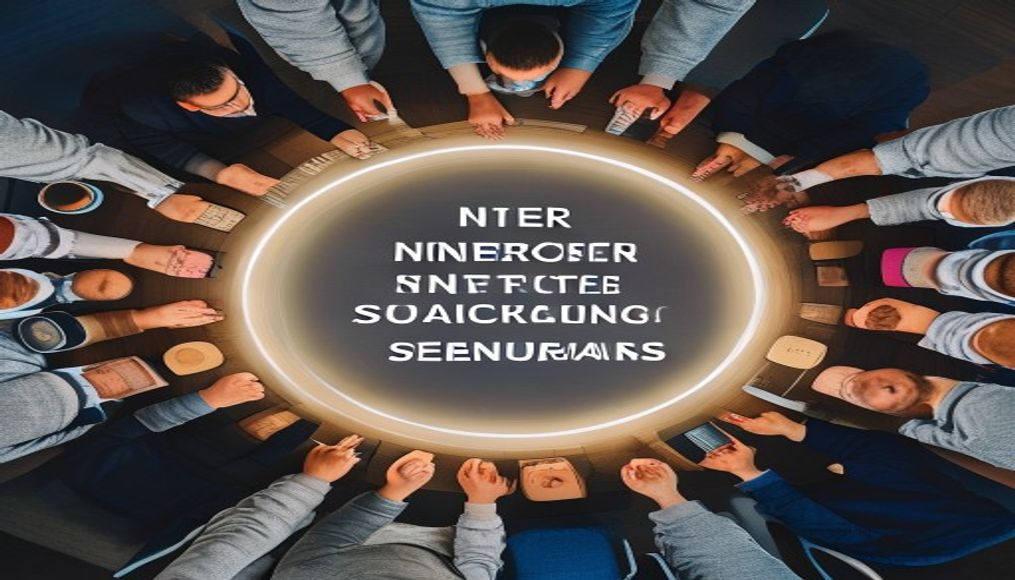
Typically, the inner circle consists of students who actively engage in the discussion, while those in the outer circle observe and listen. This setup allows participants in the outer circle to take notes, reflect on the dialogue, and prepare their responses for when they switch places with the inner circle. By rotating roles, every student eventually experiences both active participation and observational learning.
Benefits of the Inner and Outer Circle Format
Implementing the inner and outer circle structure offers numerous benefits, particularly in fostering engagement and critical thinking:
- Enhanced Engagement: By allowing students to take turns speaking and listening, this format encourages full participation. Students in the outer circle are not passive; they are actively engaged in observing and reflecting on the discussion.
- Improved Focus: The division between speaking and listening roles helps maintain focus. Inner circle participants can dive deeper into the topic, while outer circle students can concentrate on the content without the pressure to contribute immediately.
- Skill Development: Students develop both verbal and critical thinking skills. The format encourages them to articulate their thoughts clearly and to consider the perspectives of others, enhancing their overall communication skills.
- Inclusivity: This structure helps to create a safe space for students who may be shy or hesitant to speak up in larger groups, as they know they will have their turn in the inner circle.
Implementing the Inner and Outer Circle Format
Successfully implementing the inner and outer circle format requires thoughtful planning and execution. Here are some practical insights to consider:
Preparation is Key
Before diving into discussions, ensure that students are adequately prepared. This might involve reading assigned texts, researching topics, or completing reflective writing. Providing guiding questions can help students focus their thoughts and come ready to contribute meaningfully.
Setting Clear Expectations
Establish clear guidelines for both the inner and outer circle participants. For the inner circle, emphasize the importance of respectful dialogue, active listening, and responding to peers’ ideas. For the outer circle, clarify their role as observers and note-takers, and encourage them to prepare questions or comments for the next round of discussion. (See: Socratic method overview.)
Facilitating the Discussion
The facilitator plays a crucial role in ensuring the discussion remains productive. They should circulate among both circles, providing support and guidance. If the inner circle strays off-topic, gently guiding them back can keep the conversation focused. Meanwhile, encouraging the outer circle to jot down observations can help them formulate their thoughts for their turn.
Reflection and Feedback
After each discussion, allocate time for reflection. This could involve sharing thoughts within the circles or writing individual reflections. Feedback is essential; it helps students understand what worked well and what could be improved. Reflecting on the discussion process itself can enhance future experiences.
Current Relevance in Education
In today’s educational landscape, where collaboration and critical thinking are paramount, the inner and outer circle Socratic seminar format is more relevant than ever. With the rise of remote and hybrid learning models, this format can easily be adapted for online discussions. Digital platforms can facilitate breakout rooms, allowing students to engage in meaningful dialogues even when physically apart.
Moreover, as educational institutions increasingly prioritize social-emotional learning, this format provides a perfect avenue for students to develop interpersonal skills, empathy, and confidence in their voices. By engaging students in a respectful and inclusive manner, educators can prepare them for future collaboration in diverse settings.
Challenges and Considerations
While the inner and outer circle format boasts numerous advantages, it’s not without its challenges. Here are some considerations to keep in mind:
Balancing Participation
One challenge is ensuring balanced participation among all students. Some students may dominate discussions while others remain silent. To combat this, educators can implement strategies such as assigning specific roles within the inner circle or creating norms around equitable speaking time.
Addressing Different Learning Styles
Students come with varied learning styles and comfort levels when it comes to speaking in front of peers. Educators should be mindful of these differences and aim to create an environment that accommodates diverse needs. This might involve offering alternative ways to express ideas, such as written reflections or small group discussions before moving to the larger circles. This builds on teaching critical thinking tips.
Real-World Applications of the Socratic Seminar Format
The Socratic seminar format is not limited to traditional classroom settings; it has found applications in various real-world scenarios. For instance, organizations often use similar formats in workshops and team-building exercises. By encouraging employees to engage in thoughtful discussions about company values, projects, or workplace challenges, organizations can cultivate a more collaborative and innovative culture.
Another compelling example is in community settings, where local leaders might host public forums utilizing the Socratic format. This encourages community members to engage in meaningful discussions about local issues, fostering a sense of ownership and collective responsibility.
In higher education, faculty members have successfully integrated this format into their teaching strategies, especially in humanities and social science courses. Studies show that students who participate in Socratic seminars tend to develop a deeper understanding of course material, as they are more likely to retain information discussed in a collaborative environment. (See: Teaching Socratic seminars effectively.)
Statistics Supporting the Effectiveness of Socratic Seminars
Research has shown that the Socratic seminar approach can significantly impact student learning. According to a study published in the Journal of Educational Psychology, schools that implemented Socratic seminars saw a 25% increase in student engagement and a 30% improvement in critical thinking scores compared to traditional teaching methods.
Another report from the National Literacy Trust highlights that students participating in structured discussions like Socratic seminars demonstrate higher reading comprehension levels. Approximately 83% of teachers surveyed believed that such formats helped their students articulate thoughts more clearly and effectively engage with texts.
Expert Perspectives on the Socratic Seminar Format
Many educational experts advocate for the use of the Socratic seminar format as a powerful teaching tool. Dr. Linda Darling-Hammond, a prominent education researcher, argues that “the Socratic method not only enhances critical thinking but also nurtures a respectful learning environment.” She emphasizes that students learn best when they are encouraged to think independently and collaboratively.
Additionally, Professor Richard Paul, a notable figure in the development of critical thinking education, asserts that “engaging students through dialogue allows them to confront their biases and develop a richer understanding of different perspectives.” His insights underline the importance of creating an environment where students feel comfortable expressing their opinions and challenging each other’s views.
FAQ about the Socratic Seminar Format
What age groups benefit from the Socratic seminar format?
The Socratic seminar format can be adapted for various age groups, from elementary to higher education. Younger students may require more structure and guidance, while older students can handle more open-ended discussions.
How long should a Socratic seminar last?
Typically, a Socratic seminar can last anywhere from 30 minutes to an hour, depending on the complexity of the topic and the students’ comfort levels with discussion. It’s essential to leave time for reflection afterward.
What types of texts work best for Socratic seminars?
Texts that are rich in ideas and themes work best. Literature, philosophical essays, historical documents, and current events articles can all serve as excellent material for sparking discussion.
Can the Socratic seminar format be used in online learning?
Absolutely! The Socratic seminar format translates well to online platforms. Educators can utilize breakout rooms for discussions and use chat features for students to share insights without interrupting the flow of conversation.
How can teachers assess student participation in Socratic seminars?
Assessing participation can be challenging, but it’s essential for understanding student engagement. Teachers can develop rubrics that evaluate various aspects such as speaking frequency, the quality of contributions, active listening skills, and the ability to build on others’ ideas. Peer assessments can also provide valuable insights into group dynamics.
What are some specific strategies to engage quieter students during Socratic seminars?
Teachers can implement strategies like “think-pair-share,” where students first discuss their thoughts with a partner before sharing with the larger group. Additionally, assigning roles such as “note-taker” or “connector” can help quieter students feel more involved. Creating a low-pressure environment where every contribution is valued can also encourage participation from those who are usually hesitant to speak up.
Cultural Relevance and the Socratic Seminar Format
The Socratic seminar format also provides an opportunity to incorporate diverse perspectives and cultural relevance into classroom discussions. Educators can choose texts from various cultures and viewpoints, allowing students to see the world through different lenses. This not only enriches the dialogue but also helps students develop a more nuanced understanding of global issues.
For instance, literature from marginalized voices can serve as powerful catalysts for discussions on social justice, equity, and identity. By actively engaging with these texts, students can better appreciate the complexities of societal issues and cultivate empathy for others’ experiences. This approach helps foster a classroom environment where students not only learn about academic content but also gain awareness of the diverse world they inhabit.
The Future of Socratic Seminars
As educational trends continue to evolve, the Socratic seminar format remains a relevant and impactful method for fostering critical thinking and dialogue. With the integration of technology, educators have more tools than ever to facilitate these discussions, whether in-person or online. Future developments may include the use of artificial intelligence to tailor discussions based on student input or the incorporation of multimedia resources to enrich text-based discussions.
Ultimately, as educators commit to creating more inclusive and engaging learning environments, the Socratic seminar format stands out as a method that empowers students to take charge of their learning. By fostering a culture of inquiry and respectful dialogue, teachers help students develop not only critical thinking skills but also the confidence to express their thoughts and engage with diverse perspectives.
“`
Trending Now
Frequently Asked Questions
What is the Socratic seminar format?
The Socratic seminar format emphasizes dialogue over debate, encouraging collaborative inquiry among students. It focuses on open-ended questions that promote critical thinking, allowing students to explore ideas, question assumptions, and articulate their thoughts while actively listening to others. We covered essential AI tools for education in more detail.
How does the inner and outer circle format work?
In the inner and outer circle format, students are divided into two groups. The inner circle engages in active discussion, while the outer circle observes and takes notes. This structure promotes inclusivity and ensures that all students participate by rotating roles, allowing everyone to experience both discussion and observation.
What are the benefits of using the inner and outer circle structure?
The inner and outer circle structure enhances student engagement by fostering dynamic exchanges of ideas. It allows for observational learning, encourages critical thinking, and ensures that every student has the opportunity to contribute, ultimately enriching classroom discussions.
How can teachers facilitate a Socratic seminar effectively?
Teachers can facilitate a Socratic seminar by guiding the conversation with open-ended questions, ensuring discussions remain focused and constructive. They should encourage students to take ownership of the dialogue, promote active listening, and create a supportive environment for critical thinking.
What skills do students develop through Socratic seminars?
Students develop critical thinking, active listening, and articulate communication skills through Socratic seminars. They learn to question assumptions, reflect on ideas, and engage in respectful dialogue, which enhances their ability to reason and respond thoughtfully in discussions.
Agree or disagree? Drop a comment and tell us what you think.


