
“`html
The Bobo Doll Experiment is a groundbreaking study in psychology that has stood the test of time. Conducted by Albert Bandura in the early 1960s, this experiment sought to understand how children learn and imitate behaviors, particularly aggression. The findings from the Bobo Doll Experiment not only transformed psychological theories about learning but continue to have significant implications for education, parenting, and media consumption today.
Background of the Bobo Doll Experiment
To fully appreciate the impact of the Bobo Doll Experiment, we need to delve into its origins. In the context of the 1960s, Bandura was part of a broader movement in psychology that questioned behaviorist theories that dominated the field. While behaviorism emphasized conditioning and reinforcement as the primary ways of learning, Bandura proposed a more nuanced approach that included observational learning.
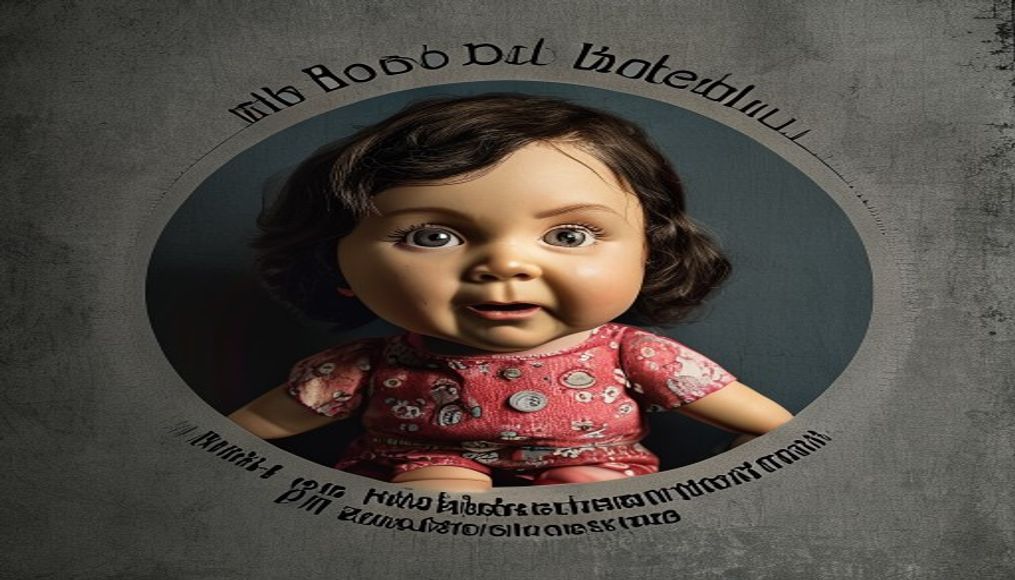
In 1961, Bandura and his colleagues set up a series of experiments to investigate how children might learn aggressive behaviors through observation. The setup was simple yet effective. Children were shown videos of adults interacting with a large inflatable clown called the Bobo doll. These adults either acted aggressively toward the doll—punching it, kicking it, and verbally assaulting it—or interacted with it in a non-aggressive manner. After watching the videos, the children were then allowed to play with the same doll.
The Structure of the Experiment
The Bobo Doll Experiment consisted of three distinct stages: exposure, observation, and imitation. During the exposure phase, children were placed in a room where they could watch a video of an adult’s behavior. In one group, the adult displayed aggressive actions towards the Bobo doll, while another group witnessed calm and non-aggressive interactions. After this exposure, the children moved to a separate playroom with the Bobo doll and other toys.
What happened next was striking. Bandura observed that children who had witnessed the aggressive behavior were significantly more likely to imitate those actions when they played with the doll. They would punch, kick, and even use verbal phrases they had heard from the adult. In contrast, the children who saw the non-aggressive model displayed much more subdued and less aggressive behavior.
This phase of the experiment underscored a crucial aspect of human behavior: the tendency to model actions seen in others, especially authority figures. It demonstrated that aggression could be learned not only through direct reinforcement but also through observation.
Key Findings and Implications
The Bobo Doll Experiment yielded several pivotal findings that have influenced both psychological theory and everyday understanding of behavior. Firstly, it provided clear evidence for Bandura’s theory of social learning, which posits that individuals can learn behaviors through observing others without direct experience or reinforcement.
One of the most significant conclusions drawn from the experiment was that children do not merely imitate observed behavior; they also adapt it. For example, the children who saw aggressive actions would often come up with novel ways to engage in aggression, like using the Bobo doll as a weapon. This creativity in mimicking aggression suggested that observational learning equipped children with the ability to innovate based on what they observed.
This was a fundamental shift from traditional behaviorist views and showed that social context plays a vital role in behavior development. Bandura’s findings indicated that the media, parental roles, and societal norms could significantly influence the learning of aggressive behaviors, raising urgent considerations about the types of content children are exposed to. (See: Bobo doll experiment on Wikipedia.)
The Role of Media and Aggression
Decades after the Bobo Doll Experiment, the implications of Bandura’s work on aggression and modeling have grown increasingly relevant. Today’s media landscape is vastly different from the one Bandura studied in the 1960s, with children exposed to a constant stream of television shows, video games, and social media.
Research has consistently shown that exposure to violent media correlates with increased aggression in children. A meta-analysis published in 2010 found that children who consumed violent entertainment were more likely to exhibit aggressive thoughts, feelings, and behaviors. This aligns directly with Bandura’s conclusions: if children learn aggression through observation, then media serves as a powerful model.
Importantly, the Bobo Doll Experiment sparks discussions about responsibility. If children learn from what they see, creators of media content, parents, and educators must consider how their portrayals of violence might be received. The challenge lies not only in censoring harmful content but also in promoting positive behavioral models that children can emulate.
Controversies and Critiques
Despite its groundbreaking nature, the Bobo Doll Experiment has faced its share of criticisms and controversies. Some researchers have raised ethical concerns regarding the exposure of children to aggressive behavior. Critics argue that allowing children to witness and then model aggression might desensitize them to real violence and negatively affect their behavior in the long run.
Others have pointed to methodological limitations in Bandura’s study. For instance, the artificial laboratory setting might not reflect how children behave in their natural environments. Real-life situations are complex and may involve various factors that influence a child’s behavior, such as parental guidance, peer interactions, and individual temperament.
Moreover, while Bandura’s experiment highlighted observational learning, it didn’t fully account for other learning theories, such as cognitive development and emotional influences. Modern psychology recognizes that a combination of factors, including genetics and environment, play a vital role in shaping behavior.
Practical Applications of Bandura’s Findings
So, how can we apply the lessons from the Bobo Doll Experiment in our everyday lives? There are several practical insights for parents, educators, and policymakers. First, understanding the importance of modeling behavior is crucial. As a parent or teacher, your actions speak volumes. Children are likely to imitate not just what you say but how you behave. Displaying empathy, kindness, and positive conflict resolution can significantly influence children’s behavior.
Furthermore, it’s essential to be mindful of the content children consume. Encouraging critical media literacy is crucial in today’s digital age. Teaching children how to analyze and critically assess the media they consume can empower them to become more discerning viewers and active participants rather than passive consumers.
Engaging children in discussions about the media’s portrayal of violence can also foster awareness and empathy. By encouraging open dialogue, you can help children understand the difference between fiction and reality and the societal consequences of aggression. (See: Research article on observational learning.)
Current Relevance and Future Directions
As we navigate an increasingly complex world, the insights from the Bobo Doll Experiment remain as relevant today as they were in the 1960s. The rise of social media and its influence on behavior is an area ripe for exploration. How do likes, shares, and comments shape children’s understanding of acceptable behavior?
Moreover, as technology advances, virtual reality (VR) presents new avenues for exploration. How might immersive experiences affect learning and behavior? Can VR offer new methods for teaching empathy and non-violent conflict resolution?
In the realm of education, integrating Bandura’s principles into curricula could enhance social-emotional learning. Schools could focus on teaching children about the consequences of aggression and the importance of empathy, creating a more supportive and understanding environment.
The Bobo Doll Experiment’s lessons extend beyond childhood. As adults, we can also reflect on our behaviors and the impact we have on those around us. Recognizing that we serve as models for our peers and younger generations can inspire a culture where positive behaviors are championed and aggression is addressed constructively.
Frequently Asked Questions about the Bobo Doll Experiment
What is the main purpose of the Bobo Doll Experiment?
The primary purpose of the Bobo Doll Experiment was to investigate how children learn and imitate aggressive behaviors through observation. Bandura wanted to demonstrate that social learning could take place without direct reinforcement.
How did Bandura conduct the Bobo Doll Experiment?
Bandura conducted the experiment by showing children videos of adults interacting with a Bobo doll, either aggressively or non-aggressively. After viewing the videos, children were placed in a playroom with the Bobo doll and observed for their behavior.
What were the key findings of the Bobo Doll Experiment?
The key findings indicated that children who observed aggressive behavior were more likely to imitate those actions when playing with the doll. They adapted and modified the aggressive behaviors they observed, demonstrating the ability to innovate based on their observations.
How has the Bobo Doll Experiment influenced modern psychology?
The experiment has profoundly influenced modern psychology by supporting the theory of social learning and highlighting the impact of observational learning on behavior. It has paved the way for further studies on media influence, aggression, and behavioral modeling.
Are there any criticisms of the Bobo Doll Experiment?
Yes, there are criticisms regarding the ethical implications of exposing children to aggression, as well as methodological limitations related to the artificial setting of the experiment. Critics argue that real-life behaviors are influenced by various factors not accounted for in the study.
What can we learn from the Bobo Doll Experiment in terms of parenting and education?
Parents and educators can learn the importance of modeling positive behaviors, being mindful of the media children consume, and engaging in open discussions about aggression and empathy. This helps foster a more understanding and supportive environment for children.
The Lasting Legacy of the Bobo Doll Experiment
The legacy of the Bobo Doll Experiment persists not only in academic circles but also in practical applications across various fields. In the realm of child psychology, Bandura’s work opened doors for comprehensive studies into the impacts of role models, peer influences, and media portrayals of violence.
As new generations grow up with different forms of media, ongoing research continues to test and expand upon Bandura’s conclusions. Efforts to incorporate social-emotional learning in schools reflect the need to address and mitigate the effects of aggression, fostering an environment that emphasizes conflict resolution and emotional intelligence.
Ultimately, the Bobo Doll Experiment serves as a crucial reminder of the responsibilities we hold as role models—whether as parents, educators, or content creators. By advocating for positive behavioral models and nurturing empathy and understanding, we can aspire to create a more compassionate society for future generations.
In summary, the Bobo Doll Experiment is more than a historical artifact; it’s a vivid reminder of the power of observation in learning. As we continue to study and understand human behavior, we must consider how to leverage these insights to foster a more empathetic, engaged, and peaceful society.
“`
Trending Now
Frequently Asked Questions
What is the Bobo Doll Experiment?
The Bobo Doll Experiment, conducted by Albert Bandura in the 1960s, aimed to study how children learn aggressive behaviors through observation. Children watched adults interact with a Bobo doll either aggressively or non-aggressively and were later observed for their own behavior towards the doll.
What did the Bobo Doll Experiment teach us?
The experiment demonstrated that children can learn and imitate aggressive behaviors by observing adults. This finding highlighted the role of observational learning in behavior acquisition, challenging traditional behaviorist views that focused solely on conditioning and reinforcement.
How was the Bobo Doll Experiment conducted?
The experiment involved three stages: exposure, observation, and imitation. Children watched videos of adults interacting with a Bobo doll in either aggressive or calm ways, and then they were allowed to play with the doll to see if they would imitate the observed behaviors.
What are the implications of the Bobo Doll Experiment?
The findings from the Bobo Doll Experiment have significant implications for education, parenting, and media consumption. They suggest that children can learn behaviors by observing others, which underscores the importance of positive role models and the impact of media on child development.
Who conducted the Bobo Doll Experiment?
The Bobo Doll Experiment was conducted by psychologist Albert Bandura in the early 1960s. His work has had a lasting impact on our understanding of learning and behavior, particularly in the context of aggression and modeling.
Have you experienced this yourself? We’d love to hear your story in the comments.