
“`html
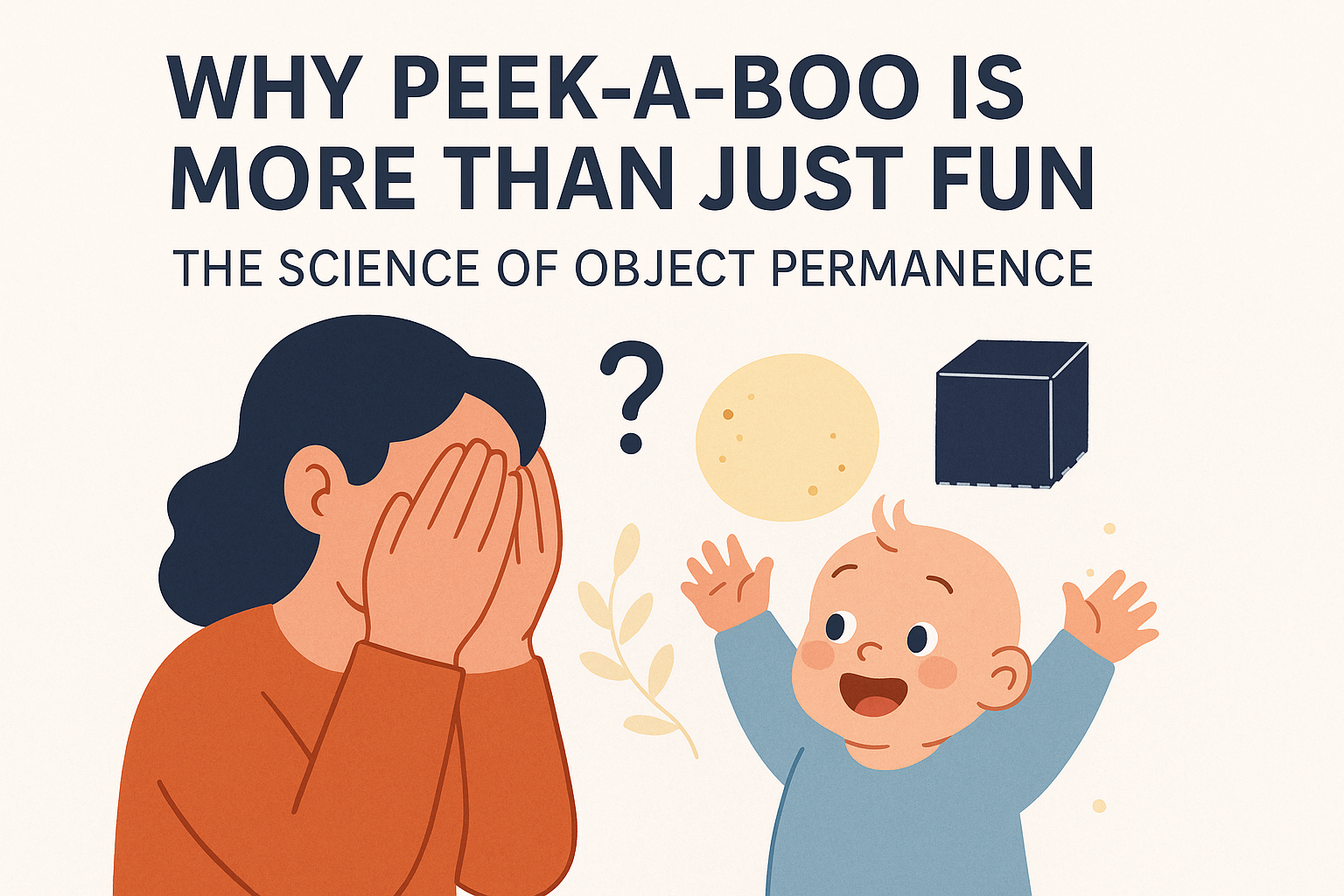
As a parent, you may have found yourself playing the classic game of peek-a-boo with your baby, only to be met with uncontrollable giggles and sparkling eyes. But did you ever stop to think about what this seemingly simple game reveals about cognitive development? Peek-a-boo isn’t just a playful interaction; it’s a critical milestone in understanding the concept of object permanence. This cognitive ability, which develops in early childhood, lays the foundation for how we perceive and interact with the world around us. Let’s explore the science behind object permanence, its significance in child development, and how it influences our daily lives.
Understanding Object Permanence
Object permanence is the understanding that objects continue to exist even when they cannot be seen, heard, or otherwise sensed. This cognitive milestone typically develops in infants between 4 to 7 months of age, although some theories suggest that it may begin even earlier. Jean Piaget, a renowned developmental psychologist, was one of the first to study this concept extensively. He proposed that children develop object permanence as they progress through distinct stages of cognitive development.
Before infants grasp the concept of object permanence, they operate under the assumption that if they can’t see something, it doesn’t exist. For instance, if you cover a toy with a blanket, a young baby might not search for it, believing it has simply vanished. However, as they grow and begin to understand that the toy is still there, their cognitive abilities expand, paving the way for more complex interactions with the world.
The Peek-a-Boo Connection
Peek-a-boo is arguably one of the best demonstrations of object permanence. When a caregiver hides their face behind their hands and then reveals it, the baby experiences a delightful surprise. This game teaches the child that just because they can’t see the caregiver’s face, it doesn’t mean it has disappeared entirely. As babies learn to laugh and react, they’re not just having fun; they’re also grasping important cognitive concepts.
In fact, studies have shown that the joy from peek-a-boo is rooted in the cognitive leap that babies undergo when they first grasp object permanence. The act of hiding and revealing stimulates their minds and reinforces their understanding that objects and people continue to exist even when hidden from view. This understanding is so profound that it helps set the stage for more complex cognitive functions like memory, problem-solving, and even social interactions.
Milestones of Object Permanence Development
Understanding the stages of object permanence can help parents and caregivers foster cognitive development effectively. Here’s a brief overview of the milestones associated with this concept:
- 0-4 Months: Infants do not yet understand object permanence. They react to stimuli but do not search for hidden objects.
- 4-8 Months: Babies start to show signs of awareness that objects exist even when out of sight. They may briefly search for a toy but might not look for it in the right place.
- 8-12 Months: This is a key period where children actively seek out hidden objects. They understand that objects can disappear and reappear, leading to more sophisticated play.
- 12 Months and Beyond: Children develop a firm understanding of object permanence. They can track multiple objects and anticipate where they might appear next.
Recognizing these stages can enable caregivers to engage in activities that promote cognitive growth, including playing peek-a-boo or hiding and revealing toys. Such interactions can be vital in ensuring children reach important developmental milestones. (See: Wikipedia article on object permanence.)
The Psychological Implications of Object Permanence
The acquisition of object permanence does not just pertain to physical objects; it has far-reaching implications for psychological development. Understanding that people and objects exist even when not visible fosters a sense of security and trust in infants. This ability to form relationships is foundational for later social interactions. For instance, as children grasp that their caregivers will return even after leaving the room, it nurtures attachment and emotional development.
On the flip side, children who struggle with this concept may experience anxiety or distress when separated from their caregivers. This is particularly evident in scenarios like drop-offs at daycare, where children who lack a firm understanding of object permanence may cry or display signs of separation anxiety. Therefore, reinforcing this concept during their early years can lead to healthier emotional development.
Practical Insights: Engaging with Object Permanence
As a parent or caregiver, nurturing a child’s understanding of object permanence can be both fun and educational. Here are some practical insights into how to incorporate this concept into play and daily interactions:
- Interactive Games: Beyond peek-a-boo, consider using simple games where you hide an object, then help the child find it. This not only reinforces the concept but also builds problem-solving skills.
- Use of Toys: Invest in toys that can be hidden or covered, such as blocks or dolls. Encourage your child to find these toys after they’ve been hidden.
- Reading Together: Books that involve hidden objects, like “Where’s Waldo?” or lift-the-flap books, can stimulate curiosity and understanding of object permanence.
- Daily Routines: Incorporate the idea of object permanence into your daily routines. For example, when leaving a room, remind your child that you will return.
These simple yet effective activities can significantly aid in the development of your child’s cognitive skills while also creating memorable bonding experiences. Remember, the goal is to make learning enjoyable and engaging.
Current Relevance and Ongoing Research
The exploration of object permanence is not only important in early childhood development but also continues to shape research in cognitive psychology and neuroscience. Current studies are delving deeper into how variations in object permanence understanding can affect social and emotional development later in life.
Moreover, recent research has begun to investigate how technology influences children’s cognitive development. With the rise of screens and digital media, there are concerns about whether children can develop a robust understanding of object permanence when their interactions with the world are often mediated through devices. In this context, it becomes increasingly important for caregivers to promote hands-on, tangible experiences for children, ensuring they build a comprehensive understanding of their environment.
Additionally, researchers are looking at how cultural differences can impact the development of object permanence. For example, children raised in environments that emphasize communal play may develop these concepts differently than those in more individualistic settings. This ongoing research highlights the importance of context in cognitive development and suggests that there’s no one-size-fits-all approach to nurturing these skills.
The Broader Implications of Object Permanence
Understanding object permanence isn’t just crucial for child development; it can also have implications for various fields, including education, psychology, and even artificial intelligence. Educators can harness the knowledge of cognitive milestones to create age-appropriate curricula that align with children’s developmental stages. (See: CDC on child development milestones.)
In psychology, insights about object permanence inform therapeutic approaches for children facing attachment issues or developmental delays. Understanding how children perceive their world offers therapists a framework for addressing these challenges effectively.
Moreover, in the realm of artificial intelligence and robotics, object permanence is becoming an essential area of study. As developers seek to create machines that can understand and interact with their environment more like humans, the ability to grasp the concept of permanence becomes critical. Robots that can anticipate the location of an object despite it being out of view can enhance their functionality and usability in various applications.
Common Misconceptions About Object Permanence
While object permanence is a well-studied topic in developmental psychology, several misconceptions can arise. One common misunderstanding is that all children reach this milestone at the same pace. In reality, while the general timeline exists, individual differences can be significant. Factors such as temperament and previous exposure to similar concepts can influence how quickly a child understands object permanence.
Another misconception is that if a child does not display understanding of object permanence by a certain age, it indicates a serious developmental delay. This isn’t always the case; some children may simply take longer to grasp this concept, and early intervention can often help. It’s essential to monitor a child’s overall development and consult a professional if there are broader concerns.
FAQs About Object Permanence
What is an example of object permanence?
An example of object permanence is when a child sees you hide a toy under a blanket and then searches for it, realizing that it is still there even though it is out of sight. Before grasping this concept, they might have thought the toy simply disappeared.
At what age does a child typically develop object permanence?
Most children start showing signs of understanding object permanence between 4 to 7 months old. However, the full understanding generally develops by around 12 months.
How can I help my child learn about object permanence?
Engaging in interactive games like peek-a-boo, hiding toys, or reading lift-the-flap books can greatly assist in helping your child understand the concept of object permanence. Consistency and repetition in these activities are key.
What happens if a child doesn’t develop object permanence?
If a child struggles with understanding object permanence, they may face challenges with separation anxiety and relationships later in life. However, early intervention through play and routine can help reinforce this concept.
Does object permanence influence later cognitive development?
Yes, understanding object permanence is foundational for future cognitive skills, such as problem-solving and memory. It plays a significant role in how children interact with their environment and build relationships.
Can you give an example of how object permanence influences behavior as children grow?
Absolutely! As children grow and develop a firm understanding of object permanence, their play becomes more imaginative. For instance, rather than simply playing with toys, a child might engage in pretend play, mimicking scenarios where objects or people are absent, such as playing house or school. This not only shows their grasp of the concept but also enhances their social and cognitive abilities.
Ultimately, object permanence serves as a gateway to understanding not only how children develop but also how we can apply these insights across multiple disciplines. By grasping this foundational concept, parents, educators, and researchers can work together to foster a richer understanding of cognitive development.
“`
Trending Now
Frequently Asked Questions
What is object permanence in child development?
Object permanence is the understanding that objects continue to exist even when they cannot be seen or sensed. This cognitive milestone typically develops in infants between 4 to 7 months and is crucial for their cognitive growth, influencing how they interact with the world.
How does peek-a-boo help with cognitive development?
Peek-a-boo is an effective way to teach infants about object permanence. When caregivers hide their faces and then reveal them, babies learn that even when something is out of sight, it still exists, fostering their cognitive abilities and understanding of the world.
At what age do babies understand object permanence?
Babies typically begin to understand object permanence between 4 to 7 months of age. Some theories suggest that the development of this cognitive skill may start even earlier, as infants begin to grasp that hidden objects still exist.
Why is object permanence important for infants?
Object permanence is vital for infants as it lays the foundation for their cognitive development. It helps them form more complex interactions with their environment, leading to enhanced problem-solving skills and emotional connections with caregivers.
What role does Jean Piaget play in understanding object permanence?
Jean Piaget was a pioneering developmental psychologist who studied object permanence extensively. He proposed that children develop this understanding as they progress through distinct stages of cognitive development, shaping our knowledge of early childhood learning.
What did we miss? Let us know in the comments and join the conversation.