
“`html
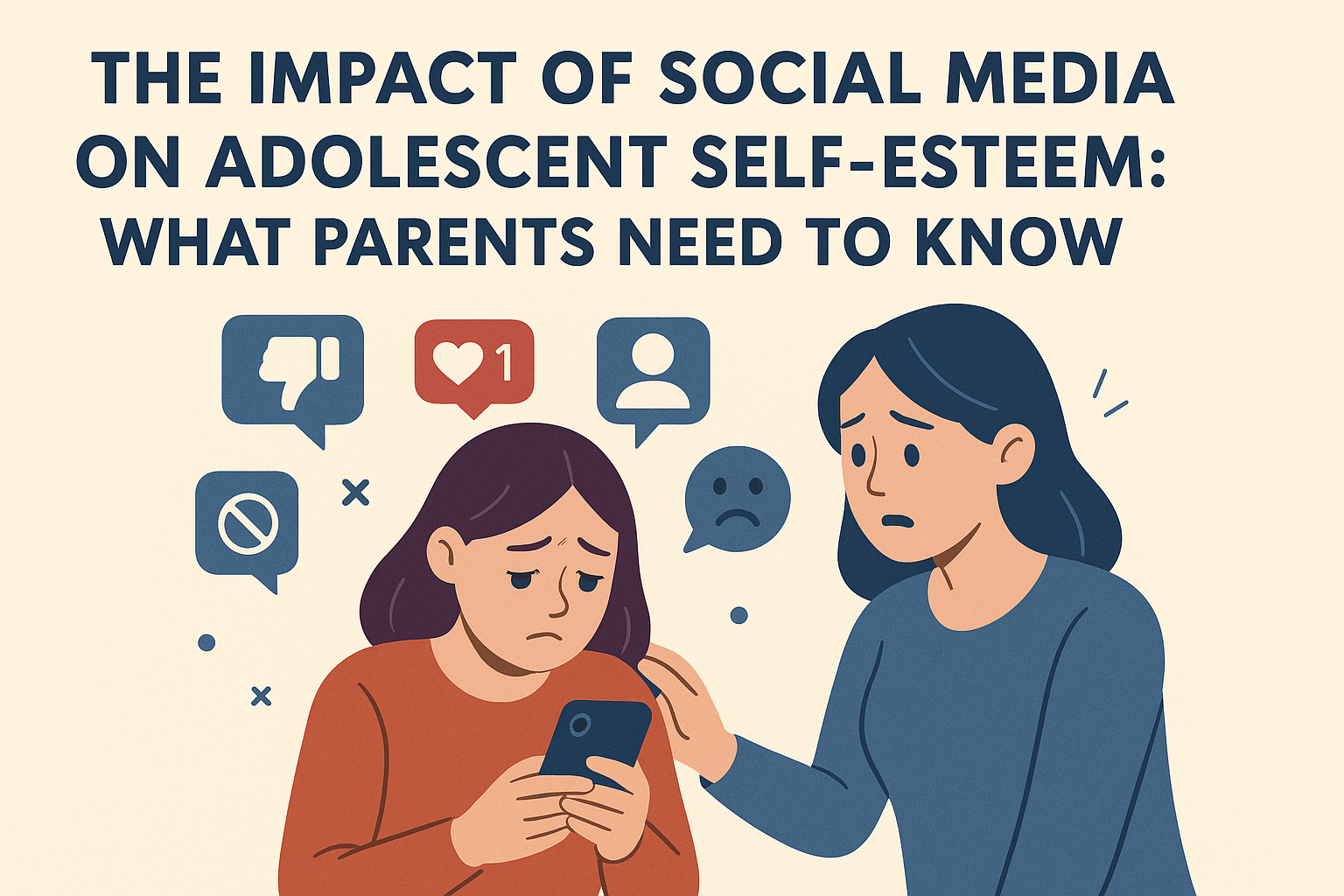
In today’s digital age, social media has become a pervasive force in the lives of adolescents. Platforms like Instagram, Snapchat, and TikTok dominate their social interactions, shaping their experiences and perceptions in profound ways. One of the most critical areas of concern is the impact of social media on adolescent self-esteem. As parents, understanding this relationship is essential, allowing us to guide our children through the complexities of their online lives.
Understanding the Landscape of Social Media
Before diving into the effects on self-esteem, it’s crucial to grasp the environment that adolescents are navigating. According to a recent survey, over 90% of teens report using social media daily, with many spending more than three hours on these platforms. This extensive engagement creates a unique social landscape characterized by constant connection, comparison, and competition.
Many adolescents use social media to express themselves, share their lives, and connect with friends. However, this digital connectivity often comes with a darker side. The curated nature of social media—where users showcase only the highlight reels of their lives—can lead to feelings of inadequacy and low self-worth in adolescents who compare their reality to these perceived ideal lifestyles.
The Link Between Social Media and Self-Esteem
Research consistently indicates a strong correlation between social media use and self-esteem levels among adolescents. A study published in the Journal of Adolescence found that higher social media engagement is associated with lower self-esteem, particularly among girls. This finding is alarming, given that self-esteem during adolescence is crucial in shaping identity and future mental health.
One major factor at play is the culture of comparison. Adolescents often assess their self-worth based on likes, comments, and follower counts, leading them to believe their value is contingent on their online popularity. This constant need for validation can foster a toxic cycle where they feel pressured to curate their online persona meticulously, often at the expense of their authentic self.
Influence of Peer Feedback
Peer feedback on social media can have a significant impact on self-esteem. Positive comments might boost confidence, but negative interactions, cyberbullying, or even the absence of engagement can lead to feelings of rejection. A report from the Pew Research Center highlighted that 59% of U.S. teens have experienced some form of bullying online. This bullying can have devastating effects on mental health, resulting in anxiety, depression, and a decline in self-esteem.
Furthermore, the fear of missing out (FOMO) can exacerbate feelings of inadequacy. When adolescents see their peers posting about social events they weren’t invited to or experiences they weren’t part of, it can lead to a sense of exclusion and low self-worth. This phenomenon is particularly pronounced during formative years when social acceptance is paramount to self-identity.
Gender Differences in Social Media Impact
It’s essential to consider how gender influences the relationship between social media and adolescent self-esteem. Research has shown that girls are often more impacted by social media interactions than boys. A study published in Cyberpsychology, Behavior, and Social Networking revealed that girls are more likely to internalize negative feedback and external pressures, resulting in lower self-esteem. (See: NIH study on social media and self-esteem.)
Additionally, the type of content consumed often differs by gender, with girls frequently exposed to idealized body images and lifestyle portrayals. This consistent exposure can create unrealistic standards, leading them to engage in unhealthy comparisons. Parents should be aware of these dynamics and encourage discussions that promote a healthy relationship with social media.
Promoting Healthy Social Media Habits
As a parent, fostering a healthy relationship with social media is crucial in helping your adolescent navigate these challenges. Here are some actionable strategies:
- Open Communication: Encourage an open dialogue about their social media experiences. Discuss the importance of authenticity and the reality behind curated online lives.
- Set Boundaries: Establish clear guidelines regarding social media use, including time limits and content restrictions. This can help prevent excessive engagement and reduce exposure to harmful content.
- Encourage Critical Thinking: Teach your child to critically analyze social media content. Help them understand that what they see online often isn’t a true reflection of reality.
- Promote Offline Activities: Encourage participation in offline hobbies, sports, and social activities. These experiences can boost self-esteem and provide a sense of accomplishment outside of social media validation.
- Model Positive Behavior: Be a role model for healthy social media use. Share your experiences and how you navigate online spaces, demonstrating balanced and respectful interactions.
Understanding the Role of Parental Monitoring
While it’s crucial to grant adolescents some autonomy in their online lives, parental monitoring can be beneficial. However, this doesn’t mean invading their privacy. Instead, consider implementing a collaborative approach where you discuss the importance of safety and respectful behavior online.
Tools like parental control apps can assist in monitoring usage patterns without being overly invasive. Checking in on what platforms they use, the types of content they engage with, and their online friendships can provide insight into potential issues. It’s all about striking a balance between giving them freedom and ensuring their safety and well-being.
The Current Relevance of Social Media and Adolescent Self-Esteem
As social media continues to evolve, its impact on adolescent self-esteem remains a relevant topic. With the rise of new platforms and trends, the environment constantly shifts. For instance, TikTok’s bite-sized video format has created a new avenue for expression but also new pressures surrounding creativity and popularity.
Moreover, the COVID-19 pandemic further complicated the landscape. Social isolation led many adolescents to rely more heavily on social media for connection, amplifying both the positive and negative effects on self-esteem. As we move forward, it’s crucial for parents to stay engaged and informed about the platforms their children are using and the trends that shape their experiences.
Examples of Positive Social Media Use
Not all social media interactions lead to negative outcomes. Many adolescents are finding ways to use these platforms to enhance their self-esteem positively. For example, supportive online communities can provide safe spaces for teenagers to share their experiences and connect with peers facing similar challenges. Platforms like TikTok and Instagram have given rise to movements promoting body positivity, mental health awareness, and inclusivity.
Influencers and content creators who share their struggles with mental health or body image often resonate deeply with their audience, encouraging young people to embrace their uniqueness. This positive reinforcement can help bolster self-esteem by showcasing that everyone has flaws and that it’s okay to be imperfect. (See: WHO on adolescent mental health.)
The Role of Educational Institutions
Schools play a pivotal role in shaping adolescents’ perceptions of social media. Implementing programs that focus on digital literacy and emotional intelligence can empower students to navigate social media more effectively. Workshops or classes centered on understanding online behavior, recognizing bullying, and fostering empathy can significantly reduce the negative impacts of social media on self-esteem.
For instance, some schools have introduced peer mentoring programs where older students guide younger ones in navigating their online lives. This approach not only provides support but also fosters a sense of community, helping students feel valued and understood.
Statistics and Findings on Social Media Use and Self-Esteem
Understanding the quantitative aspect of social media’s effects is crucial for grasping its significance. A global study conducted by the Royal Society for Public Health revealed that platforms such as Instagram, Snapchat, and Facebook were associated with increased levels of anxiety, depression, and poor body image among young users. In particular, Instagram was rated as the worst platform for mental health, with 40% of users reporting that it exacerbated feelings of inadequacy.
Another important statistic shows that adolescents who spend more than three hours a day on social media are 35% more likely to report poor mental health outcomes compared to their peers who spend less time online. These figures highlight the pressing need for awareness and intervention strategies to support adolescent self-esteem in the digital age.
FAQs About Social Media and Adolescent Self-Esteem
What are the signs that social media is negatively impacting my child’s self-esteem?
Some signs include withdrawal from offline activities, excessive preoccupation with social media, negative self-talk, or sudden changes in mood linked to online interactions. If you notice these behaviors, it’s crucial to have an open conversation about their experiences online.
How can I help my child if they are being bullied online?
Take immediate action by encouraging your child to talk about their experiences. Document any harassment, report it to the platform, and seek support from school personnel if necessary. Reassure your child that they are not alone and that you are there to support them.
Are there specific social media platforms that are safer for adolescents?
While no platform is entirely free of risk, some, like YouTube and certain gaming platforms, tend to have more controlled environments. Parental controls and monitoring can enhance safety across all platforms. Discussing content and setting boundaries can also help mitigate risks.
How can I encourage my adolescent to take breaks from social media?
Introduce the concept of ‘digital detoxes’ by planning activities that don’t involve screens, like family game nights or outdoor outings. Set designated times for social media use and encourage mindfulness in how they interact with their devices.
Addressing the Challenge of Comparison
The culture of comparison is one of the most detrimental aspects of social media for adolescents. Research shows that when teens scroll through their feeds, they often compare their everyday lives to the seemingly perfect lives of others. This comparison can lead to feelings of inadequacy and lower self-esteem. To combat this, parents can help their children cultivate a more positive online experience by encouraging them to follow accounts that promote positivity, inclusivity, and self-acceptance.
Moreover, discussing the curated nature of social media can provide context for these feelings. Helping them understand that most users share only their best moments can alleviate some of the pressure to measure up to unrealistic standards.
Creating a Balanced Social Media Experience
A balanced approach to social media use can help mitigate its negative effects on self-esteem. Parents can advocate for a healthy digital diet, where adolescents are encouraged to engage meaningfully with content instead of mindlessly scrolling. This can include participating in online discussions that foster connection or following educational accounts that inspire curiosity and learning.
Setting specific goals for social media use can also help. For instance, instead of aimless scrolling, challenge your adolescent to find and share a new skill they learned or a cause they care about. This proactive engagement can shift their focus from comparison to creation, fostering a sense of accomplishment and pride in their contributions.
Final Thoughts
The connection between social media and adolescent self-esteem is complex, influenced by various factors including peer feedback, gender differences, and cultural expectations. As a parent, staying informed and proactive can make a significant difference in how your child navigates this challenging landscape. By fostering open communication, critical thinking, and promoting healthy habits, you can help guide your adolescent toward a positive self-image in an increasingly digital world.
“`
Trending Now
- Explore Your Potential with LawnStarter: A…
- “Developmentally Appropriate Practice in Kindergarten: Balancing Academic Standards with Child Development”
- our breakdown of “what is developmentally appropriate practice in early childhood education?”
Frequently Asked Questions
How does social media affect adolescent self-esteem?
Social media can negatively impact adolescent self-esteem by fostering a culture of comparison. Teens often measure their worth against the curated, idealized lives presented online, leading to feelings of inadequacy and lower self-worth, particularly when engagement metrics like likes and comments are involved.
What are the signs of low self-esteem in teenagers?
Signs of low self-esteem in teenagers may include withdrawal from social activities, negative self-talk, excessive comparison to peers, and seeking validation through social media. Parents should watch for changes in mood, confidence, and online behavior as indicators.
How can parents help improve their child's self-esteem?
Parents can help improve their child's self-esteem by promoting open communication, encouraging offline activities, and fostering a positive self-image. Discussing the unrealistic portrayals on social media and emphasizing intrinsic qualities over external validation can also be beneficial.
What role does social media play in teenage mental health?
Social media plays a significant role in teenage mental health, often contributing to anxiety and depression. The constant comparison and pressure to maintain an online persona can exacerbate feelings of inadequacy, making it vital for parents to monitor their child's social media use.
What should parents know about their teens and social media?
Parents should understand that social media is a powerful influence on their teens' self-esteem and mental health. Awareness of the potential for negative impacts, such as comparison and cyberbullying, allows parents to guide their children in navigating these platforms safely and healthily.
What’s your take on this? Share your thoughts in the comments below — we read every one.