
“`html
In the realm of education, the importance of effective communication cannot be overstated. While verbal communication often takes center stage, nonverbal communication in education plays an equally crucial role in shaping classroom management and enhancing teacher-student relationships. Understanding the nuances of body language, facial expressions, and other nonverbal cues can significantly impact how students engage in learning and how teachers manage their classrooms.
The Foundations of Nonverbal Communication
Nonverbal communication encompasses a wide array of signals including gestures, posture, eye contact, and even the physical distance between individuals. These signals can convey emotions and intentions, often more powerfully than spoken words. In educational settings, both teachers and students engage in nonverbal communication regularly, whether consciously or subconsciously.
According to a study by Mehrabian (1971), approximately 93% of communication effectiveness is determined by nonverbal cues. This statistic highlights how critical it is for educators to be aware of their own body language and the nonverbal signals they receive from students. By being attuned to these cues, teachers can create a more receptive and engaging learning environment.
The Role of Nonverbal Communication in Classroom Management
Classroom management is a complex task that requires more than simply implementing rules and regulations. Nonverbal communication is a powerful tool that teachers can leverage to reinforce authority and promote positive behavior. For instance, maintaining eye contact can signal confidence and attentiveness, while an open posture can invite collaboration and discussion.
Furthermore, effective use of nonverbal signals can help in de-escalating conflicts. For example, a calm demeanor coupled with a gentle tone can defuse a tense situation, allowing teachers to address issues without escalating them further. Conversely, negative body language, such as crossed arms or averted eyes, can create distance and disengagement, leading to a breakdown in communication and authority.
Additionally, teachers can use nonverbal communication to set the tone for the classroom. A warm smile or an enthusiastic gesture can foster a sense of belonging and encourage students to participate actively. This kind of nonverbal encouragement is particularly vital in classrooms with diverse learning styles and backgrounds, where students may feel hesitant to engage verbally.
How Nonverbal Communication Shapes Teacher-Student Relationships
The teacher-student relationship is foundational to effective learning. Nonverbal communication acts as a bridge that can strengthen this connection. When teachers are aware of their nonverbal cues and react positively to students’ nonverbal signals, they foster trust and understanding. (See: Nonverbal communication overview.)
For instance, a teacher who leans slightly forward, maintaining eye contact while a student speaks, communicates interest and support. This nonverbal engagement encourages students to express themselves more openly, leading to deeper discussions and better learning outcomes. In contrast, a teacher who appears distracted or unapproachable may inadvertently shut down communication, making students less likely to seek help or participate in discussions.
Moreover, nonverbal cues can provide insights into students’ emotional states. A student who is slumped in their seat or avoiding eye contact may be feeling anxious or disengaged. By recognizing and responding to these nonverbal signals, educators can intervene appropriately, offering support or adjusting their teaching strategies to meet students’ needs.
Practical Applications of Nonverbal Communication in Education
So, how can educators effectively harness nonverbal communication in the classroom? Here are some practical applications:
- Model Positive Nonverbal Behavior: Teachers should consciously embody the nonverbal traits they wish to encourage in their students. This includes maintaining open body language, using gestures to emphasize points, and exhibiting enthusiasm for the subject matter.
- Engage in Active Listening: Nonverbal communication is a two-way street. Teachers should practice active listening, which involves nodding, maintaining eye contact, and responding with appropriate facial expressions to show understanding and empathy.
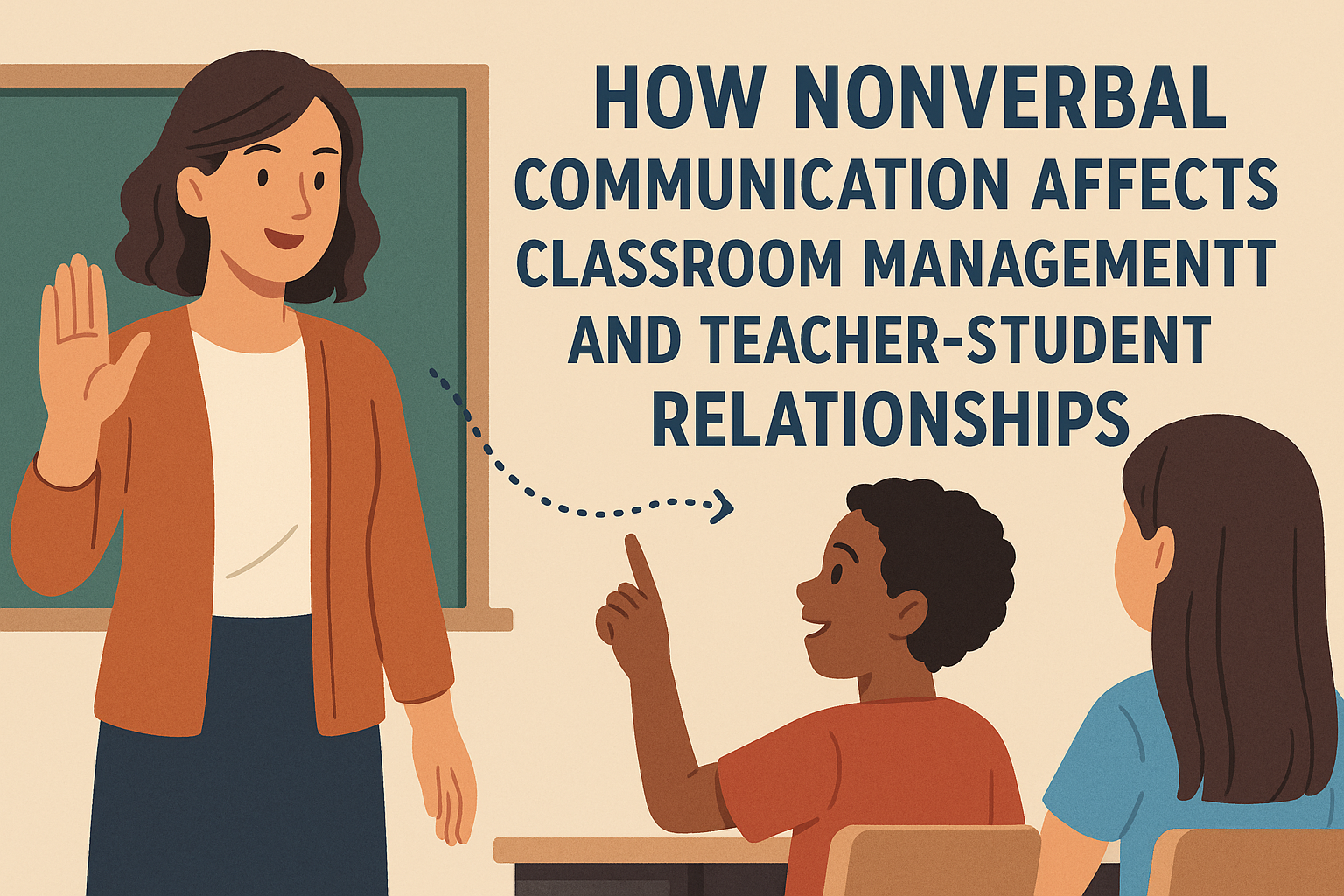
- Utilize Nonverbal Cues for Classroom Management: Establish nonverbal signals or cues for behavior management. For example, a raised hand can signal students to quiet down, while a specific gesture could indicate it’s time to transition to a new activity.
- Be Aware of Cultural Differences: Nonverbal communication can vary significantly across cultures. Teachers should educate themselves about the diverse backgrounds of their students to avoid misinterpretations and foster an inclusive environment.
- Encourage Student Participation: Use nonverbal cues to invite students to share their ideas. Gestures such as an open palm or an inviting nod can encourage quieter students to speak up.
The Impact of Technology on Nonverbal Communication
In today’s digital age, technology has transformed the landscape of communication, including nonverbal cues. Online learning platforms and virtual classrooms have made it more challenging for educators to interpret nonverbal signals accurately. However, it’s essential to adapt and find new ways to connect nonverbally in these environments.
For example, educators can use video conferencing tools that allow them to see their students’ faces, thus capturing some nonverbal cues such as facial expressions and gestures. Additionally, teachers can incorporate tools like reaction emojis or nonverbal feedback options to gauge student engagement and understanding during virtual lessons.
Moreover, asynchronous learning environments, such as recorded lectures or online discussion boards, present unique challenges. Here, written communication becomes vital, and educators must learn to convey tone and intention through their choice of words and text-based nonverbal cues like formatting and punctuation.
Current Relevance and Future Implications
The significance of nonverbal communication in education has gained renewed attention in recent years, especially in light of the COVID-19 pandemic. As schools worldwide shifted to hybrid and remote learning, teachers had to rethink their approaches to communication. Nonverbal cues became even more critical in establishing rapport and maintaining classroom management in a largely virtual context.
Furthermore, with growing awareness around social-emotional learning (SEL), the role of nonverbal communication is more relevant than ever. Educators are increasingly recognizing the need to cultivate emotional intelligence in their classrooms, where understanding and interpreting nonverbal cues can enhance empathy and collaboration among students. (See: ScienceDirect on classroom management.)
In the future, as educational practices continue to evolve, integrating nonverbal communication training into teacher education programs could be beneficial. Educators equipped with this knowledge can not only enhance their teaching effectiveness but also contribute to creating a more inclusive and supportive learning environment for all students.
Effective Nonverbal Communication Techniques
To make the most of nonverbal communication in education, teachers can adopt several effective techniques. Here are a few examples:
- Mirroring: This technique involves subtly mimicking the body language of students to build rapport and make them feel more comfortable. For example, if a student leans forward while speaking, the teacher might do the same to convey engagement.
- Use of Space: Understanding the concept of proxemics, or personal space, is crucial. Different cultures have different comfort levels with personal space, and being mindful of this can help create a more welcoming learning environment.
- Facial Expressions: Teachers should be aware of their facial expressions and how they can impact the classroom atmosphere. A smile can create a positive learning environment, while a furrowed brow might indicate disapproval or confusion.
- Gestures: Using purposeful gestures can enhance communication. For instance, illustrating a point with hand movements can make lessons more engaging and help students visualize concepts better.
Statistics on Nonverbal Communication Effectiveness
Understanding the impact of nonverbal communication can be further complemented by examining statistics. According to various studies, around 55% of communication is expressed through body language, while 38% comes from tone of voice. This underscores the need for educators to be aware of not just what they say, but how they say it.
A survey conducted by the National Education Association (NEA) found that teachers who utilized effective nonverbal communication strategies reported a 30% increase in student engagement. This reinforces the idea that being aware of nonverbal cues can lead to more dynamic and responsive teaching.
FAQs About Nonverbal Communication in Education
What are some common nonverbal cues teachers should pay attention to?
Teachers should observe cues such as eye contact, posture, gestures, and facial expressions. These signals can indicate a student’s level of engagement, understanding, or emotional state.
How can teachers improve their nonverbal communication skills?
Teachers can practice self-awareness by recording their classes and observing their own body language. Additionally, seeking feedback from peers or mentors can provide insights into how they can improve.
Can nonverbal communication vary by culture?
Definitely! Different cultures have unique interpretations of nonverbal cues. For instance, eye contact can signify confidence in some cultures but may be viewed as disrespectful in others. Understanding these cultural differences is essential for effective communication.
How does nonverbal communication affect student motivation?
Nonverbal cues can significantly impact student motivation. Positive body language from teachers can encourage students to engage more deeply with the material, while negative cues can lead to disengagement and lack of participation.
What strategies can educators use to teach nonverbal communication to students?
Educators can incorporate role-playing exercises, video analysis, and group discussions to help students learn about nonverbal communication. Teaching students to be aware of their own nonverbal signals can foster better communication skills overall.
Additional Resources for Understanding Nonverbal Communication in Education
For educators looking to deepen their understanding of nonverbal communication, several resources are available:
- Books: Consider reading “The Definitive Book of Body Language” by Allan and Barbara Pease, which provides insights into how body language affects communication, including in educational settings.
- Workshops: Many organizations offer workshops on communication skills for educators, which can provide hands-on practice with nonverbal techniques.
- Online Courses: Platforms like Coursera and Udemy offer courses focused on communication skills, including nonverbal elements that can be tailored to educators.
- Peer Observations: Engaging in peer observations can offer real-time insights into effective nonverbal communication strategies. Watching colleagues teach can help educators see practical applications of nonverbal communication in action.
Future Trends in Nonverbal Communication in Education
As education continues to evolve, several trends are shaping the future of nonverbal communication:
- Increased Use of Virtual Reality (VR): VR technology is being used to create immersive learning environments, allowing for unique nonverbal communication opportunities through simulated interactions.
- Growth of Social-Emotional Learning (SEL): With the increasing emphasis on emotional intelligence, educators are being trained to recognize and respond to nonverbal cues that reflect students’ emotional states.
- Integration of Neuroeducation: Research into how the brain processes nonverbal signals is informing teaching practices, enabling educators to tailor their approaches based on how students best respond to nonverbal cues.
Conclusion: Embracing Nonverbal Communication for Educational Success
In summary, nonverbal communication in education is a multifaceted tool that can significantly influence classroom management and teacher-student relationships. By understanding and harnessing nonverbal cues, educators can foster a more engaging, supportive, and effective learning environment. As we move forward into an increasingly interconnected and diverse world, the ability to communicate nonverbally will remain a critical skill for both teachers and students. Thus, embracing these nonverbal dynamics ultimately paves the way for educational success.
“`
Trending Now
Frequently Asked Questions
How does nonverbal communication impact classroom management?
Nonverbal communication significantly influences classroom management by helping teachers establish authority and promote positive behavior. Effective use of gestures, eye contact, and posture can reinforce rules and encourage student engagement, creating a more conducive learning environment.
What are examples of nonverbal communication in the classroom?
Examples of nonverbal communication in the classroom include body language, facial expressions, eye contact, gestures, and spatial distance. These cues can convey emotions and intentions, impacting how teachers and students interact and engage in learning.
Why is nonverbal communication important in teacher-student relationships?
Nonverbal communication is crucial in teacher-student relationships as it helps build trust and rapport. Positive nonverbal cues like open posture and warm facial expressions can enhance student engagement and create a supportive learning atmosphere.
Can nonverbal communication help resolve classroom conflicts?
Yes, nonverbal communication can be instrumental in resolving classroom conflicts. A calm demeanor, gentle tone, and appropriate body language can de-escalate tense situations, allowing teachers to address issues effectively without increasing tension.
How can teachers improve their nonverbal communication skills?
Teachers can improve their nonverbal communication skills by becoming more aware of their body language, practicing positive gestures, maintaining eye contact, and observing students' nonverbal cues. Training and self-reflection can also enhance these skills.
What did we miss? Let us know in the comments and join the conversation.