
“`html
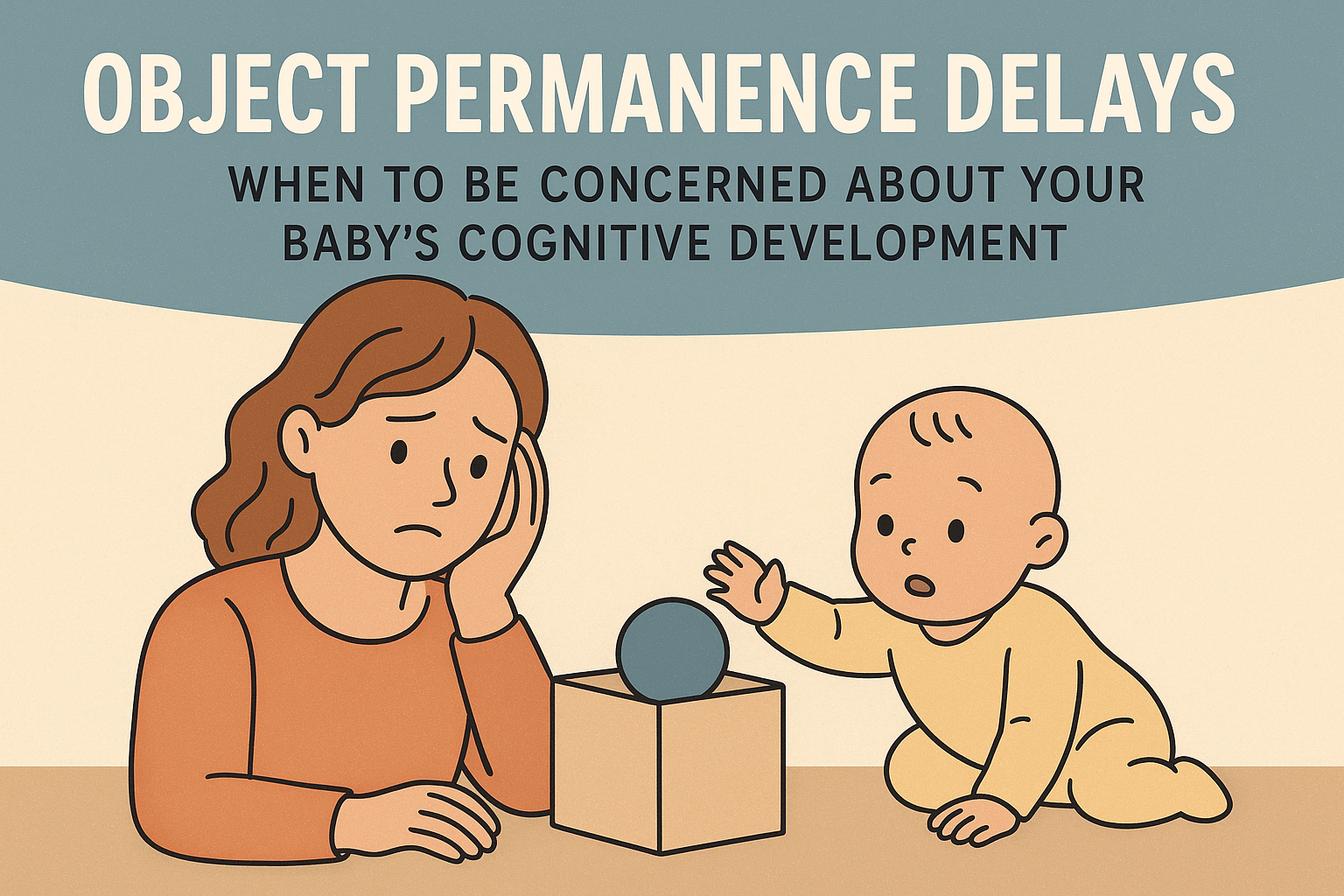
The journey of watching your baby grow and develop can be full of milestones and surprises. One crucial aspect of cognitive development that often goes unnoticed is the concept of object permanence. While many parents might not know the term, it has significant implications for understanding their child’s cognitive growth. Object permanence delays can signal potential developmental concerns that warrant attention. This article dives into the meaning of object permanence, the typical timelines for its development, and when delays may necessitate further investigation.
What is Object Permanence?
Object permanence is the understanding that objects continue to exist even when they are out of sight. This cognitive skill typically develops in infants between the ages of 4 to 7 months. Prior to this stage, babies may not realize that an object still exists when it is hidden. For example, if you hide a toy under a blanket, a baby who has not yet developed object permanence might believe the toy has vanished entirely.
Jean Piaget, a renowned Swiss psychologist, was one of the first to study cognitive development in children and identified object permanence as a major milestone in their intellectual growth. According to Piaget, this understanding emerges during the sensorimotor stage of development, which spans from birth to about 2 years old. As infants learn about their environment and begin to interact with it, their ability to comprehend that objects continue to exist beyond their immediate perception deepens significantly.
Typical Developmental Timeline for Object Permanence
Understanding the typical timeline for the development of object permanence can help parents gauge their child’s cognitive progress. Here’s a breakdown of the expected milestones:
- 0-4 months: Babies primarily focus on immediate sensory experiences. If you hide an object, they will likely not search for it, as they may not understand that it still exists.
- 4-7 months: Around four months, infants begin to show early signs of object permanence. They might follow a moving object with their eyes and may start to search for a toy briefly if it is partially hidden.
- 8-12 months: By eight months, most infants will actively search for objects that have been hidden, indicating a more developed sense of object permanence. They can anticipate that the object still exists somewhere, even if they cannot see it.
- 12 months and beyond: As they approach their first birthday, children will actively look for hidden objects and might even use problem-solving skills to retrieve them, demonstrating more advanced cognitive functioning.
While these timelines serve as a guideline, it’s essential to remember that every child develops at their own pace. Some may reach these milestones slightly earlier or later than others, which is entirely normal.
Recognizing Object Permanence Delays
So, when should you be concerned about object permanence delays? While slight variations in development are common, significant delays can be indicative of broader cognitive issues. Here are some signs to look out for:
- By 8 months: If your child shows no interest in searching for a hidden toy or appears confused when items are concealed, it may warrant further assessment.
- By 12 months: A child who still struggles to understand that objects continue to exist when out of sight could be experiencing delays in cognitive development.
- By 18 months: If your child hasn’t developed the ability to search for hidden items, it may be time to consult with a pediatrician or a child development specialist.
Delays related to object permanence may not always indicate a serious issue, but they can sometimes be linked to developmental disorders such as autism spectrum disorder (ASD) or developmental delays. It’s crucial to approach these concerns with a mix of observation and proactive engagement.
Understanding the Impact of Object Permanence Delays
Delays in object permanence can have broader implications for a child’s overall cognitive and social development. For one, this cognitive skill is foundational for more complex functions like memory and problem-solving. If a child has a delayed understanding of object permanence, they may also face challenges in: (See: Understanding object permanence.)
- Social interactions: Understanding that people (like parents or caregivers) exist even when they’re not present is critical for forming attachments and trust.
- Language development: Comprehending that objects (and by extension, words) exist beyond immediate perception can impact language acquisition.
- Emotional regulation: A child struggling with object permanence might have difficulty coping with separation from parents, leading to increased anxiety and distress.
These interconnected areas of development underline the importance of recognizing and addressing object permanence delays early. Early intervention can significantly improve outcomes for children experiencing these challenges.
Practical Insights for Parents
As a parent, it’s essential to foster an environment that promotes cognitive development, including object permanence. Here are some practical tips to help encourage this understanding:
- Play peekaboo: This classic game reinforces the idea that people come back, even if they disappear for a moment. It’s a fun and effective way to encourage object permanence.
- Hide and seek with toys: Gradually increase the difficulty of hiding toys in various locations. Start with simple hiding spots and gradually move to more complex ones as your baby shows improvement.
- Use everyday objects: Incorporate household items into play. For example, hide a favorite stuffed animal under a blanket and encourage your child to find it, reinforcing the understanding that it still exists.
- Read books together: Choose interactive books that include flaps to lift and reveal hidden images. This activity promotes curiosity and understanding of hidden objects.
These interactive activities not only help your child develop object permanence but also strengthen the bond between parent and child, making learning fun and engaging.
Seeking Professional Help
If you notice persistent object permanence delays in your child, it’s essential to seek professional advice. Consulting with a pediatrician or a child development specialist can provide insights into your child’s development trajectory. They may conduct assessments to determine whether the delays are indicative of a larger issue and can recommend an appropriate course of action.
In some cases, early intervention programs may be beneficial. These programs can provide tailored support for cognitive and developmental challenges, helping your child to catch up to their peers. Therapies might include speech and language therapy, occupational therapy, or specialized educational plans.
The Current Relevance of Object Permanence Delays
In a world where developmental milestones are frequently discussed among parents and caregivers, understanding object permanence delays takes on added importance. With the rise of developmental awareness and advocacy, more parents are becoming informed about the implications of delays in cognitive skills.
Moreover, with the growing focus on early childhood education, many parents are actively seeking resources to support their child’s cognitive growth. This increased awareness is empowering parents to be proactive, seeking to ensure that their children reach critical developmental milestones.
It’s essential to remember that each child’s journey is unique, and while delays may raise questions, they do not define a child’s potential. Early signs of object permanence delays should be viewed as opportunities for growth and support rather than definitive diagnoses.
Statistics on Object Permanence and Developmental Delays
Understanding the prevalence of object permanence delays can help demystify concerns for many parents. Research shows that approximately 10-15% of children may experience delays in reaching this milestone. While many children who face delays will eventually catch up, early detection and intervention can be crucial. Studies indicate that children who receive early support have significantly improved outcomes in cognitive, social, and emotional domains. (See: Milestones in child development.)
Furthermore, research published in the Journal of Child Psychology and Psychiatry highlighted that children with delays in object permanence may also exhibit signs of broader developmental issues, such as difficulties in social-emotional development. This underscores the importance of monitoring early signs and seeking guidance when needed.
The Role of Play in Developing Object Permanence
Play is a vital component of cognitive development. Engaging in play activities designed to enhance object permanence not only aids cognitive skills but also fosters emotional connections between the child and caregiver. Activities such as building blocks, where children can hide and find objects, or simple games that involve covering toys, are effective methods to enhance this understanding.
Research in developmental psychology emphasizes that the more varied the play experiences, the richer the cognitive development. So, mixing in different types of games can provide your child with a well-rounded approach to learning about object permanence.
Expert Perspectives on Addressing Delays
Experts in child development encourage parents not to delay seeking help when they notice signs of object permanence delays. Dr. Sarah Thompson, a child psychologist, states, “Early intervention is key. The earlier we identify and address these delays, the better outcomes we see in children’s overall development.” Following a professional’s guidance can help in creating an effective strategy tailored to the child’s needs.
Additionally, local parenting support groups can provide invaluable resources and insights. Parents can share experiences and strategies for encouraging cognitive skills, including object permanence, contributing to a sense of community and shared learning.
FAQs About Object Permanence Delays
What are the early signs of object permanence delays?
Early signs include a lack of interest in hidden objects, confusion when items are concealed, and a failure to search for toys after they have been hidden.
How can I encourage my child to develop object permanence?
Engaging in interactive games like peekaboo, hide and seek, and utilizing everyday objects for play can significantly enhance your child’s understanding of object permanence.
When should I consult a professional about my child’s cognitive development?
If you notice persistent delays past the typical developmental milestones indicated for object permanence, it’s wise to consult a pediatrician or child development specialist for a thorough evaluation. (See: Cognitive development in children.)
Can object permanence delays resolve on their own?
In some cases, children may catch up with their peers. However, proactive engagement and support can significantly improve outcomes, so early intervention is encouraged.
How does object permanence relate to later cognitive skills?
Object permanence is foundational for more complex cognitive skills, including memory, problem-solving, and emotional understanding. Delays in this area can signal potential challenges in these later skills as well.
Additional Resources for Parents
If you’re looking for more information about object permanence and cognitive development, several resources can help. The American Academy of Pediatrics offers guidelines on developmental milestones, and many local libraries provide access to books and pamphlets on child development. Websites such as Zero to Three and the CDC’s Learn the Signs, Act Early initiative can also provide useful insights and activities to promote cognitive skills.
Additionally, consider joining parenting forums or social media groups that focus on child development. These platforms can be excellent for sharing experiences, gaining insights from other parents, and finding support from professionals in the field.
Ultimately, understanding object permanence delays provides a window into your child’s cognitive development. By being observant and proactive, you can help ensure that any concerns are addressed promptly, paving the way for a bright and successful future.
“`
Trending Now
Frequently Asked Questions
What is object permanence in babies?
Object permanence is the understanding that objects continue to exist even when they are out of sight. This cognitive skill typically develops in infants between 4 to 7 months of age, marking a significant milestone in their cognitive growth.
At what age do babies develop object permanence?
Babies usually develop object permanence between 4 to 7 months. Before this stage, they may not recognize that hidden objects still exist, which is a crucial part of their cognitive development.
How can I tell if my baby has object permanence?
You can assess if your baby has developed object permanence by hiding a toy and observing their reaction. If they search for the toy or show awareness of its absence, it indicates they understand that the object still exists even when out of sight.
What are the signs of object permanence delays in infants?
Signs of object permanence delays include a lack of interest in searching for hidden objects, not reacting when toys are concealed, or showing confusion when objects disappear. If these behaviors persist beyond 7 months, it may warrant further evaluation.
When should I be concerned about my baby's cognitive development?
Concerns about cognitive development should arise if your baby shows no signs of object permanence by 7 months, struggles with other developmental milestones, or exhibits unusual behavior patterns. Consulting a pediatrician can provide guidance and support.
What’s your take on this? Share your thoughts in the comments below — we read every one.