
“`html
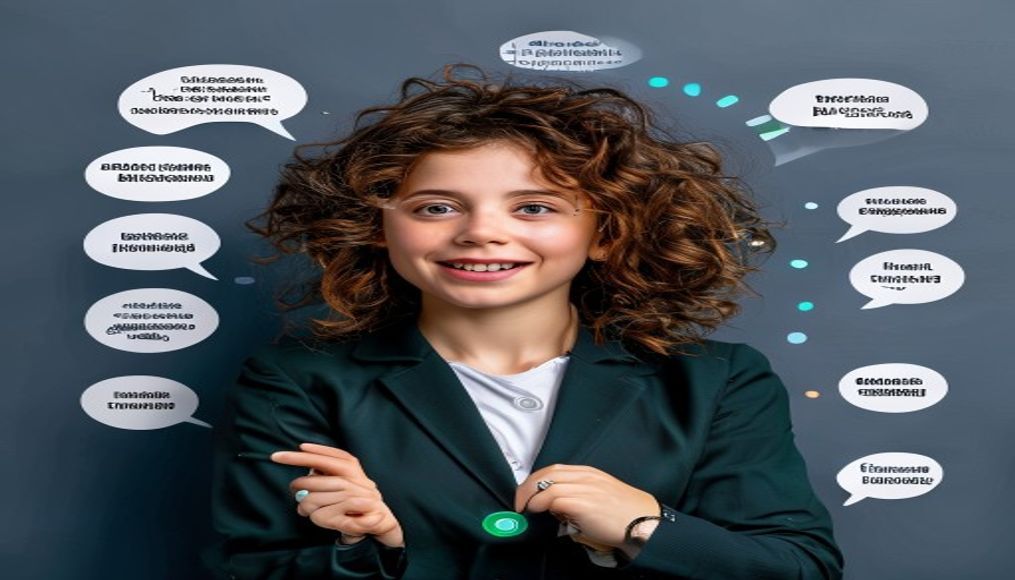
Mastering nonverbal communication is a vital skill that can significantly impact a child’s social interactions and relationships. Understanding body language, facial expressions, and other nonverbal cues can provide children with a critical tool for navigating social situations. In this article, we’ll explore eight effective strategies for teaching children to interpret nonverbal communication in various social contexts.
1. Understanding the Importance of Nonverbal Communication
Nonverbal communication accounts for a large portion of our interactions. Studies suggest that up to 93% of communication effectiveness is determined by nonverbal cues. This includes body language, facial expressions, gestures, posture, and tone of voice. For children, recognizing and interpreting these signals can be crucial, as they often rely on these cues to determine how others feel or react in social situations.
Nonverbal communication for kids is particularly important in early development stages. Children with strong skills in this area tend to build better friendships, resolve conflicts more effectively, and communicate their needs in a clearer manner. Teaching these skills early can promote emotional intelligence and improve social interactions throughout their lives.
2. Modeling Nonverbal Cues
One of the best ways to teach kids about nonverbal communication is through modeling. Children often learn by observing adults and peers, so it’s essential to consciously display positive nonverbal cues in your interactions. Show expressions of empathy, openness, and attentiveness when communicating. For example, maintain eye contact when speaking and using appropriate gestures can demonstrate engagement and interest.
Additionally, discussing your own nonverbal behavior can help children understand its significance. For instance, you might say, “I’m smiling because I’m happy to see you!” This reinforces the connection between feelings and nonverbal communication, helping kids recognize the cues in themselves and others.
3. Using Games and Activities
Interactive and playful activities can be powerful tools for teaching nonverbal communication for kids. Incorporating games that focus on body language and facial expressions can enhance their understanding and make learning fun. For instance, a game of charades encourages children to convey messages without words, relying solely on body language and facial expressions.
Another effective activity is the “emotion charades” game, where kids take turns expressing different emotions through facial expressions and gestures while others guess the emotion. These activities not only teach kids to recognize various nonverbal cues but also encourage them to express themselves in diverse ways, reinforcing their understanding of emotional nuances.
4. Encouraging Observation Skills
Teaching children to be observant is essential for interpreting nonverbal communication. Encourage them to pay attention to the body language and facial expressions of their peers, teachers, and family members. This can be done through storytelling sessions where they evaluate characters’ emotions based on their actions or expressions. (See: nonverbal communication in youth.)
Ask open-ended questions like, “How do you think that character felt when they did that?” This approach promotes critical thinking and fosters discussions about emotions and intentions, allowing children to connect nonverbal cues with underlying feelings and social contexts.
5. Discussing Emotions Openly
Creating a safe environment where children can express their emotions freely is crucial for their understanding of nonverbal communication. Discussing feelings openly helps kids link emotions to specific nonverbal cues. Encourage them to share how they feel in various situations and how they think others might feel.
For example, after a social event, you might ask your child how they felt when their friend looked downcast. This helps children articulate their feelings while also considering how nonverbal communication affects social interactions. Discussing emotions in this way not only builds empathy but also reinforces the importance of being attuned to the feelings of others.
6. Role-Playing Scenarios
Role-playing can be a powerful method to teach nonverbal communication skills. Create scenarios where children can practice interpreting and responding to nonverbal cues. These might include situations like meeting a new friend, resolving a conflict, or participating in a group activity.
Involve your child in these role-plays, switching roles to give them perspectives on both the sender and receiver of nonverbal signals. This practice can help them identify what specific gestures or expressions might mean in different contexts, improving their adaptability in real-life social situations.
7. Encouraging Self-Awareness
Self-awareness is a vital component of nonverbal communication. Help your child understand their own body language and how it affects their interactions. Encourage them to be mindful of their posture, gestures, and facial expressions during conversations. You can say something like, “When you cross your arms, it might look like you’re not interested in what others are saying. Try to keep an open posture instead!”
Another exercise is to have them practice in front of a mirror, allowing them to see how their expressions and postures convey messages. This self-awareness can foster better communication styles and help them adjust their nonverbal cues according to the social situation they find themselves in.
8. Reinforcing Skills through Feedback
Finally, providing constructive feedback is essential for reinforcing the skills you’ve taught. After social situations, engage in discussions about what went well and what could be improved regarding nonverbal communication. Celebrate their successes—such as recognizing a friend’s distress through body language—and discuss areas for growth.
Encouraging a growth mindset will help children feel comfortable experimenting with their nonverbal communication skills. It’s important to remind them that learning takes time and practice, and that making mistakes is a part of the process. Ultimately, consistent feedback will help solidify these skills, contributing to their overall social competence.
9. Fostering Nonverbal Communication in Digital Spaces
In today’s digital age, teaching nonverbal communication extends beyond face-to-face interactions. Children are increasingly communicating through digital platforms, where nonverbal cues can be lost or misinterpreted. Help kids understand the importance of tone in written communication, as well as how emojis and gifs can serve as nonverbal signals. (See: studies on communication effectiveness.)
Discuss the impact of video calls, where body language is still significant but can differ from in-person interactions. Encourage them to be mindful of their facial expressions and gestures even when behind a screen. This understanding will prepare them for effective communication in various settings, which is crucial in a world where online interactions are prevalent.
10. Building Empathy through Nonverbal Communication
Building empathy is closely tied to understanding nonverbal communication. When children learn to interpret the feelings and intentions behind nonverbal cues, they develop a greater sense of empathy. Encourage children to consider how others might feel based on their body language and facial expressions.
Activities such as reading stories and discussing the characters’ emotions can enhance this skill. You might ask, “How do you think the character felt when they were ignored? What do you think they needed?” This kind of reflective questioning helps kids practice empathy and realize the importance of nonverbal signals in expressing needs and feelings.
11. Incorporating Cultural Perspectives
Nonverbal communication varies significantly across different cultures. Teaching children about these differences can be an enriching experience. For instance, eye contact can be seen as a sign of confidence in some cultures while perceived as disrespectful in others. Discussing these variations can help children understand the broader context of nonverbal communication and its relevance in a multicultural world.
Consider using media, such as films or books that portray different cultural contexts, to spark discussions about how nonverbal cues might differ. This awareness promotes respect and understanding among diverse groups and prepares kids for interactions in a global society.
12. Frequently Asked Questions about Nonverbal Communication for Kids
What is nonverbal communication?
Nonverbal communication refers to the ways we convey messages without using words. This includes facial expressions, body language, gestures, posture, eye contact, and tone of voice. For kids, understanding these cues can help them navigate social interactions more effectively.
Why is nonverbal communication important for children?
Nonverbal communication is crucial for children as it enhances their ability to connect with others. It helps them interpret feelings, establish relationships, and communicate effectively in various social settings. Strong nonverbal skills contribute to greater emotional intelligence and social competence.
How can parents encourage nonverbal communication skills at home?
Parents can foster nonverbal communication skills by modeling positive behaviors, engaging in play-based learning activities, encouraging observation and discussion about emotions, and providing constructive feedback. Creating an open dialogue about feelings and reactions is also key.
At what age should children start learning about nonverbal communication?
Children can begin to learn about nonverbal communication from a very young age, as they start to recognize emotions and expressions. Activities tailored to their developmental stage can enhance these skills, and teaching can continue as they grow and encounter more complex social interactions.
How can teachers incorporate nonverbal communication in the classroom?
Teachers can integrate nonverbal communication into lessons by using group activities, role-playing scenarios, and discussions about emotional expressions in literature or history. Creating a classroom environment that values empathy and understanding can also encourage students to be more aware of nonverbal cues.
What role does nonverbal communication play in conflict resolution?
Nonverbal communication can significantly influence conflict resolution. Understanding body language and tone can help children identify the emotions underlying a disagreement. If a child notices that a friend is upset based on their posture or facial expression, they can approach the situation more sensitively, fostering better dialogue and resolution.
How can nonverbal communication skills benefit children’s future?
Developing strong nonverbal communication skills can greatly benefit children in their future endeavors. Whether in academic settings, workplace environments, or personal relationships, being able to read and respond to nonverbal cues can enhance their ability to collaborate, lead, and maintain positive interactions.
In summary, teaching nonverbal communication for kids is an indispensable skill that will serve them well throughout their lives. By employing methods such as modeling, games, role-playing, and open discussions about emotions, parents and educators can equip children with the tools they need to navigate complex social landscapes. With practice and reinforcement, children can become adept at interpreting and utilizing nonverbal cues, enhancing their social interactions and emotional intelligence.
“`
Trending Now
- read the full story
- our breakdown of “developmentally appropriate practice in kindergarten: balancing academic standards with child development”
- this guide on “understanding attachment theory: how early bonds shape children’s development”
- “Why Neuroscientists Say Learning Styles Theory…
- our breakdown of “what is developmentally appropriate practice in early childhood education?”
Frequently Asked Questions
What is nonverbal communication and why is it important for children?
Nonverbal communication includes body language, facial expressions, gestures, and tone of voice. It's crucial for children as it constitutes a significant part of social interactions, helping them understand emotions and reactions. Mastering these cues can enhance their relationships, conflict resolution, and overall emotional intelligence.
How can I teach my child about nonverbal cues?
You can teach your child about nonverbal cues by modeling positive behaviors, such as maintaining eye contact and using appropriate gestures. Discussing your own nonverbal expressions helps them connect feelings with body language, reinforcing their understanding of social interactions.
What are some examples of nonverbal communication?
Examples of nonverbal communication include facial expressions like smiling or frowning, body language such as posture and gestures, eye contact, and tone of voice. These elements work together to convey emotions and intentions in social situations.
Why is it important for children to understand body language?
Understanding body language is vital for children as it helps them interpret social signals and emotions of others. This skill can lead to better friendships, improved conflict resolution, and clearer communication of their own needs, ultimately fostering emotional intelligence.
At what age should children start learning about nonverbal communication?
Children can start learning about nonverbal communication from a young age, as early as preschool. Early development in recognizing and interpreting nonverbal cues can significantly enhance their social skills and emotional intelligence throughout their lives.
Agree or disagree? Drop a comment and tell us what you think.