
“`html
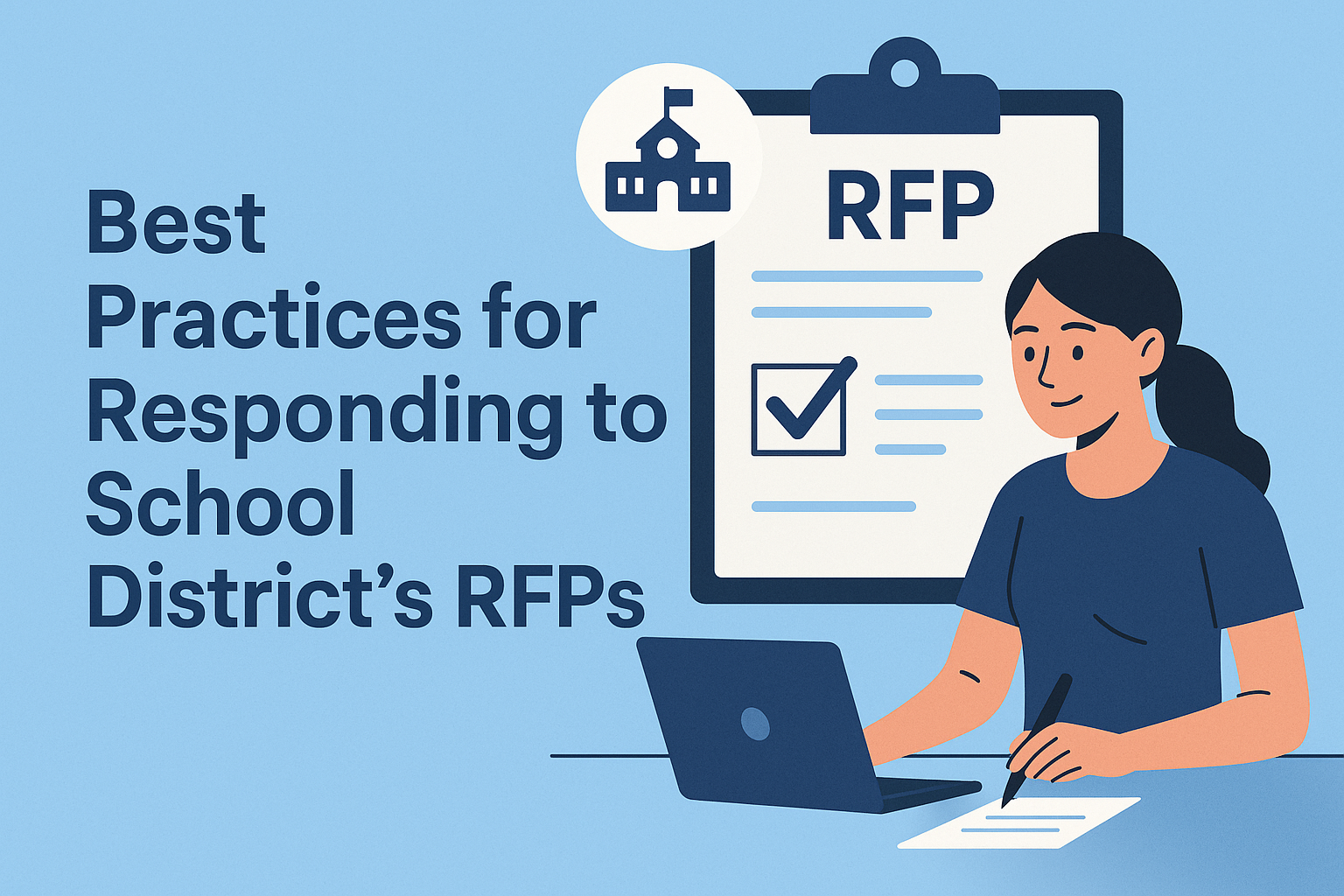
Responding to school district RFPs (Requests for Proposals) is a critical process for companies looking to engage with public education systems. These RFPs can lead to significant contracts, yet they come with their own set of challenges. Understanding how to navigate this complex landscape can determine the success or failure of your proposal. Here, we’ll explore best practices that will not only improve your chances of winning but also build lasting relationships with educational institutions.
1. Understanding the RFP Process
Before diving into the specifics of crafting your response, it’s essential to understand what an RFP is and the purpose it serves. An RFP is essentially a document issued by a school district to solicit bids from potential suppliers for specific goods or services. This process is designed to ensure transparency, encourage competition, and acquire the best value for taxpayer dollars.
Most school districts post their RFPs on dedicated procurement websites or through public notices. It’s crucial to stay alert and up-to-date on these announcements because many districts only allow a limited time for submission. Understanding the deadlines, submission guidelines, and evaluation criteria can give you a leg up in the bidding process.
2. Researching the School District
Knowledge is power, especially when it comes to responding to school district RFPs. Take the time to research the specific district issuing the RFP. Understand its mission, recent initiatives, challenges, and the community it serves. This insight will allow you to tailor your proposal to meet the district’s needs effectively.
Consider reaching out directly to district representatives or attending school board meetings. This not only provides valuable information but also establishes personal connections that can enhance your proposal’s reception. Schools are looking for partners who genuinely understand their goals and challenges.
3. Carefully Analyzing the RFP Document
Once you have a solid understanding of the district, it’s time to dig into the RFP document itself. This step is crucial; many proposals fail because they don’t adequately address all the requirements outlined in the RFP. Break down the document into sections and highlight the key points that need to be addressed.
Look for specific evaluation criteria, budgetary constraints, and timelines. Take note of any mandatory requirements, such as certifications or prior experience with similar projects. Organizing your response to directly reflect these components shows that you’ve paid attention to the details and understand the district’s needs.
4. Crafting a Compelling Proposal
With all your research and analysis in place, it’s time to write your proposal. This document should not only address the district’s needs but also highlight your company’s unique selling propositions. Use clear and concise language, and avoid jargon that may not be familiar to all readers.
Include specific case studies or examples that demonstrate your capabilities. If your company has previously worked with other school districts, make sure to include testimonials or references. This builds credibility and shows that you have a proven track record of success. Remember, your proposal is a marketing document that should persuade the school district to choose you.
5. Pricing Strategies
Pricing is often a key factor in the decision-making process for school districts. While you want to be competitive, it’s also important not to undervalue your services. Consider offering tiered pricing options that allow the district to choose the level of service that best fits their needs and budget.
Transparency in pricing is crucial. Clearly outline what each line item includes and any potential additional costs that could arise. This builds trust with the school district and helps avoid confusion later down the line. You may also consider providing a cost-benefit analysis that illustrates the long-term savings your service could offer. (See: U.S. Department of Education.)
6. Leveraging Technology in Your Proposal
In an increasingly digital world, it’s essential to leverage technology in your proposal to stand out among competitors. Consider creating an interactive presentation or incorporating multimedia elements that engage the audience. Visual aids can help convey complex information in a more digestible format.
Additionally, utilizing project management or communication tools can demonstrate how you plan to manage the project effectively. Highlighting your technological capabilities might resonate well with districts that are looking to modernize their operations or improve efficiency.
7. Building Relationships with Key Stakeholders
Establishing relationships within the school district can be invaluable in the RFP process. After submitting your proposal, follow up with key stakeholders to express your enthusiasm and address any additional questions they may have. This not only demonstrates your commitment but can provide additional insights into the decision-making process.
Networking opportunities at conferences or educational workshops can also be beneficial. Meeting face-to-face allows you to build rapport and foster trust, making your proposal more memorable to decision-makers.
8. Being Prepared for Interviews or Presentations
In many cases, responding to school district RFPs may involve an interview or presentation stage. Be prepared to defend your proposal and articulate how your solution aligns with the district’s goals. Practice your presentation multiple times, focusing on clarity and engagement.
During the interview, be open to questions and feedback. This is not just an opportunity to sell your service but also a chance to listen and adapt your proposal based on the district’s input. Demonstrating flexibility and a willingness to collaborate can set you apart from competitors.
9. Following Up and Learning from Feedback
After the selection process is complete, whether you win or lose, it’s crucial to follow up. If you’re awarded the contract, this is your opportunity to express your gratitude and outline next steps. If you’re not selected, don’t hesitate to ask for feedback on your proposal. Understanding the reasons behind their decision can provide invaluable insights for future RFP responses.
Using feedback to refine your approach can dramatically increase your chances of success in upcoming RFPs. Remember, the world of responding to school district RFPs is competitive, but each experience is a chance to grow and improve your proposals.
10. Creating a Strong Executive Summary
The executive summary is often the first section that evaluators read, and it can make a lasting impression. This summary should succinctly encapsulate your proposal’s key points, including your understanding of the district’s needs, your proposed solutions, and the expected outcomes. Keep it engaging and persuasive, as it sets the tone for the rest of your proposal.
Consider using bullet points for clarity and including a brief overview of your company’s experience and qualifications. Highlight any unique aspects of your approach that differentiate you from competitors. A well-crafted executive summary not only grabs attention but also encourages evaluators to read further.
11. Understanding the Evaluation Criteria
Each school district will have its own set of evaluation criteria that dictate how proposals are assessed. Familiarize yourself with these criteria before drafting your response. Typically, criteria will include factors such as experience, qualifications, approach to the project, and pricing.
Aligning your proposal with these criteria is key. For example, if a district places a high value on sustainability, you should emphasize how your proposal incorporates eco-friendly practices. This direct alignment shows you’ve done your homework and can genuinely meet the district’s priorities. (See: Centers for Disease Control and Prevention.)
12. Utilizing Data and Evidence
Back up your claims with data. Whether it’s statistical analysis or case studies, evidence can significantly enhance your credibility. Incorporate relevant research that demonstrates the effectiveness of your proposed solutions in similar educational settings. For instance, if you’re proposing a new technology solution, include statistics on its impact on student engagement or performance based on previous implementations.
Furthermore, data visualization tools can help present this information more clearly. Graphs, charts, and infographics can make complex data more accessible, ensuring that evaluators can easily understand the benefits of your proposal.
13. Designing for Clarity and Professionalism
The visual presentation of your proposal matters. Use a clean, professional layout with consistent fonts and colors that align with your brand. Make sure your document is easy to navigate, using headings and subheadings to guide the reader through your content.
Consider including a table of contents if your proposal is lengthy. This will help evaluators quickly find key sections. A polished and professional presentation can reflect your company’s attention to detail and commitment to quality.
14. Frequently Asked Questions
What is the typical timeline for school district RFPs?
Typically, the timeline can vary significantly from one school district to another. However, many RFPs will provide a clear timeline within the document itself. Expect a period of a few weeks from the issuance of the RFP to the submission deadline. After submission, the evaluation process can take additional weeks or even months, depending on the complexity of the project.
How can I improve my chances of winning an RFP?
Improving your chances involves a combination of thorough research, tailored proposals, strong relationships, and a well-structured presentation. Focus on addressing the specific needs and challenges of the district while showcasing your unique strengths. Following up after submission can also reinforce your commitment and keep your proposal top-of-mind.
Is it worth responding to smaller school district RFPs?
Absolutely! Smaller districts may have less competition, and winning those contracts can lead to significant opportunities down the road. Plus, they often offer a chance to build relationships and establish a positive reputation in the educational sector. These contracts can serve as stepping stones to larger projects in the future.
What should I include in the appendices of my proposal?
Your appendices might include additional supporting documents such as resumes of key personnel, detailed case studies, financial statements, or certifications. This information can provide more context and support your claims without cluttering the main body of your proposal.
How do I stay updated on upcoming RFPs?
To stay informed, subscribe to newsletters from educational associations, set up alerts on procurement websites, and follow local school district websites or social media accounts. Networking with other vendors in your industry can also provide insights and heads-up about upcoming opportunities.
15. Understanding Community Needs and Trends
When responding to school district RFPs, it’s vital to consider the broader context in which the district operates. School districts are increasingly focused on addressing community needs, such as mental health resources, diversity and inclusion initiatives, and technology in classrooms. By aligning your proposal with these trends, you can demonstrate relevance and commitment.
For example, if a district is prioritizing mental health, your proposal could include strategies that incorporate counseling services or programs that promote student well-being. Staying informed about regional educational trends and issues can significantly enhance your proposal’s impact.
16. Utilizing Testimonials and Success Stories
Nothing speaks louder than the positive experiences of previous clients. Including testimonials or success stories from past projects can add a personal touch to your proposal. If you’ve worked with other districts or organizations, share specific outcomes that were achieved through your services. For instance, if your service improved student performance metrics or streamlined administrative processes, provide concrete examples of those results.
Consider crafting a few short case studies that highlight the challenges faced, your solutions, and the measurable success that followed. These narratives not only boost your credibility but also make it easier for evaluators to envision the potential impact of your proposal.
17. Collaborating with Other Vendors
In some cases, collaborating with other vendors can strengthen your proposal. If your company specializes in a specific area, consider partnering with another firm that offers complementary services. This can not only enhance your proposal but also demonstrate a more comprehensive solution to the district’s needs.
For example, if your expertise lies in educational technology but another vendor has a strong background in curriculum development, working together could create a more robust offering. Just make sure to clearly define each party’s role in the proposal to avoid any confusion or misalignment during the evaluation process.
18. Preparing for Post-Submission Questions
Even after submitting your proposal, the process may not be over. Many districts may have follow-up questions or require clarifications. Be prepared for this stage by organizing your proposal in a way that allows you to quickly reference key information. Consider creating a FAQ document that addresses common questions or concerns that could arise from your proposal.
This proactive approach shows that you’re not only knowledgeable about your proposal but also willing to engage in ongoing dialogue with the district. It can help maintain momentum and keep your proposal at the forefront of decision-makers’ minds.
“`
Trending Now
Frequently Asked Questions
What is an RFP in education?
An RFP, or Request for Proposal, in education is a document issued by a school district to solicit bids from potential suppliers for specific goods or services. This process aims to ensure transparency, encourage competition, and secure the best value for taxpayer dollars.
How can I find school district RFPs?
School district RFPs are typically posted on dedicated procurement websites or through public notices. Staying alert to these announcements and understanding submission guidelines and deadlines is crucial for responding successfully.
Why is researching the school district important?
Researching the school district allows you to understand its mission, recent initiatives, and challenges. This knowledge helps you tailor your proposal to meet the district's specific needs and demonstrates that you are a partner who understands their goals.
What are best practices for responding to an RFP?
Best practices for responding to an RFP include understanding the RFP process, conducting thorough research on the school district, analyzing the requirements carefully, and establishing connections with district representatives to enhance your proposal's reception.
How can I improve my chances of winning an RFP?
Improving your chances of winning an RFP involves understanding the evaluation criteria, tailoring your proposal to the district's needs, and building relationships with key stakeholders. A well-crafted, relevant proposal can significantly enhance your likelihood of success.
Agree or disagree? Drop a comment and tell us what you think.