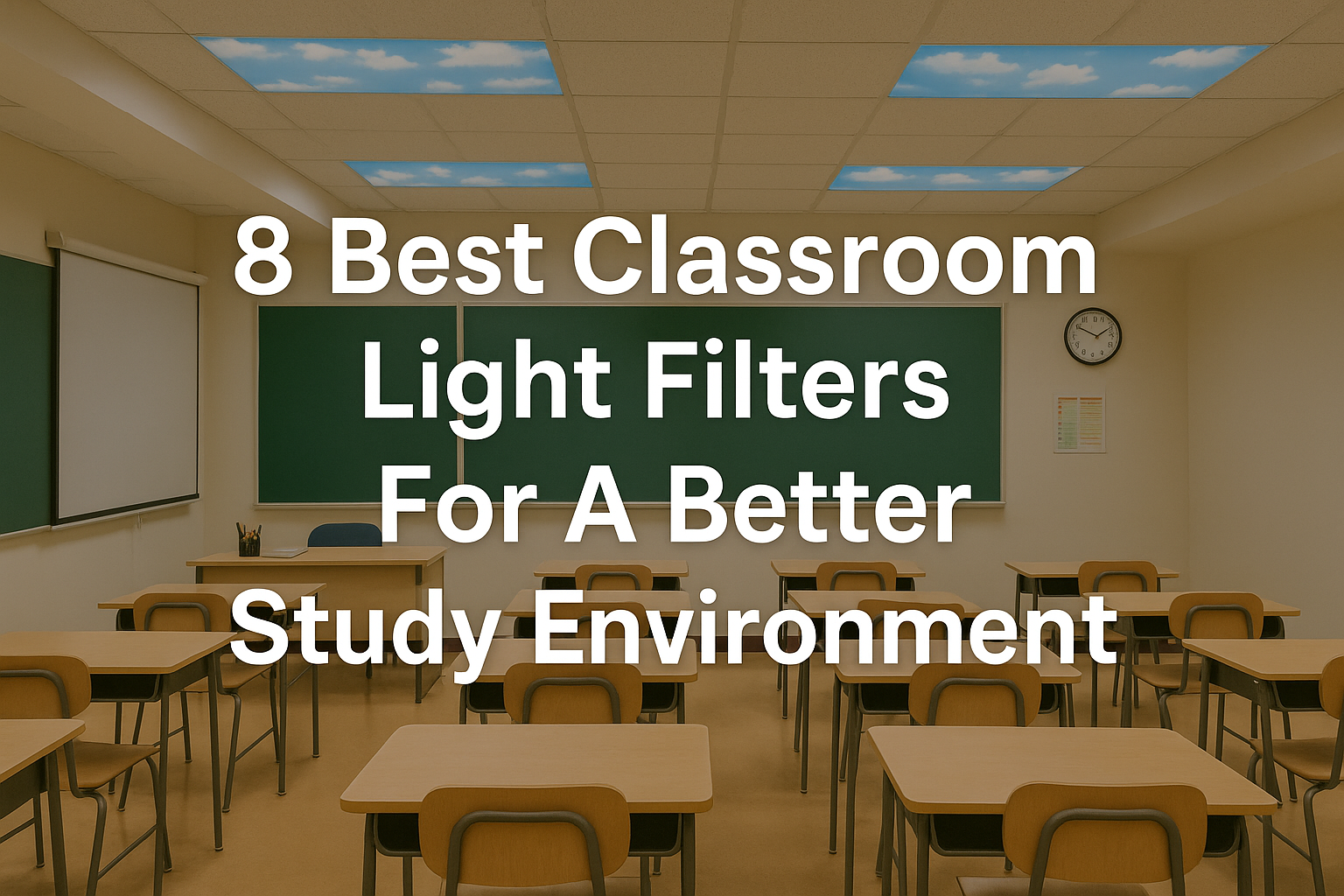

In today’s educational landscape, the right environment can significantly impact a student’s learning experience. One oft-overlooked aspect is lighting. Classroom light filters have emerged as a practical solution to enhance the study environment, reducing glare and improving comfort. In this article, we explore the eight best classroom light filters that can transform any classroom into an optimal learning space.
1. Harkins Light Filters: A Trusted Choice
Harkins produces some of the most effective classroom light filters available. Known for their high-quality materials, these filters are designed to diffuse harsh fluorescent lighting, which is commonly found in schools. Available in various colors, Harkins filters not only reduce glare but also create a more inviting atmosphere.
One of the standout features of Harkins filters is their easy installation. Simply attach them to existing light fixtures, and you’re ready to go. Teachers have reported decreased eye strain and improved focus among students, making Harkins a worthwhile investment for any classroom.
2. Eco-Friendly Light Filters: Sustainability Meets Functionality
For environmentally-conscious schools, eco-friendly light filters offer a sustainable alternative. These filters are made from recycled materials and are designed to lower energy consumption by diffusing light more effectively. By reducing the amount of energy needed to illuminate the classroom, schools can not only save money but also do their part in fighting climate change.
These filters also help in creating a calm atmosphere. Many eco-friendly options are available in soft, warm tones that mimic natural light, which can significantly enhance students’ mood and productivity. Plus, they contribute to a healthier indoor environment by reducing the flicker effect associated with fluorescent lighting.
3. BlissLights Classroom Filters: Bringing Calm to Classrooms
BlissLights specializes in creating a soothing ambiance through its unique classroom light filters. These filters are particularly beneficial for students with sensory sensitivities. Designed to soften the harshness of overhead lighting, they help in minimizing distractions and promoting a focused study environment.
Available in a range of colors, including soft blues and greens, BlissLights filters can create an atmosphere that encourages relaxation and concentration. Teachers have noted that these filters have a positive impact on classroom behavior, allowing students to engage more fully in their learning activities.
4. Daylight Simulation Filters: For Enhanced Focus
Daylight simulation filters mimic the natural light that we usually lack in indoor environments. These filters are particularly effective in classrooms with small windows or limited access to daylight. By filtering artificial light to resemble natural daylight, these filters can enhance alertness and concentration among students.
Research has shown that exposure to natural light boosts mood and enhances cognitive function. The Daylight Simulation Filters not only invigorate the classroom but also help in regulating students’ circadian rhythms, leading to better sleep patterns and overall well-being. (See: CDC on classroom lighting effects.)
5. Vibrant Color Filters: Energizing the Learning Space
If you’re looking to inject some energy into your classroom, vibrant color filters may be the way to go. These filters are available in a variety of bright colors and can create a lively atmosphere that stimulates creativity and engagement. Evidence suggests that color can influence mood and behavior, making these filters an exciting option for art, music, or creative writing classes.
By strategically using different colors in various areas of the classroom, teachers can create zones for specific activities. For example, a calming blue can be used for reading corners, while a vibrant yellow can energize group work areas. This flexibility allows educators to tailor the classroom environment to various learning styles.
6. Anti-Glare Filters: A Must-Have for Digital Learning
As classrooms become increasingly digital, the need for anti-glare filters has never been more essential. These filters help to reduce reflections and glare from screens, making it easier for students to engage with digital content without straining their eyes. They are particularly beneficial in classrooms with multiple screens, where glare can be a significant distraction.
Implementing anti-glare filters not only aids in reducing eye fatigue but also enhances the overall learning experience when using projectors or interactive whiteboards. Many teachers have found that students are more attentive and less likely to experience discomfort during lengthy lessons when these filters are in place.
7. EasyMount Classroom Filters: Simple and Effective
For those looking for an easy-to-install solution, EasyMount classroom filters offer a practical choice. Designed to fit standard lighting fixtures, these filters can be installed in just seconds with no special tools required. Their simple design doesn’t compromise on functionality; they effectively reduce glare while providing a pleasant lighting experience.
Additionally, EasyMount filters come in various colors and styles, allowing teachers to customize their classroom lighting. This flexibility means that schools can adapt the lighting to suit different subjects or activities, promoting a more engaged learning environment.
8. Thermal Fabric Filters: Enhancing Comfort
Finally, thermal fabric filters represent a unique approach to classroom lighting. These filters are made from thermal materials that not only diffuse light but also help in regulating temperature. This function can be particularly beneficial in classrooms with large windows or poor insulation, where temperature fluctuations can disrupt learning.
By maintaining a more consistent temperature, thermal fabric filters contribute to a more comfortable learning experience. The added benefit of light diffusion helps to reduce glare, enhancing the overall study environment. Teachers report that students are less distracted by inconsistent temperatures, allowing for better focus and engagement.
Why Invest in Classroom Light Filters?
Investing in classroom light filters can lead to significant improvements in the learning environment. Harsh fluorescent lighting can cause discomfort, leading to distractions and decreased focus among students. By incorporating classroom light filters, schools can mitigate these issues, promoting a more conducive atmosphere for learning.
Studies have shown that the right lighting can enhance student performance, increase attendance rates, and even improve overall morale. Additionally, the positive impact on mental health cannot be overlooked; a well-lit classroom can help reduce anxiety and promote well-being in students. (See: AP News on educational environments.)
Choosing the Right Classroom Light Filter for Your Needs
With so many options available, it can be challenging to determine which classroom light filter is best for your specific needs. Here are some factors to consider:
- Type of Lighting: Assess the existing lighting in your classroom. If you have overhead fluorescent lights, filters specifically designed to diffuse these types of lights would be ideal.
- Classroom Size: The size of your classroom can play a role in the effectiveness of a filter. Larger rooms may require filters that can cover more extensive areas, while smaller rooms might benefit from more concentrated lighting solutions.
- Student Needs: Consider the specific needs of your students. For instance, classrooms with students who have sensory sensitivities might benefit more from calming color filters or those that reduce glare.
- Budget: Prices for classroom light filters can vary widely. Determine your budget beforehand and look for options that provide the best value without sacrificing quality.
Statistics on Lighting and Learning
Several studies underscore the importance of proper lighting in educational settings. A study conducted by the Pacific Northwest National Laboratory found that classrooms with improved lighting conditions saw a 20% increase in student performance. Additionally, research published in the Journal of Environmental Psychology indicates that students exposed to natural light report a 15% improvement in their overall well-being and satisfaction with their learning environment.
Furthermore, the Heschong Mahone Group conducted studies showing that students in classrooms with natural light scored 20% higher on standardized tests compared to those in artificially lit environments. These statistics highlight the potential benefits of using quality classroom light filters to enhance the learning experience.
Expert Perspectives on Classroom Light Filters
Educators and environmental psychologists emphasize the significance of lighting in schools. Dr. David H. Jacobs, an expert in environmental health, points out that “the quality of light in a classroom can profoundly affect not just the physical comfort of students, but also their cognitive performance.” He notes that lighting should be considered a fundamental aspect of classroom design.
Similarly, Dr. Julie A. Lutz, an educational psychologist, states, “Incorporating different types of lighting through filters can create a more dynamic learning environment. It’s not just about reducing glare; it’s about creating an adaptable space that meets various educational needs.” Her insights reinforce the idea that classroom light filters are more than just accessories — they are essential tools for modern education.
FAQ About Classroom Light Filters
1. What are classroom light filters made of?
Most classroom light filters are made from lightweight materials such as polyester or other synthetic fabrics designed to diffuse light effectively. Some eco-friendly options may also use recycled materials.
2. How do I install classroom light filters?
Installation is typically straightforward. Most filters are designed to fit standard fluorescent light fixtures and can be attached without tools. Check the manufacturer’s instructions for specific details.
3. Can classroom light filters help with sensory sensitivities?
Yes! Many filters are designed to soften harsh lighting, which can be beneficial for students with sensory sensitivities. Options like BlissLights filters create calming environments conducive to focused learning. (See: New York Times on study environments.)
4. How do I choose the right color for my classroom light filters?
Consider the activities that take place in your classroom. Calming colors like blue can be ideal for reading areas, while vibrant colors can stimulate creativity in art or music classes. Experimentation may be necessary to find the best fit for your environment.
5. Are there any long-term benefits to using classroom light filters?
Absolutely! Implementing classroom light filters can lead to sustained improvements in student performance, attendance, and overall well-being, creating a healthier and more productive learning environment.
Additional Benefits of Classroom Light Filters
In addition to the immediate advantages of enhancing focus and reducing glare, classroom light filters can also contribute to the overall aesthetic of the learning environment. A well-lit classroom with properly chosen filters can inspire creativity and encourage cognitive engagement among students. For instance, schools that have incorporated light filters into their design often report a boost in student morale, which can correlate with enhanced academic performance.
Furthermore, the right lighting can influence behavior. Studies have indicated that classrooms with softer, diffused light lead to lower levels of anxiety and aggression among students. This could be particularly important in classrooms that serve younger children or those with behavioral challenges. By selecting appropriate classroom light filters, educators can help foster a more balanced and positive learning atmosphere.
Popular Brands of Classroom Light Filters
When it comes to selecting the best classroom light filters, some brands stand out for their innovation and quality. In addition to the aforementioned options, brands like “FilterMagic” and “LightSoft” also offer a range of effective filters designed specifically for educational settings. Each of these brands has unique features, such as customizable styles and the ability to fit various lighting types. Exploring different brands can help schools find the most suitable filter for their specific needs.
A Bright Future for Classrooms
With a myriad of options available, teachers and administrators have the opportunity to significantly enhance the classroom experience through light filters. By choosing the right classroom light filters, you can create an environment where students are more comfortable, focused, and engaged. The transition to a more optimized learning space is not just about aesthetics; it’s about fostering an environment where students can thrive. So, don’t wait any longer — consider investing in classroom light filters today!
Trending Now
Frequently Asked Questions
What are the benefits of using classroom light filters?
Classroom light filters reduce glare from fluorescent lighting, which can decrease eye strain and improve focus among students. They create a more inviting atmosphere, enhance mood and productivity, and contribute to a healthier indoor environment by minimizing flicker effects.
How do you install classroom light filters?
Installing classroom light filters is typically straightforward. Many filters, like those from Harkins, can be easily attached to existing light fixtures without any special tools, allowing for quick setup and immediate improvement in classroom lighting.
Are there eco-friendly options for classroom light filters?
Yes, there are eco-friendly light filters made from recycled materials. These filters not only help reduce energy consumption but also create a calming atmosphere with warm tones that mimic natural light, enhancing students' mood and productivity.
Do classroom light filters really improve student focus?
Yes, classroom light filters can significantly improve student focus. By diffusing harsh fluorescent lighting, they reduce glare and eye strain, allowing students to concentrate better and create a more conducive learning environment.
What features should I look for in classroom light filters?
When choosing classroom light filters, consider features such as easy installation, material quality, color options, and energy efficiency. Filters that reduce glare and mimic natural light tones can greatly enhance both comfort and productivity in the classroom.
What did we miss? Let us know in the comments and join the conversation.