
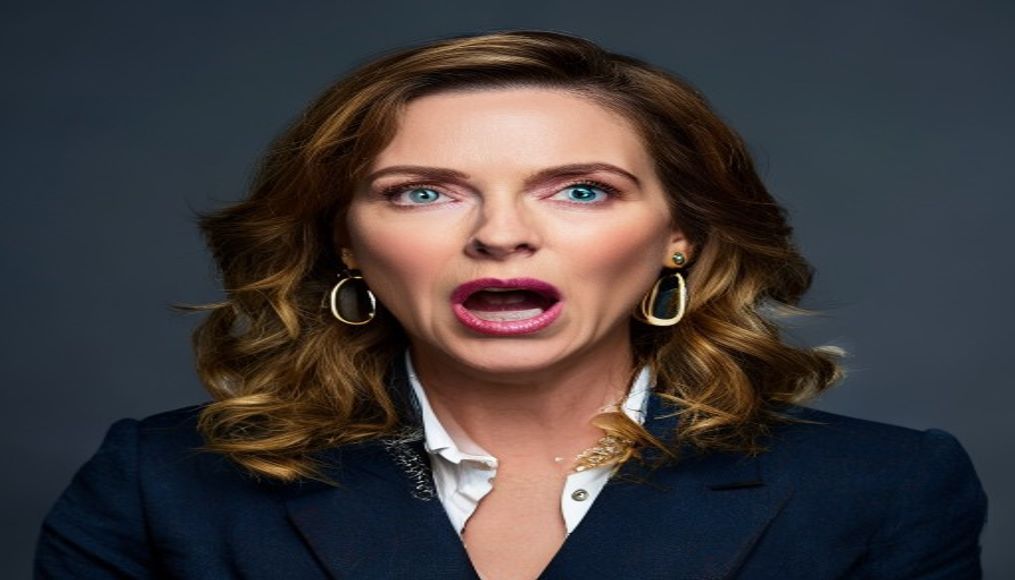

The political arena is often a cauldron of intense emotions, where leaders are scrutinized daily, and the weight of public expectation can sometimes lead to explosive outcomes. Recently, the phrase Ida Wobker meltdown analysis has become a trending topic, captivating audiences across social media platforms and news outlets alike. The incident, which unfolded during a high-stakes policy debate, has ignited a fascinating conversation about the psychological pressures faced by political figures. In this article, we’ll explore the multifaceted aspects of Wobker’s meltdown, the implications for her political career, and the broader societal conversations surrounding mental health in leadership.
The Incident: A Breakdown of Wobker’s Outburst
Ida Wobker, a prominent political figure known for her staunch advocacy in various policy areas, experienced a public outburst that left many stunned. During a recent debate, which was already fraught with tension, Wobker unexpectedly lost her composure. Her response included a tirade against her opponents, punctuated with emotional appeals that seemed out of character for the seasoned politician.
Video clips of the incident quickly circulated, garnering millions of views and shares across platforms such as Twitter, TikTok, and Facebook. Viewers noted not only her intense frustration but also a vulnerability that many found relatable. This mix of emotional rawness and professional pressure sparked widespread speculation about Wobker’s mental state. Could this be a sign of deeper struggles, or was it simply a momentary lapse?
Public Reaction: Sympathy vs. Criticism
The public’s reaction to Wobker’s meltdown was decidedly mixed. On one hand, many expressed sympathy, arguing that the pressures of political life can exacerbate mental health challenges. This sentiment resonated particularly in an age where discussions about mental well-being have gained significant traction.
However, critics were quick to pounce on the incident, framing it as evidence of a lack of preparedness and stability in Wobker’s leadership. Comments flooded in, with some suggesting that such an emotional display is unbecoming of a political leader. This duality in public response highlights a critical tension: how do we balance empathetic understanding of mental health with the expectations placed on those in power?
The Psychological Toll of Public Scrutiny
To understand the Ida Wobker meltdown analysis, it’s essential to delve into the psychological factors at play. Research shows that public figures often face intense pressure, which can lead to mental health issues. The constant scrutiny, criticism, and high-stakes environment can create a perfect storm for anxiety and emotional distress.
For politicians like Wobker, the pressure is not merely external but also internal. The fear of failure, the desire to uphold a public image, and the responsibility to constituents can lead to overwhelming stress. In Wobker’s case, her meltdown may have been the culmination of these pressures. Her emotional reaction serves as a reminder that beneath the polished exterior of political leaders lies the potential for human fragility. top mental health programs offers useful background here.
Analyzing Wobker’s Leadership Style
Ida Wobker has built her political career on a platform of strong convictions and passionate advocacy. She is known for her direct approach and willingness to engage in tough conversations. However, this outburst raises questions about her leadership style. Does passionate advocacy leave room for the emotional management required in high-pressure situations? (See: Associated Press news on political behavior.)
Wobker’s melting point might indicate a need for a more measured approach during debates and public appearances. Leaders often exhibit a range of leadership styles, from authoritative to democratic. The effectiveness of these styles can vary depending on the situation and the audience. In moments of high tension, leaders must balance their authoritative stance with vulnerability, demonstrating that they can withstand pressure while remaining relatable.
The Implications for Upcoming Elections
Wobker’s unexpected meltdown could have significant implications for her political future. As the election cycle heats up, the narrative surrounding her emotional outburst may become a focal point for opponents eager to capitalize on any perceived weakness. Political analysts are already speculating about how this incident might affect her polling numbers, fundraising efforts, and overall public perception.
In a landscape where media narratives can shift rapidly, Wobker will need to navigate the fallout from her meltdown carefully. It may require rebranding efforts, outreach to mental health organizations, or perhaps even a public statement addressing how she copes with the pressures of political life. Until then, she remains in a precarious position, walking the tightrope between public sympathy and political vulnerability.
Conversations About Mental Health in Politics
The fallout from Wobker’s meltdown has sparked a broader conversation about the mental health of public figures. Increasingly, advocates are calling for a recognition of the unique psychological challenges faced by politicians. The stigma surrounding mental health has begun to dissipate, but there is still a long way to go in terms of supporting leaders under pressure.
Associations and political organizations are starting to acknowledge these issues, offering resources and support systems for their members. Initiatives encouraging open dialogue about mental health in politics could foster an environment where leaders feel empowered to seek help without fear of judgment. As Wobker’s situation unfolds, it may serve as a catalyst for these crucial conversations.
Looking Ahead: The Future of Wobker’s Political Career
As we continue to analyze the Ida Wobker meltdown, it’s clear that her future hinges on how she manages the aftermath of this incident. Will she take this opportunity to engage in conversations about mental health, thereby redefining her public persona? Or will she retreat further into the realm of political caution, risking disconnection from the very constituents she aims to serve?
The intersection of mental health and politics is complex, but Wobker’s experience underscores a vital truth: our leaders are human, and with humanity comes vulnerability. Her ability to navigate this incident with grace and authenticity may not only shape her career but also influence the next generation of political leaders. For more on this, see mental health education resources.
Ultimately, the Ida Wobker meltdown analysis serves as a poignant reminder of the very real pressures faced by those in public office and the essential discussions that need to continue about mental health in the political sphere. As this story develops, the public will undoubtedly be watching closely, not just for Wobker’s next steps but also for how this narrative shapes the future of political discourse.
Comparative Analysis: Meltdowns in Political History
Wobker’s outburst may not be unprecedented in the realm of politics. Historical instances of political figures losing their composure can provide context for understanding her situation. For example, former U.S. President Lyndon B. Johnson was known for his explosive temper, yet he was also able to channel his passion into meaningful legislative change. Similarly, British Prime Minister Winston Churchill had his moments of frustration, which were often softened by his eloquent speeches and strategic prowess. (See: CDC resources on mental health in leadership.)
These leaders, while displaying emotional outbursts, managed to maintain a significant degree of public support. The key difference appears to be in their ability to pivot from moments of vulnerability to demonstrating strength in leadership. If Wobker can harness her experience and communicate effectively with her constituents, she could potentially redefine public perception of her leadership style. See also leading nursing colleges.
Expert Perspectives on Emotional Expression in Politics
Experts in political psychology weigh in on the implications of emotional displays in leadership. Dr. Samantha R. Fields, a political psychologist, argues that emotional transparency can be beneficial: “When leaders show authentic emotion, it humanizes them, making them more relatable. However, there is a fine line—if emotions become too overwhelming, it can erode confidence in their decisiveness.”
Professor James T. Monroe, a political analyst, adds, “Wobker’s meltdown might be a double-edged sword. It reflects the real pressures of leadership but could also raise questions about her emotional resilience. Voters often seek stability in their leaders, and while vulnerability is appreciated, excessive emotionality can be a concern.”
This balance between emotional authenticity and the need for composure is critical for modern political figures, especially as the public becomes increasingly engaged in discussions around mental health.
FAQs on the Ida Wobker Meltdown Analysis
What led to Ida Wobker’s meltdown during the debate?
The meltdown was triggered by a combination of high-stakes pressure, personal investment in the issues being discussed, and possible accumulated stress from ongoing political battles. The intensity of the situation, compounded by the scrutiny of the audience and media, likely contributed to her emotional outburst.
How has the public been reacting to Wobker’s incident?
Public reactions have been mixed, with some expressing empathy for the pressures she faces, while others criticize her for perceived instability. This duality reflects broader societal discussions about mental health and expectations of political leaders.
What are the potential long-term impacts on Wobker’s career?
The long-term impacts could vary significantly. If she manages the situation well, leveraging it to connect with voters on mental health issues, it could bolster her support. Conversely, if she fails to address the fallout effectively, it could lead to diminished public trust and support. We covered child and adolescent support strategies in more detail.
How can political leaders better manage stress and emotional well-being?
Leaders can prioritize mental health by seeking professional support, engaging in self-care practices, and fostering open dialogue about stress in their offices. Establishing a culture that values mental well-being can help mitigate the pressures of public life. (See: New York Times coverage of political incidents.)
What role does public perception play in political resilience?
Public perception is crucial, as voters often assess a leader’s capabilities not just through policy decisions but also through emotional responses. Leaders who maintain a favorable public image while addressing their vulnerabilities can foster greater resilience in their political careers.
The Role of Social Media in Shaping Public Perception
In today’s digital age, social media plays an instrumental role in shaping public perception of political figures. The rapid dissemination of video clips and commentary surrounding Wobker’s meltdown illustrates how platforms like Twitter and TikTok can amplify a moment of emotional vulnerability, influencing public opinion almost in real-time. A single incident can be dissected, memed, and debated endlessly, creating a narrative that can significantly impact a politician’s reputation.
Moreover, the nature of social media encourages a certain immediacy in reactions. Users may share their thoughts before fully analyzing the context, leading to a polarized response. This phenomenon highlights the importance of media literacy among the public, as the interpretation of Wobker’s outburst can vary widely depending on which sources individuals trust and follow. Moving forward, Wobker may need to engage with this online landscape more strategically, using social media to communicate her perspective and to foster a more nuanced dialogue about her emotional experience.
Learning from Other Political Meltdowns
While Wobker’s situation is unique, it can also be insightful to look at other political figures who have experienced similar meltdowns. Take U.S. Senator John McCain, for instance, who had a notable moment of frustration during debates but managed to turn this into a rallying point for his supporters by embracing the narrative of passion for his cause. This approach allowed him to maintain a strong connection with his base, demonstrating that emotional outbursts, when framed positively, can bolster a politician’s image rather than diminish it.
The ability to effectively manage and recover from these moments can serve as a lesson for Wobker as she navigates the aftermath of her own incident. The key lies in reframing the narrative, showing growth from the experience, and maintaining authenticity in future interactions with the public.
Trending Now
- this guide on unlock your potential with these freelance writing tips: join iapwe as a freelance writer
- this guide on 2026 – 2027 best school districts and 2026 – 2027 best elementary schools in north dakota
- 2026 – 2027 Best Middle Schools…
- this guide on 2026 – 2027 best school districts and 2026 – 2027 best colleges and universities in north carolina
Frequently Asked Questions
What caused Ida Wobker's meltdown during the debate?
Ida Wobker's meltdown during the debate was triggered by the intense pressure and scrutiny typical in the political arena. Her unexpected outburst included emotional appeals and a tirade against her opponents, reflecting a moment of vulnerability amidst high-stakes discussions.
How did the public react to Ida Wobker's outburst?
Public reaction to Ida Wobker's outburst was mixed. Many expressed sympathy, acknowledging the mental health challenges faced by political figures, while critics used the incident to question her composure and suitability for leadership, highlighting the divided opinions on her emotional display.
What implications does Wobker's meltdown have for her political career?
Wobker's meltdown could have significant implications for her political career, potentially affecting public perception and voter support. The incident raises questions about her ability to handle pressure, which may influence her future in politics and discussions around mental health in leadership roles.
What discussions about mental health were sparked by Wobker's incident?
Wobker's incident sparked discussions about the mental health challenges faced by political leaders. It highlighted the need for greater awareness and support for mental well-being in high-pressure environments, resonating with a public increasingly concerned about mental health issues.
Was Ida Wobker's meltdown a sign of deeper issues?
While some speculate that Wobker's meltdown could indicate deeper mental health struggles, others view it as a momentary lapse under pressure. The incident has ignited conversations about the emotional toll of political life and the importance of addressing mental health in leadership.
Have you experienced this yourself? We'd love to hear your story in the comments.






