

“`html
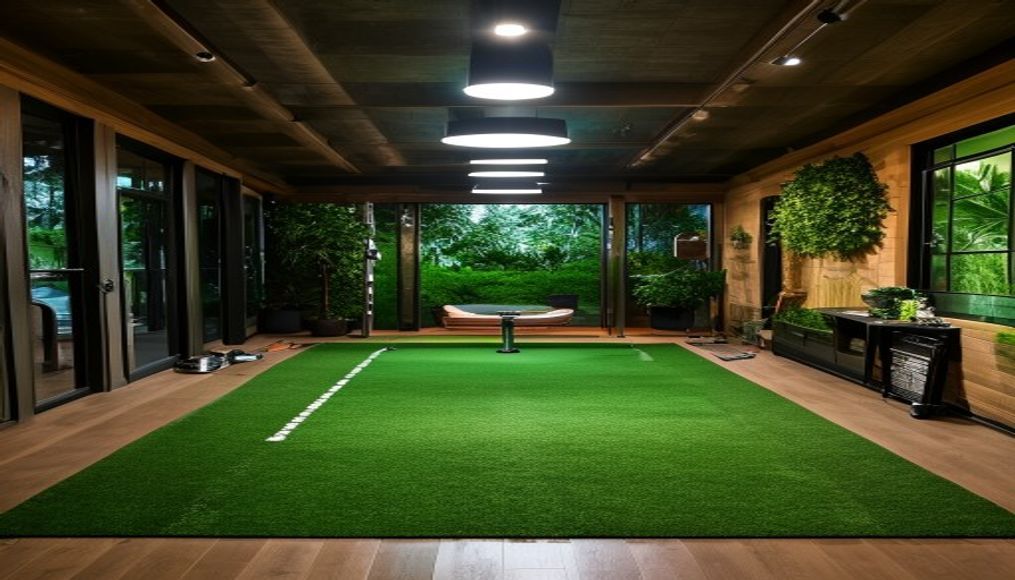
Whether you’re a seasoned golfer or a casual weekend warrior, the allure of having an indoor putting green is undeniable. Imagine being able to practice your short game without having to step outside or drive to your local course. With advancements in technology and a growing interest in golf, more and more people are making the leap to bring the putting green experience right into their homes. In this comprehensive guide, we’ll explore the best indoor putting greens available, their features, benefits, and how they can transform your game.
1. What is an Indoor Putting Green?
An indoor putting green is a specialized area designed for practicing putting skills. These greens can be installed in various spaces, from basements to offices, and vary in size and material. The primary purpose is to provide a realistic putting experience that helps golfers improve their accuracy and distance control.
Indoor putting greens are typically made from synthetic materials that mimic the feel of natural grass, giving players a true-to-life experience. Many models come with adjustable slopes and breaks, allowing users to replicate the conditions of an actual golf course. Whether you want to work on your short game or just enjoy the sport indoors, an indoor putting green can be a fantastic addition to your home or workspace.
2. Benefits of an Indoor Putting Green
Investing in an indoor putting green offers numerous advantages. First and foremost, convenience is a major factor. You can practice whenever you want, regardless of the weather conditions outside. This accessibility makes it easier to maintain a consistent practice routine, which is crucial for improvement.
Moreover, an indoor putting green can save time and money. Instead of paying for greens fees or travel expenses to practice at a golf course, you can have your own private space for practice. Additionally, these greens can be tailored to fit your specific needs, allowing for targeted improvement. Whether you want to focus on distance control, accuracy, or developing a consistent stroke, an indoor putting green can be customized to help meet those goals.
Another significant benefit is the ability to practice without distractions. Many golfers find it challenging to stay focused at crowded courses. An indoor putting green allows you to create a tranquil environment where you can concentrate solely on your game, enhancing your practice sessions.
3. Choosing the Right Indoor Putting Green
When selecting an indoor putting green, several factors should be considered. First, evaluate the size of the space where you plan to install it. Indoor putting greens come in various dimensions, so it’s essential to choose one that fits comfortably within your area without feeling cramped.
Next, consider the material. High-quality synthetic grass will provide a more realistic feel and better performance. Look for options with a shorter pile height that can mimic the speed of greens on a golf course. Additionally, assess the features of the green. Some models come with adjustable slopes, built-in hazards, and various hole sizes, offering a more challenging and engaging experience. (See: Learn more about the sport of golf.)
Don’t overlook the importance of aesthetic appeal. Many indoor putting greens are designed to be visually appealing and can complement your home decor. Investing in a model that you find attractive can enhance your enjoyment and motivate you to practice more often.
4. Top Indoor Putting Greens on the Market
Here are some of the best options available right now that cater to various budgets and preferences:
- Perfect Practice Indoor Putting Green: This model is designed with a realistic surface that mimics the feel of natural grass. It includes alignment guides and a ball return system for efficient practice.
- SKLZ Indoor Putting Green: A great option for space-conscious golfers, this compact green features a 9-foot putting surface and a unique ball return feature, making it easy to practice without interruptions.
- Putt-A-Bout Grassroots Putting Green: With a larger surface area and different hole sizes, this green offers versatility and a realistic putting experience at an affordable price point.
- Tour Links Putting Green System: For those willing to invest more, this premium option allows for customizable layouts and comes with high-quality turf, making it ideal for serious golfers.
Each of these options caters to different budgets and needs, ensuring that there’s an indoor putting green for everyone.
5. Setting Up Your Indoor Putting Green
Setting up an indoor putting green can be a straightforward process, but the specifics will depend on the model you choose. Most greens come with clear instructions, but here are some general steps to keep in mind:
- Choose the Right Location: Find a flat, dry area with enough space for your green. Ideally, the area should be free from distractions.
- Prepare the Surface: Ensure the area is clean and level. If necessary, use a mat or padding to provide a smooth surface.
- Assemble the Green: Follow the manufacturer’s instructions to set up the green, which may involve connecting sections or securing it to the floor.
- Test Your Setup: Once assembled, roll some putts to ensure the surface plays well and that you’re comfortable with the layout.
With proper setup, your indoor putting green can become a reliable tool for honing your skills.
6. Tips for Maximizing Your Practice Sessions
To get the most out of your indoor putting green, it’s essential to practice effectively. Here are some tips to help you maximize your practice sessions:
- Set Goals: Whether it’s sinking a certain number of putts in a row or improving your distance control, having specific goals will keep your practice focused and productive.
- Incorporate Drills: Use drills that simulate on-course situations. For example, practice breaking putts or short putts with varying distances to challenge yourself.
- Track Your Progress: Keep a log of your practice sessions to identify areas of improvement and track your performance over time.
- Change Up Your Routine: Keep your practice sessions fresh by varying your drills and techniques. This can help you work on different aspects of your putting and prevent boredom.
Implementing these strategies will help you make the most of your time with your indoor putting green, leading to tangible improvements in your game.
7. Cost Considerations
When it comes to indoor putting greens, costs can vary widely based on the size, quality, and features. Basic models may start around $50, while high-end options can exceed $1,000. It’s crucial to balance quality with your budget; opting for the cheapest option could lead to dissatisfaction if it doesn’t meet your practice needs.
Additionally, consider the long-term investment. A quality indoor putting green can enhance your skills and provide years of enjoyment, making it worth the initial investment. Look for sales, discounts, or bundles that could help you save money while still getting a solid product. (See: Physical activity and health benefits.)
When budgeting, also factor in maintenance costs. While most synthetic greens require minimal upkeep, occasional cleaning and repairs might be necessary, especially if you use your green frequently. Understanding the total cost of ownership can help you make a more informed decision.
8. The Future of Indoor Putting Greens
The trend of indoor putting greens is only expected to grow. With technology continually advancing, we could soon see greens equipped with smart features, such as performance tracking and integration with mobile apps to analyze your putting stats. Imagine having real-time feedback on your stroke mechanics!
As more players recognize the convenience of practicing indoors, manufacturers will likely introduce even more innovative designs and customizable options. The future of indoor putting greens holds a lot of promise, making it an exciting time for golf enthusiasts.
9. Expert Perspectives on Indoor Putting Greens
Golf instructors and professionals often emphasize the importance of practice to improve skills. Many recommend incorporating an indoor putting green into your training regimen. According to renowned golf instructor and coach, David Leadbetter, “Practicing on an indoor putting green allows golfers to work on their technique in a controlled environment, which can translate to better performance on the course.”
Furthermore, some coaches have found that using an indoor putting green can help players develop better mental focus. The ability to practice in a quieter, more consistent environment can improve a golfer’s confidence, especially when facing pressure during matches.
10. Comparing Indoor Putting Greens to Outdoor Practice
While practicing on an indoor putting green has numerous benefits, comparing it to outdoor practice reveals some interesting differences. Outdoor greens provide an authentic feel, with natural slopes, grass conditions, and environmental factors like wind and humidity that affect ball movement.
However, outdoor practice requires travel and may be subject to weather conditions, making it less reliable. Indoor putting greens eliminate these variables, allowing for consistent practice regardless of external factors. Many golfers find that a combination of both indoor and outdoor practice yields the best results, as each has unique benefits.
11. FAQ About Indoor Putting Greens
Q: Do indoor putting greens require much maintenance?
A: Generally, indoor putting greens need minimal maintenance. Regular cleaning and occasional adjustments to the surface can help keep it in good condition. (See: Indoor putting greens in modern golf.) comprehensive guide to indoor putting offers useful background here.
Q: Can I customize my indoor putting green?
A: Yes, many indoor putting greens come with customizable features like slopes, hole sizes, and layouts, allowing you to fine-tune it according to your preferences.
Q: Are there specific drills I should do on my indoor putting green?
A: Absolutely! Drills such as the “clock drill,” where you putt from various distances around a hole, or “lag putting,” which focuses on distance control, are great for honing your skills.
Q: How much space do I need for an indoor putting green?
A: The space required can vary significantly based on the size of the green. Some models can fit in a small corner, while others may need more room to allow for a realistic experience. Measure your space before purchasing to ensure a good fit.
Q: Can kids use indoor putting greens?
A: Absolutely! Indoor putting greens can be a fun way for kids to learn the basics of putting and develop a love for golf in a safe, controlled environment.
Investing in an indoor putting green is a practical choice for golfers looking to enhance their game without the constraints of time or weather. By understanding the benefits, considering your options carefully, and implementing effective practice habits, you can take your putting skills to new heights. So why wait? Start exploring the best indoor putting greens today and watch your game improve!
“`
Trending Now
Frequently Asked Questions
What is the best indoor putting green for home use?
The best indoor putting greens vary based on personal needs, but some top recommendations include models with adjustable slopes and high-quality synthetic materials. Look for options that mimic natural grass and offer features like break adjustments to enhance your practice experience.
How much space do you need for an indoor putting green?
The space required for an indoor putting green depends on the size of the green you choose. Most models can fit in areas as small as a few square feet, while larger setups may require a dedicated room or basement. Consider your available space and practice goals when selecting a size.
Are indoor putting greens worth it?
Yes, indoor putting greens are worth the investment as they provide convenience and accessibility for practice, allowing golfers to improve their skills without weather constraints. They can save time and money on greens fees while offering a personalized training environment.
Can you use a regular putting mat instead of an indoor putting green?
While regular putting mats can be used for practice, indoor putting greens offer a more realistic experience with features like adjustable slopes and breaks. Indoor greens are designed to closely mimic the feel of actual greens, making them more effective for skill improvement.
How do you maintain an indoor putting green?
Maintaining an indoor putting green involves regular cleaning to remove dust and debris, checking for wear and tear, and ensuring the surface remains flat. Depending on the material, occasional brushing or vacuuming may be necessary to keep it in optimal condition for practice.
What's your take on this? Share your thoughts in the comments below — we read every one.






