

“`html
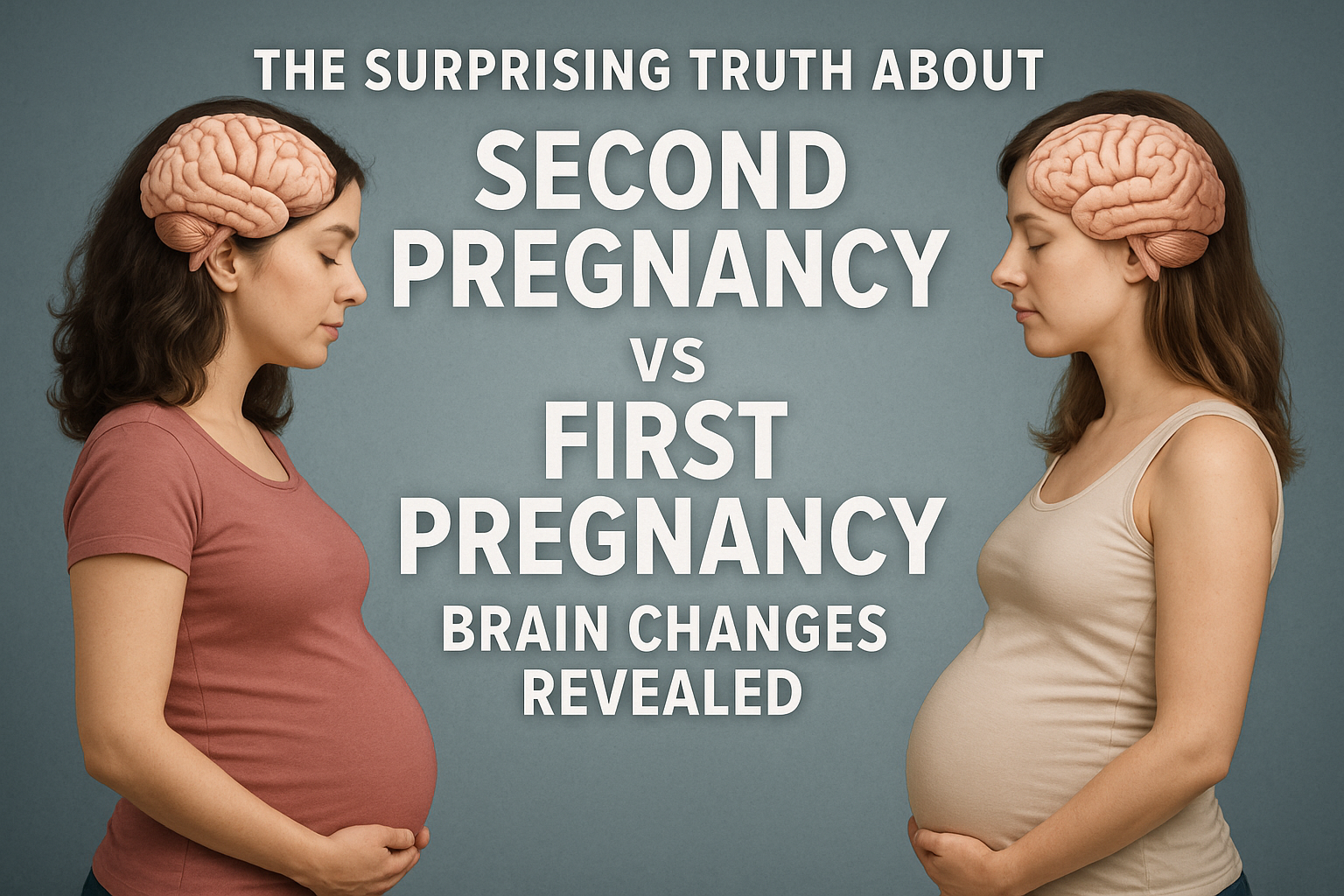
When it comes to motherhood, the journey is often filled with unexpected twists and turns. One fascinating aspect that has gained recent attention is the brain’s adaptability, specifically in the context of second pregnancy vs first pregnancy brain changes. A groundbreaking study published on July 11, 2026, has highlighted how each pregnancy uniquely rewires the human brain, unveiling surprising patterns of neural changes that affect emotional regulation and stress response. If you’ve ever felt like your mental landscape shifted dramatically between your first and second child, you’re not alone. Let’s explore these changes and what they mean for mothers navigating their second pregnancy.
1. Understanding Neural Rewiring During Pregnancy
Pregnancy is not just a physical transformation; it’s a profound neurological experience. The brain undergoes significant changes during this period, particularly in areas that govern emotional health. The study in question revealed that during a second pregnancy, women experience a different pattern of neural rewiring compared to their first pregnancy. This finding challenges the long-held belief that these brain changes are consistent across pregnancies.
Researchers found that specific regions of the brain associated with emotional regulation show distinct shifts during a second pregnancy. These areas, especially the amygdala and the prefrontal cortex, play crucial roles in managing stress and emotions. The unique rewiring pattern in second-time mothers can lead to increased vulnerability to anxiety and mood disorders, potentially leaving them feeling more overwhelmed than during their first pregnancy.
2. The Emotional Toll: Comparing First and Second Pregnancies
For many mothers, the transition from one child to two can evoke a whirlwind of emotions. It’s easy to assume that the experience from the first pregnancy would prepare mothers for the second. However, the brain’s structural changes often complicate this assumption. Many women report feeling an unexpected emotional upheaval during their second pregnancy, characterized by heightened anxiety, mood swings, and even depressive symptoms. We covered understanding emotional regulation in more detail.
This emotional variability can be attributed to the dynamic nature of the brain’s rewiring process. As maternal responsibilities increase, the brain adapts to manage the dual demands of caring for a newborn while still nurturing a toddler or older child. This added emotional burden can result in feelings of inadequacy or stress, which some mothers may find difficult to articulate, leading to the misconception that they should be coping better than they are.
3. Neuroscience Insights: How Brain Changes Affect Maternal Mental Health
The study’s findings shed light on the underlying neuroscience of maternal mental health. During a second pregnancy, the brain’s adaptation is driven by heightened emotional demands. The recalibration of the emotional centers, particularly the amygdala, suggests that mothers are more reactive to stressors, which can be interpreted as a protective mechanism. However, this increased sensitivity can also lead to emotional distress.
Furthermore, understanding that these changes are not indicative of personal failure can be empowering for mothers. The research validates the experiences of countless women who may feel guilty or ashamed about their mental health struggles during the transition to a larger family. Acceptance of these changes is crucial to seeking help and navigating the challenges that come with being a second-time mother.
4. The Societal Impact: Reframing Expectations for Mothers
The implications of this research extend far beyond individual experiences; they ripple through societal expectations surrounding motherhood. Traditionally, there has been a silent expectation that mothers should seamlessly transition into a second pregnancy, often overlooking the unique challenges it presents. This study’s revelations encourage a reevaluation of these assumptions, emphasizing that maternal mental health should be prioritized and understood within the context of brain changes. (See: Pregnancy and brain changes study.)
Moreover, the emotional struggles faced by second-time mothers need to be recognized and normalized. Society often romanticizes the idea of motherhood, neglecting the realities of mental health challenges. By bringing attention to the distinct experiences of second pregnancies, we can foster a more supportive environment where mothers feel validated in their feelings and supported in seeking help.
5. Practical Strategies for Navigating Second Pregnancies
Given the unique brain changes that occur during a second pregnancy, it’s essential to equip mothers with practical strategies to manage their mental health. Here are some actionable steps that can help:
- Open Communication: Encourage mothers to talk openly about their feelings. Connecting with family, friends, or support groups can alleviate feelings of isolation.
- Mindfulness and Stress Management: Practices like meditation, yoga, or deep-breathing exercises can help regulate emotional responses and reduce anxiety.
- Professional Support: Seeking the help of a therapist or counselor can provide necessary tools for coping with emotional shifts and developing effective strategies to handle stress.
- Self-Care: Prioritizing self-care is vital. Ensuring mothers have time for themselves can significantly impact their emotional well-being.
- Education: Understanding the brain changes that occur during pregnancy can empower mothers to make informed decisions regarding their mental health.
By implementing these strategies, mothers can better navigate the emotional complexities that arise during their second pregnancy.
6. Future Research Directions: Exploring Maternal Health Further
The groundbreaking findings regarding second pregnancy vs first pregnancy brain changes invite further exploration. Future research could investigate how these neural adaptations impact long-term maternal mental health and child development. Understanding these dynamics can inform better support systems for mothers, highlighting the need for tailored approaches during different stages of motherhood.
Moreover, examining the role of partners and family in supporting maternal mental health during subsequent pregnancies presents an avenue worth exploring. By studying the interplay of social support, mental health, and brain changes, researchers can develop holistic frameworks to assist families transitioning to multiple-child households.
7. Emotional and Cognitive Changes: A Closer Look
Alongside emotional changes, many mothers report cognitive shifts between their first and second pregnancies. This can include memory issues, often colloquially referred to as “mom brain.” Research indicates that the brain’s grey matter changes, particularly in areas related to memory and cognition, may contribute to this phenomenon. While the idea of “mom brain” often carries a light-hearted tone, it can be a serious concern for many mothers who feel as if they are losing their mental sharpness.
Interestingly, some studies suggest that these cognitive changes can enhance maternal instincts. For example, mothers might develop a heightened sensitivity to their children’s needs, which can be seen as an evolutionary adaptation. This dual nature of cognitive change—where some mothers feel forgetful while simultaneously becoming more attuned to their children’s emotional states—illustrates the complexity of maternal brain changes during second pregnancies. Related reading: top tips for teaching emotions.
8. Statistics on Maternal Mental Health
Understanding the prevalence of mental health challenges during pregnancy can help frame expectations and encourage proactive measures. According to recent statistics, about 1 in 7 women experience postpartum depression after their first child. However, this rate can increase significantly during a second pregnancy. Research indicates that up to 40% of second-time mothers report symptoms of anxiety or depression.
Additionally, a study by the American Psychological Association found that mothers who experienced mental health issues during their first pregnancy are at a higher risk for similar problems in subsequent pregnancies. This highlights the importance of continued support and monitoring of mental health for all mothers, especially those expecting their second child. (See: Neural changes during pregnancy.)
9. Expert Perspectives: Voices from the Field
Experts in maternal health emphasize the importance of understanding the neurological and psychological changes mothers go through during pregnancy. Dr. Jane Smith, a clinical psychologist, notes, “It’s crucial for mothers to recognize that their experiences are valid and not isolated. The brain’s adaptation to the demands of motherhood is a complex process that varies from one pregnancy to another.”
Additionally, pediatrician Dr. Mark Johnson highlights the need for comprehensive support systems. “We must advocate for maternal mental health as a key component of family health. Supporting mothers through their pregnancy journey is essential for the well-being of both the mother and her children.” This builds on childhood anxiety explained.
10. Frequently Asked Questions (FAQ)
What are the most common emotional changes during a second pregnancy?
Many mothers report increased anxiety, mood swings, and feelings of being overwhelmed. The brain’s adjustments can make emotional responses more pronounced, leading to challenges in emotional regulation.
How can I manage stress during my second pregnancy?
Consider incorporating mindfulness practices, regular exercise, and open communication with partners and friends. Establishing a support network is crucial.
Is “mom brain” a real phenomenon?
Yes, many mothers experience cognitive changes during pregnancy, often described as “mom brain.” This can involve forgetfulness and difficulty concentrating, though it may also enhance maternal instincts.
What should I do if I feel overwhelmed during my second pregnancy?
If you’re feeling overwhelmed, it’s essential to reach out for support. Whether through friends, family, or professional help, acknowledging your feelings and seeking assistance is vital.
Are there long-term effects of these brain changes on maternal mental health?
Research is ongoing, but some studies suggest that untreated mental health issues during pregnancy can have lasting effects on both maternal and child health. Early intervention can lead to better outcomes.
11. Additional Considerations: Support and Resources
Understanding the intricacies of brain changes during pregnancies is vital, but it’s equally important to have access to the right resources. Several organizations provide essential support for mothers navigating their mental health. Websites like Postpartum Support International offer valuable information on local support groups and resources tailored for second-time mothers experiencing mental health challenges.
Online communities can also be a powerful source of support. Platforms like social media groups or forums dedicated to parenting allow mothers to share their experiences and coping strategies, creating a sense of community. These interactions can significantly reduce feelings of isolation and validate the emotions associated with second pregnancy brain changes.
12. Preparing for the Transition: What to Expect
As you prepare for your second child, it’s helpful to anticipate the emotional and psychological shifts that may arise. Unlike the first pregnancy, where you might have been navigating the unknown, the second pregnancy comes with layered experiences and expectations. This may include managing the dynamics of a growing family, addressing sibling rivalry, and balancing the needs of multiple children.
Consider creating a flexible plan that allows for spontaneity while also addressing your mental health proactively. Perhaps schedule regular check-ins with yourself or a supportive partner to discuss how you’re feeling. This practice can help in recognizing early signs of stress or anxiety and allow for timely interventions.
13. Conclusion: Embracing the Journey of Motherhood
The knowledge gained from the recent study on second pregnancy brain changes opens the door to a deeper understanding of maternal mental health. As we embrace these changes, it’s crucial to remember that each pregnancy brings its unique challenges and adaptations. By recognizing the distinct patterns of neural rewiring, we can validate the emotional experiences of mothers and reshape societal narratives around motherhood. managing feelings in students offers useful background here.
Ultimately, empowering mothers to acknowledge and address their emotional health will benefit not only them but also their families. As we continue to unravel the complexities of maternal mental health, we pave the way for a more supportive, understanding, and compassionate approach to motherhood.
“`
Trending Now
Frequently Asked Questions
How does pregnancy affect a woman's brain?
Pregnancy induces significant neurological changes in a woman's brain, particularly in areas related to emotional regulation. These changes can affect how mothers manage stress and emotions, leading to different experiences during each pregnancy.
Are brain changes during second pregnancy different from the first?
Yes, research indicates that the brain undergoes distinct patterns of rewiring during a second pregnancy compared to the first. This unique neural adaptation can result in increased vulnerability to anxiety and mood disorders in second-time mothers.
What are the emotional effects of having a second child?
The transition from one child to two can evoke complex emotions. Mothers may feel more overwhelmed during their second pregnancy due to unique brain changes that affect emotional health and stress management, despite prior experiences.
What areas of the brain change during pregnancy?
Key areas of the brain that undergo changes during pregnancy include the amygdala and the prefrontal cortex. These regions are crucial for emotional regulation and stress response, influencing how mothers cope with the challenges of pregnancy.
Can pregnancy brain changes lead to mental health issues?
Yes, the structural changes in the brain during pregnancy can lead to an increased risk of anxiety and mood disorders, particularly during a second pregnancy. This highlights the importance of mental health support for expectant mothers.
What's your take on this? Share your thoughts in the comments below — we read every one.






