

“`html
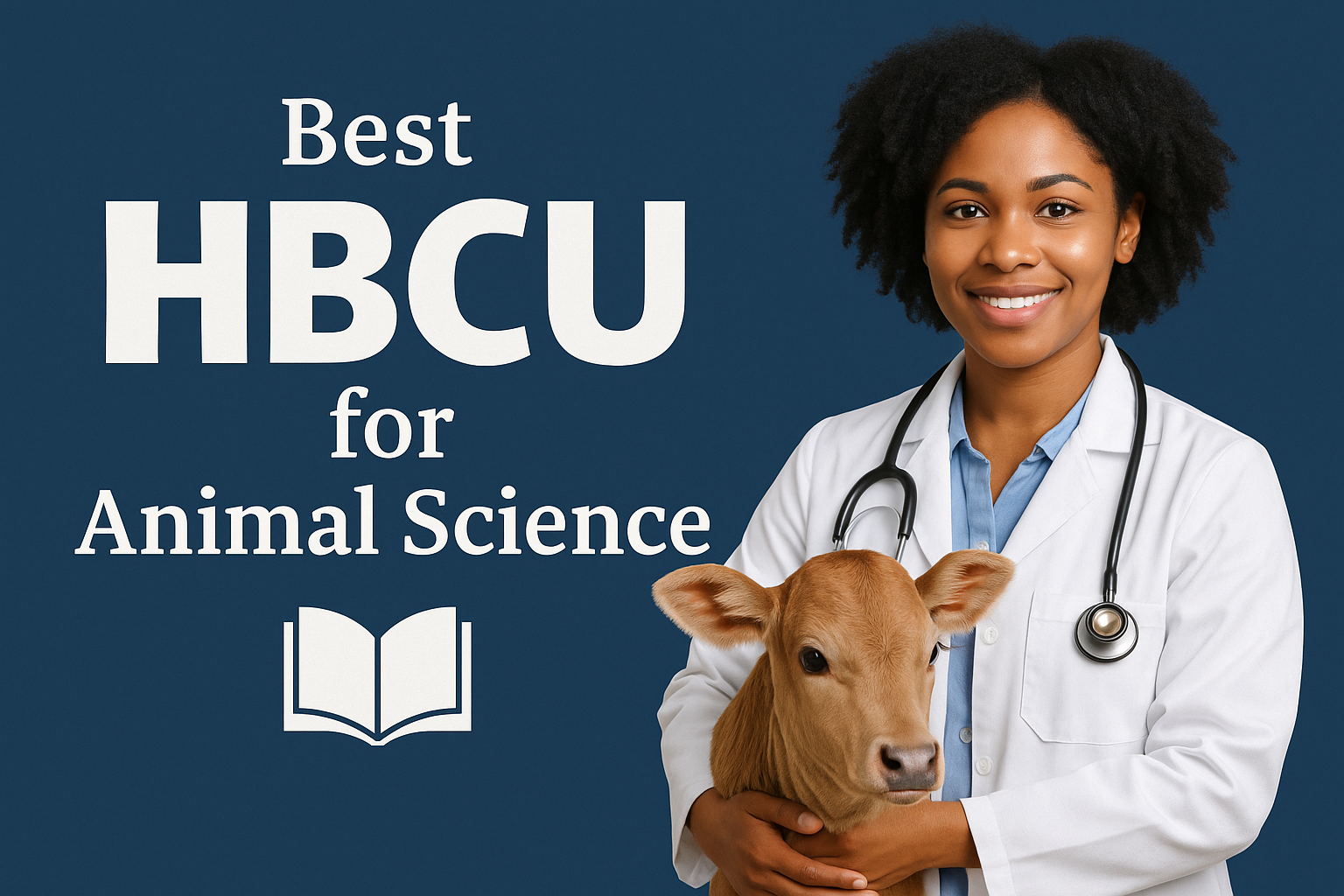
The field of animal science is expanding, and many students are looking for colleges that offer strong programs in this area. If you’re considering pursuing a degree in animal science at a Historically Black College or University (HBCU), you’re in luck. HBCUs provide a unique educational experience, emphasizing not only academic excellence but also cultural heritage and community involvement. Here, we’ll delve into the top seven HBCUs known for their animal science programs, detailing what makes each institution stand out.
1. North Carolina A&T State University
North Carolina A&T State University (NC A&T) is widely regarded as one of the best HBCUs for animal science. This institution offers a comprehensive Bachelor of Science in Animal Science that encompasses various aspects of animal biology, physiology, nutrition, and management. What sets NC A&T apart is its strong emphasis on research and community engagement. The university consistently encourages students to participate in research projects that often tackle pressing issues in agriculture and animal health.
With state-of-the-art facilities and a dedicated faculty team, NC A&T also fosters partnerships with local farms and veterinary practices. This hands-on learning experience is invaluable for students looking to gain real-world skills and insights. The university’s commitment to preparing students for careers in veterinary medicine, animal husbandry, and agribusiness makes it a front-runner in animal science education.
2. Florida A&M University
Florida A&M University (FAMU) boasts a robust animal science program through its College of Agriculture and Food Sciences. The program offers a Bachelor of Science degree in Animal Science, focusing on equine, livestock, and poultry management. FAMU emphasizes experiential learning, providing students with opportunities for hands-on training at its agricultural facilities.
FAMU is also known for its strong involvement in research concerning food security and animal welfare, which is increasingly relevant in today’s climate. Students engage in community outreach programs, helping educate local farmers about sustainable practices. This blend of education and community service makes FAMU a prime contender for anyone seeking to make an impact in the field of animal science.
3. Tuskegee University
Tuskegee University has a long-standing reputation for excellence in veterinary and animal science education. Its veterinary school, established in 1945, is the only historically black college or university offering a Doctor of Veterinary Medicine (DVM) program. This makes Tuskegee a unique place for aspiring veterinarians.
In addition to the DVM program, Tuskegee offers a Bachelor of Science in Animal and Poultry Science. The curriculum is designed to prepare students for a variety of careers in animal health, research, and production. Furthermore, the university’s strong focus on research initiatives, particularly in animal health and welfare, provides students with opportunities to publish their findings and collaborate with faculty on impactful projects.
4. Prairie View A&M University
Prairie View A&M University (PVAMU) offers a Bachelor of Science in Animal Science and is particularly noted for its innovative approaches to teaching and research. The program emphasizes animal production, nutrition, and genetics, providing students with a well-rounded education. PVAMU is known for its commitment to addressing agricultural challenges specific to the African American community and the broader society. (See: Overview of animal science.)
Students at PVAMU benefit from access to the university’s extensive research farms, where they can gain practical experience working with livestock and conducting experiments. This hands-on experience is crucial for students who want to transition smoothly into the workforce or pursue advanced degrees.
5. Southern University and A&M College
Southern University and A&M College offers a Bachelor of Science in Animal Science that equips students with foundational knowledge in animal health, nutrition, and management practices. The program focuses on both traditional livestock and companion animals, ensuring that students receive a comprehensive education.
What’s unique about Southern University is its commitment to community service and agricultural outreach. The university actively engages in cooperative extension services, helping local communities improve their agricultural practices. This emphasis on real-world application not only enhances students’ learning experiences but also provides them with valuable networking opportunities in the agricultural sector.
6. Jackson State University
Jackson State University (JSU) offers a Bachelor of Science degree in Animal Science through its College of Science, Engineering, and Technology. The program is designed to give students a thorough understanding of animal biology, nutrition, and breeding. JSU stands out for its focus on research opportunities in areas like animal health and nutrition, which are critical for addressing current challenges in livestock management.
Students benefit from hands-on learning experiences and are encouraged to participate in internships and cooperative education programs. JSU’s collaborations with local agricultural organizations and farms provide students with on-the-ground experience that is invaluable in today’s job market.
7. Delaware State University
Delaware State University (DSU) is another top institution offering a solid program in animal science. The university’s Bachelor of Science in Animal Science provides students with in-depth knowledge about various species, focusing on livestock management, genetics, and breeding. DSU emphasizes research and offers students numerous opportunities to engage in projects that can lead to real-world applications.
Additionally, DSU is committed to sustainability and animal welfare, often integrating these important topics into its curriculum. The university encourages students to think critically about the ethical implications of animal science, preparing them for a dynamic career landscape. This builds on Tuskegee's programs.
Why Choose an HBCU for Animal Science?
Choosing an HBCU for animal science can provide a unique educational experience that goes beyond traditional learning. HBCUs often emphasize community, culture, and service, fostering an environment where students can thrive academically while also growing personally. These institutions frequently offer smaller class sizes, allowing for more individualized attention from faculty, which can be critical in a specialized field like animal science. (See: USDA Animal Science resources.)
Moreover, HBCUs are known for their commitment to diversity and inclusion, providing a supportive environment for students from various backgrounds. Many HBCUs also have strong ties to local agricultural communities, giving students a chance to engage in relevant hands-on projects that can significantly enhance their academic experience.
Career Opportunities in Animal Science
Graduating with a degree in animal science from one of the best HBCUs can lead to various career paths. Here are some common options that graduates might consider:
- Veterinarian: Working with animals in a clinical setting to diagnose and treat illnesses.
- Animal Nutritionist: Specializing in the dietary needs of different animal species to optimize health and production.
- Livestock Manager: Overseeing the day-to-day operations of farms, including animal care and welfare.
- Animal Behaviorist: Studying animals’ behaviors to improve welfare and training methods.
- Research Scientist: Conducting experiments to advance the field of animal science, often focusing on genetics, breeding, and health.
Current Trends in Animal Science Education
Animal science education is evolving to meet the demands of a changing world. Emerging trends in the field include:
- Focus on Sustainability: As global concerns about climate change and food security grow, animal science programs are increasingly incorporating sustainability into their curricula. This includes practices that minimize environmental impact while maximizing productivity.
- Integration of Technology: The use of technology in animal science is on the rise. From data analytics in breeding programs to advancements in veterinary medicine, students are being trained to use cutting-edge tools and techniques.
- Interdisciplinary Approaches: Collaborations between animal science and other fields, such as environmental science and economics, are becoming more common. This holistic approach helps students understand the broader context of their work and its impact on society.
Frequently Asked Questions (FAQ)
What is the typical duration of an animal science degree program?
A Bachelor’s degree in animal science generally takes four years to complete. Some programs may offer accelerated tracks or dual degree options that could extend or shorten this duration.
Are there scholarships available for students pursuing animal science at HBCUs?
Yes, many HBCUs offer scholarships specifically for students in agriculture and animal science programs. Additionally, external organizations and foundations may provide funding based on merit or financial need.
What skills will I learn in an animal science program?
Students can expect to develop a range of skills, including critical thinking, problem-solving, technical skills related to animal care, and an understanding of animal behavior and nutrition.
Can I pursue graduate studies after earning a degree in animal science?
Absolutely! Many graduates go on to pursue advanced degrees in veterinary medicine, animal behavior, or related fields. HBCUs often have strong graduate programs to support this further education.
What types of research opportunities are available in animal science at HBCUs?
Research opportunities can vary by institution but typically include projects related to animal health, nutrition, genetics, and welfare. Students may have the chance to work alongside faculty members and contribute to published research. (See: CDC on animal health.)
The Importance of Cultural Context in Animal Science Education
One of the distinctive features of HBCUs is their integration of cultural context into the educational experience. In the realm of animal science, this can mean understanding how cultural practices influence animal husbandry and management. For instance, traditional farming methods that have been passed down through generations within African American communities can be valuable to learn and incorporate into modern practices. This cultural perspective enriches the curriculum and prepares students to navigate diverse agricultural landscapes.
Furthermore, HBCUs often emphasize the importance of community-oriented approaches to animal science. Students are taught to consider the welfare of both animals and the communities that rely on them. This perspective is crucial in creating sustainable agricultural practices that are economically viable and socially responsible.
Success Stories from HBCU Animal Science Graduates
Many graduates from HBCUs have gone on to achieve remarkable success in the field of animal science. For example, Dr. Tasha Smith, a graduate of Tuskegee University, has been making waves in veterinary medicine, focusing on large animal care and rural veterinary practices. Her work has not only raised awareness about the importance of accessible veterinary services in underserved communities but also inspired a new generation of veterinarians.
Similarly, Florida A&M University alumni have taken leadership roles in agricultural policy, working with organizations that advocate for sustainable farming practices and animal welfare. These success stories reflect the significant impact that an HBCU education can have on both individuals and the wider community.
In summary, the best HBCUs for animal science are not just about the curriculum; they represent a holistic approach to education that prepares students for meaningful careers. Whether you’re interested in veterinary medicine, agricultural economics, or animal welfare, these institutions offer robust programs that can help you achieve your goals in the field of animal science.
“`
Trending Now
Frequently Asked Questions
What is the best HBCU for animal science?
North Carolina A&T State University is widely regarded as the best HBCU for animal science, offering a comprehensive Bachelor of Science degree that emphasizes research, community engagement, and real-world skills through partnerships with local farms and veterinary practices.
What programs do HBCUs offer in animal science?
HBCUs like North Carolina A&T and Florida A&M University offer Bachelor of Science degrees in Animal Science, focusing on areas such as animal biology, physiology, nutrition, and management, along with hands-on training opportunities.
How do HBCUs support students in animal science?
HBCUs support animal science students through strong faculty engagement, state-of-the-art facilities, and opportunities for community involvement and research, preparing them for careers in veterinary medicine, animal husbandry, and agribusiness.
What career opportunities are available with a degree in animal science from an HBCU?
A degree in animal science from an HBCU opens up various career opportunities in veterinary medicine, animal husbandry, agribusiness, and research, equipping students with the skills needed for success in these fields.
What is unique about studying animal science at an HBCU?
Studying animal science at an HBCU offers a unique educational experience that emphasizes cultural heritage, community involvement, and a strong academic foundation, along with hands-on learning and research opportunities in agriculture and animal health.
What did we miss? Let us know in the comments and join the conversation.






