

“`html
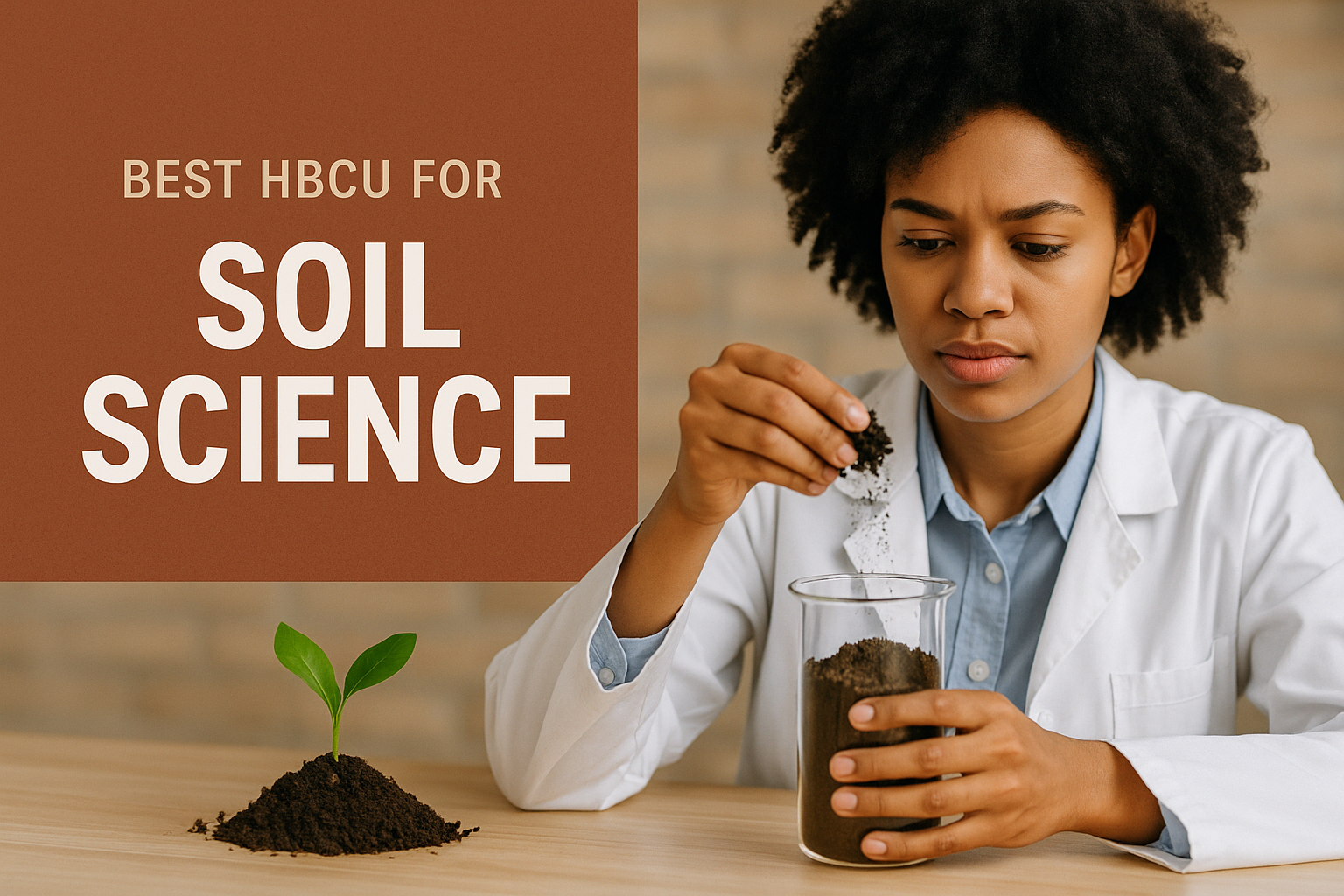
When it comes to pursuing a career in soil science, finding the right educational institution is crucial. Historically Black Colleges and Universities (HBCUs) have long been recognized for their commitment to providing quality education, particularly in fields that are vital to agriculture, environmental science, and sustainability. In this article, we will explore the best HBCU for soil science, diving into the standout programs that can equip you with the knowledge and skills needed to thrive in this critical field.
1. North Carolina Agricultural and Technical State University
Located in Greensboro, North Carolina, North Carolina A&T State University offers a robust program in soil science through its College of Agriculture and Environmental Sciences. The curriculum here is designed to provide students with a solid foundation in soil chemistry, microbiology, and conservation practices. The university’s emphasis on research enhances the learning experience, allowing students to engage in hands-on projects that tackle real-world soil-related issues.
Moreover, North Carolina A&T is equipped with state-of-the-art laboratories and research facilities, including the Agricultural Research Station, which conducts innovative studies in soil management and sustainable agriculture. The school’s commitment to community engagement also means that students can apply their knowledge practically, working alongside local farmers and organizations to promote better soil management practices.
2. Florida A&M University
Florida A&M University (FAMU) in Tallahassee offers a strong agricultural sciences program, including a focus on soil science. FAMU’s Department of Agricultural and Environmental Sciences is known for its dedicated faculty and comprehensive coursework that covers soil fertility, land use, and environmental stewardship. Students benefit from hands-on learning through fieldwork and laboratory experiments.
Additionally, FAMU is involved in various research initiatives that address soil conservation and management, making it a great choice for those looking to impact agricultural sustainability. The university’s commitment to the community and partnerships with local agricultural entities further enhance the practical application of soil science education.
3. Tuskegee University
Tuskegee University in Alabama has a long-standing reputation for excellence in agricultural education. The university’s College of Agriculture, Environment, and Nutrition Sciences offers a specialization in soils and environmental sciences. Students at Tuskegee benefit from a curriculum that integrates theoretical knowledge with practical skills, preparing them for careers in soil management, agronomy, and environmental consulting.
In addition, Tuskegee’s research initiatives focus on sustainable agriculture, soil health, and ecosystem restoration. The university also has a strong commitment to serving the local community, providing students opportunities to work on projects that directly impact local land and resource management.
4. Virginia State University
Virginia State University (VSU) offers an impressive agricultural program that includes a concentration in soil science. The university’s College of Agriculture offers a comprehensive curriculum that delves into soil properties, management practices, and the environmental implications of soil use. VSU is known for its hands-on learning approach, which includes field experiences and internships.
Moreover, the university maintains a strong research presence, focusing on sustainable agriculture and soil conservation techniques. VSU’s extension programs also actively engage with the community, providing valuable resources and support to local farmers and landowners, further enriching the student experience. (See: impact of soil science on agriculture.)
5. South Carolina State University
At South Carolina State University, the Department of Agriculture offers students a comprehensive education in soil science, emphasizing practical application and research. The program focuses on understanding soil’s role in agriculture and the environment, covering areas such as soil ecology and land management practices.
Students at South Carolina State benefit from cutting-edge research facilities and opportunities to engage in community outreach programs. The university’s commitment to developing sustainable practices in soil management makes it a strong contender for those interested in making a positive impact in agriculture and environmental conservation.
6. Grambling State University
Grambling State University, located in Louisiana, has developed a reputation for its comprehensive programs in environmental science and agriculture. While it may not have a dedicated soil science major, the curriculum includes important soil science coursework within its environmental science and agricultural programs, focusing on the importance of soil in ecological systems.
Students here gain practical insights through lab work and field studies, preparing them for careers in environmental consulting, agricultural management, and policy advocacy. Grambling’s commitment to community engagement also allows students to apply their knowledge in real-world settings.
7. Delaware State University
Delaware State University (DSU) offers a strong program through its College of Agriculture, Science, and Technology. The soil science curriculum at DSU incorporates essential topics like soil chemistry, fertility, and management practices critical for sustainable agriculture. The university emphasizes experiential learning, with options for internships and research opportunities in various soil-related projects.
DSU also collaborates with local agricultural organizations to promote effective soil conservation methods, providing students with a platform to engage with the community. This hands-on approach prepares graduates to take on challenges in the agricultural sector related to soil health and sustainability.
8. Alabama A&M University
Alabama A&M University boasts a diverse agricultural program, including specializations that touch on soil science. The university provides a solid foundation in agronomy and soil health, equipping students with the necessary skills to address soil-related challenges in agriculture and the environment. Related reading: latest online programs at NC A&T.
With a strong focus on research and community service, Alabama A&M fosters an environment where students can engage in projects benefiting local farmers and land managers. The university’s resources enable students to explore innovative solutions for sustainable soil management.
9. Langston University
Langston University, Oklahoma’s only historically Black university, provides a dynamic agricultural program that includes soil science as part of its curriculum. The agronomy concentration at Langston focuses on soil health, management practices, and sustainable agriculture.
Students benefit from hands-on learning experiences and internships that prepare them for various career paths in soil science. Langston’s commitment to addressing regional agricultural issues ensures that students are well-versed in both theoretical and practical aspects of soil management. (See: environmental health and soil science.)
10. Texas Southern University
Texas Southern University (TSU) is another notable HBCU with a comprehensive agricultural science program that includes soil science. Located in Houston, TSU offers a diverse curriculum that covers key topics relevant to soil management, conservation practices, and the intersection of soil science and environmental policy.
TSU’s focus on community engagement and research ensures that students are not only learning in the classroom but also applying their knowledge to real-world situations in agriculture and environmental conservation. This practical experience is invaluable for those looking to make a significant impact in the field of soil science.
11. Why Choosing an HBCU Matters in Soil Science
Opting for an HBCU for your soil science degree carries a unique significance. HBCUs have been at the forefront of educating African American students, offering culturally relevant curricula and environment. This is particularly important in fields like soil science, where understanding local agricultural practices and community needs can enhance educational outcomes.
HBCUs often emphasize experiential learning and community engagement, which can be vital for students pursuing careers that intersect with environmental justice and agricultural equity. By studying at an HBCU, students not only gain technical skills but also cultural insight, preparing them to effectively serve diverse communities across the country.
12. Career Opportunities for Soil Science Graduates
Graduating with a degree in soil science from an HBCU opens up a range of career opportunities. Graduates can pursue roles such as soil conservationists, environmental consultants, agronomists, and research scientists. The growing emphasis on sustainable agriculture and environmental stewardship means that the demand for qualified professionals in soil science is on the rise.
According to the U.S. Bureau of Labor Statistics, jobs for soil and plant scientists are expected to grow by 7% through 2029, which is faster than the average for all occupations. This growth can be attributed to the increasing need for sustainable practices in land management and agriculture.
13. FAQs About Studying Soil Science at HBCUs
What is soil science?
Soil science is the study of soil as a natural resource, including its formation, classification, and mapping. It encompasses the study of soil’s physical, chemical, biological, and fertility properties.
Why should I study soil science at an HBCU?
Studying soil science at an HBCU allows you to benefit from a culturally rich environment that often emphasizes hands-on learning, community involvement, and research geared towards real-world applications, particularly in underserved communities.
What careers can I pursue with a degree in soil science?
Possible careers include soil conservationist, environmental consultant, agronomist, agricultural scientist, and educator. Graduates may work in agriculture, government agencies, environmental organizations, and research institutions. (See: USDA resources on soil science.)
Are there specific scholarships available for HBCU students studying soil science?
Many HBCUs provide scholarships specifically for students in agricultural and environmental sciences. Additionally, organizations like the National Black Farmers Association and other agriculture-focused nonprofits often offer financial assistance to HBCU students pursuing careers in soil science.
What kind of research opportunities are available in soil science at HBCUs?
Research opportunities vary by institution but often include projects on soil health, crop management, sustainable agriculture practices, and environmental impact assessments. Many HBCUs collaborate with local farms and community organizations to conduct applied research projects.
What are the benefits of studying soil science in today’s job market?
In today’s job market, studying soil science positions students at the forefront of addressing critical environmental challenges. With a growing focus on climate change, food security, and sustainable farming, there’s an increasing demand for experts who understand soil health and management.
According to the United Nations, responsible soil management is essential for sustainable agriculture, which is projected to become even more crucial as the global population rises. Professionals trained in soil science will be key in developing solutions to enhance soil productivity and prevent degradation. We covered the importance of HBCUs in education in more detail.
How can I get involved in soil science research while studying at an HBCU?
Getting involved in research while at an HBCU can be as simple as seeking opportunities through your department. Professors often look for student assistants for their projects or may have ongoing research projects that you can join. Additionally, many universities host research symposiums where you can present your work and network with others in the field.
In summary, choosing the best HBCU for soil science depends largely on your specific interests and career goals. Whether you’re drawn to research, community engagement, or practical applications, the programs at these institutions offer a solid foundation for a successful career in soil science. Each of these HBCUs brings something unique to the table, ensuring that students can find a program that suits their aspirations in this vital field.
“`
Trending Now
Frequently Asked Questions
What is the best HBCU for studying soil science?
North Carolina Agricultural and Technical State University is recognized as one of the best HBCUs for studying soil science. It offers a comprehensive program through its College of Agriculture and Environmental Sciences, focusing on soil chemistry, microbiology, and conservation practices.
What programs do HBCUs offer in soil science?
HBCUs like North Carolina A&T and Florida A&M University offer robust programs in soil science. These programs include coursework in soil fertility, land use, environmental stewardship, and hands-on experiences through fieldwork and research.
How important is research in soil science education?
Research is crucial in soil science education as it enhances learning through practical applications. Institutions like North Carolina A&T provide state-of-the-art laboratories and opportunities for students to engage in real-world soil management projects.
What hands-on experiences can students expect in soil science programs?
Students in soil science programs at HBCUs can expect hands-on experiences through fieldwork, laboratory experiments, and community engagement projects. This practical approach helps them apply theoretical knowledge to real-world soil management issues.
Why are HBCUs significant for agricultural sciences?
HBCUs are significant for agricultural sciences due to their commitment to quality education, particularly in vital fields like soil science. They focus on community engagement and research, preparing students to address important agricultural and environmental challenges.
What did we miss? Let us know in the comments and join the conversation.






