

“`html
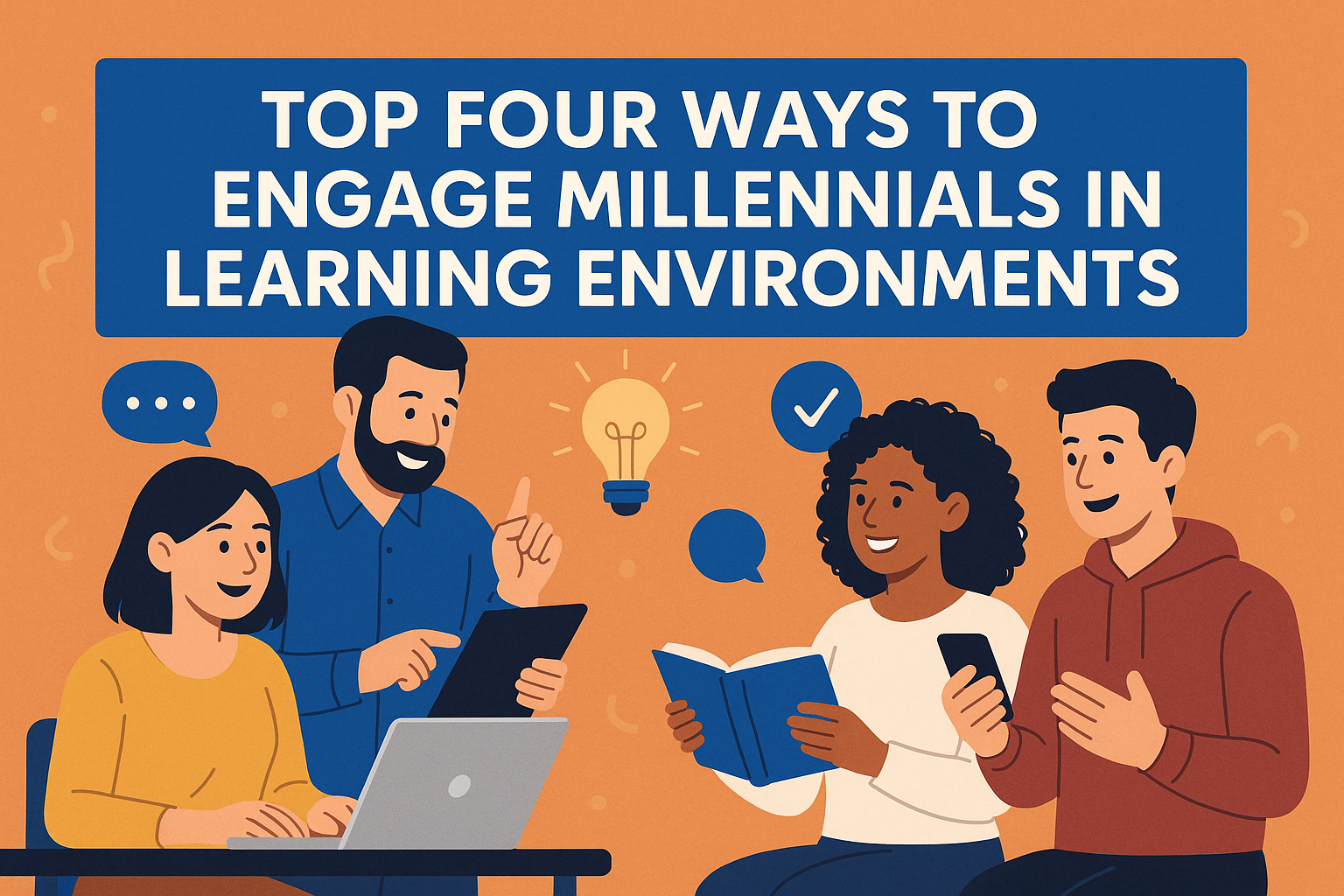
Millennials, often defined as those born between 1981 and 1996, are reshaping traditional learning environments. With their unique set of values, technological savvy, and distinct expectations, educators and trainers face both challenges and opportunities in engaging millennials in learning. Understanding their preferences can lead to improved educational outcomes and a more productive learning experience. Here are four effective strategies to engage this generation in learning environments.
1. Incorporate Technology Seamlessly
Millennials are digital natives, having grown up with technology as a fundamental part of their lives. This generation is comfortable using various digital tools, making it essential for educators to integrate technology into learning environments. Leveraging tools such as interactive presentations, online forums, and mobile apps can enhance engagement.
For example, platforms like Kahoot! and Quizizz allow educators to create interactive quizzes that make learning fun and competitive. These tools not only facilitate active participation but also provide immediate feedback, catering to the millennial desire for instant results. Furthermore, the incorporation of Learning Management Systems (LMS) such as Moodle or Canvas can provide a centralized hub for students to access resources, track their progress, and collaborate with peers.
2. Foster Collaborative Learning
Millennials value collaboration and teamwork, often preferring to work in groups rather than in isolation. Learning environments that promote cooperative learning can significantly enhance engagement levels. Educators should design activities that encourage group discussions and collective problem-solving.
Case studies, group projects, and peer-teaching initiatives are excellent ways to foster collaboration. For instance, implementing a project-based learning approach allows students to work together on real-world problems, enhancing their critical thinking and communication skills. Furthermore, the use of collaborative tools like Google Workspace or Microsoft Teams can facilitate group work, even in remote settings.
3. Encourage Self-Directed Learning
One of the most effective strategies for engaging millennials in learning is to provide them with the autonomy to direct their own educational paths. This generation has a strong preference for self-directed learning, which allows them to take charge of their educational experiences and tailor them to their personal interests and career goals.
Educators can promote self-directed learning by offering choices in assignments, topics, and projects. For example, allowing students to select their research topics within a broader subject can increase investment and motivation. Additionally, providing access to resources such as online courses and tutorials can empower students to explore subjects at their own pace, making learning more relevant and engaging.
4. Connect Learning to Real-World Applications
Millennials thrive when they see the relevance of what they are learning to their lives and future careers. Making connections between academic content and real-world applications can significantly enhance engagement levels. When students understand how classroom concepts apply to practical situations, they are more likely to invest their time and effort into their studies.
To achieve this, educators should incorporate case studies, internships, and guest speakers from relevant fields into their curricula. For instance, a marketing course that includes a project where students develop a campaign for a local business can provide real-world experience while reinforcing theoretical knowledge. Such experiential learning opportunities also resonate with millennials’ desire for meaningful engagement in their education. (See: U.S. Department of Education on technology.) For more on this, see collaborative learning with tech.
5. Create an Inclusive Environment
Inclusivity is critical in engaging millennials in learning. This generation is characterized by their commitment to diversity and social justice, so it’s vital that learning environments reflect these values. An inclusive classroom fosters a sense of belonging, which can significantly boost student motivation and engagement.
Educators can create an inclusive atmosphere by acknowledging and respecting diverse perspectives, backgrounds, and experiences. This can be achieved through curriculum choices that include varied authors and viewpoints, as well as facilitating open discussions where all voices are heard. Incorporating social issues into lessons can also resonate with students, giving them a platform to express their thoughts and feelings about relevant topics.
6. Utilize Gamification Techniques
Gamification is a powerful tool for engaging millennials in learning environments. By integrating game mechanics into educational content, educators can create a more dynamic and motivating learning experience. Elements such as points, badges, and leaderboards can enhance competition and encourage participation.
For example, incorporating a points system for completing tasks or a leaderboard for group projects can spark interest and enthusiasm in students. Tools like Classcraft or even simple classroom-based games can transform traditional lessons into exciting challenges that encourage active involvement. Gamification not only makes learning enjoyable but also fosters a sense of achievement as students progress through various levels of difficulty.
7. Prioritize Feedback and Mentorship
Regular feedback is essential for millennials, who often seek validation and guidance in their learning journey. Establishing a feedback-rich environment can enhance engagement and improve educational outcomes. This generation appreciates constructive criticism and the opportunity to improve their skills. (creating a tech-based classroom)
Educators can implement regular check-ins, peer reviews, and one-on-one mentoring sessions to provide personalized feedback. Additionally, creating avenues for students to give feedback on the course structure and teaching methods can foster a sense of ownership and involvement in their learning environment. This two-way feedback process not only helps students grow but also allows educators to adapt their approaches for greater effectiveness.
8. Integrate Soft Skills Development
In today’s job market, soft skills such as communication, problem-solving, and teamwork are just as important as technical knowledge. Millennials understand the value of these skills and are eager to develop them during their educational experience. By integrating soft skills training into the curriculum, educators can better prepare students for future success.
Workshops, group exercises, and role-playing activities can be effective ways to cultivate soft skills. Educators should emphasize the importance of collaboration and networking, as these skills are crucial in professional settings. By creating opportunities for students to practice and refine their soft skills, educators can enhance engagement while simultaneously equipping students for their careers.
9. Offer Flexibility in Learning
Flexibility in learning is another crucial factor in engaging millennials. This generation values work-life balance and often juggles multiple responsibilities, including jobs and family commitments. Providing flexible learning options can help accommodate their diverse schedules and preferences.
Flexible learning can take many forms, such as asynchronous courses, hybrid models, and varied assignment deadlines. Offering online resources, recorded lectures, and alternative pathways to complete coursework can significantly enhance student engagement. Additionally, allowing students to learn at their own pace can foster a sense of autonomy and ownership over their education. (See: New York Times on millennials in education.)
10. Continuous Improvement and Adaptation
Finally, maintaining a commitment to continuous improvement is essential for engaging millennials in learning. As this generation evolves, so too do their expectations and preferences. Educators should remain open to adapting their methods and practices based on feedback and emerging trends.
Professional development opportunities for educators can help them stay updated on the latest educational technologies and teaching strategies. Engaging with students regularly to assess their needs and preferences can lead to a more responsive and relevant learning environment. By fostering a culture of innovation and adaptability, educators can ensure that they continue to engage millennials effectively.
11. Develop a Positive Learning Culture
A positive learning culture is fundamental in engaging millennials in learning. When students feel safe, respected, and valued in their learning environment, they are more likely to participate actively. Educators can cultivate this culture by encouraging open communication and celebrating both individual and collective achievements.
Incorporating activities that promote team-building and trust, such as icebreakers or collaborative projects, can help build a supportive classroom community. When students feel a sense of belonging, it enhances their emotional investment in the learning process, leading to higher engagement levels. Research shows that positive learning environments can improve student retention rates and overall academic performance significantly.
12. Highlight the Importance of Lifelong Learning
Millennials value learning as a lifelong journey rather than a mere stepping stone to a career. By promoting the idea of lifelong learning, educators can engage students by making them aware of continuous professional development opportunities available in their fields. Sharing stories of successful individuals who embrace lifelong learning can inspire students to adopt the same mindset.
Creating initiatives like alumni networking events or mentorship programs can reinforce the idea that education doesn’t end after formal schooling. By connecting students with industry professionals, educators provide real-world perspectives on the importance of ongoing education, encouraging students to take ownership of their learning journey. Related reading: assessing with technology.
13. Emphasize Mental Health and Well-Being
Understanding the mental health challenges faced by millennials is crucial in providing effective educational experiences. This generation is more inclined to open discussions about mental health, making it essential for educators to create supportive environments that prioritize well-being. By incorporating mental health resources and programs into the curriculum, schools can enhance overall student engagement.
Workshops on stress management, mindfulness practices, and resilience training can be beneficial. Moreover, providing access to counseling services or support groups can make a significant difference in students’ academic experiences. When millennials feel supported emotionally, they are more likely to engage in learning actively and positively. (See: Research on collaborative learning strategies.)
14. Frequently Asked Questions (FAQ)
What are the best technologies to engage millennials in learning?
Several technologies can effectively engage millennials, including Learning Management Systems (LMS) like Moodle and Canvas, interactive quiz platforms like Kahoot! and Quizizz, and collaboration tools like Google Workspace and Microsoft Teams. These technologies promote active participation, instant feedback, and collaborative work.
How can educators make learning more relevant to millennials?
Educators can connect learning to real-world applications by incorporating case studies, internships, and guest speakers from relevant fields. This approach helps students understand the practical implications of their studies and enhances their engagement.
Why is flexibility important for millennials in education?
Flexibility in learning accommodates the diverse schedules and responsibilities that millennials often juggle. Providing options such as asynchronous courses and varied deadlines allows students to manage their time effectively, enhancing their engagement and ownership of the learning process.
How can educators create an inclusive learning environment?
Creating an inclusive environment involves acknowledging and respecting diverse perspectives, backgrounds, and experiences. Incorporating diverse curriculum choices and facilitating open discussions can help create a sense of belonging, which is crucial for engaging millennials.
What role does feedback play in engaging millennials?
Regular feedback is vital for millennials as it provides validation and guidance in their learning journey. Establishing a feedback-rich environment through peer reviews and mentorship allows students to improve their skills and fosters a sense of ownership in their learning.
In conclusion, engaging millennials in learning requires a multifaceted approach that incorporates technology, collaboration, self-directed learning, real-world applications, inclusivity, gamification, feedback, soft skills development, flexibility, continuous improvement, a positive learning culture, lifelong learning principles, mental health considerations, and a commitment to a supportive educational environment. By understanding and addressing the unique needs and preferences of this generation, educators can create dynamic and engaging learning environments that foster success and lifelong learning. See also engaging millennials effectively.
“`
Trending Now
Frequently Asked Questions
What are effective ways to engage millennials in learning?
Effective ways to engage millennials in learning include incorporating technology seamlessly, fostering collaborative learning, providing instant feedback, and creating meaningful, real-world applications. By integrating digital tools and promoting teamwork, educators can enhance engagement and improve educational outcomes.
How can technology be used to engage millennials?
Technology can be used to engage millennials by integrating interactive tools like Kahoot! and Quizizz for quizzes, utilizing Learning Management Systems (LMS) for resource access, and creating online forums for discussion. These methods cater to their digital proficiency and desire for instant feedback.
Why is collaborative learning important for millennials?
Collaborative learning is important for millennials as they value teamwork and social interaction. Learning environments that promote group activities, like case studies and peer-teaching, enhance engagement and critical thinking, aligning with their preference for collective problem-solving.
What role does instant feedback play in millennial learning?
Instant feedback plays a crucial role in millennial learning by satisfying their desire for immediate results. Tools that provide real-time responses to quizzes and assignments help keep them motivated and engaged, fostering a more dynamic learning environment.
How can educators create a productive learning experience for millennials?
Educators can create a productive learning experience for millennials by integrating technology, fostering collaboration, and designing activities relevant to real-world scenarios. Understanding their preferences and values is key to enhancing engagement and educational outcomes.
Have you experienced this yourself? We'd love to hear your story in the comments.






