

“`html
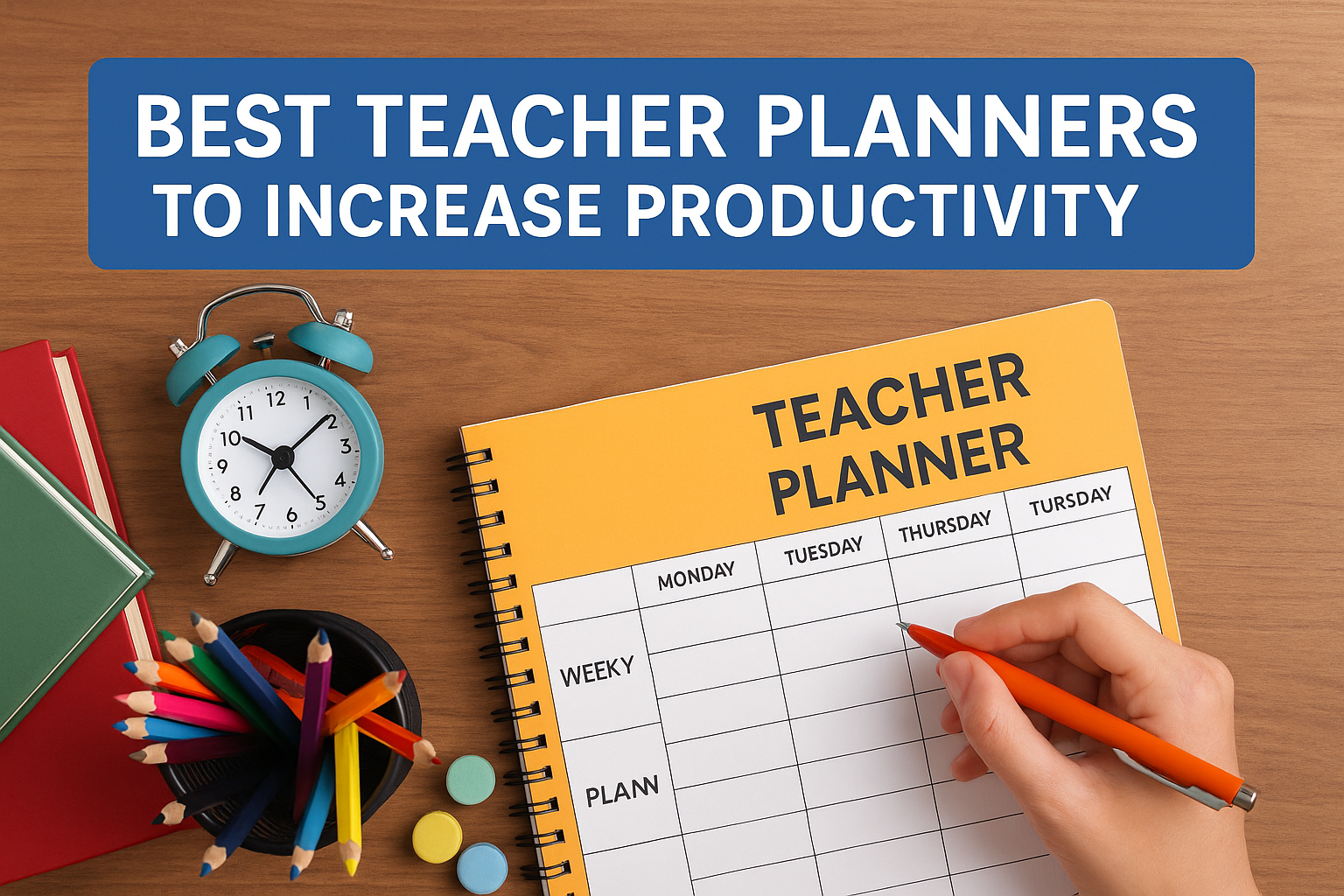
Every educator knows that the key to a successful school year lies in organization and time management. With lesson plans, student assessments, and administrative tasks piling up, keeping everything in order can be a daunting challenge. Enter teacher planners: these indispensable tools not only boost productivity but also help create a structured environment that enhances the learning experience for students. In this article, we’ll explore seven of the best teacher planners on the market today, highlighting their features and benefits to help you find the perfect match for your teaching style.
1. Erin Condren Teacher Planner: A Personalized Touch
The Erin Condren Teacher Planner is renowned for its vibrant designs and customizable options. Educators can choose from a variety of cover designs and layouts, allowing for a personalized touch that reflects their unique teaching style. The planner typically features a layout that includes monthly and weekly spreads, and it even allows space for lesson planning, goals, and notes.
One standout feature is the “Classroom Management” section, which helps teachers track student behavior and set expectations. The planner also includes stickers and accessories, enabling you to add a creative flair to your organization. The flexibility in layout and design makes this planner a popular choice among educators who appreciate aesthetics and functionality.
2. Bloom Daily Planners: Focus on Wellness and Planning
Bloom Daily Planners offer a unique combination of productivity and self-care features. Designed with the busy teacher in mind, these planners include monthly and weekly views, as well as sections dedicated to goal-setting and self-reflection. The “Wellness” prompts encourage teachers to prioritize their mental and emotional health, which is essential in the often stressful teaching profession.
Furthermore, Bloom planners come with durable covers and high-quality paper, ensuring they withstand the wear and tear of daily use. Their emphasis on both personal well-being and productivity lets educators maintain a balanced approach to their teaching and personal lives.
3. Happy Planner Teacher Edition: Flexibility at Its Best
The Happy Planner Teacher Edition is a flexible system that allows teachers to customize their planner according to their needs. With a unique disc-bound system, you can easily add or remove pages, making it a versatile choice for those who want to reorganize their planner throughout the year.
Each planner includes sections for lesson planning, monthly overviews, and student data tracking, making it a comprehensive organizational tool. The fun, colorful designs also make planning enjoyable, and the ability to personalize pages with stickers and decorative elements sets it apart from traditional planners. It’s a great choice for teachers who thrive on creativity and flexibility.
4. Planbook.com: The Digital Solution
As technology continues to reshape education, digital tools like Planbook.com have become increasingly popular among teachers. This online planner allows you to create and manage your lesson plans digitally, which can be accessed from any device. It’s especially beneficial for teachers who juggle multiple classes and want to keep everything organized in one central location. (See: U.S. Department of Education.) This builds on top planner recommendations.
Planbook.com provides features such as standards alignment, lesson sharing with colleagues, and a customizable calendar view. This platform also allows you to make adjustments on the fly, ensuring you can adapt quickly to changes in your teaching schedule. For tech-savvy educators, this digital solution is a game-changer in lesson planning. Related reading: efficient lesson planning tips.
5. The Happy Planner Class Planner: Collaboration Made Easy
This specific version of the Happy Planner is tailored for class collaboration. It allows for both individual and group planning, making it ideal for teachers who work with co-teachers or interdisciplinary teams. The planner includes sections for collaborative lesson planning, notes, and assessments, making teamwork seamless.
Additionally, the use of colorful designs keeps the planning process engaging, and the flexibility of the disc-bound system allows for easy adjustments as needed. The Happy Planner Class Planner is perfect for educators looking to enhance collaboration with colleagues, ensuring a more cohesive teaching approach.
6. At-A-Glance Teacher Planner: Simplicity Meets Functionality
If you’re looking for a straightforward, no-frills option, the At-A-Glance Teacher Planner might be the right choice for you. This planner focuses on functionality, featuring a simple layout that includes weekly planning sections, student information pages, and a calendar view.
Designed for the busy educator, its compact size makes it easy to carry around, while its durable construction ensures it holds up throughout the year. The At-A-Glance planner is perfect for teachers who prefer a minimalist approach, allowing them to focus on their lessons without getting bogged down in unnecessary details.
7. Lily & Val Teacher Planner: Creative and Inspirational
Lily & Val brings a unique artisanal touch to teacher planners. This planner is not just functional; it’s also beautifully designed with hand-drawn illustrations and inspirational quotes scattered throughout. It includes sections for lesson plans, monthly goals, and important dates, all designed in a visually appealing format.
The Lily & Val Teacher Planner is perfect for educators who appreciate creativity and find motivation in beautiful designs. Its aesthetic charm can make daily planning feel less like a chore and more like an enjoyable part of the day.
Benefits of Using Teacher Planners
Teacher planners offer a multitude of benefits that extend beyond mere organization. They serve as a comprehensive tool for managing not just lesson plans but also the holistic approach to teaching. Here are some of the key advantages:
- Enhanced Time Management: A well-structured planner allows teachers to allocate their time efficiently, ensuring that they meet deadlines and maintain a balanced workload.
- Goal Setting: Many planners include sections for setting both personal and professional goals, helping educators keep their aspirations aligned with their daily tasks.
- Reflection and Adaptation: Having dedicated spaces for reflection can aid teachers in evaluating their teaching methods, which can lead to improved practices and outcomes for students.
- Communication Tool: Planners can also serve as a communication tool between teachers, students, and parents. They can help keep everyone informed about upcoming events, assignments, and other important information.
Trends in Teacher Planners
The world of teacher planners is ever-evolving, with new trends emerging to meet the changing needs of educators. Let’s look at some current trends: (See: CDC School Health Resources.) There’s a fuller look at classroom management strategies.
- Digital Flexibility: As more teachers integrate technology into their classrooms, the demand for digital planners has skyrocketed. These planners often come with features like reminders, collaboration tools, and easy access from multiple devices.
- Focus on Mental Health: With a growing emphasis on teacher wellness, many planners now include components that encourage self-care and reflection, helping educators manage stress and prevent burnout.
- Integration of Standards: Planners that allow alignment with educational standards are becoming increasingly popular, making it easier for teachers to ensure that their lesson plans meet required guidelines.
Statistics on Teacher Planner Usage
Understanding how common the use of teacher planners is can provide insight into their importance in education. Here are some statistics to consider:
- A survey conducted by the National Education Association found that 85% of teachers use some form of planning tool or planner.
- According to a study by Edutopia, teachers who consistently use planners report feeling 40% less stressed than those who do not.
- Data indicates that 70% of educators prefer physical planners over digital ones, citing the tactile experience and ease of use as key factors.
Expert Perspectives
To gain deeper insights into the value of teacher planners, we spoke with experienced educators. Here’s what they had to say:
“Using a planner is essential for me. It’s not just about lesson planning; it’s about making sure that I can engage with my students effectively and manage my time well.” – Sarah T., 7th Grade Teacher
“I’ve tried going digital, but I always come back to my paper planner. There’s something about writing things down that helps me remember better.” – John K., High School Math Teacher
FAQs About Teacher Planners
What should I look for in a teacher planner?
When choosing a teacher planner, consider factors such as layout preferences (monthly vs. weekly), specific sections for lesson planning, student data tracking, and any additional features that cater to your organizational style.
Can I use a digital planner instead of a paper one?
Absolutely! Digital planners can offer flexibility and convenience, especially if you’re tech-savvy. They often come with features like reminders and collaboration tools that can streamline your planning process.
Are teacher planners customizable?
Many planner brands offer customizable options, allowing you to choose covers, layouts, and even additional pages. This customization can help you create a planner that truly fits your needs.
How often should I update my planner?
It’s a good practice to update your planner regularly—ideally daily or weekly. This helps ensure that you stay organized and on top of your lesson plans and responsibilities. (See: New York Times on Teacher Planning.) (organizing classroom libraries effectively)
Can planners help with student engagement?
Yes! By using a planner effectively, you can better organize lessons that are interactive and engaging, which in turn enhances student participation and learning outcomes.
Final Thoughts on Teacher Planners
Choosing the right teacher planner can make a significant difference in your productivity and overall teaching experience. Whether you’re looking for a digital option like Planbook.com or a beautifully designed planner like Lily & Val, there’s a planner out there to suit your needs and preferences. Each of these seven planners offers unique features that can enhance your organization, helping you focus on what’s most important: providing an enriching learning experience for your students.
Remember, the best planner is one that aligns with your teaching style and personal preferences. Take time to explore the options available and choose the planner that resonates with you. With the right tools in hand, you’ll be well on your way to a more productive and fulfilling school year.
How to Maximize Your Teacher Planner
Having a teacher planner is just the first step; knowing how to use it effectively can transform your planning routine. Here are some tips to get the most out of your planner:
- Set a Regular Planning Time: Dedicate specific times each week to plan your lessons and review upcoming events. This habit keeps you organized and ensures nothing slips through the cracks.
- Incorporate Color Coding: Use different colors for various subjects or types of tasks (like grading, meeting, or lesson planning). This visual organization can help you quickly identify priorities at a glance.
- Reflect on Your Week: At the end of each week, take a few moments to reflect on what went well and what could be improved. Document these reflections in your planner to help guide future planning.
- Use Notes Sections: Many planners have extra note sections. Use these for brainstorming new ideas, jotting down student feedback, or documenting parent communications.
- Stay Flexible: While it’s essential to have a plan, teaching often involves unexpected changes. Keep your planner flexible to accommodate last-minute adjustments without stress.
The Future of Teacher Planners
As the education landscape continues to evolve with technology and new teaching methods, teacher planners are likely to adapt as well. Here are a few potential developments to keep an eye on:
- More Integration with Learning Management Systems: Future planners may offer seamless integration with platforms like Google Classroom or Canvas, making it easier to manage assignments and communications in one place.
- AI Features: Some planners may incorporate AI elements to suggest lesson plans or resources based on curriculum standards and previous planning history.
- Enhanced Collaboration Tools: As teaching becomes more team-oriented, planners might include built-in features for co-planning and co-assessing, facilitating better teamwork among educators.
“`
Trending Now
Frequently Asked Questions
What are the best teacher planners for productivity?
Some of the best teacher planners for productivity include the Erin Condren Teacher Planner, which offers customizable designs and a classroom management section, and Bloom Daily Planners, which focus on wellness and self-care while providing planning tools.
How can a teacher planner help with organization?
A teacher planner helps with organization by providing structured layouts for lesson planning, goal-setting, and tracking student assessments. This organized approach allows educators to manage their time effectively and reduce stress during the school year.
What features should I look for in a teacher planner?
When selecting a teacher planner, look for features such as customizable layouts, monthly and weekly views, goal-setting sections, and tools for classroom management. These elements enhance both productivity and your overall teaching experience.
Are there planners designed specifically for teachers?
Yes, there are planners specifically designed for teachers, such as the Erin Condren and Bloom Daily Planners. These planners cater to educators' unique needs with specialized sections for lesson planning, student tracking, and self-care.
Do teacher planners include wellness features?
Some teacher planners, like Bloom Daily Planners, include wellness features that encourage educators to focus on self-care. These planners often have sections for reflection and goal-setting to support teachers' mental and emotional health.
Agree or disagree? Drop a comment and tell us what you think.






