
“`html
Homeschooling in the Philippines has gained traction over the past few years, especially as families seek flexible and personalized educational options for their children. While it may seem overwhelming at first, understanding the guidelines set by the Department of Education (DepEd) can simplify the process, making it accessible for all interested families. This guide will break down the key aspects of homeschooling in the Philippines, provide practical insights, and highlight current relevance in the changing educational landscape.
1. The Rise of Homeschooling in the Philippines
In recent years, the concept of homeschooling has been on the rise in the Philippines. Parents are increasingly looking for alternatives to traditional classroom setups, driven by a variety of motivations such as dissatisfaction with the local education system, the desire for tailored learning experiences, and the need for flexibility due to work commitments. See also curriculum activities guide.
The COVID-19 pandemic accelerated this trend as schools around the country shifted to online learning. Many families, finding this method lacking, explored homeschooling as a viable alternative. A survey conducted by the Philippine Institute for Development Studies highlighted that approximately 60% of parents were open to homeschooling due to the pandemic’s challenges, signaling a significant shift in educational preferences.
2. Understanding DepEd Guidelines
The Department of Education (DepEd) in the Philippines has established clear guidelines for homeschooling, ensuring that it aligns with national education standards. The main framework is articulated in DepEd Order No. 24, Series of 2016, which outlines the rules for the implementation of the Homeschooling Program.
Under these guidelines, homeschooling parents must register with DepEd and follow the prescribed curriculum. This includes adhering to the K-12 curriculum, which has been designed to provide a well-rounded education covering essential subjects such as Language, Mathematics, Science, and Filipino, among others. While parents have the flexibility to choose how they deliver the curriculum, they are still accountable for their child’s educational outcomes.
3. Steps to Get Started with Homeschooling
Starting your homeschooling journey requires careful planning and commitment. Here are the essential steps:
- Research: Learn about homeschooling philosophies, methods, and resources. Popular approaches include Classical, Montessori, and Unschooling. Each has distinct methodologies and philosophies that influence how education is delivered.
- Registration: Register with DepEd by submitting the required documents, including a letter of intent and identification forms. Registration not only legitimizes your homeschooling efforts but also allows you access to resources and support from DepEd.
- Curriculum Selection: Choose a curriculum that meets your child’s needs and aligns with DepEd’s guidelines. Many parents opt for a blended approach, incorporating both structured lessons and experiential learning.
- Create a Learning Space: Designate a learning area in your home that is conducive to studying. A quiet and organized space free from distractions can enhance focus and productivity.
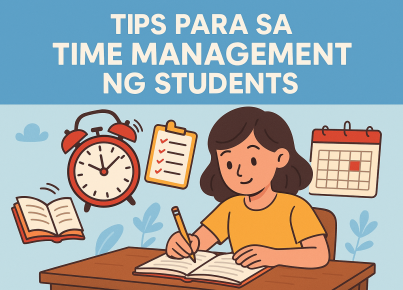
- Set a Schedule: Develop a daily or weekly schedule that outlines learning activities and breaks. Flexibility is a hallmark of homeschooling, but having a structure can help keep learners on track.
- Join a Community: Connecting with other homeschooling families can provide support and resources. Online forums and local homeschooling groups offer valuable insights, networking opportunities, and shared experiences.
4. Curriculum Options for Homeschoolers
When it comes to curriculum choices, the options are vast. Homeschooling in the Philippines allows parents to choose from various resources that align with DepEd’s K-12 curriculum while catering to their child’s unique learning style. Here are some popular curriculum options:
- Local Publishers: Many Filipino educational publishers offer textbooks and materials tailored for the K-12 curriculum. These resources are accessible and relevant to the local context.
- International Curricula: Some parents opt for international programs such as the British or American curriculum, which can provide a different educational perspective and potentially facilitate future international studies.
- Online Learning Platforms: Digital resources like Khan Academy, Coursera, and local platforms provide courses across different subjects. They can be particularly useful for subjects where parents may seek additional expertise.
- Co-op Programs: Joining a homeschooling co-op allows families to benefit from shared resources, group activities, and collaborative learning experiences.
5. Assessing Progress and Compliance
Regular assessment is crucial in homeschooling to ensure that your child meets educational standards set by DepEd. Homeschoolers are required to submit periodic reports that demonstrate the child’s learning progress. Here’s how to effectively assess and comply with requirements: (See: World Health Organization.)
- Portfolio Development: Maintain a portfolio showcasing your child’s work over time. This can include worksheets, projects, written reflections, and even video recordings of presentations.
- Standardized Testing: Implement the use of standardized tests to measure academic performance against national benchmarks. These assessments provide insights into areas of strength and opportunities for improvement.
- Regular Reviews: Set aside time to review your child’s progress on a monthly or quarterly basis. This ensures that educational goals are being met and allows for necessary adjustments to the learning plan.
6. Challenges and Support for Homeschooling Families
While homeschooling offers numerous benefits, it’s not without its challenges. Many parents report feelings of isolation, stress from balancing teaching and personal commitments, and uncertainties regarding their child’s socialization. However, there are ways to mitigate these challenges:
- Seek Support Groups: Joining local or online homeschooling communities can provide emotional support and practical advice. Engaging with other homeschooling families can reduce feelings of isolation and foster friendships.
- Utilize Online Resources: Many organizations offer webinars, workshops, and training materials for homeschooling parents. Familiarizing yourself with these resources can enhance teaching methods and boost confidence.
- Engage in Extracurricular Activities: Encourage your child to participate in sports, arts, or community service programs. Such activities can enhance social skills and provide a well-rounded educational experience.
7. The Future of Homeschooling in the Philippines
The landscape of education is rapidly evolving. As more families turn to homeschooling in the Philippines, it is likely that the government will continue to refine its guidelines to accommodate this growing trend. With the rise of technology, the availability of online resources, and the increasing acceptance of diverse educational models, homeschooling is poised to become an integral part of the Philippine educational system.
In response to the increasing demand, DepEd has taken steps to enhance support for homeschooling families. This includes providing training for parents, creating more accessible resources, and fostering partnerships with local educational organizations. As these efforts gain momentum, the future looks promising for homeschooling in the Philippines, offering families a flexible and tailored approach to education. monitoring homeschooling tips offers useful background here.
Ultimately, the journey of homeschooling is as unique as each family. By understanding the guidelines, challenges, and opportunities, parents can make informed decisions that best suit their child’s learning needs and personal circumstances. With careful planning and dedication, homeschooling can be an enriching educational path for Filipino families.
8. Benefits of Homeschooling
Homeschooling offers a myriad of benefits that can enhance a child’s educational experience. One of the primary advantages is the ability to customize the learning environment. Parents can tailor lessons to suit their child’s interests and strengths, allowing for a deeper engagement with the material. For example, if a child excels in mathematics but struggles with reading, parents can allocate more time to reading while advancing quickly through math topics.
Additionally, homeschooling can foster a closer family bond. The shared experiences of learning together can strengthen relationships, creating a supportive family dynamic. Families can choose to integrate life lessons into their curriculum, such as cooking, budgeting, or gardening, which not only teach practical skills but also promote teamwork.
Another significant benefit is the flexibility in scheduling. Homeschooling allows families to plan vacations during off-peak times, engage in real-world learning experiences, or even adapt study times to suit the child’s natural rhythms. Research shows that children who learn in a flexible environment often exhibit improved mental health and overall well-being.
9. Popular Homeschooling Methods
There are various homeschooling methods that families can adopt, each with unique philosophies and approaches. Here are a few popular ones:
- Classical Education: This approach emphasizes a strong foundation in the liberal arts and sciences. It follows a three-stage process: the grammar stage, where basic facts are learned; the logic stage, where students begin to think critically; and the rhetoric stage, where they express their thoughts eloquently.
- Charlotte Mason Method: Charlotte Mason focused on children’s natural interests and encouraged the use of living books—rich, engaging literature. The method also emphasizes outdoor activities and the development of good habits.
- Unschooling: This learner-directed approach allows children to explore their interests without a set curriculum. Parents facilitate learning by providing resources and opportunities but do not impose structured lessons.
- Montessori: Following the principles of Montessori education, this method focuses on hands-on learning and self-directed activity. It encourages independence and cooperation among peers.
10. FAQs About Homeschooling in the Philippines
Is homeschooling legal in the Philippines?
Yes, homeschooling is legal in the Philippines as long as families follow the guidelines set by the Department of Education. Parents must register with DepEd to ensure compliance with national educational standards.
How do I register for homeschooling?
Parents need to submit a letter of intent along with identification forms to DepEd. After registration, they will receive guidance and access to resources that help with curriculum development and educational planning.
Can I use a foreign curriculum for my child?
Yes, but the curriculum must align with the K-12 educational framework set by DepEd. Many families choose to supplement their curriculum with international programs while ensuring that they meet local educational requirements. This builds on understanding homeschooling.
What resources are available for homeschooling families?
There are numerous resources available, including local educational publishers, online learning platforms, and homeschooling co-ops. Many organizations also provide workshops and training for parents.
How do homeschooling families socialize their children?
Socialization can happen through various avenues, including homeschool groups, extracurricular activities, community events, and social clubs. Engaging with peers is crucial, and many homeschooling families prioritize these opportunities.
What are the costs associated with homeschooling?
The cost of homeschooling can vary widely based on the curriculum chosen, resources used, and extracurricular activities. However, many families find that it can be more cost-effective than traditional schooling when considering transportation, uniforms, and other school-related expenses.
How do I know if homeschooling is right for my family?
Determining if homeschooling is right for your family involves assessing your child’s learning style, your educational goals, and your family’s lifestyle. It’s essential to consider your ability to commit time and resources to this educational path.
11. Homeschooling Success Stories
Hearing from families who have successfully navigated the homeschooling journey can be inspiring and informative. Many parents share stories of their children thriving in a homeschool environment. For example, the Santos family transitioned to homeschooling during the pandemic. They found that their daughter, who previously struggled with anxiety in a traditional classroom, excelled academically and socially at home. The flexibility allowed her to pursue interests in arts and sciences that weren’t fully supported in her previous school.
Statistics show that homeschooled students often outperform their peers on standardized tests. A study conducted by the National Home Education Research Institute reported that homeschooled children scored, on average, 15 to 30 percentile points higher than public school students in various subjects. This data can offer reassurance to parents considering this educational route. For more on this, see impact of homeschooling in America.
12. Homeschooling and Cultural Relevance
In the Philippines, where cultural diversity is rich, homeschooling offers a unique opportunity to integrate cultural education into the curriculum. Parents can teach their children about the different Filipino cultures, languages, and traditions, which can be more challenging in a traditional school setting. Incorporating local history lessons, folk stories, and even cooking traditional dishes can enrich the education experience. Educators suggest that this added cultural emphasis can enhance a child’s understanding of their identity and values.
13. Getting Help from Experts and Online Resources
As homeschooling continues to grow, many experts are willing to help families navigate the challenges. Various online platforms, such as webinars, podcasts, and social media groups, provide tips and strategies for effective homeschooling. Parents can connect with educational consultants who specialize in homeschooling to receive tailored advice and guidance.
Online communities are also a fantastic resource. Whether you’re looking for lesson plans, field trip suggestions, or emotional support, connecting with other homeschooling parents online can make the journey less daunting.
“`
Trending Now
Frequently Asked Questions
What are the guidelines for homeschooling in the Philippines?
The guidelines for homeschooling in the Philippines are outlined in DepEd Order No. 24, Series of 2016. Parents must register with the Department of Education and follow the K-12 curriculum to ensure alignment with national education standards.
Is homeschooling legal in the Philippines?
Yes, homeschooling is legal in the Philippines. The Department of Education has established regulations that allow families to homeschool their children while ensuring compliance with national educational standards.
How do I register for homeschooling in the Philippines?
To register for homeschooling in the Philippines, parents must submit the necessary documents to the Department of Education as per the guidelines set out in DepEd Order No. 24. This includes providing information about their chosen curriculum and learning approach.
What are the benefits of homeschooling in the Philippines?
Homeschooling in the Philippines offers several benefits, including personalized learning experiences, flexibility in scheduling, and the ability to tailor education to a child's specific needs and interests, making it an attractive option for many families.
How has the COVID-19 pandemic affected homeschooling in the Philippines?
The COVID-19 pandemic has significantly increased interest in homeschooling in the Philippines, with many families seeking alternatives to online learning. A survey showed that about 60% of parents were open to homeschooling due to dissatisfaction with remote education during the pandemic.
Agree or disagree? Drop a comment and tell us what you think.