

“`html
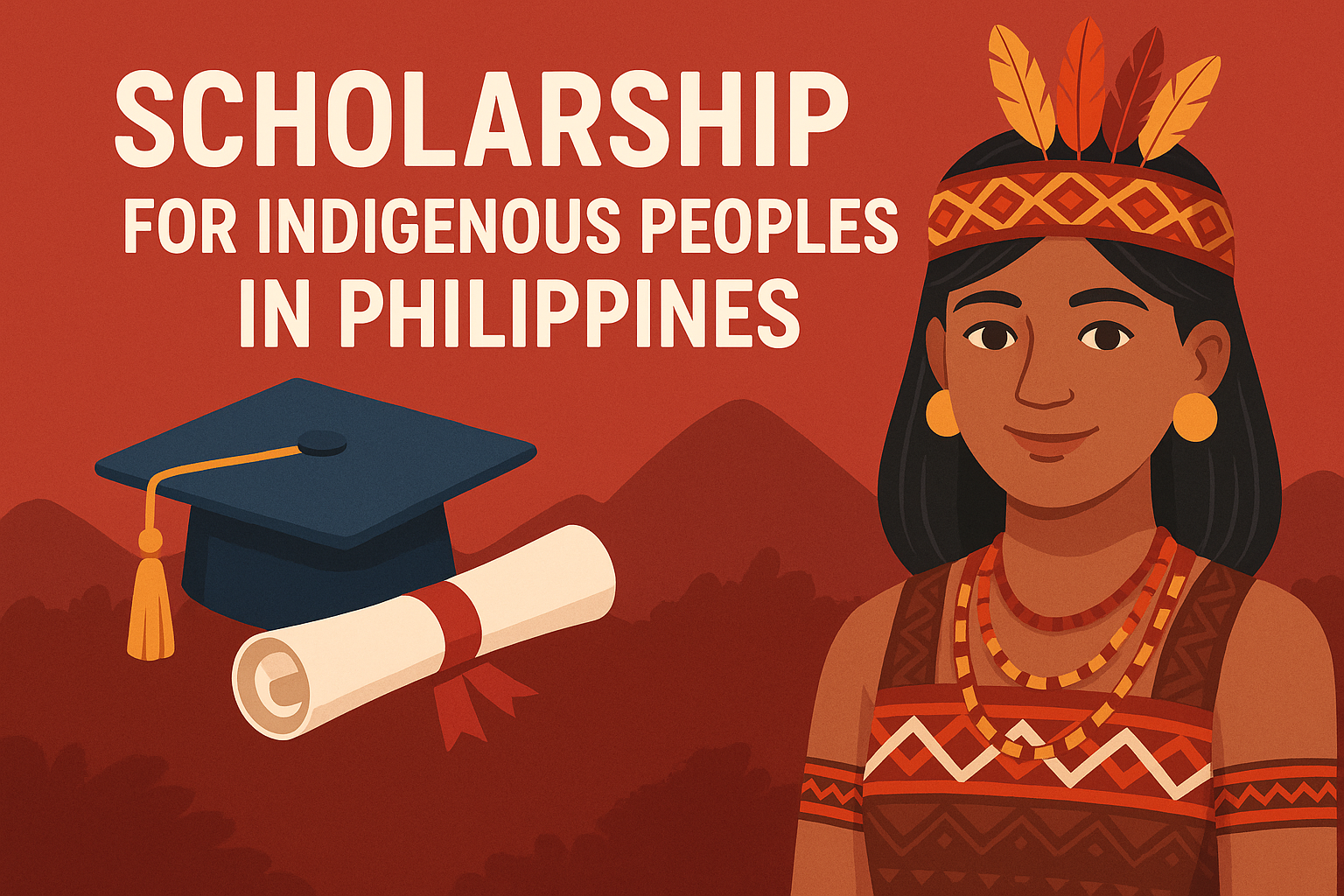
In the Philippines, a nation rich in diverse cultures, the plight of Indigenous Peoples is often overshadowed by a myriad of challenges. One key area that has emerged as a pivotal point of intervention is education, particularly in the form of scholarships for indigenous peoples Philippines. These programs aim to uplift communities historically marginalized and empower them through education. This article explores the significance, current landscape, and various opportunities available through scholarships designed specifically for Indigenous populations in the Philippines.
Understanding the Indigenous Landscape in the Philippines
To appreciate the importance of scholarships for Indigenous Peoples, it’s essential to understand the background of these communities. The Philippines is home to over 100 different Indigenous groups, each with its own language, culture, and traditions. The National Commission on Indigenous Peoples (NCIP) estimates that about 14 million Filipinos identify as Indigenous, which represents around 13% of the country’s population.
Historically, Indigenous groups in the Philippines have faced systemic discrimination, loss of ancestral lands, and socio-economic marginalization. Educational attainment in these communities is notably lower than the national average, primarily due to factors like poverty, lack of access to resources, and cultural biases. Scholarships for Indigenous Peoples aim to bridge this gap, enabling these groups to access higher educational opportunities and fostering a more inclusive society.
The Role of Scholarships in Education
Scholarships play a crucial role in educational access by alleviating financial burdens that prevent many Indigenous students from pursuing higher education. They can cover tuition fees, books, and other essential costs associated with attending college or university. The impact of these scholarships extends beyond individual students; they can have ripple effects on families and entire communities.
For instance, when an Indigenous student graduates, they often become role models within their communities, inspiring younger generations to value education. This cycle of empowerment can help break the chains of poverty and systemic disadvantage. Moreover, educated individuals from Indigenous backgrounds can contribute to preserving their cultures and advocating for their rights within a broader societal context. We covered importance of equality in more detail.
Types of Scholarships Available
In the Philippines, various organizations, both governmental and non-governmental, offer scholarships specifically tailored for Indigenous students. Here are some of the most notable:
- Government-Funded Scholarships: The Philippine government has initiated several scholarship programs aimed at Indigenous Peoples. The NCIP oversees many of these initiatives, which aim to fund students from marginalized backgrounds.
- University-Specific Scholarships: Many universities in the Philippines, such as the University of the Philippines and Ateneo de Manila University, have established their own scholarships for Indigenous students. These programs often include mentorship components and community service requirements.
- NGO and International Scholarships: Organizations like Save the Children and UNICEF support scholarships for Indigenous students. These programs often provide comprehensive support, including counseling and career guidance.
- Cultural Grants: Some scholarships focus on students who are involved in cultural studies or preservation of Indigenous heritage. These grants support students who want to raise awareness about their cultures while pursuing their education.
Eligibility Criteria and Application Process
Eligibility for scholarships for Indigenous Peoples in the Philippines can vary widely depending on the organization offering them. However, there are some common criteria that students should keep in mind:
- Applicants typically need to prove their Indigenous heritage, which can be demonstrated through community certifications or tribal affiliation.
- Most scholarship programs require academic records that meet a certain threshold, such as a minimum grade point average (GPA).
- Community involvement and leadership roles can also significantly enhance an applicant’s profile.
- Some scholarships may have age limits or specific course requirements, particularly for vocational and technical scholarships.
The application process usually involves submitting documents such as birth certificates, proof of Indigenous status, academic transcripts, and letters of recommendation. Interviews are also commonplace, giving applicants an opportunity to express their motivations and aspirations clearly.
Success Stories and Impact
Highlighting success stories can illustrate the profound impact of scholarships for Indigenous Peoples in the Philippines. One notable example is the story of a graduate from the Lumad community, who, after receiving a scholarship from a local NGO, completed her degree in Environmental Science. She now works with her community to promote sustainable land use and protect their ancestral lands from exploitation. (See: Indigenous Peoples health and rights.)
Another inspiring case is a student from the Aeta community who, with the help of a scholarship, pursued a degree in education. After completing her studies, she returned to her village to teach and empower other young students to embrace their identity while pursuing academic excellence.
These stories underscore the ripple effect of educational opportunities. When Indigenous students are empowered through education, they can contribute positively to their communities, advocate for their rights, and preserve their cultures for future generations.
Challenges and Barriers
Despite the various scholarships available, Indigenous students still face numerous challenges and barriers that hinder their pursuit of education. One significant issue is the lack of awareness about these scholarship opportunities within Indigenous communities. Many potential applicants may not have access to information or feel disconnected from formal educational systems.
Furthermore, cultural attitudes toward education can also pose challenges. In some communities, traditional roles and responsibilities may conflict with the pursuit of formal education, leading to a reluctance to apply for scholarships or attend school. Financial constraints remain another major hurdle; even with scholarships, many families struggle to support their children’s educational needs.
Lastly, systemic issues such as discrimination and the marginalization of Indigenous perspectives in educational curricula can deter students from pursuing higher education. It’s crucial for stakeholders to address these challenges, creating a more supportive environment for Indigenous learners.
Future Directions and Recommendations
Looking ahead, there are several strategies that could enhance the effectiveness of scholarships for Indigenous Peoples in the Philippines. First, there needs to be a concerted effort to raise awareness about available scholarship programs within Indigenous communities. Information campaigns that are culturally sensitive and accessible can play a significant role in bridging the gap.
Secondly, educational institutions should strive to create more inclusive environments that respect and incorporate Indigenous knowledge and perspectives. This could involve revising curricula to include Indigenous histories and contributions, making education more relevant and engaging for Indigenous students.
Moreover, establishing mentorship programs linking successful Indigenous graduates with current students can provide crucial support and guidance. These connections can help demystify the educational journey and foster a sense of belonging in academic spaces.
Lastly, advocacy for policy changes that support Indigenous education and scholarship programs can ensure sustainability and growth. Governments and organizations must recognize the importance of investing in Indigenous education as part of broader efforts to promote social justice and equality.
Statistical Insights and Trends
Understanding the impact of scholarships for Indigenous Peoples in the Philippines can be further enhanced with statistical insights. According to studies conducted by various educational institutions, Indigenous students make up a small percentage of the total enrollment in higher education, typically around 2-3%. This highlights the urgent need for more targeted scholarship programs.
Recent data from the Commission on Higher Education (CHED) indicates that while enrollment rates have slightly improved over the last decade, the dropout rates among Indigenous students remain high, often exceeding 40%. This statistic illustrates that financial sustainability is just one aspect; support systems are equally critical for these students to thrive in academic environments. (See: Scholarship opportunities for Indigenous Peoples.)
In comparison, the national average for college graduation rates is approximately 30%. This stark contrast emphasizes the systemic issues that Indigenous students face, such as lack of access to mentoring, academic assistance, and community support.
Comparative Analysis: Indigenous Scholarships Worldwide
Examining how the Philippines addresses Indigenous scholarships in comparison to other countries can provide valuable lessons. Countries like Canada and Australia have established comprehensive scholarship programs for Indigenous students that include not only funding but also extensive support systems, including cultural mentorship and community engagement initiatives.
For example, the Indigenous Student Scholarship Program in Canada offers financial assistance alongside academic and personal counseling, which has significantly improved student retention rates among Indigenous populations. In Australia, similar programs emphasize the importance of cultural identity, encouraging students to maintain their traditions while pursuing education.
Learning from these approaches could bolster the existing scholarship frameworks in the Philippines, ensuring they cater to the broader needs of Indigenous students, not just financial aspects.
Frequently Asked Questions
What are the common scholarship programs available for Indigenous Peoples in the Philippines?
Common programs include government-funded scholarships, university-specific scholarships, NGO support, and cultural grants focusing on the preservation of Indigenous heritage.
Who is eligible to apply for scholarships for Indigenous Peoples?
Eligibility typically requires proof of Indigenous heritage, a minimum academic GPA, evidence of community involvement, and compliance with any specific course or age requirements set by the scholarship provider.
How can Indigenous students increase their chances of receiving a scholarship?
Students can enhance their applications by maintaining strong academic records, actively participating in community service, seeking mentorship, and clearly articulating their goals and aspirations in their application essays.
What challenges do Indigenous students face when applying for scholarships?
Common challenges include a lack of access to information about available scholarships, cultural attitudes towards education, financial constraints, and systemic discrimination in educational systems.
Are there any particular regions in the Philippines with more scholarship opportunities for Indigenous Peoples?
While scholarship opportunities exist throughout the country, regions with higher concentrations of Indigenous populations, such as Mindanao and the Cordillera Administrative Region, often have more localized programs supported by both government and NGOs.
New Initiatives and Programs on the Horizon
As the demand for scholarships for Indigenous Peoples in the Philippines grows, new initiatives are emerging to further enhance access and support. One such initiative is the collaboration between educational institutions and Indigenous organizations to create inclusivity programs that tailor scholarship offerings to the specific needs of various Indigenous groups. These collaborations aim to integrate Indigenous cultural education into academic settings, allowing students to learn in environments that celebrate their heritage.
Additionally, some universities are starting to offer “bridging programs” for Indigenous students who may need supplementary academic support before entering higher education. These programs provide foundational skills in areas like math, science, and language, ensuring that students are better prepared for the challenges of college life.
Another promising direction is the establishment of scholarship funds specifically targeting vocational education and training. These funds cater to Indigenous students interested in pursuing careers in trades, agriculture, or technology—fields that are increasingly relevant in the evolving job market of the Philippines.
Community Engagement and Involvement
Community involvement is critical in enhancing the effectiveness of scholarships for Indigenous Peoples. Local leaders and organizations can help disseminate information about available scholarships and provide support during the application process. Workshops and informational sessions can empower potential applicants by equipping them with the knowledge and tools to navigate the often-complex scholarship landscape.
Moreover, the role of community elders cannot be understated. They can serve as mentors and advocates, guiding younger generations through their educational journeys while instilling a sense of pride in their cultural identity. This community-based approach ensures that the support surrounding Indigenous students is holistic and rooted in their cultural values.
Conclusion
In summary, scholarships for indigenous peoples Philippines not only represent a chance for individual advancement but also serve as a vital mechanism for community empowerment and cultural preservation. By fostering education among Indigenous Peoples, we can take meaningful steps towards rectifying historical injustices and building a more equitable society for all Filipinos.
“`
Trending Now
Frequently Asked Questions
What scholarships are available for Indigenous Peoples in the Philippines?
There are various scholarships specifically designed for Indigenous Peoples in the Philippines, offered by government agencies, non-profit organizations, and educational institutions. These scholarships often cover tuition, books, and other educational expenses, aiming to improve access to higher education for marginalized communities.
Why are scholarships important for Indigenous Peoples in the Philippines?
Scholarships are crucial for Indigenous Peoples in the Philippines as they help alleviate financial barriers that hinder access to education. By providing financial support, these scholarships empower Indigenous students to pursue higher education, which can lead to better socio-economic conditions for their communities.
How do scholarships impact Indigenous communities in the Philippines?
Scholarships positively impact Indigenous communities by increasing educational attainment and fostering a sense of empowerment. When Indigenous students succeed in higher education, it can lead to improved economic opportunities and contribute to the overall upliftment of their communities.
What challenges do Indigenous Peoples face in accessing education in the Philippines?
Indigenous Peoples in the Philippines face numerous challenges in accessing education, including systemic discrimination, poverty, and lack of resources. Cultural biases and geographical barriers also limit their opportunities for higher education, making scholarships essential for bridging these gaps.
How can I apply for scholarships for Indigenous Peoples in the Philippines?
To apply for scholarships for Indigenous Peoples in the Philippines, interested individuals should research available programs through the National Commission on Indigenous Peoples (NCIP) and various educational institutions. Applications typically require documentation of Indigenous identity, academic records, and a personal statement.
Agree or disagree? Drop a comment and tell us what you think.






