

“`html
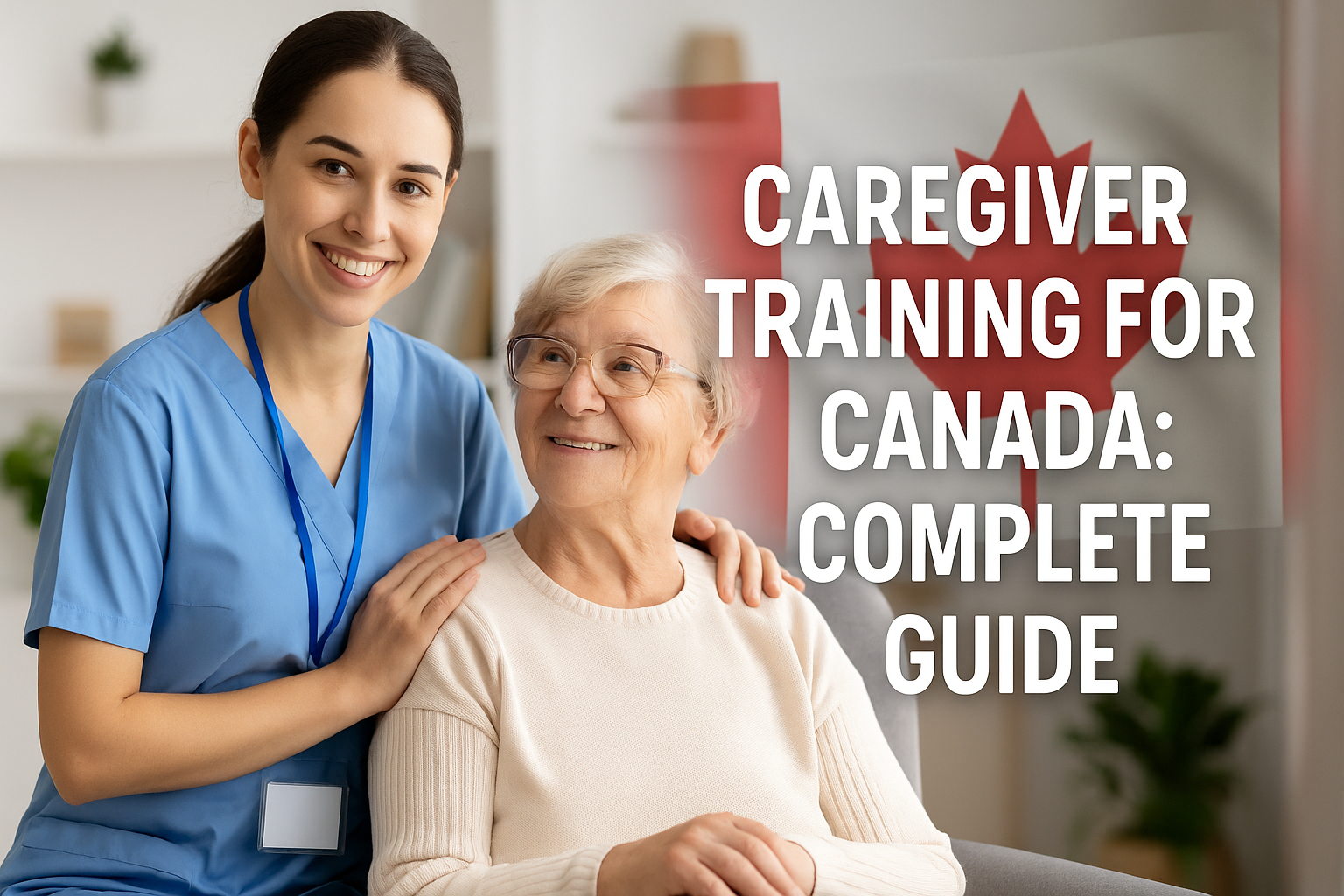
As the population ages and healthcare demands evolve, the need for well-trained caregivers in Canada has never been more evident. Caregiver training Canada has become a focal point in ensuring that individuals providing care are equipped with the necessary skills and knowledge to foster a supportive environment for those they serve. This article provides a comprehensive guide to caregiver training in Canada, covering various aspects from the background of the profession to current training options and future trends.
The Growing Need for Caregivers in Canada
Canada’s demographic landscape is shifting dramatically. Statistics Canada projects that by 2031, nearly a quarter of the population will be aged 65 and older. This trend has profound implications for caregiving, as seniors often require assistance with daily living, health management, and emotional support. With chronic conditions on the rise and family structures changing, the demand for skilled caregivers is anticipated to surpass supply.
This rising demand has led to an increased focus on caregiver training in Canada. As care responsibilities evolve, training programs aim to equip caregivers with the necessary tools and knowledge to provide high-quality care that meets diverse needs. In turn, this emphasis on training not only aims to improve the quality of life for those being cared for but also fosters a respectful and rewarding work environment for caregivers.
In Canada, various training programs cater to different types of caregiving roles. Here’s a look at some of the most popular types available:
- Personal Support Worker (PSW) Programs: These programs typically last from six months to a year and focus on hands-on training. PSWs are essential in providing personal care to clients, helping with daily activities such as bathing, dressing, and meal preparation.
- Home Support Worker Training: Tailored for those who provide care in a home setting, this training covers topics such as household management, meal planning, and basic healthcare.
- Medical Office Assistant Courses: For those looking to work in healthcare settings, these courses provide foundational knowledge about administrative tasks and patient care, blending both caregiving and office skills.
- Specialized Training: Some programs focus on specific populations or needs, such as caregiving for individuals with dementia, mental health issues, or developmental disabilities. These specialized courses ensure that caregivers are prepared to handle unique challenges associated with these conditions.
Many community colleges and vocational schools across Canada offer these programs, which often include a combination of classroom learning and practical experience through internships or placements.
Caregiver training in Canada emphasizes a variety of essential skills that are crucial for effective caregiving:
- Communication: Caregivers learn how to communicate effectively with their clients, families, and healthcare professionals, an essential skill for ensuring clear understanding and effective care delivery.
- Compassion and Empathy: Training enhances caregivers’ abilities to connect with their clients emotionally, fostering a trusting relationship that can significantly impact a client’s well-being.
- Monitoring Health: Caregivers are trained to recognize signs of health changes in their clients and understand when to seek medical intervention.
- Problem-Solving: Given the unpredictable nature of caregiving, training helps caregivers develop critical thinking and problem-solving skills to address various challenges that may arise.
- Respect for Diversity: Understanding cultural differences and individual needs is a key component of caregiver training, ensuring that care is provided respectfully and appropriately.
These skills not only enhance the caregiver-client relationship but also contribute to a more holistic approach to healthcare delivery.
In Canada, caregiver certification requirements can vary significantly by province. Some provinces mandate formal training and certification for specific caregiving roles, while others offer voluntary certification. For instance, in Ontario, the Ministry of Colleges and Universities provides guidelines for Personal Support Worker programs, ensuring they meet specific educational standards. (See: CDC on aging and caregiving.) This builds on reasons to choose Canada College.
Obtaining certification can open doors to better job opportunities and is often seen as a mark of professionalism. Moreover, certification programs may provide caregivers with additional skills in areas such as CPR, first aid, and medication administration, further enhancing their qualifications.
It’s crucial for aspiring caregivers to research the specific requirements in their province, as regulations can influence job prospects and responsibilities significantly.
As the field of caregiving evolves, so does the training landscape. Several trends are shaping caregiver training in Canada:
- Online Learning: The COVID-19 pandemic accelerated the adoption of online training methods, making education more accessible for many who may be unable to attend in-person classes. Many programs now offer hybrid models, blending online coursework with in-person practical training.
- Cultural Competency: With Canada’s diverse population, there is an increasing emphasis on cultural competency in training programs. Caregivers are being taught to recognize and appreciate cultural differences, creating a more inclusive caregiving environment.
- Focus on Mental Health: Mental health awareness is gaining traction in caregiver training. Programs are increasingly incorporating topics related to mental health, burnout, and self-care, ensuring that caregivers are equipped to support both their clients and themselves.
- Integration of Technology: As technology becomes more integrated into healthcare, training programs are beginning to include instruction on the use of telehealth services and digital tools that can assist in caregiving.
These trends indicate a shift towards more comprehensive, flexible, and inclusive caregiver training programs, ultimately leading to improved care standards across Canada.
If you’re considering a career in caregiving, there are several practical insights that can help you on your journey:
- Research Training Options: Explore different training programs available in your area, considering factors such as duration, cost, and content. Look for accredited institutions that meet provincial standards.
- Network with Professionals: Connect with current caregivers or professionals in the field. They can provide valuable insights about the job, workplace environments, and potential challenges.
- Gain Experience: If possible, volunteer or seek internships in healthcare settings. Hands-on experience is invaluable and can enhance your understanding of the role.
- Stay Informed: Healthcare is always changing. Stay updated on trends, legislative changes, and best practices through continuous education and professional development opportunities.
By taking these steps, aspiring caregivers can set themselves up for a rewarding career that not only fulfills a critical role in society but also offers personal satisfaction.
The future of caregiver training in Canada looks promising but also challenging. As the need for caregivers continues to grow, training programs must adapt to the evolving demands of the healthcare system. This includes keeping pace with technological advancements, addressing workforce shortages, and integrating a broader understanding of mental and emotional health into training.
Moreover, there will likely be an increased focus on interdisciplinary approaches to caregiving. Collaboration between caregivers and other healthcare professionals is essential for providing comprehensive care. Training programs may evolve to reflect this need, preparing caregivers to work effectively within teams.
Ultimately, as caregiver training in Canada continues to evolve, the emphasis will be on equipping caregivers not just with technical skills but also with the emotional intelligence necessary to connect with and support their clients. By investing in caregiver training now, Canada is taking crucial steps towards ensuring quality care for its aging population. (See: WHO fact sheet on aging and health.)
Quality caregiver training has a direct impact on the level of care clients receive. Well-trained caregivers are more adept at recognizing the needs of their clients, providing not just physical care but emotional support as well. A study from the Canadian Home Care Association indicated that clients who received care from trained professionals reported higher satisfaction rates in their overall care experience. This highlights the importance of caregiver training in promoting positive health outcomes.
For example, caregivers trained in geriatric care are better equipped to manage the complexities of aging, such as medication management and mobility issues. They can also provide valuable companionship, which is crucial in preventing feelings of isolation among seniors. This multifaceted approach to caregiving showcases how effective training can lead to improved quality of life for clients.
The job market for caregivers in Canada is ripe with opportunities, particularly as the demand for services continues to grow. According to Job Bank Canada, employment for personal support workers is projected to grow in the coming years due to an aging population and increased reliance on home care services. Many regions, including urban and rural areas, are actively seeking qualified caregivers to fill vacancies.
Additionally, some provinces offer incentives for those entering the caregiving field, such as signing bonuses or tuition reimbursement for training programs. It’s an exciting time for prospective caregivers, as the profession not only offers a chance to make a difference in people’s lives but also provides stable employment opportunities.
What qualifications do I need to become a caregiver in Canada?
While specific qualifications vary by province, most caregiver roles require a high school diploma and completion of a caregiver training program. Certification may also be necessary for certain positions, such as Personal Support Workers.
How long does caregiver training take?
Training programs can vary in length from a few months to a year, depending on the type of program and whether it includes practical placements.
Is financial assistance available for caregiver training?
Yes, various financial aid options may be available, including government grants, scholarships, and loans. Some employers also offer tuition reimbursement for employees pursuing relevant training.
Can I work as a caregiver without formal training?
While it’s possible to find employment without formal training, many employers prefer candidates with training and certification. Additionally, training equips you with essential skills that enhance your ability to provide care.
What is the average salary for caregivers in Canada?
Caregiver salaries can vary widely based on location, experience, and specific roles. On average, personal support workers earn between CAD 20 to 25 per hour, with potential for higher wages in specialized roles or urban areas.
Are there continuing education opportunities available for caregivers?
Yes, many organizations offer continuing education courses and workshops for caregivers to update their skills and knowledge. This is especially important as healthcare practices and technologies continue to evolve.
What should I consider when selecting a caregiver training program?
When choosing a training program, consider the following factors: accreditation, curriculum relevance, hands-on training opportunities, and flexibility in scheduling. It’s beneficial to read reviews and speak with alumni to get a firsthand account of their experiences.
How does caregiver training differ across provinces?
Each province in Canada has its own regulations and requirements for caregiver training. Some provinces may mandate specific certifications, while others may offer more flexibility. It’s essential to review the provincial guidelines to ensure compliance and to understand what is expected in your area.
By understanding these aspects of caregiver training in Canada, you can better prepare for a fulfilling career that meets the needs of this growing sector. Investing time in your training ensures you’re equipped to provide the best possible care for those who need it most.
“`
Trending Now
Frequently Asked Questions
What is caregiver training in Canada?
Caregiver training in Canada encompasses various educational programs designed to equip individuals with the skills and knowledge necessary to provide effective care. This training includes personal support worker programs and home support worker training, focusing on practical skills for assisting seniors and those with chronic conditions.
Why is there a growing need for caregivers in Canada?
The need for caregivers in Canada is increasing due to an aging population, with projections indicating that nearly 25% of Canadians will be 65 or older by 2031. This demographic shift creates a higher demand for skilled caregivers to assist with daily living, health management, and emotional support.
What types of caregiver training programs are available in Canada?
In Canada, various caregiver training programs are available, including Personal Support Worker (PSW) programs and Home Support Worker training. These programs typically range from six months to a year and emphasize hands-on training to prepare caregivers for diverse caregiving roles.
How long does caregiver training take in Canada?
Caregiver training programs in Canada generally last from six months to a year, depending on the specific program and its focus. For instance, Personal Support Worker programs provide intensive, hands-on training to prepare individuals for their roles in caregiving.
What skills do caregivers learn during training in Canada?
During caregiver training in Canada, individuals learn essential skills such as personal care techniques, communication, health management, and emotional support strategies. These skills are vital for providing high-quality care to clients, especially seniors and those with chronic health conditions.
Agree or disagree? Drop a comment and tell us what you think.



