
“`html
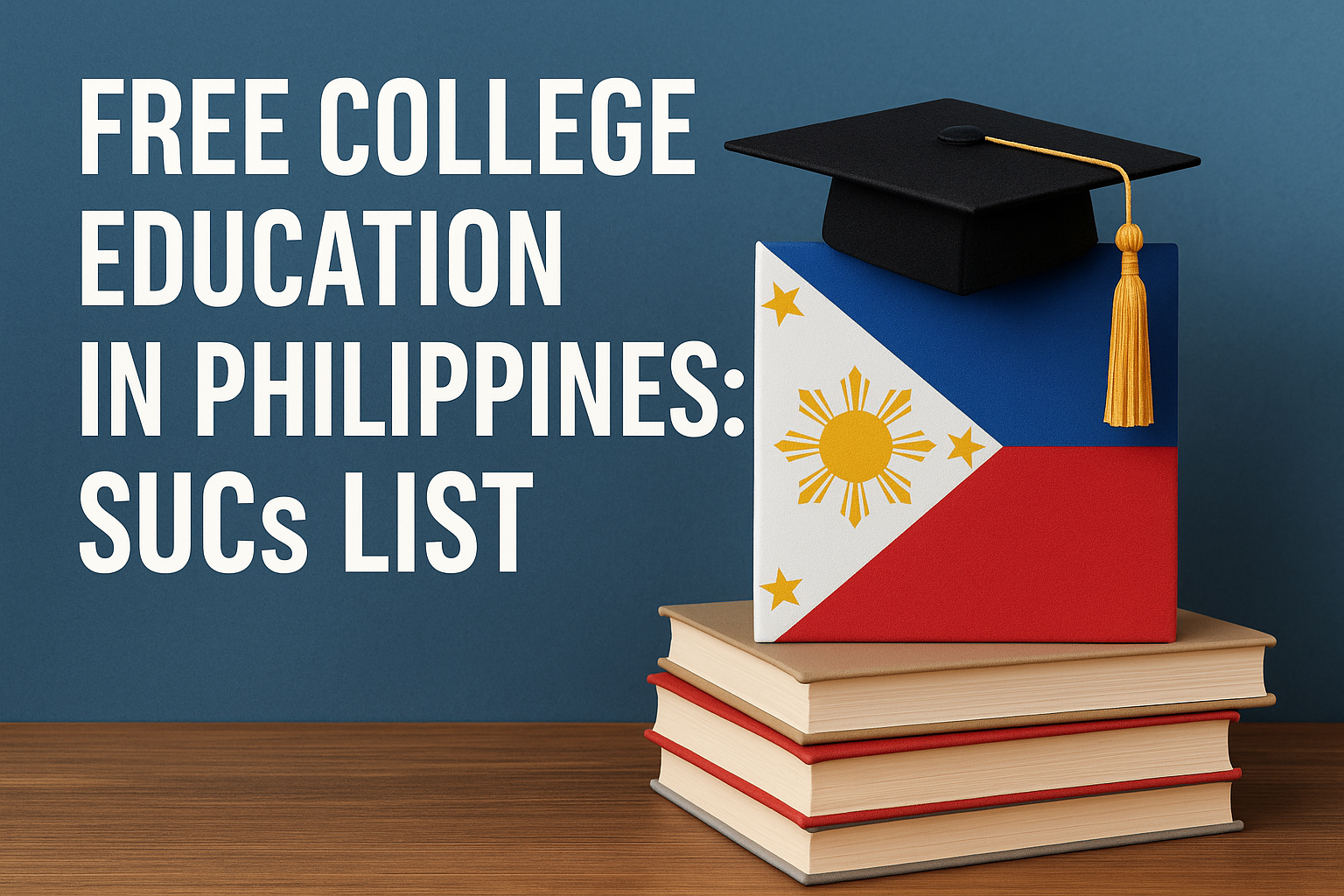
The concept of free college education in the Philippines has gained significant traction in recent years, especially with the implementation of the Universal Access to Quality Tertiary Education Act in 2017. This landmark legislation aims to provide greater access to higher education for all Filipinos, focusing particularly on students from lower-income families. By analyzing the list of State Universities and Colleges (SUCs) included in this initiative, we can better understand the landscape of free education in the country, its benefits, and the challenges that remain.
Understanding the Universal Access to Quality Tertiary Education Act
The Universal Access to Quality Tertiary Education Act, officially designated as Republic Act No. 10931, was signed into law on August 3, 2017. This act fundamentally reshaped the higher education system in the Philippines by allowing students enrolled in SUCs to benefit from free tuition and other school fees. This legislative move was a response to the rising costs of education, which have long left many potential students unable to pursue their academic goals.
This law applies not only to traditional college students but also to those attending graduate schools and technical-vocational education institutions that are under the supervision of the Commission on Higher Education (CHED). However, it is essential to note that this is limited to students who meet certain criteria, such as being a Filipino citizen and not having exceeded the maximum duration of their chosen course.
The List of State Universities and Colleges (SUCs)
As of the latest updates, there are over 100 SUCs across the Philippines that are part of this initiative. These institutions are spread throughout various regions and offer a multitude of courses catering to different educational and professional paths. Here’s a closer look at some of the prominent SUCs:
- University of the Philippines System (UP) – This prestigious institution is regarded as the premier university in the country, with campuses in Diliman, Los Baños, Manila, and various regions.
- Cavite State University – Known for its focus on technology and innovation, this university also plays a crucial role in developing the local workforce.
- University of the Cordilleras – Located in Baguio City, this university is recognized for its strong programs in education and engineering.
- Pangasinan State University – This institution offers diverse programs with a focus on agriculture and technology, serving the needs of local industries.
- Mindanao State University – A key institution in the southern Philippines, it plays a crucial role in promoting education in the conflict-affected areas of Mindanao.
- Bicol University – Known for its commitment to quality education, particularly in agriculture and environmental management.
This list is non-exhaustive, and many other SUCs across the nation are making strides in various disciplines. All SUCs participating in this program significantly contribute to the educational landscape of the Philippines, enhancing the lives of countless students.
Benefits of Free College Education
The introduction of free college education is a monumental step toward fostering equal opportunities for all Filipinos. Here are some notable benefits: This builds on addressing education equity.
- Increased Accessibility: With tuition fees eliminated, more students from economically disadvantaged backgrounds can access higher education, empowering them to break the cycle of poverty.
- Boosting Enrollment Rates: Free college education has the potential to increase enrollment rates significantly, as seen in various SUCs. This helps create a more educated workforce, ultimately contributing to national development.
- Focus on Skills Development: Institutions can focus on equipping students with the skills needed in the job market without the burden of tuition fees, leading to a more competent workforce.
These benefits highlight the positive impact that free college education can have on individuals and society as a whole. However, it is essential to consider the challenges that accompany this initiative. (See: Universal Access to Quality Tertiary Education Act.)
Challenges and Limitations
While the dream of free college education is promising, it is not without its challenges. Here are some of the most pressing issues:
- Funding Constraints: The implementation of free education is heavily reliant on government funding. Budget allocations for education can fluctuate, potentially affecting the sustainability of the program.
- Quality of Education: With the surge in enrollment, there is a risk of overcrowded classrooms and strained resources. This can adversely impact the quality of education provided, leading to concerns about the preparedness of graduates to enter the workforce.
- Administrative Hurdles: Many students find themselves navigating a complicated process to apply for the benefits of the program. The bureaucratic red tape can deter potential students from taking advantage of free education.
Addressing these challenges is crucial for the long-term success of the initiative. Stakeholders, including the government, educational institutions, and the private sector, must work collaboratively to ensure that the quality of education remains high even as more students gain access.
Global Comparisons: Free Education Around the World
The Philippines is not alone in its quest for free college education; many countries worldwide have adopted similar measures. For instance, countries like Germany and Norway offer free tuition to all students, regardless of nationality. This has led to higher education enrollment rates and has been associated with a more skilled workforce and lower unemployment rates.
In comparison, the U.S. has a complicated system of financial aid and student loans, which often places a heavy financial burden on graduates. This contrast highlights a significant difference in how education policy can impact students’ futures.
By examining these global trends, we can identify best practices and potential pitfalls. For example, countries that have successfully implemented free college education often also emphasize the importance of vocational training, ensuring that all pathways to success are accessible to students.
Future Directions for Free College Education in the Philippines
Looking ahead, the future of free college education in the Philippines is filled with both promise and uncertainty. The continued support of the government and stakeholders will be crucial in sustaining and improving these programs. Some potential directions include:
- Investment in Infrastructure: Upgrading facilities and expanding campuses will be necessary to accommodate the influx of students while maintaining educational quality.
- Strengthening Industry Partnerships: Collaboration between educational institutions and industries can ensure that curricula align with job market needs, providing graduates with the skills employers seek.
- Enhancing Student Support Services: Providing additional resources, such as counseling and academic assistance, can help students navigate their educational journeys more effectively.
These strategies can help mitigate the challenges faced by the current system and ensure that free college education in the Philippines remains a viable option for future generations.
Conclusion: A Path Forward
The journey toward free college education in the Philippines is a vital step toward fostering a more equitable society. The legislation has already begun to transform the educational landscape, providing opportunities for countless students who may have previously been denied access due to financial constraints. (See: Associated Press news on education reforms.)
However, as the program continues to evolve, it is imperative to address the challenges that arise and ensure that quality education is not compromised. By learning from both domestic experiences and global examples, the Philippines can pave the way for a sustainable and effective system of higher education that truly benefits all citizens. In this way, free college education in the Philippines can serve as a powerful tool for social mobility and national development.
Expert Perspectives on Free College Education in the Philippines
Experts in educational policy believe that free college education can have far-reaching implications for the socio-economic landscape of the country. Dr. Maria Santos, an education reform advocate, states, “Providing free education is vital for national development. It allows the youth to focus on learning rather than worrying about tuition fees.” Her perspective underscores the potential for free education to foster innovation and entrepreneurship among the country’s youth.
Moreover, renowned economist Dr. Juan Dela Cruz emphasizes the economic benefits of educated citizens. “Investing in education yields long-term economic growth. Countries with higher education levels tend to have lower unemployment rates and higher GDP growth,” he notes. This illustrates a compelling argument for the sustainability of free college education programs in the Philippines, as they can ultimately contribute to the country’s economic resilience.
Statistical Insights
Recent statistics shed light on the impact of free college education in the Philippines. According to CHED, enrollment in SUCs has increased by approximately 20% since the implementation of the Universal Access to Quality Tertiary Education Act. This surge indicates that more students are taking advantage of the opportunity to pursue higher education without the financial burden of tuition fees.
Additionally, a survey conducted by the Social Weather Stations (SWS) revealed that 75% of Filipino parents consider free college education a significant factor in improving their children’s future. This statistic reflects the societal recognition of the importance of accessible education.
Frequently Asked Questions (FAQ)
1. Who is eligible for free college education in the Philippines?
To qualify for free college education under the Universal Access to Quality Tertiary Education Act, students must be Filipino citizens and must not have exceeded the maximum duration of their chosen course. Additionally, they must be enrolled in a State University or College (SUC).
2. Are there any hidden fees associated with free college education?
While tuition fees are waived, students may still be required to pay for other school-related expenses, such as laboratory fees, miscellaneous fees, and uniforms. It’s important to check with specific institutions for their fee structures.
3. How does free college education impact the quality of education?
The influx of students can lead to overcrowding in classrooms, which may affect the quality of education. However, with strategic investments in infrastructure and resources, institutions can mitigate these challenges and maintain high educational standards.
4. What are the long-term implications of free college education for Filipino society?
Long-term, free college education can lead to a more informed and skilled workforce, reduce unemployment rates, and promote social equality. It can also contribute significantly to the nation’s economic growth and development.
5. How can students apply for free college education benefits?
Students typically need to apply through their respective SUCs or through the CHED website. The application process may require documentation of eligibility, so it’s advisable to start the process early and seek guidance from school administrators.
6. Are there similar programs for vocational education?
Yes, the Universal Access to Quality Tertiary Education Act also covers technical-vocational education institutions under CHED’s supervision, providing opportunities for students to pursue skills development without incurring tuition costs.
As the dialogue surrounding free college education continues, it is essential to engage all stakeholders, including students, educators, and government officials, to create a framework that supports quality education and accessibility for all. The journey is still ongoing, but with collective effort, the vision of free college education in the Philippines can become a reality for future generations.
“`
Trending Now
Frequently Asked Questions
What is the Universal Access to Quality Tertiary Education Act in the Philippines?
The Universal Access to Quality Tertiary Education Act, signed into law on August 3, 2017, provides free tuition and other school fees for students enrolled in State Universities and Colleges (SUCs) in the Philippines. This legislation aims to enhance access to higher education, especially for those from lower-income families.
Which universities are included in the free college education program in the Philippines?
Over 100 State Universities and Colleges (SUCs) in the Philippines participate in the free college education program. These institutions offer a wide range of courses and are distributed across various regions, making higher education more accessible to Filipino students.
Who is eligible for free college education under the SUCs program?
Eligibility for free college education in the Philippines requires students to be Filipino citizens and to not have exceeded the maximum duration of their chosen course. This includes those attending traditional colleges, graduate schools, and technical-vocational education institutions under CHED.
What are the benefits of free college education in the Philippines?
The benefits of free college education in the Philippines include increased access to higher education for students from lower-income families, reduced financial burden, and the opportunity for more individuals to pursue their academic and professional goals without the stress of tuition fees.
What challenges does the free college education initiative face in the Philippines?
Despite its positive impact, the free college education initiative in the Philippines faces challenges such as limited funding, disparities in resource allocation among SUCs, and the need for improved infrastructure and support services to accommodate the increasing number of enrolled students.
Agree or disagree? Drop a comment and tell us what you think.