
“`html
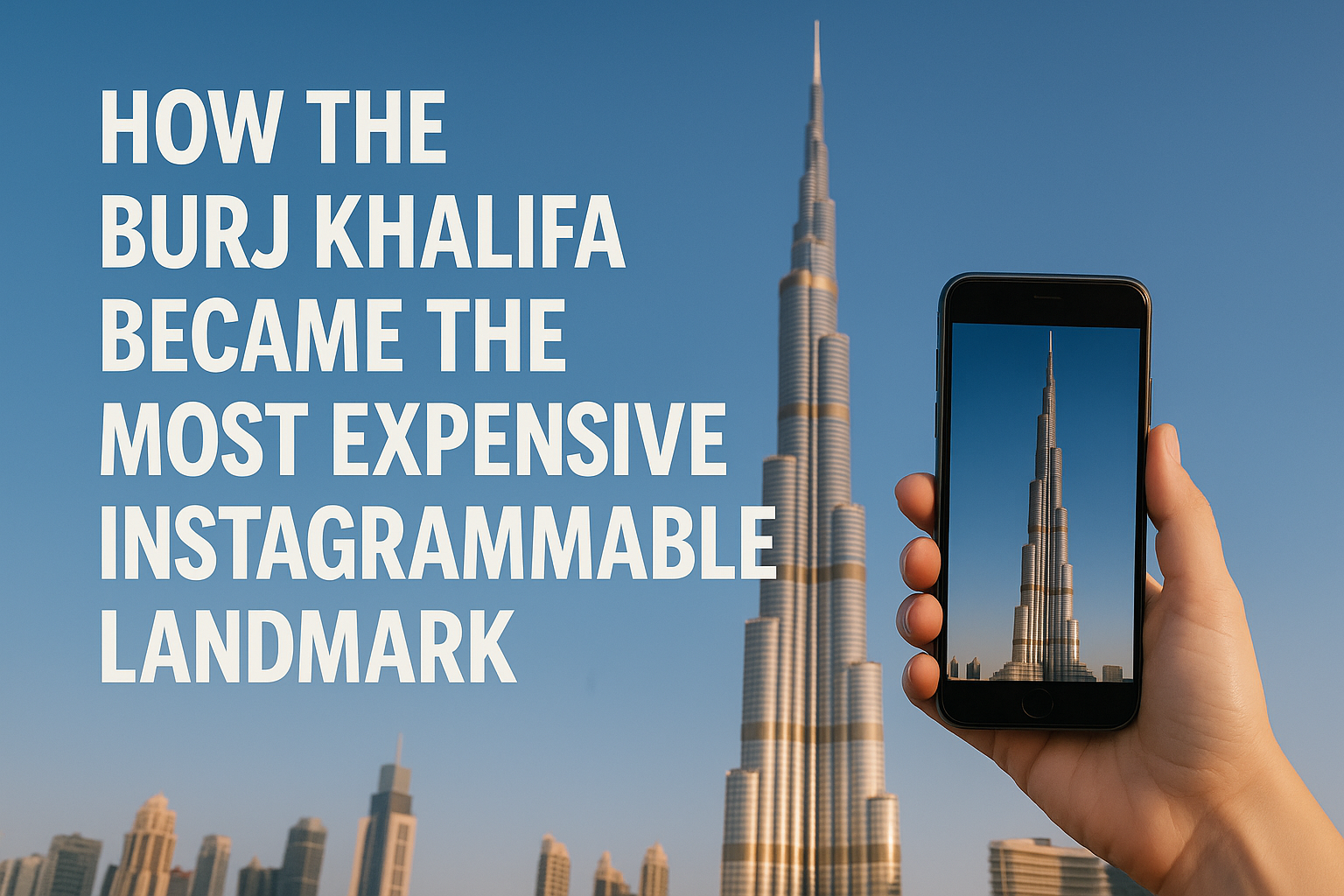
The allure of capturing that perfect shot to share on social media has created a viral travel trend that’s turning breathtaking destinations into financial burdens. The Burj Khalifa in Dubai, known for its magnificent skyline and impressive stature, has been identified as the world’s most expensive landmark for travelers craving that coveted Instagram-worthy photograph. As the pursuit of viral content intensifies, many are now grappling with the hidden costs associated with such experiences, raising important questions about value, accessibility, and the pressures of social media.
1. The Cost of Capturing the Perfect Shot
When it comes to iconic landmarks, few can compete with the grandeur of the Burj Khalifa. Standing tall at 828 meters, it’s not just the tallest building in the world; it’s also a prime spot for tourists looking to showcase their travels on platforms like Instagram. However, many visitors are unaware of the significant costs associated with this pursuit. From entrance fees to premium viewing experiences, the expenses can quickly add up.
For instance, gaining access to the observation decks on the 124th and 148th floors often requires purchasing tickets that can range from $40 to over $100, depending on the time of day and availability. Additionally, photography enthusiasts may feel the pressure to purchase professional photo packages that can run into hundreds of dollars, all in the name of securing that perfect shot. This trend highlights a troubling reality: the most visually stunning experiences often come with the heftiest price tags.
2. Chasing Viral Content: The New Travel Norm
Viral content has become a driving force in travel planning. The desire to post eye-catching photos online can lead to significant shifts in behavior and spending. Tourists are increasingly drawn to destinations simply because they have gained traction on social media, sometimes overlooking the realities of the costs involved. The Burj Khalifa’s popularity as a backdrop for photos is a prime example of this phenomenon.
Moreover, the emotional impact of social media has created a sense of urgency among travelers. Many feel an overwhelming need to participate in the trend, fearing they might miss out on what could be the highlight of their travel experience. This fear of missing out (FOMO) can cloud judgment, leading to spending that doesn’t align with one’s budget. As travelers share their breathtaking experiences online, new visitors are often drawn into the cycle, perpetuating the viral travel trend even further.
3. The Financial Burden of Instagrammable Travel
The financial implications of seeking Instagrammable locales can extend beyond just entrance fees. Many tourists are now faced with many additional expenses, such as transportation, accommodation, and dining, all carefully selected to enhance their social media imagery. For instance, luxury accommodations near the Burj Khalifa are in high demand, with prices surging, especially during peak tourist seasons.
This trend isn’t limited to Dubai alone; it is evident in many popular travel destinations worldwide. Travelers flock to places that promise the best photo ops, unaware of the monetary stress they might incur. As the pressure mounts to create the perfect travel narrative online, many are left questioning the true cost of their experiences and whether these financial sacrifices are worth it.
4. Alternatives to High-Cost Destinations
As travelers begin to realize the financial strain imposed by high-profile locations like the Burj Khalifa, many are actively seeking alternatives. The rise of off-the-beaten-path destinations has opened up new possibilities for those wanting stunning visuals without breaking the bank. Places that may not have the same level of recognition often provide equally impressive backdrops at a fraction of the cost. (See: Burj Khalifa tourism impact.)
For example, destinations in regions like Eastern Europe or South America are becoming increasingly popular among budget-conscious travelers. These locations often boast breathtaking scenery and cultural experiences without the inflated prices associated with more famous landmarks. Exploring these alternatives not only mitigates financial risk but also encourages a richer travel experience, allowing tourists to immerse themselves in local culture rather than just capturing an image.
5. Rethinking the Value of Experiences
As the viral travel trend continues to grow, it’s essential for travelers to rethink what they value in their experiences. Are they visiting a destination for the genuine experience, or merely to satisfy a social media aesthetic? This introspection could lead to more fulfilling journeys that prioritize authentic connections over social media performance.
Travelers are beginning to engage with local cultures more meaningfully instead of just checking off bucket-list items. This shift not only fosters personal growth but also encourages a more sustainable approach to tourism. Rather than spending exorbitant amounts on photo ops, many are investing in local guides, cooking classes, and community projects that provide deeper insights into the places they visit.
6. The Role of Social Media Influencers
Social media influencers play a significant role in shaping the viral travel trend. With their large followings, they have the power to elevate destinations and create a buzz that can lead to increased tourist traffic. However, this visibility can also exacerbate the financial pressures faced by regular travelers. Many influencers showcase lavish experiences that may not reflect the reality for the average tourist, further inflating expectations and spending.
Finding a balance between inspiration and realistic travel planning is crucial. While influencer-generated content can introduce exciting destinations and experiences, it’s important for travelers to do their due diligence. By researching and comparing various options, tourists can make informed decisions that align with their budget and travel goals, ultimately paving the way for more authentic experiences.
7. The Impact of FOMO on Travel Behavior
The fear of missing out has rapidly become a significant psychological factor influencing travel behavior. This FOMO often manifests in the decisions tourists make, pushing them toward high-profile landmarks despite their costs. The Burj Khalifa serves as a prime example of how social media can create a competitive environment among travelers, each vying for the best photo and experience to share with their online audience.
As a result, many travelers may find themselves in situations where the cost of the experience outweighs its emotional benefit. By understanding this psychological phenomenon, tourists can prepare themselves better to resist the pressures of social media. Recognizing that meaningful travel is not solely about capturing the perfect shot can lead to a more enriching experience without the financial burden.
8. Finding Balance in the Age of Social Media
Ultimately, navigating the complex landscape of travel in the age of social media requires balance. While it’s natural to want to capture beautiful moments, travelers must be mindful of the financial and emotional costs that come with it. The trend surrounding the Burj Khalifa and other similar landmarks serves as a reminder of the need to assess personal priorities.
Travel should be about exploration, connection, and personal growth, rather than just an endless pursuit of likes and shares. By shifting the focus from social media validation to genuine experiences, travelers can redefine what their adventures mean to them. It’s time to embrace travel for what it truly offers: unforgettable memories, rich cultural interactions, and a deeper understanding of the world around us, rather than just a way to feed the viral travel trend. (See: New York Times on Burj Khalifa.)
9. Statistics on Viral Travel Trends
To better understand the economic implications and the growth of the viral travel trend, various studies and surveys can provide eye-opening insights. A report by Expedia found that 48% of millennials planned their trips based on Instagram and social media posts, a number that continues to rise. Furthermore, a survey conducted by Booking.com revealed that 55% of travelers acknowledged feeling pressured to visit destinations that are popular on social media, indicating the strong influence of online platforms on travel choices.
The financial impact is evident, with destinations that are tagged in popular Instagram posts witnessing a surge in tourism. For instance, locations like Bali and Santorini have seen a noticeable increase in visitors, with tourism numbers doubling over a span of just a few years. This influx can lead to economic booms for local businesses but also raises concerns about sustainability and overcrowding.
10. Expert Perspectives on the Impact of Social Media on Travel
Travel experts emphasize the importance of finding a balance between enjoying travel experiences for their intrinsic value and the desire to capture them for social media. Dr. Sarah Johnson, a travel psychologist, states, “The quest for the perfect shot often overshadows the actual experience. It’s essential for travelers to remain present and appreciate their surroundings rather than being preoccupied with social media validation.” Her insights underline the growing need for travelers to engage with their experiences holistically.
Similarly, travel expert Mark Thompson points out that while social media can inspire travel, it can also create unrealistic expectations. “Travel should be about personal discovery and exploration, not merely a checklist of photo ops. The best memories come from genuine interactions and experiences, not just perfect Instagram posts.” His perspective highlights a shift in the travel narrative towards authenticity and meaningful connections.
11. Frequently Asked Questions (FAQ)
Q1: What is the viral travel trend?
A1: The viral travel trend refers to the phenomenon where destinations gain popularity primarily through social media platforms, driven by the desire for picturesque photographs that can be shared online.
Q2: How can I travel without succumbing to the pressures of social media?
A2: One way to avoid social media pressures is to set personal travel goals focused on experiences rather than appearances. Engage in local culture and activities that interest you rather than what’s trending online.
Q3: Are there benefits to traveling to ‘Instagrammable’ locations?
A3: Yes, visiting these locations can provide unique experiences and stunning visuals. However, it’s crucial to balance this with an appreciation for the culture and community surrounding these places.
Q4: How do I find affordable alternatives to high-cost destinations?
A4: Research lesser-known destinations that offer similar experiences. Online travel forums and blogs can provide valuable insights into budget-friendly travel options. (See: WHO on social media effects.)
Q5: What should I keep in mind when planning a trip influenced by social media?
A5: Always consider your budget, the authenticity of the experience, and the sustainability of the destination. Aim to create lasting memories that are not solely based on social media validation.
12. Understanding the Impact of the Viral Travel Trend on Local Communities
The surge in tourism driven by the viral travel trend doesn’t just affect travelers; it also has profound implications for local communities. Many destinations find themselves grappling with an influx of visitors that can strain resources and infrastructure. For example, towns once seen as hidden gems may experience overcrowding, which can lead to increased prices for locals and a decline in quality of life.
Oftentimes, this surge in tourism can lead to a double-edged sword. While local businesses can benefit financially from increased foot traffic, the charm and authenticity of a community can diminish when it’s overwhelmed by tourists primarily there for social media posts. To combat these issues, some regions are implementing measures like tourist caps or promoting off-season travel to manage the influx more sustainably.
13. Future Trends in Travel Influenced by Social Media
The future of travel, heavily influenced by social media, is shaping up to reflect not just the desire for beautiful images but also a growing awareness of responsible tourism. As more travelers become conscious of the environmental and social impact of their travels, there’s a noticeable shift towards eco-friendly practices and sustainable travel options. This includes choosing eco-certified accommodations, supporting local artisans, and participating in conservation efforts.
Additionally, we may see the rise of “slow travel,” a movement that encourages deeper connections with destinations. This trend champions quality over quantity, urging travelers to spend more time in fewer places, thus allowing for a more immersive experience and a lesser impact on the environment. By prioritizing local experiences and sustainable practices, future travelers might redefine what it means to explore the world.
“`
Trending Now
Frequently Asked Questions
What makes the Burj Khalifa so expensive to visit?
The Burj Khalifa is considered expensive due to high entrance fees for its observation decks, which can range from $40 to over $100. Additionally, many visitors opt for costly professional photo packages to capture the perfect shot, contributing to the overall expenses of visiting this iconic landmark.
How does social media influence travel costs?
Social media significantly influences travel costs as tourists are increasingly drawn to destinations that are popular online. This trend often leads to higher expenses, as travelers seek iconic spots for photos, like the Burj Khalifa, which can involve premium tickets and professional photography services.
Is the Burj Khalifa worth the cost for Instagram photos?
Whether the Burj Khalifa is worth the cost for Instagram photos depends on individual values. The stunning views and iconic status may justify the expenses for some, while others might find the financial burden too high for a single photo opportunity.
What are the hidden costs of visiting the Burj Khalifa?
Hidden costs of visiting the Burj Khalifa include not just the entrance fees for the observation decks but also potential expenses for photography packages, dining, and transportation. These costs can significantly increase the overall budget for a visit.
How has the Burj Khalifa become a viral travel destination?
The Burj Khalifa has become a viral travel destination due to its breathtaking architecture and status as the tallest building in the world. Social media platforms amplify its appeal, encouraging travelers to seek out this landmark for Instagram-worthy photos, despite the associated costs.
What's your take on this? Share your thoughts in the comments below — we read every one.