

“`html
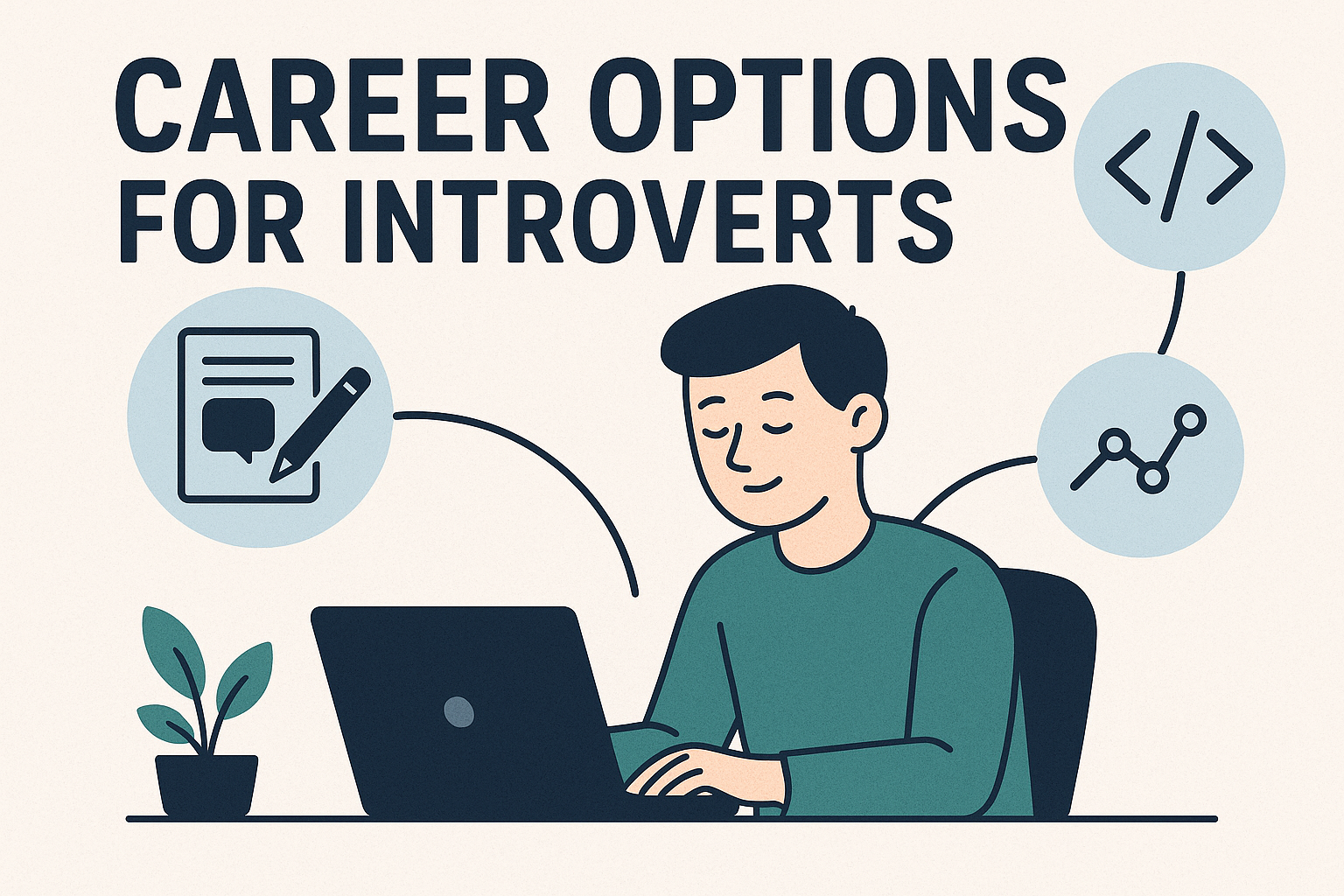
For many introverts, the thought of navigating a bustling office or engaging in constant social interactions at work can feel daunting. However, the landscape of career options has significantly evolved, particularly in the technology sector, making it easier for introverts to find roles that suit their preferences. This article delves into various introvert career options in technology, providing insights and practical advice for those looking to thrive in a tech environment.
Understanding Introversion in the Workplace
Introversion is often misunderstood. Many people think of introverts as shy or antisocial, but it’s more complex than that. Introverts recharge by spending time alone and often prefer deep, meaningful conversations over small talk. In the workplace, this can translate into a preference for tasks that require focus and independent work.
According to studies, introverts can make excellent employees, especially in roles that leverage their strengths, such as analytical thinking, problem-solving, and creativity. When introverts work in environments that allow them to flourish, they can be incredibly productive and innovative. We covered ways to become a developer in more detail.
Why Technology is a Great Fit for Introverts
The technology sector is particularly well-suited for introverts for several reasons:
- Flexible Work Environments: Many tech companies offer remote work options, allowing introverts to manage their working conditions comfortably.
- Focus on Problem-Solving: Many tech roles emphasize critical thinking and analytical skills, which align with the strengths of many introverts.
- Less Emphasis on Social Interaction: While teamwork is essential, many tech jobs allow for significant periods of solitary work.
- Diverse Career Paths: The technology industry offers a vast range of career options, from coding to data analysis, which can cater to various interests and skills.
Top Introvert Career Options in Technology
Here’s a deeper dive into some specific introvert career options in technology that can provide a fulfilling and rewarding experience:
1. Software Developer
Software developers design and build applications or systems that meet users’ needs. This role often involves a significant amount of coding and problem-solving, making it ideal for introverts who enjoy working independently. Many software development positions also allow for remote work, providing the flexibility introverts crave.
Skills needed include proficiency in programming languages (like Python, Java, or C++) and a solid understanding of algorithms and data structures. The demand for skilled software developers continues to grow, with the U.S. Bureau of Labor Statistics projecting a 22% increase in job opportunities by 2030.
2. Data Analyst
Data analysts interpret complex data sets to help organizations make informed decisions. This role requires strong analytical skills and proficiency in statistical software, making it well-suited for introverts who thrive on data and insights without needing extensive social interaction.
With the explosion of big data, opportunities for data analysts are abundant across various industries, including finance, healthcare, and marketing. According to the Bureau of Labor Statistics, jobs in this field are expected to grow 25% from 2020 to 2030. (See: Introverts and workplace productivity.)
3. Web Designer
If you have a knack for creativity and a passion for design, becoming a web designer can be an excellent fit for introverts. This role focuses on the aesthetics and functionality of websites, allowing for significant individual creativity while also working with clients or teams in a limited capacity.
Web designers often work on a freelance basis or in small teams, meaning they can manage their workload and interactions effectively. Skills in graphic design software and an understanding of user experience (UX) principles are essential in this role.
4. Cybersecurity Specialist
In an age where data breaches and cyber threats are becoming increasingly common, cybersecurity specialists are vital. This role often involves investigating security incidents, analyzing vulnerabilities, and implementing protective measures. The job typically requires significant lone work, making it a great choice for introverts.
The demand for cybersecurity professionals continues to rise, with an estimated growth of 31% from 2019 to 2029, as reported by the Bureau of Labor Statistics. This is a field where introverts can excel by leveraging their analytical skills and attention to detail.
5. Technical Writer
Technical writers create manuals, guides, and documentation that help users understand complex software and systems. This role is perfect for introverts who enjoy writing and translating technical jargon into user-friendly language.
Technical writing allows for independent work and the opportunity to engage with subject matter experts for interviews and clarification. As technology continues to evolve, the need for clear, concise documentation remains essential, creating a steady demand for skilled technical writers.
6. IT Support Specialist
While IT support roles do involve some level of customer interaction, many positions allow for a mixture of solitary troubleshooting and problem-solving. IT support specialists help users resolve technical issues, which can often be done remotely.
Introverts can excel in this role by honing their technical expertise and communication skills, helping users without requiring extensive social interaction. With an expected job growth of 8% from 2019 to 2029, this field offers job stability and opportunities for advancement.
Skills That Enhance Introvert Career Options in Technology
While specific skills will vary by role, certain abilities can enhance your attractiveness to employers in the tech industry:
- Technical Skills: Proficiency in programming languages, data analysis tools, and design software is crucial for many tech roles.
- Problem-Solving: Being able to approach challenges logically and come up with effective solutions is highly valued.
- Attention to Detail: Introverts often excel in roles where accuracy and thoroughness are essential.
- Written Communication: In many tech careers, clear written communication is vital, especially in remote working environments.
Finding Your Ideal Fit
When exploring introvert career options in technology, take the time to reflect on your personal interests and strengths. Consider the following questions to help guide your decision:
- What aspects of technology fascinate you the most?
- Do you prefer working independently or as part of a team?
- How much interaction do you want with clients or colleagues?
- What skills do you currently possess, and what do you want to develop?
By thinking through these questions, you can better identify roles that align with your strengths and preferences, thus enhancing your chances of finding a career that not only suits you but also allows you to thrive.
Networking as an Introvert
Networking can be particularly challenging for introverts, but it doesn’t have to be overwhelming. Online platforms like LinkedIn provide excellent opportunities to connect with industry professionals without the pressure of face-to-face interactions. Consider joining relevant groups or forums where you can participate in discussions and share insights at your own pace.
Another effective networking strategy is to attend industry conferences or seminars. While the idea of large crowds can be intimidating, focus on setting specific goals for your networking efforts. For example, aim to have meaningful conversations with just a few people rather than trying to meet everyone in the room.
Expanding Career Opportunities
The technology industry is continually evolving, bringing new opportunities for introverts. Emerging fields like artificial intelligence (AI), machine learning, and blockchain technology are gaining traction and require specialized skills that can be learned even by those who prefer solitary study. For example, introverts can engage in online courses or boot camps focusing on these areas, allowing them to build expertise and boost their marketability.
Additionally, there’s a growing trend toward interdisciplinary roles. For instance, someone with a background in psychology might transition into user experience (UX) research within technology. This avenue not only utilizes their existing knowledge but also allows for independent work while still contributing to larger team projects. certified data analyst guide offers useful background here.
Statistics on Introverts in Tech
While specific statistics on introverts in technology roles may be hard to find, broader research highlights some interesting trends. A survey by the Myers-Briggs Company indicates that about 40% of the workforce identifies as introverted. In tech, where analytical skills and creativity are paramount, introverts often excel. Tech companies like Microsoft and Google have reported that diverse teams, including those with introverted members, are more innovative and effective in problem-solving.
Moreover, the demand for tech roles that naturally align with introverted tendencies continues to rise, creating a favorable environment for those who prefer less social interaction. This trend is expected to grow as companies recognize the value of diverse working styles and perspectives.
Common Misconceptions About Introverts in Technology
There are several misconceptions about introverts that can hinder their career advancement. One common myth is that introverts are ineffective communicators. In reality, many introverts possess excellent written communication skills and are adept at articulating their thoughts clearly in written formats, which is essential for tech roles. Additionally, the ability to listen attentively and think critically often makes introverts strong collaborators, even if they prefer to express their ideas through writing rather than speaking.
Another misconception is that introverts cannot lead or manage teams effectively. However, many introverted leaders have proven to be highly effective by fostering inclusive environments, encouraging open dialogue, and valuing contributions from all team members.
Frequently Asked Questions (FAQ)
1. What are the best technology careers for introverts?
Some of the best technology careers for introverts include software development, data analysis, web design, cybersecurity, technical writing, and IT support. Each of these roles allows for varying degrees of independence and focuses on problem-solving skills.
2. How can introverts excel in tech interviews?
Introverts can excel in tech interviews by preparing thoroughly. Practice common technical questions and consider ways to communicate your experience clearly and confidently. Use methods like the STAR (Situation, Task, Action, Result) technique to frame your responses. Also, remember that interviews are not just about answering questions; they’re also an opportunity for you to ask insightful questions.
3. Can introverts work in teams in technology?
Absolutely! While introverts may prefer working independently, many technology roles involve teamwork. Introverts can thrive in team settings by contributing their unique perspectives and skills, often taking on roles that require thoughtful analysis and strategic planning.
4. How can introverts develop their networking skills?
Introverts can develop networking skills by starting small. Attend smaller meetups or join online forums related to their field of interest. Setting clear, achievable goals, such as connecting with just one new person at an event, can help build confidence over time.
5. What resources are available for introverts in technology?
Many resources are available, including online courses in various tech skills, networking groups for introverts, and books on career development. Additionally, platforms like LinkedIn and GitHub can provide spaces for introverts to showcase their skills and connect with others in the tech community.
Conclusion: Embracing Your Unique Strengths
Choosing a career path as an introvert in technology can be an empowering journey. By understanding the various introvert career options in technology available and recognizing your strengths, you can forge a satisfying and successful career. Embrace your unique qualities, seek out environments that allow you to thrive, and remember that your introverted nature can be an asset in the tech world. The future is bright for introverts ready to take their place in this dynamic industry.
“`
Trending Now
Frequently Asked Questions
What are good career options for introverts?
Introverts may thrive in careers that allow for independent work and focus, such as software development, data analysis, graphic design, and technical writing. These roles often emphasize problem-solving and analytical skills, making them well-suited for introverts.
Why are tech jobs suitable for introverts?
Tech jobs are suitable for introverts because they often provide flexible work environments, allow for significant solitary work, and focus on analytical and problem-solving skills. Many tech companies also offer remote work options, catering to introverts' preferences.
How can introverts succeed in the workplace?
Introverts can succeed by leveraging their strengths in analytical thinking and creativity. Finding roles that allow for independent work, seeking environments that minimize excessive social interaction, and embracing remote work options can enhance their productivity and job satisfaction.
Is introversion a disadvantage in the workplace?
Introversion is not inherently a disadvantage. Introverts often excel in roles that require focus and deep thinking. When placed in supportive environments that recognize their strengths, introverts can be highly productive and innovative contributors.
What skills should introverts develop for tech careers?
Introverts should focus on developing skills such as analytical thinking, problem-solving, coding, and technical writing. Additionally, improving communication skills can help them collaborate effectively while still honoring their preference for independent work.
Have you experienced this yourself? We'd love to hear your story in the comments.



