

“`html
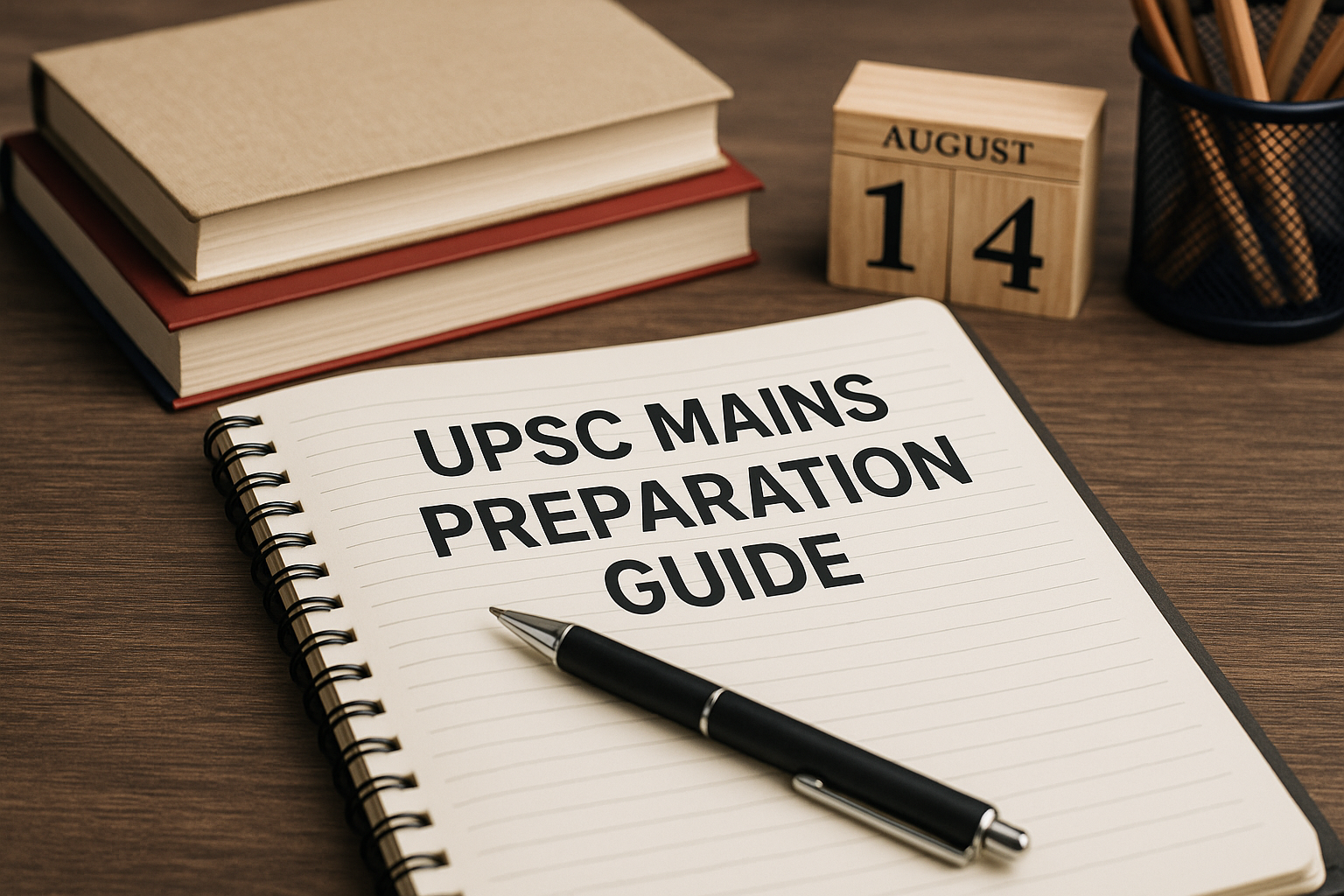
Every year, thousands of aspirants set out on the challenging journey of UPSC (Union Public Service Commission) examinations aiming to secure a coveted position in the Indian civil services. Among the various stages in this rigorous selection process, the UPSC Mains examination stands out as particularly demanding, serving as a litmus test of candidates’ knowledge, analytical ability, and overall preparedness. This article provides a comprehensive guide to UPSC Mains preparation, offering insights, strategies, and practical tips to help you excel.
Understanding the UPSC Mains Examination
The UPSC Mains exam is the second stage of the civil services examination, following the preliminary test. The Mains examination consists of nine papers, out of which seven are assessed for ranking. These include:
- Essay
- General Studies Paper I (Indian Heritage and Culture, History, Geography)
- General Studies Paper II (Governance, Constitution, Polity, Social Justice)
- General Studies Paper III (Technology, Economic Development, Bio-Diversity)
- General Studies Paper IV (Ethics, Integrity, and Aptitude)
- Optional Subject Paper I
- Optional Subject Paper II
Additionally, there are two qualifying papers in any Indian language and English. Understanding this format is crucial for effective UPSC Mains preparation, as each paper tests different aspects of your knowledge and skills.
The Importance of Strategic Planning
Effective UPSC Mains preparation starts with strategic planning. Candidates often underestimate the significance of a well-laid plan. Here’s how you can create an effective study strategy:
- Assess Your Current Knowledge: Before diving in, take stock of what you already know. This will help you identify the areas that need more attention.
- Set Clear Goals: Break down your preparation into manageable targets. Aim to cover specific topics each week, revising regularly.
- Use a Timetable: A structured timetable will keep you disciplined. Allocate time for reading, writing practice, and revision.
- Resource Selection: Choose your resources wisely — books, online courses, and study materials. Stick to a few trusted sources to avoid confusion.
Sticking to a plan is easier said than done, but holding yourself accountable can keep you on track.
Essential Study Materials for UPSC Mains
Your choice of study materials can greatly influence your preparation. Here’s a curated list of essential resources:
Books
- Indian Polity by M. Laxmikanth: A definitive text for governance and polity.
- Economic Survey: A vital document for insights into the economic landscape of India.
- Indian History by Bipin Chandra: Comprehensive coverage of Indian history.
- Ethics, Integrity, and Aptitude by G. Subba Rao: Essential for General Studies Paper IV.
Current Affairs
Staying updated with current events is non-negotiable. Regularly read newspapers like The Hindu or The Indian Express and follow relevant magazines like Yojana and Kurukshetra.
Online Resources
Platforms like Unacademy, BYJU’S, and Vision IAS offer extensive courses tailored for UPSC aspirants. Many aspirants also find value in YouTube channels that specialize in UPSC preparation.
Effective Writing and Answering Techniques
The Mains exam is as much about how you present your knowledge as it is about the content itself. Here are some techniques to enhance your writing: (See: Union Public Service Commission overview.)
Structured Answers
Your answers should have a clear structure: an introduction, body, and conclusion. This helps in conveying your thoughts clearly and logically. Use headings and bullet points where appropriate to improve readability.
Practice Writing Essays
Since one of the papers is an essay, practice writing on various topics. This not only improves your writing skills but also enhances your ability to express ideas coherently under time constraints.
Time Management
Develop a habit of writing within time limits. During the Mains, you’ll need to manage your time effectively to answer all questions. Practicing past years’ papers can be immensely helpful.
Mock Tests and Previous Year Papers
Mock tests are invaluable for UPSC Mains preparation. They simulate the exam environment and provide a platform to evaluate your performance. Here’s how to incorporate them into your preparation:
- Regular Mock Tests: Schedule at least one mock test per week to keep your preparation on track.
- Analyze Performance: After each mock, analyze your performance to identify weaknesses.
- Revise Past Year Papers: Solving previous years’ question papers helps you understand the exam pattern and frequently asked questions.
Mock tests will not only build your confidence but also make you familiar with the examination pressure.
Maintaining Mental and Physical Well-being
Preparing for UPSC Mains can be an intense journey, making it vital to take care of your mental and physical health. Here are some tips: Hindi preparation guide offers useful background here.
- Regular Exercise: Physical activity can help reduce stress and improve concentration.
- Meditation and Mindfulness: Techniques like meditation can enhance focus and mental clarity.
- Balanced Diet: Nourish your body with healthy food to keep your energy levels high.
Remember, a well-rested mind is far more productive than one that’s perpetually fatigued.
Current Trends in UPSC Preparation and Changes
With the rise of digital learning platforms and changes in society, UPSC Mains preparation is evolving. Here are some current trends:
- Online Coaching: The shift from traditional classrooms to online platforms has made quality education accessible to more aspirants.
- Focus on Interdisciplinary Knowledge: Recent papers show a trend toward questions that require knowledge from multiple subjects, underscoring the importance of a holistic understanding.
- Emphasis on Ethics: With increasing complexity in governance, ethical reasoning has gained prominence in the exam.
Staying ahead of these trends can be beneficial for your preparation strategy.
Final Thoughts: Staying Motivated Throughout Your Journey
Lastly, staying motivated during UPSC Mains preparation is crucial. The journey is long and often challenging, but keeping your end goal in sight can help you persevere. Surround yourself with supportive peers, engage in discussions, and celebrate small victories along the way. Remember, this is as much a mental battle as it is an intellectual one. (See: impact of technology on education.)
In summary, preparing for UPSC Mains requires a multifaceted approach that combines strategic planning, effective resource selection, and mental resilience. By following these guidelines, you’ll be better equipped to face one of India’s most challenging examinations.
Common Challenges in UPSC Mains Preparation
While preparing for the UPSC Mains, many aspirants face a set of common challenges that can impact their performance. Identifying these hurdles early can allow you to develop strategies to overcome them. Here are some of the most common challenges:
- Time Constraints: Balancing preparation with personal and professional commitments can be tough. Creating a strict schedule and prioritizing tasks can help manage your time effectively.
- Information Overload: With countless resources available, it’s easy to feel overwhelmed. Stick to a few well-regarded books and materials, and focus on those.
- Maintaining Consistency: Many aspirants struggle to maintain consistent study habits. Building a routine that includes breaks and rewards can help keep motivation levels high.
Expert Tips for UPSC Mains Preparation
Learning from those who have successfully navigated the UPSC Mains can provide valuable insights. Here are some expert tips that can aid your preparation:
- Engage with Study Groups: Joining a study group can provide accountability and diverse perspectives. Discussing topics with peers can deepen your understanding.
- Seek Guidance: Don’t hesitate to reach out to mentors or previous successful candidates for guidance. Their experiences can provide practical insights.
- Stay Curious: Cultivating a genuine interest in the subjects you study makes the preparation more enjoyable and less of a chore.
Statistics on UPSC Success Rates
The competition in UPSC examinations is fierce, with a low success rate that can be discouraging. According to the latest data, roughly 10-12 lakh candidates appear for the Civil Services Preliminary Examination each year, but only about 1-2% make it to the final selection list. Understanding these statistics can help you set realistic expectations and motivate you to stand out.
Here is a breakdown of success rates:
- Approximately 1,000-1,200 candidates are selected each year for the IAS, IPS, and IFS among the 10 lakh who appear.
- The success rate for the Mains exam is around 25%, highlighting the importance of effective preparation strategies.
Frequently Asked Questions (FAQs)
What is the best time to start preparing for UPSC Mains?
It’s advisable to start your preparation as early as possible, ideally right after completing your Preliminary examination. This allows ample time to cover the syllabus extensively and engage in writing practice.
How should I choose my optional subject?
Choose an optional subject based on your interest, background knowledge, and availability of resources. It’s crucial to pick a subject that you will enjoy studying, as this will significantly affect your performance.
How should I manage my time during the Mains examination?
Effective time management during the exam can be achieved by practicing writing answers within a set time limit. Prioritize questions based on your comfort level, and ensure that you allocate time for revision at the end.
Are there coaching institutes required for UPSC preparation?
While many aspirants benefit from coaching institutes for structured learning, self-study is equally effective if you are disciplined and motivated. Choose based on your learning style. (See: technology's role in education.)
Can I prepare for UPSC Mains while working?
Yes, many aspirants manage to prepare for the UPSC Mains while holding jobs. It requires careful time management and a commitment to your study schedule.
Comparative Analysis: Self-Study vs. Coaching Institutes
As you plan your UPSC Mains preparation, you might wonder whether to pursue self-study or enroll in coaching institutes. Each option has its own advantages and disadvantages, and your choice should align with your learning preferences and circumstances. There’s a fuller look at essay writing tips.
Self-Study
Self-study offers flexibility. You can pace your learning according to your personal schedule and focus on subjects where you need the most improvement. Many successful candidates have relied solely on self-study, emphasizing the importance of self-discipline and motivation. Various online resources, such as e-books and webinars, can supplement your learning.
Coaching Institutes
On the other hand, coaching institutes can provide structured learning and guidance. Experienced instructors can clarify complex topics, and the competitive environment can motivate students to perform better. However, coaching can be expensive and might not suit everyone, especially those who thrive in self-paced learning environments.
Ultimately, the decision should depend on your study habits, budget, and the level of guidance you feel you need.
Conclusion
Preparing for UPSC Mains is a daunting task that requires determination, the right strategies, and mental stamina. By understanding the examination patterns, developing effective study habits, and maintaining a balance between study and well-being, you can enhance your chances of success. Remember, every aspirant’s journey is unique, and finding what works best for you is key. Take charge of your preparation, and you may find yourself among the successful candidates in the near future.
“`
Trending Now
Frequently Asked Questions
What is the UPSC Mains examination format?
The UPSC Mains examination consists of nine papers, including seven that are scored for ranking. These include an Essay, four General Studies papers, and two Optional Subject papers. Additionally, there are two qualifying papers in an Indian language and English, which do not count towards the final ranking.
How should I prepare for the UPSC Mains exam?
Effective preparation for the UPSC Mains exam involves strategic planning. Start by assessing your current knowledge, setting clear study goals, and creating a structured timetable. Focus on covering specific topics weekly while incorporating regular revisions to reinforce your understanding.
What subjects are included in the UPSC Mains General Studies?
The General Studies papers in the UPSC Mains consist of four distinct areas: Paper I covers Indian Heritage and Culture, History, and Geography; Paper II focuses on Governance, Constitution, Polity, and Social Justice; Paper III addresses Technology, Economic Development, and Bio-Diversity; while Paper IV centers on Ethics, Integrity, and Aptitude.
Why is strategic planning important for UPSC Mains preparation?
Strategic planning is crucial for UPSC Mains preparation as it helps candidates organize their study time effectively, ensuring that all topics are covered comprehensively. A well-laid plan allows for better time management, focused study sessions, and the ability to track progress in specific subjects.
How can I assess my current knowledge for UPSC preparation?
To assess your current knowledge for UPSC preparation, take practice tests, review previous exam papers, and identify areas where you feel less confident. This self-assessment will help you pinpoint topics that require more focus and guide your study strategy moving forward.
Agree or disagree? Drop a comment and tell us what you think.



