
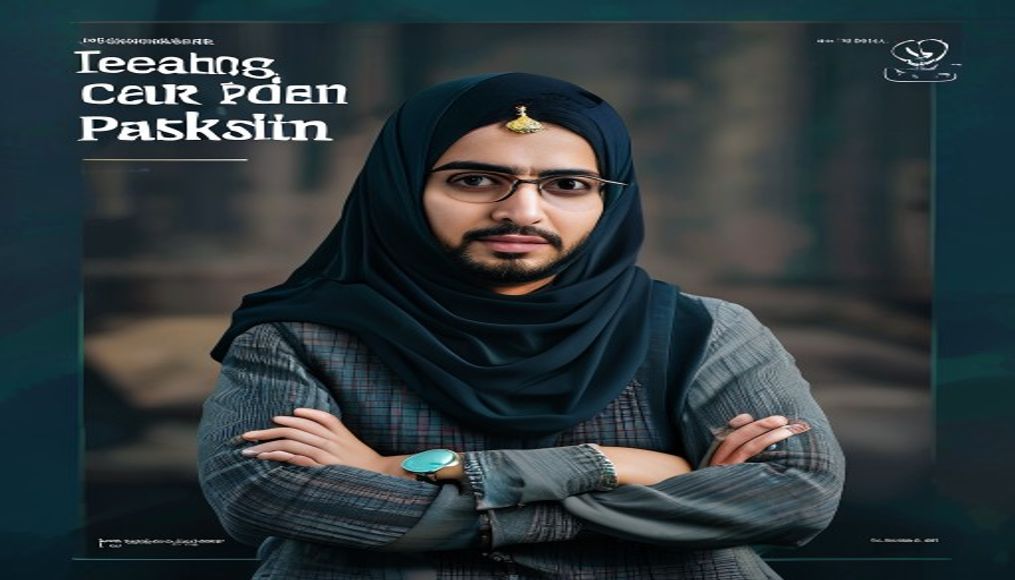

When you picture a career in education, what comes to mind? For many, it’s a noble pursuit, a chance to shape young minds and contribute to society. In Pakistan, this vision holds particularly true, yet it’s also layered with complexities, challenges, and some genuinely rewarding opportunities. The landscape for a teaching career in Pakistan is a dynamic one, influenced by everything from government policy and economic shifts to deeply ingrained cultural values and evolving educational standards.
It’s a path that can be incredibly fulfilling, offering the unique satisfaction of witnessing a student’s ‘aha!’ moment or seeing them achieve their potential. But let’s be frank: it’s also a profession that often grapples with underappreciation, inconsistent remuneration, and a sometimes-stifling bureaucracy, particularly in the public sector. So, if you’re considering dedicating your professional life to teaching in Pakistan, you need to go in with your eyes wide open, understanding both the immense potential and the significant hurdles.
For a nation of over 240 million people, with a significant youth bulge, the demand for quality education, and by extension, quality educators, is perpetually high. This demographic reality alone ensures that a teaching career in Pakistan offers a degree of job security not always found in other sectors. However, ‘demand’ doesn’t always equate to ‘ideal conditions.’ The truth is, the experience of a teacher can vary wildly depending on whether they’re in a metropolitan private school, a rural government institution, or a university lecture hall. Understanding these nuances is crucial for anyone contemplating this vital profession.
The Diverse Landscape of Education: Public vs. Private Institutions
One of the first distinctions you’ll encounter when exploring a teaching career in Pakistan is the stark difference between public and private educational sectors. It’s almost like comparing two different worlds, each with its own set of advantages and disadvantages for teachers.
Government schools, often the backbone of education in underserved areas, represent a significant portion of the teaching workforce. For teachers, these roles typically offer greater job security, often including pensions and other benefits, especially for those who secure permanent positions. Salaries, while not always competitive with top-tier private schools, are generally stable and structured according to government pay scales. However, public sector teachers frequently face challenges like overcrowded classrooms, a lack of modern teaching resources, and sometimes, a rigid curriculum that leaves little room for innovative pedagogy. The administrative processes can also be slow and bureaucratic, which can be frustrating for those eager to implement new ideas or seek professional development opportunities. For more on this, see inspiring educational leadership tips.
On the flip side, the private sector has exploded in Pakistan over the past few decades, particularly in urban centers. These institutions range from elite, international-standard schools to more modest community-based schools. For teachers, the private sector often means better pay, smaller class sizes, and access to more resources and professional development. There’s usually a greater emphasis on modern teaching methodologies, technology integration, and extracurricular activities. However, job security can be less robust than in the public sector, with contracts often being annual and subject to performance reviews. The workload can also be intense, with higher expectations for parent communication, extracurricular involvement, and continuous professional growth. Furthermore, the ethical landscape of some private institutions, particularly smaller ones, can sometimes be questionable regarding teacher benefits and contractual obligations, making due diligence vital for any aspiring educator.
Beyond these two major categories, you also have the burgeoning university sector and vocational training institutes. Higher education offers a different kind of teaching career in Pakistan, focusing on specialized subjects, research, and mentoring future professionals. These roles typically require advanced degrees (Master’s or PhD) and offer intellectual stimulation, opportunities for academic publication, and often better remuneration and benefits, though the competition for these positions can be fierce.
Qualifications and Pathways: What It Takes to Teach
So, you’re convinced that a teaching career in Pakistan might be for you. But what do you actually need to get started? The qualifications vary significantly depending on the level and type of institution you’re aiming for. Broadly speaking, a Bachelor’s degree is the minimum entry requirement for most teaching positions, especially in schools.
For primary and secondary school teaching, a Bachelor of Education (B.Ed.) degree is often preferred, if not explicitly required, as it provides foundational pedagogical knowledge and classroom management skills. Many universities across Pakistan offer B.Ed. programs, typically lasting two to four years. For those with a general Bachelor’s degree (like a BA or BSc), a one-year Post Graduate Diploma in Education (PGDE) or an M.Ed. can serve as an excellent pathway into the profession. These programs are designed to equip graduates with the specific skills needed to teach effectively, covering areas like educational psychology, curriculum development, assessment techniques, and practical teaching experience through internships. (See: New York Times on Pakistan's education.)
If you’re eyeing a teaching career in Pakistan at the higher education level, the bar is set considerably higher. A Master’s degree is usually the minimum for a lecturer position, and a PhD is increasingly becoming a prerequisite for tenure-track or professorial roles. The Higher Education Commission (HEC) of Pakistan plays a significant role in standardizing qualifications and promoting research at the university level, often requiring specific publication criteria for academic promotions.
Beyond formal degrees, continuous professional development is becoming increasingly important. Workshops on modern teaching methodologies, technology integration, special education needs, and subject-specific enhancements are highly valued. Many private schools and increasingly, government initiatives, are recognizing the importance of ongoing training to keep teachers updated with global best practices. Additionally, for specialized subjects like English language teaching, certifications such as TEFL (Teaching English as a Foreign Language) or CELTA (Certificate in English Language Teaching to Adults) can open doors, particularly in private language centers or international schools where the demand for proficient English instructors is always high. Related reading: importance of respect in teaching.
Compensation and Benefits: A Mixed Bag for Educators
Let’s talk about money, because while teaching is a passion, it’s also a profession that needs to sustain a livelihood. The financial aspect of a teaching career in Pakistan is, to put it mildly, a mixed bag. It’s perhaps one of the most significant factors influencing whether individuals choose to enter or leave the profession.
In the public sector, salaries are determined by government pay scales, which are revised periodically. While these often start modestly, they typically include annual increments, and permanent positions come with benefits like pensions, medical allowances, and housing subsidies (though the latter might be limited). For example, a newly appointed teacher in a government school might start at a basic pay scale that, while not extravagant, offers stability and a clear path for progression over a career. The challenge here is that these salaries often lag behind the cost of living, especially in major cities, leading many public sector teachers to seek additional income through tutoring or other part-time work.
Private sector salaries, as mentioned, are far more varied. Elite private schools in cities like Karachi, Lahore, and Islamabad can offer competitive packages, sometimes exceeding public sector salaries, along with benefits like provident funds, health insurance, and professional development opportunities. However, the vast majority of private schools, particularly those catering to middle-income families, often pay significantly less, sometimes even below what public sector teachers earn. It’s not uncommon to find teachers in smaller private institutions working long hours for meager wages, with few to no benefits. This disparity highlights the importance of thorough research and negotiation when considering a private school position.
University lecturers and professors generally command better salaries, especially those with advanced degrees and research experience. The HEC has also worked to improve the pay scales and research grants for higher education faculty. However, even at this level, salaries might not always match what similarly qualified professionals earn in other sectors like engineering, medicine, or corporate management.
Beyond direct salary, other benefits can play a role. Many teachers supplement their income through private tuition, which is a common practice across all levels of education in Pakistan. This can significantly boost a teacher’s overall earnings, but it also adds to their workload. The financial viability of a teaching career in Pakistan often hinges on a combination of stable income, benefits, and supplementary earnings.
Challenges and Opportunities: Navigating the System
Every profession has its unique set of challenges and opportunities, and a teaching career in Pakistan is no exception. Understanding these can help aspiring educators prepare for the realities on the ground.
One of the most persistent challenges, particularly in public schools, is the issue of resource scarcity. This can manifest as overcrowded classrooms, a lack of up-to-date textbooks, limited access to technology, and inadequate infrastructure. Imagine trying to teach complex scientific concepts without a functional lab, or maintaining discipline in a class of 60+ students. These conditions demand immense creativity, resilience, and dedication from teachers.
Another significant hurdle is the curriculum itself. While efforts are continuously made to update and modernize, some critics argue that the curriculum, especially in public schools, can be outdated, overly focused on rote memorization, and not sufficiently geared towards critical thinking or practical skills. This can be frustrating for teachers who want to foster deeper learning and engagement.
Then there’s the societal perception. While historically, teaching was considered a highly respected profession, in recent times, it has sometimes been undervalued, both financially and socially. This can impact morale and make it harder to attract top talent into a teaching career in Pakistan. Furthermore, administrative burdens, political interference in public sector appointments, and a lack of clear career progression paths in some institutions can also be significant demotivators. This builds on skills for educational leaders.
However, amidst these challenges lie considerable opportunities. The sheer size of Pakistan’s youth population means there’s a constant, pressing need for educators. This creates ample job opportunities, particularly for those willing to work in less urbanized areas or specialize in high-demand subjects like science, mathematics, or English. The growth of the private education sector also means more diverse roles, from school leadership to curriculum development and educational technology specialists.
The increasing focus on skill-based education and vocational training also opens up new avenues for teachers with practical expertise. Moreover, the digital transformation of education, accelerated by recent global events, has created demand for online educators and those proficient in blended learning methodologies. For innovative and adaptable teachers, these shifts present exciting new frontiers.
Professional Development and Career Progression
Just like any other dynamic profession, a teaching career in Pakistan isn’t a stagnant one. There are numerous avenues for professional development and career progression, though these can vary in accessibility and structure.
For government school teachers, career progression typically follows a structured path based on seniority, performance evaluations, and further qualifications. Moving from a primary school teacher to a subject specialist, head of department, or even a school principal is a defined process, often requiring additional degrees like an M.Ed. or specific leadership training. The government also periodically offers training programs and workshops, though their frequency and quality can be inconsistent.
In the private sector, progression can be more merit-based and rapid. A teacher demonstrating strong performance, leadership potential, and a willingness to adopt new methodologies can quickly move into roles like academic coordinator, head of department, vice-principal, or even principal. Many private institutions invest heavily in continuous professional development, sending teachers to workshops, conferences, and even international training programs to keep them abreast of global educational trends. This focus on growth can be a major draw for ambitious educators.
For university faculty, career progression is tied to academic qualifications, teaching performance, and crucially, research and publications. Moving from lecturer to assistant professor, associate professor, and then full professor involves meeting stringent criteria set by the HEC, including a certain number of peer-reviewed publications, successful PhD supervisions, and a track record of securing research grants. This path demands a significant commitment to ongoing learning and scholarly activity.
Beyond traditional roles, professional development can also lead to specialization. Teachers might become experts in special education, educational technology, curriculum design, or assessment. Some transition into educational consultancy, textbook authorship, or teacher training roles. The key is to be proactive in seeking out these opportunities, whether through formal degrees, online courses, workshops, or networking with other professionals in the field.
The Intangible Rewards: Why Many Still Choose This Path
Despite the challenges, many dedicated individuals choose and remain in a teaching career in Pakistan, and for good reason. The intangible rewards often outweigh the frustrations, providing a deep sense of purpose and satisfaction that few other professions can offer.
Firstly, there’s the profound impact you have on lives. As a teacher, you’re not just imparting knowledge; you’re shaping futures. You’re helping children discover their potential, fostering critical thinking, instilling values, and preparing them to become productive members of society. Witnessing a student overcome a learning hurdle, achieve a personal best, or develop a lifelong love for a subject you introduced them to – these moments are incredibly powerful and deeply rewarding. It’s a legacy that extends far beyond the classroom walls.
Secondly, the profession offers intellectual stimulation. Every day brings new questions, new challenges, and new opportunities to learn and grow, both as an individual and as an educator. You’re constantly engaging with new ideas, adapting your methods, and finding creative ways to make complex concepts accessible. The dynamic nature of the classroom, with its diverse personalities and learning styles, ensures that no two days are ever truly the same. See also cycle of uneducation in Pakistan.
Then there’s the community aspect. Teachers often become central figures in their communities, respected for their knowledge and their dedication. They build strong relationships with students, parents, and colleagues, forming a supportive network. The camaraderie among fellow educators, who understand the unique joys and frustrations of the profession, can be a significant source of strength and motivation.
Finally, a teaching career in Pakistan offers a unique opportunity to contribute directly to national development. A well-educated populace is the bedrock of any progressive nation, and teachers are at the forefront of building that foundation. By nurturing the next generation of doctors, engineers, artists, and leaders, teachers play an indispensable role in shaping Pakistan’s future. This sense of contributing to something larger than oneself is a powerful motivator for many to embrace and excel in this demanding yet ultimately fulfilling profession.
So, while the path of a teacher in Pakistan is undoubtedly fraught with its share of hurdles, it’s also paved with moments of profound joy, intellectual growth, and the unparalleled satisfaction of making a tangible difference. For those with a genuine passion for learning and a deep desire to serve, it remains a calling worth answering.
Trending Now
Frequently Asked Questions
What are the challenges of a teaching career in Pakistan?
A teaching career in Pakistan presents several challenges, including underappreciation, inconsistent pay, and bureaucratic hurdles, especially in the public sector. Teachers often face varying conditions based on whether they work in private or public institutions, affecting job satisfaction and overall experience.
Is teaching a secure job in Pakistan?
Yes, teaching can offer a degree of job security in Pakistan, particularly due to the high demand for quality education in a nation with a significant youth population. However, job security does not always guarantee ideal working conditions.
What are the differences between public and private schools in Pakistan?
The differences between public and private schools in Pakistan are stark. Public schools often face challenges like limited resources and higher bureaucracy, while private institutions may offer better pay and working conditions, but can vary widely in quality and reputation.
What qualifications are needed to become a teacher in Pakistan?
To become a teacher in Pakistan, a bachelor's degree in education or a related field is typically required, along with teacher training certification. Advanced degrees may be necessary for university-level positions, and some institutions may have specific requirements based on their educational standards.
What is the job outlook for teachers in Pakistan?
The job outlook for teachers in Pakistan remains positive due to a growing population and an increasing emphasis on education. However, the experience can vary significantly based on the type of institution, with private schools generally offering better opportunities compared to public ones.
What's your take on this? Share your thoughts in the comments below — we read every one.



