
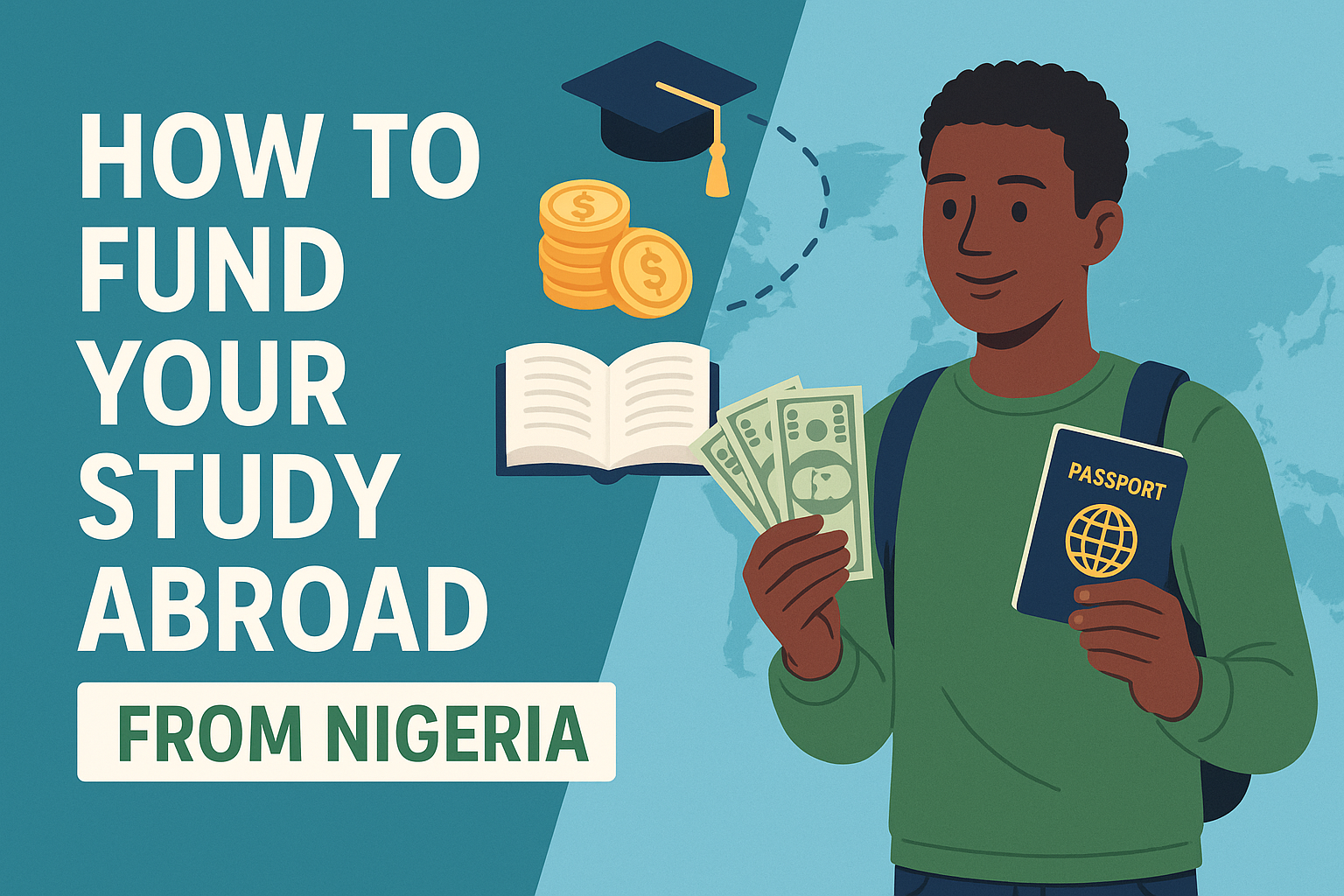

For many young Nigerians, the dream of studying abroad is a powerful one. It represents access to world-class education, diverse cultural experiences, and often, enhanced career prospects. Yet, this dream often collides with a formidable obstacle: funding. The cost of tuition, living expenses, travel, and visas can quickly become overwhelming, especially with the fluctuating exchange rates against the Naira. It’s a challenge that requires strategic planning, relentless research, and often, a good dose of resilience.
But here’s the good news: the path to funding your study abroad from Nigeria isn’t as insurmountable as it might seem. While it certainly requires effort, there are numerous avenues available, from scholarships and grants to innovative financing models. The key is knowing where to look, understanding the requirements, and presenting a compelling case for yourself. We’re going to explore eight crucial ways you can make that international education a reality, helping you to truly fund study abroad Nigeria.
1. Scholarships and Grants: The Golden Ticket to Funding
When you’re trying to fund study abroad Nigeria, scholarships are often the first, and arguably the best, place to start. These are essentially free money, awarded based on academic merit, financial need, specific fields of study, or even nationality. They don’t need to be repaid, making them incredibly attractive. The landscape of scholarships is vast, ranging from full-ride awards that cover everything to partial grants that significantly reduce the financial burden.
You’ll find scholarships offered by governments (both Nigerian and host countries), universities themselves, private organizations, and even individuals. For instance, the UK’s Chevening Scholarships and Australia Awards are highly competitive but offer full funding for postgraduate studies. Many universities in the US, Canada, and Europe also have institutional scholarships specifically for international students. The application process usually involves essays, recommendation letters, and academic transcripts, so start early and tailor each application to the specific scholarship’s criteria.
2. University-Specific Financial Aid: Your Institution’s Helping Hand
Beyond general scholarships, many universities offer their own financial aid packages to international students. This is a critical point often overlooked by prospective students trying to fund study abroad Nigeria. These can come in various forms, including merit-based scholarships, need-based grants, or even graduate assistantships. A graduate assistantship, for example, might involve working a certain number of hours per week as a teaching assistant (TA) or research assistant (RA) in exchange for a tuition waiver and a stipend.
When applying to universities, always explore their specific financial aid options for international students. Don’t just look at the headline tuition fee; dig into their admissions pages, reach out to their international student offices, and ask direct questions about available funding. Sometimes, a university might not publicize all its aid opportunities widely, so proactive inquiry can make a significant difference. Remember, the earlier you apply, the better your chances, as some funds are limited.
3. Education Loans: A Structured Approach to Funding
While scholarships are ideal, they are also highly competitive. For many, education loans become a necessary component to fund study abroad Nigeria. These can be secured from various sources, including Nigerian banks, international lenders, and sometimes even specialized education finance companies. The key here is understanding the terms, interest rates, and repayment schedules before committing.
In Nigeria, some commercial banks offer education loans, often requiring collateral or a guarantor. Internationally, lenders like Prodigy Finance and MPOWER Financing specialize in loans for international students, often not requiring collateral or a co-signer, but basing eligibility on your future earning potential and the university you’ve been admitted to. Always compare interest rates, fees, and repayment flexibility. A well-structured education loan can bridge the gap between your savings and the total cost, but it’s a commitment that needs careful consideration. (See: World Health Organization resources.) (winning scholarships insights)
4. Personal Savings and Family Support: The Foundation of Your Fund Study Abroad Nigeria Plan
No matter how many external funding sources you pursue, a strong foundation of personal savings and family support is often indispensable. This demonstrates commitment and provides a crucial buffer. Many visa applications, for instance, require proof of funds to cover at least the first year of tuition and living expenses, even if you have scholarships or loans.
Start saving as early as possible. Even small, consistent contributions can accumulate over time. Involve your family in the planning process. Discuss their capacity to contribute, whether it’s through direct financial support, providing accommodation during breaks, or even helping with initial travel costs. This combined effort can significantly reduce the amount you need to source from other avenues and strengthen your overall financial profile when applying for visas or additional funding.
5. Crowdfunding and Community Support: Harnessing Collective Generosity
In an increasingly connected world, crowdfunding has emerged as a viable option for many students looking to fund study abroad Nigeria. Platforms like GoFundMe, FundMyTravel, or even local community initiatives can help you raise funds by sharing your story and aspirations with a wider audience. The power of your network, both online and offline, can be surprisingly effective. This builds on new funding options for college.
A successful crowdfunding campaign requires a compelling narrative, clear financial goals, and consistent engagement with potential donors. Share your academic achievements, your reasons for wanting to study abroad, and how this education will impact your future and potentially benefit your community back home. Don’t underestimate the generosity of friends, family, former teachers, and even strangers who believe in your potential. Local churches, mosques, alumni associations, and community groups might also have specific funds or be willing to organize fundraising events on your behalf.
6. Work-Study Programs and Part-Time Jobs: Earning While Learning
Many countries allow international students to work part-time during their studies, and full-time during holidays. This isn’t just about earning pocket money; it can significantly contribute to your living expenses and sometimes even a portion of your tuition, easing the burden to fund study abroad Nigeria. Common roles include campus jobs (library assistant, cafeteria staff, research assistant), retail, hospitality, or tutoring.
Before you rely on this, thoroughly research the specific regulations for international students in your chosen study destination. Each country has different rules regarding working hours, types of jobs allowed, and whether you need a separate work permit. For instance, in the UK, students on a Student visa can typically work up to 20 hours per week during term time. In Canada, many study permits automatically include authorization to work off-campus. While you shouldn’t count on these earnings to cover your primary tuition costs, they are invaluable for daily living and personal expenses once you arrive.
7. Government-Sponsored Programs and Bilateral Agreements: Official Pathways
Governments often have specific programs or enter into bilateral agreements that facilitate international education. For example, some Nigerian state governments or federal agencies might offer scholarships to their citizens for study abroad, often in exchange for a commitment to return and work in the public sector for a certain period. Similarly, host countries might have special programs for students from developing nations.
It’s worth exploring initiatives like the Commonwealth Scholarships for study in Commonwealth countries, or specific programs offered by countries like Germany (DAAD scholarships) or France (Eiffel Excellence Scholarship Program). These are often highly competitive but offer substantial benefits. Keep an eye on official government websites, embassy pages, and educational bodies like the National Universities Commission (NUC) in Nigeria for announcements regarding these opportunities.
8. Strategic Destination and Program Choice: Smart Decisions Save Money
Sometimes, the most effective way to fund study abroad Nigeria isn’t just about finding money, but about making choices that reduce the overall cost. Different countries and even different universities within the same country have vastly different tuition fees and living expenses. For instance, studying in Germany or Norway, where public universities often have little to no tuition fees for international students (though living costs still apply), can be significantly cheaper than studying in the US or UK. (See: Centers for Disease Control and Prevention.)
Consider less conventional study destinations that offer high-quality education at a lower cost. Explore programs that are shorter in duration, such as a one-year master’s instead of a two-year one, which immediately halves your tuition and living expenses. Some programs also offer blended learning options, combining online study with shorter on-campus residencies, which can cut down on travel and accommodation costs. Making informed decisions about where and what you study can be a powerful financial strategy in itself.
9. Leveraging Professional Organizations and Industry Sponsorships: Niche Funding Opportunities
Don’t overlook the potential for funding from professional organizations or even companies within your chosen field. Many industries recognize the value of international exposure and specialized knowledge, and some offer scholarships or sponsorships to promising students. For example, if you’re pursuing a degree in engineering, various engineering societies might have grants available. Similarly, if you’re in a field with a high demand for skilled workers, companies might offer to fund your education in exchange for a commitment to work for them after graduation.
This approach requires targeted research. Look for professional associations related to your major, both in Nigeria and in your target study country. Attend industry events, network with professionals, and inquire about any existing educational support programs. Some multinational corporations also have corporate social responsibility initiatives that include scholarships for students from specific regions, like Nigeria. This type of funding often comes with the added benefit of mentorship and potential career opportunities, making it a highly attractive option.
10. Understanding the Exchange Rate Impact and Hedging Strategies: Minimizing Financial Shocks
The fluctuating Naira exchange rate is a significant concern for Nigerian students studying abroad. A sudden depreciation can drastically increase your effective tuition and living costs overnight. While you can’t control global markets, you can employ some strategies to minimize the impact. One common approach is to pay larger chunks of your tuition or living expenses when the exchange rate is favorable, if your university allows it. This isn’t always feasible, but it’s worth asking about payment flexibility. Related reading: exploring micro scholarships.
Another strategy is to look into financial instruments or accounts that allow you to hold foreign currency. Some Nigerian banks offer domiciliary accounts where you can save in USD, GBP, or EUR, allowing you to convert your Naira when the rate is good and then hold the foreign currency until payment is due. While this involves some risk, it can protect you from adverse rate movements. Always consult with a financial advisor about these options, as they can be complex. The goal is to reduce your exposure to sudden currency shocks and provide more stability to your funding plan.
11. The Application Essay and Interview: Your Story is Your Strength
Beyond the financial numbers, your application essay and interview are crucial. Funders, be it scholarship committees, university admissions, or even crowdfunding donors, want to see a compelling narrative. Why do you want to study abroad? What unique perspective do you bring as a Nigerian student? How will this education contribute to your personal growth and, importantly, how will you give back to your community or country?
Craft a story that highlights your academic achievements, your resilience in the face of challenges, and your clear vision for the future. Emphasize how studying abroad aligns with your career goals and how it will enable you to make a meaningful impact. Practice your interview skills, articulating your motivations and demonstrating confidence. A strong, authentic story can be the deciding factor, even when competing with many other qualified applicants. Remember, people fund potential, and your narrative is how you showcase that potential.
Frequently Asked Questions About Funding Study Abroad from Nigeria
Q1: Is it really possible to get a full scholarship to study abroad from Nigeria?
Yes, absolutely! While highly competitive, full scholarships that cover tuition, living expenses, flights, and sometimes even a stipend are available. Examples include the Chevening Scholarships (UK), Australia Awards, DAAD (Germany), and various university-specific full-ride scholarships. Success requires exceptional academic records, strong essays, compelling recommendations, and applying early to multiple opportunities. (See: New York Times education articles.)
Q2: What’s the minimum amount of money I should have saved before considering studying abroad?
There’s no universal minimum, as costs vary wildly by country, university, and program. However, most visa applications require proof of funds to cover at least your first year’s tuition and living expenses, even if you have partial scholarships or loans. For popular destinations like the US, UK, or Canada, this could range from $20,000 to $50,000 USD or more per year. It’s always best to have a buffer beyond the stated minimum.
Q3: Can I work part-time to cover all my tuition costs while studying abroad?
Generally, no. While part-time work is an excellent way to cover living expenses, pocket money, and sometimes a small portion of tuition, it’s rarely enough to cover the entire tuition fee, especially in countries with high international student fees. Visa regulations often limit working hours, and the hourly wages, while helpful, won’t typically offset tens of thousands in annual tuition. You should primarily rely on scholarships, loans, and family support for tuition. For more on this, see financial aid discussions.
Q4: How important is my academic performance for scholarships?
Academic performance is extremely important for most merit-based scholarships. A strong GPA, excellent WAEC/NECO results, and good performance in any previous university studies will significantly boost your chances. Some scholarships also look at extracurricular activities, leadership roles, and community involvement, but academics usually form the foundation.
Q5: What are some common mistakes Nigerian students make when trying to fund their study abroad?
Common mistakes include: starting the funding search too late, only applying for one or two scholarships, not thoroughly researching all available options (including university-specific aid), underestimating living costs, not preparing a strong visa interview, and failing to account for exchange rate fluctuations. Also, many students don’t tailor their applications enough, sending generic essays to multiple opportunities.
Funding your study abroad from Nigeria is a marathon, not a sprint. It requires meticulous planning, persistent application, and sometimes, a little bit of creativity. By exploring a combination of these avenues—from the competitive scholarships to strategic choices about your destination—you can build a robust financial plan that turns your international education dream into a tangible reality. Don’t let the initial sticker shock deter you; instead, empower yourself with knowledge and proactive action.
Trending Now
Frequently Asked Questions
What are the best scholarships for Nigerian students studying abroad?
Nigerian students can explore various scholarships such as the Chevening Scholarships in the UK, Australia Awards, and institutional scholarships offered by universities in the US, Canada, and Europe. These scholarships often cover tuition and living expenses, making them a vital resource for funding international education.
How can I find grants for studying abroad from Nigeria?
To find grants for studying abroad, start by researching government programs, university offerings, and private organizations that support international students. Websites like ScholarshipPortal and local educational NGOs can also provide valuable information on available grants tailored for Nigerian students.
What are the costs associated with studying abroad for Nigerians?
Costs for studying abroad include tuition fees, living expenses, travel costs, and visa fees. These expenses can vary significantly based on the country and institution, making it essential to budget carefully and explore funding options like scholarships and grants to alleviate financial burdens.
Can I study abroad in Europe with a Nigerian passport?
Yes, Nigerian students can study abroad in Europe, but they must secure the necessary student visa and meet specific entry requirements. Many European countries also offer scholarships for international students, which can help ease the financial burden of studying overseas.
What financial aid options are available for Nigerian students abroad?
Nigerian students can access various financial aid options, including scholarships, grants, student loans, and work-study programs. It is crucial to research each option's eligibility criteria and application processes to find the best fit for your educational goals.
What's your take on this? Share your thoughts in the comments below — we read every one.






