
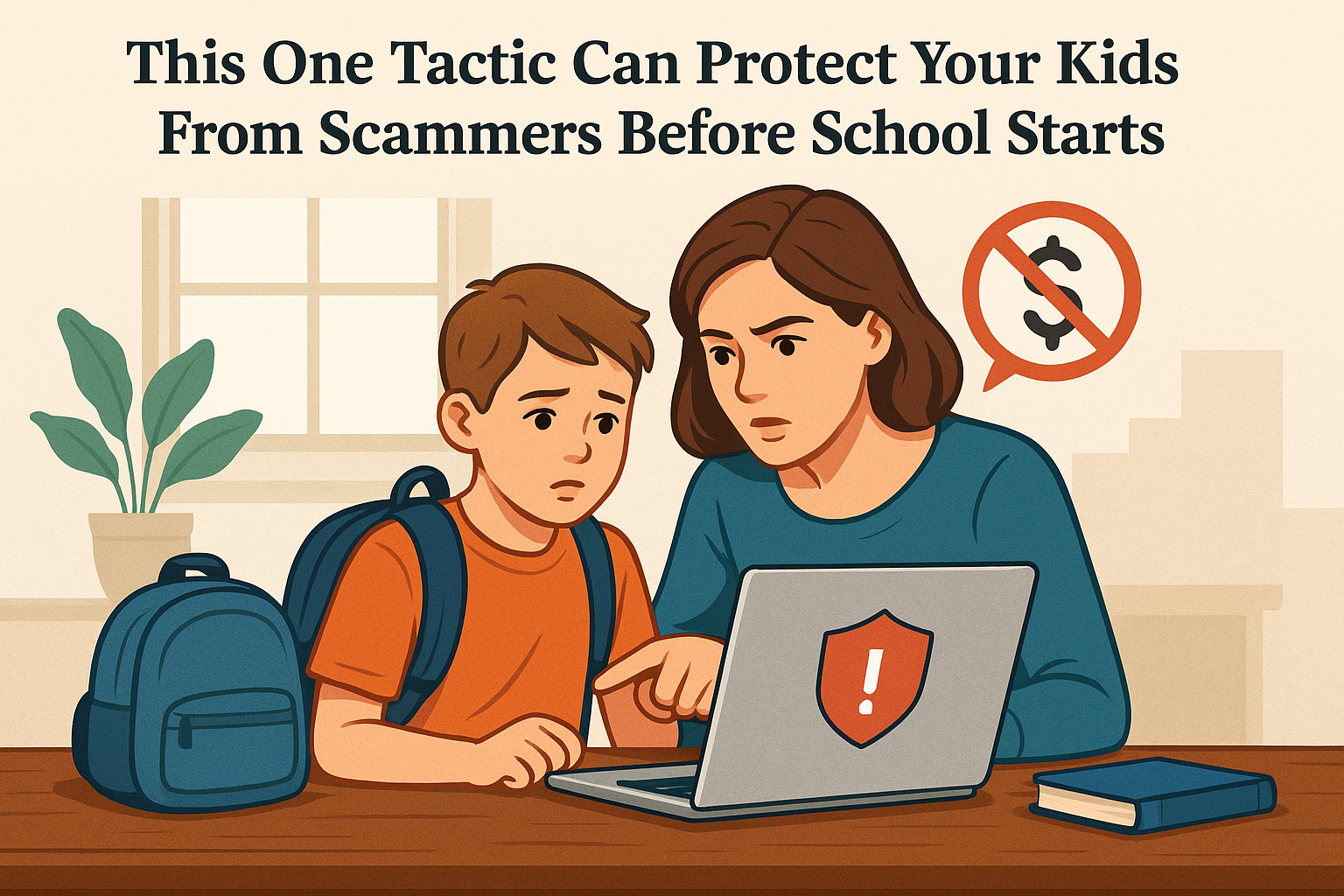

As summer winds down and the familiar scent of new textbooks and freshly sharpened pencils fills the air, parents everywhere are ticking off back-to-school checklists. We’re buying supplies, coordinating schedules, and perhaps even squeezing in one last family adventure. But amidst the hustle and bustle, there’s a conversation many of us are overlooking – one that’s become absolutely critical for our children’s safety and our family’s financial well-being. I’m talking about proactive, honest money conversations for parents to have with their kids, especially concerning the dark underbelly of online financial scams.
It might sound like a heavy topic to introduce before the first bell rings, but trust me, it’s never been more urgent. The digital landscape our kids inhabit is brimming with hidden dangers. What used to be simple playground banter has morphed into complex online interactions, and unfortunately, predatory scammers are increasingly targeting children through platforms they use every single day: texts, social media apps, and even online gaming. These aren’t just petty tricks; these are sophisticated operations designed to extract your financial details or, even more chillingly, exploit your child’s information to open credit cards or secure loans in their name. The emotional urgency of child safety, coupled with the pervasive nature of these online threats, makes this a conversation we simply cannot afford to postpone.
The Alarming Rise of Digital Scams Targeting Children
Let’s be blunt: the internet, while a fantastic tool for learning and connection, has also become a hunting ground for unscrupulous individuals. For years, we’ve focused on teaching kids about stranger danger in the physical world. Now, we need to extend that same vigilance to the digital realm. What’s particularly alarming is the targeted nature of these scams. They’re not just casting a wide net; they’re specifically going after children who might be less savvy about financial matters and more trusting of online interactions.
Think about it. Your child might be engrossed in a video game, chatting with ‘friends’ they’ve never met in person. A seemingly innocuous message pops up: ‘Click this link for free V-Bucks!’ or ‘Win a rare skin – just enter your parent’s card details to verify.’ Or perhaps they see an ad on social media for a too-good-to-be-true offer on a trendy item, asking for ‘shipping and handling’ fees that require parental credit card information. These aren’t just minor annoyances; they’re direct attempts to gain access to sensitive financial data. The scammers are clever, often mimicking legitimate brands or using language that appeals directly to a child’s desires for in-game currency, popular merchandise, or social status.
It’s not just about direct financial theft either. There’s a growing threat of identity theft, where children’s personal information—names, addresses, dates of birth—is collected. This data can then be used to open fraudulent accounts, secure loans, or even apply for credit cards, often without the parents realizing it until years down the line when their child tries to apply for their first student loan or apartment lease and discovers a ruined credit history. This is why having comprehensive money conversations for parents with their children is no longer optional; it’s a fundamental aspect of digital parenting in 2024 and beyond. Related reading: game to boost financial skills.
Understanding the Scammer’s Playbook: How They Hook Kids
Scammers leverage several psychological tactics to ensnare children. First, there’s the appeal of immediate gratification. Kids are often more susceptible to promises of instant rewards, whether it’s free game currency, exclusive content, or popular items. Second, they exploit a child’s natural curiosity and desire to fit in. A message from a ‘friend’ or a trending social media post can feel incredibly compelling. Third, many children simply don’t understand the value of money or the concept of financial fraud, making them easy targets for requests for ‘small’ amounts of information or ‘temporary’ access to an account.
They might use phishing techniques, sending texts or emails that look legitimate but contain malicious links. They create fake websites that mimic popular platforms, designed to steal login credentials or financial data. They even use social engineering, building rapport with children in online games or social groups, slowly gaining their trust before making a financial request. These tactics are constantly evolving, making it incredibly difficult for parents to keep up without direct and open communication with their kids. (See: effective communication with children.)
Establishing Open Money Conversations for Parents and Kids
So, what’s a parent to do? The answer isn’t to ban all technology (an often unrealistic and counterproductive approach), but rather to equip our children with the knowledge and skepticism they need to navigate the digital world safely. This starts with honest, age-appropriate money conversations for parents that demystify finances and highlight potential dangers.
Don’t wait for an incident to happen. Make these discussions a regular part of your family’s routine, just like talking about homework or chores. The goal isn’t to scare your kids, but to empower them. Frame it as a way to keep them, and your family, safe and secure. Here are some key areas to cover:
- The Value of Money and Personal Information: Explain that money isn’t just an abstract concept; it represents hard work and resources. Similarly, personal details like your name, address, phone number, and especially financial information (bank account numbers, credit card numbers, passwords) are incredibly valuable and should never be shared online without explicit parental permission.
- Recognizing Red Flags: Teach them to be suspicious of anything that seems ‘too good to be true.’ Freebies that require personal data, urgent requests for money, or messages from unknown sources demanding action should all trigger a red flag.
- The Concept of Phishing and Fake Sites: Show them what a secure website looks like (the padlock icon, ‘https://’). Explain that scammers create fake sites that look real, and that clicking suspicious links can lead to trouble.
- Privacy Settings and Online Boundaries: Help them understand how to use privacy settings on social media and gaming platforms. Emphasize that not everyone online is who they say they are, and that sharing too much personal information can make them vulnerable.
- What to Do If They Encounter Something Suspicious: This is perhaps the most crucial point. Create an environment where your child feels comfortable coming to you immediately if they see something strange, receive a suspicious message, or accidentally click on something they shouldn’t have. Reassure them that they won’t be in trouble, and that your priority is their safety.
Practical Strategies for Protecting Your Family’s Finances
Beyond conversations, there are tangible steps you can take as parents to build a stronger financial fortress around your family. These aren’t just about preventing scams; they’re about fostering a holistic approach to financial literacy and online safety.
Consider implementing parental control apps that can monitor screen time, block inappropriate content, and even flag suspicious activity. Many of these tools now offer features specifically designed to alert parents to potential phishing attempts or requests for personal information. While not a substitute for conversation, they can provide an extra layer of protection and give you insights into your child’s online habits. online resources for financial education offers useful background here.
Another excellent idea is to explore online banking solutions specifically designed for teens. These often come with features like spending limits, transaction alerts, and parental oversight, allowing children to learn about managing money in a controlled environment. This can be a fantastic way to introduce concepts like budgeting, saving, and responsible spending without exposing them to the full risks of an adult bank account. Companies like Greenlight and FamZoo offer these kinds of services, providing a safe sandbox for financial learning.
Finally, regularly review your own financial statements and credit reports. This might seem obvious, but catching fraudulent activity early is key. Many parents don’t realize their child’s identity has been compromised until years later. Keep an eye out for unfamiliar charges or accounts opened in your child’s name. Services like IdentityTheft.gov offer guidance on how to check if your child’s identity has been stolen and what steps to take. (See: online scams targeting children.)
The Role of Financial Literacy Programs and Education
While individual family conversations are vital, we also need to recognize the broader need for financial literacy education. Our schools, unfortunately, often fall short in this area, leaving parents to pick up the slack. However, there are many excellent resources available that can supplement your efforts. This builds on tools for teaching financial concepts.
Look for online financial literacy programs designed for kids and teens. Many non-profits, banks, and educational institutions offer free or low-cost courses that cover everything from basic budgeting to understanding credit. Websites like JumpStart.org and PracticalMoneySkills.com provide curricula and activities that make learning about money engaging and relevant for different age groups. These programs can reinforce the messages you’re delivering at home and introduce concepts in a structured way that might resonate differently with your child.
Think about incorporating real-world financial lessons into your daily life. If your child wants a new video game, help them save up for it. If they receive birthday money, guide them through the process of deciding whether to save it, spend it, or donate a portion. These hands-on experiences are invaluable in building a strong foundation of financial understanding and critical thinking, which are essential defenses against scam attempts.
Back-to-School: A Prime Time for Scammers
Why is the back-to-school season such a hotbed for these types of scams? It’s a confluence of factors. First, there’s increased spending. Parents are buying new clothes, electronics, and school supplies, often using credit cards online. This creates more opportunities for financial information to be exposed or targeted. Second, children are often acquiring new devices or gaining more independence with their existing ones as they head back to school, potentially leading to more unsupervised online time. Third, the excitement of new gear and the desire to fit in can make kids more susceptible to ‘deals’ or ‘freebies’ that pop up online.
Scammers know this. They tailor their campaigns to the season. You might see fake promotions for school supplies, discounted electronics, or even ‘student loan assistance’ scams targeting older teens. The urgency often associated with back-to-school preparations (last-minute shopping, deadlines for enrollment) can also make people more prone to making hasty decisions without fully vetting a link or offer. We covered must-try app for Gen Z in more detail.
This is precisely why those money conversations for parents need to happen now. Before the school year fully kicks into gear, take the time to sit down with your children. Explain the heightened risks during this period. Remind them that if an offer seems too good to be true, it almost certainly is. Emphasize that they should always, always, always come to you before clicking on a link, entering personal information, or making any online purchase. (See: understanding online scams.)
Building a Culture of Digital Skepticism and Trust
Ultimately, our goal as parents isn’t just to block every threat, but to cultivate a culture of healthy skepticism and open communication within our families. We want our children to be critical thinkers, to question things, and to understand that the digital world, for all its wonders, also contains pitfalls.
Encourage your children to ask questions. If they see something online that makes them uncomfortable or confused, they should feel absolutely confident bringing it to you without fear of judgment. This trust is your most powerful tool against online predators. If they’re afraid of being punished for clicking a bad link, they’ll hide it, and that’s when real damage can occur.
Regularly review their online activities with them, not in a punitive way, but as a shared exploration. Ask them about the games they’re playing, the social media trends they’re following. This gives you natural openings to discuss potential risks and reinforce safe online habits. It’s about being present and engaged in their digital lives, just as you are in their physical ones.
The back-to-school season is a fresh start, a time for new learnings and growth. Let’s make sure that among those learnings, our children are also equipped with the financial literacy and digital savvy they need to stay safe from the growing threat of online scams. Your proactive money conversations for parents could be the most important lesson they learn all year.
Trending Now
- Unlock Your Potential: A Remote Senior Graphic Designer Opportunity with Lemon.io & The Importance of Senior Graphic Designer Education
- The Startling Truth About AI Security:…
- Top 5 AI Security Platforms You…
- this guide on enterprises blind to 66% of ai threats: is your ai security platform failing?
- this guide on the billion-dollar race: who will win the ai infrastructure war by 2026?
Frequently Asked Questions
How can I protect my kids from online scammers?
To protect your kids from online scammers, have proactive and honest money conversations with them. Educate them about the types of scams that exist, particularly on social media and gaming platforms. Encourage them to be cautious about sharing personal information and to report any suspicious messages to you.
What are common online scams targeting children?
Common online scams targeting children include phishing attempts through texts and social media, fake giveaways, and scams in online gaming. Scammers often seek personal information to exploit or use children's identities for financial gain, making it crucial for parents to educate their kids about these dangers.
Why is it important to talk to kids about financial scams?
Talking to kids about financial scams is essential because they are increasingly being targeted by sophisticated scammers. By educating them on the risks and how to recognize potential scams, parents can help safeguard their children’s personal information and prevent identity theft.
What should I include in a conversation about online safety?
In a conversation about online safety, include topics such as recognizing suspicious messages, the importance of not sharing personal information, and how to report scams. Discuss the various platforms they use daily and the specific risks associated with each to help them navigate their online interactions safely.
When should I start talking to my kids about online scams?
It's best to start talking to your kids about online scams as soon as they begin using digital devices. As they engage more with social media and online games, having these conversations early can equip them with the knowledge and skills to recognize and avoid potential scams.
What did we miss? Let us know in the comments and join the conversation.






