
Introduction
The Nintendo Game Boy Advance (GBA) was a revolutionary leap forward in the world of handheld gaming when it was released in 2001. As the successor to the widely popular Nintendo Game Boy, the GBA raised the bar with its enhanced graphics, sound capabilities and extensive game library. In this review, we will take a stroll down memory lane and explore what made the Nintendo Game Boy Advance such an exceptional gaming system.
Design and Hardware
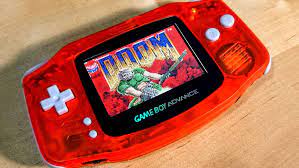
The GBA sported an ergonomic design that was compact, lightweight, and user-friendly. It featured a horizontal orientation, which allowed for a more comfortable grip during gameplay. The polished look included a 32-bit ARM processor that delivered much more power than its predecessor. This processing capability enabled the GBA to produce graphics that were significantly better than those on previous Game Boy systems.
One of the most significant advancements in the GBA was its full-color TFT LCD screen. It boasted a 2.9-inch screen that displayed 32,000 colors at once, creating vibrant visuals for players to enjoy. However, it’s worth noting that the original GBA model lacked backlighting, which led to some difficulties when playing in darker environments.
Game Library
The GBA’s extensive game library contributed significantly to its worldwide success. With over 1,000 titles available during its lifespan, there was something for everyone. Franchises like Pokémon, Mario, and The Legend of Zelda continued their legacy on the handheld device with superb new entries such as Pokémon Ruby & Sapphire, Super Mario Advance series, and The Legend of Zelda: The Minish Cap.
Aside from these well-known names, there were countless hidden gems to be discovered on the Game Boy Advance. Titles such as Metroid Fusion and Castlevania: Aria of Sorrow showcased impressive visuals while delivering engaging gameplay experiences.
Compatibility and Accessories
The GBA upheld its compatibility with Game Boy and Game Boy Color games, making it an attractive choice for gamers who already had a Game Boy library. The software was designed so that users could “upgrade” their experience without leaving their favorite games behind.
In addition to compatibility, the GBA offered various accessories that only enhanced the gaming experience. Some of these included the Wireless Adapter, which enabled multiplayer gaming without the need for physical cables, and the e-Reader, which scanned e-Reader cards to unlock new content for compatible games.
Legacy
Although it has been nearly two decades since the release of the Nintendo Game Boy Advance, its impact on handheld gaming is still remembered fondly today. While it may not have boasted some features we take for granted now, such as a backlight or touchscreen, the GBA’s compelling content and innovative design set the stage for future handheld systems.
In conclusion, the Nintendo Game Boy Advance was a monumental achievement in handheld gaming history. Its design improvements, vast game library, and exceptional visuals made it an unforgettable device for many gamers worldwide. The GBA laid the groundwork for future Nintendo handheld systems and undoubtedly holds a special place in many gamers’ hearts.