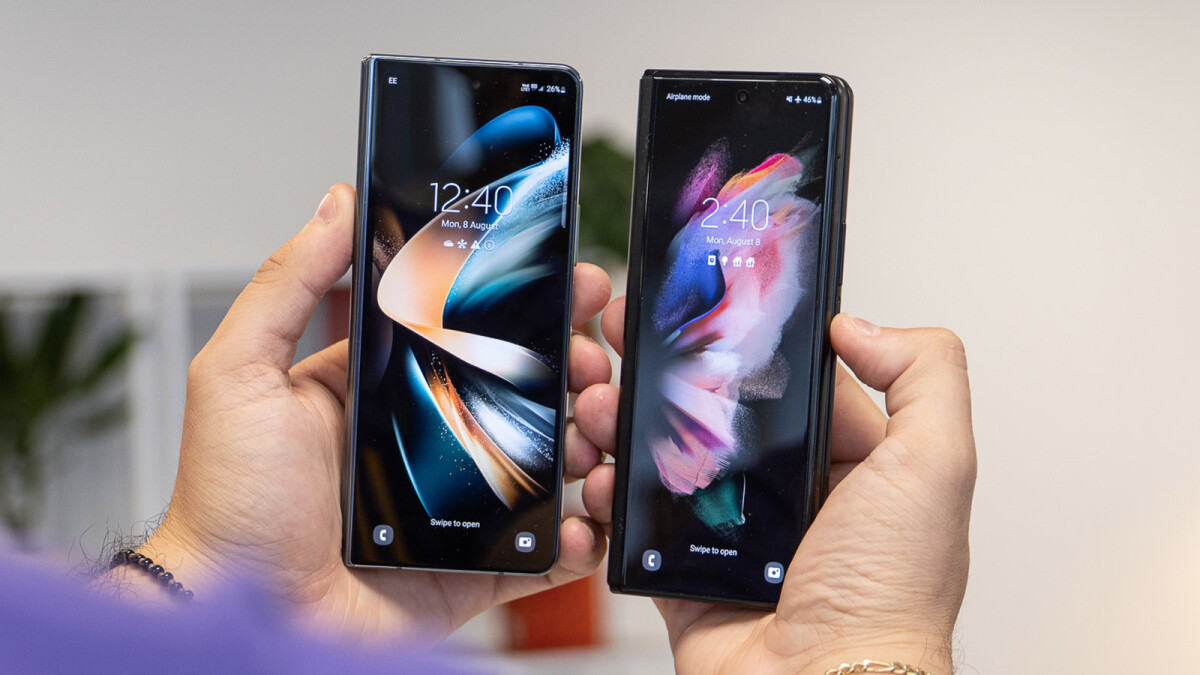

Over the years, Samsung has continued to revolutionize the smartphone market with its innovative designs and features. The Galaxy Z Fold series is no exception. In this article, we’ll explore the changes that have occurred in the Samsung Galaxy Z Fold lineup from the Galaxy Z Fold 2 to the latest Galaxy Z Fold 4.
Samsung Galaxy Z Fold 2: The Beginning of a New Era
Released in September 2020, the Samsung Galaxy Z Fold 2 marked a significant step forward in foldable phone technology. It boasted a cutting-edge hinge design, allowing for smoother folding action and a more durable device overall. With a 7.6-inch interior display and a secondary 6.2-inch external display, it provided users with a tablet-like experience in a pocket-sized form factor.
Samsung made sure that hardware specs didn’t lag either; with a Snapdragon 865+ processor, up to 12GB of RAM, and up to 256GB of storage, it was well-equipped for demanding tasks.
Samsung Galaxy Z Fold 3: Refinement & Durability
Following up on its predecessor’s success, the Galaxy Z Fold 3 arrived in August 2021 with numerous improvements both internally and externally. Users were treated to an upgraded hinge that provided an even smoother folding experience while still maintaining durability.
The most significant change was the introduction of an under-display front-facing camera on the main display, allowing for an uninterrupted screen experience without any notches or punch holes. Additionally, Samsung increased water resistance with an IPX8 rating – a first for foldable phones.
Performance-wise, the device came with a Snapdragon 888 chipset, providing excellent user experience with improved efficiency and speed.
Samsung Galaxy Z Fold 4: The Ultimate Folding Experience?
While official specifications are yet to be released, the upcoming Galaxy Z Fold 4 is expected to build upon the improvements seen in previous generations. Rumors have suggested that Samsung will further refine the hinge mechanism for improved durability and potentially even a slimmer form factor.
Speculations also hint at a stronger folding display material, allowing for increased scratch resistance. Camera improvements, enhanced battery life, and upgraded hardware are all expected features of the new device.
Conclusion
In conclusion, each iteration of the Samsung Galaxy Z Fold series has brought new innovations and refinements to foldable smartphone technology. From the Galaxy Z Fold 2’s groundbreaking hinge design to the Galaxy Z Fold 3’s addition of water resistance and under-display camera, Samsung has continuously pushed the envelope on what’s possible within this exciting niche market. The anticipated Galaxy Z Fold 4 is set to continue this trend with even more improvements. Only time will tell how Samsung will further revolutionize foldable smartphones and reshape our expectations for mobile devices in general.