
Introduction
A solar eclipse is a rare and fascinating astronomical event that captures the attention of people around the world. These events are not only visually stunning, but they also provide an excellent opportunity for middle school students to learn about astronomy and related scientific concepts. Here are 20 engaging eclipse activities that can be used in middle school classrooms to enhance learning and foster interest in astronomy.
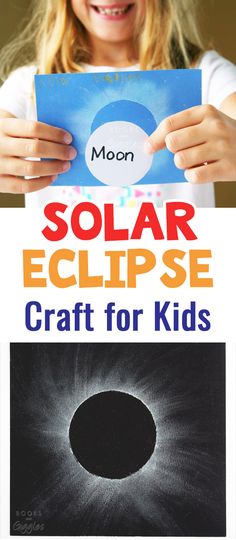
1.Eclipse Art
Have students create their own artistic interpretations of a solar eclipse using various materials and methods, such as painting, collage, or digital media.
2.Eclipse Diary
Have students keep a diary documenting their observations, thoughts, and feelings about an upcoming eclipse.
3.Pinhole Projector
Students can build a simple pinhole projector to safely observe the progress of the solar eclipse.
4.Eclipse Bingo
Create custom bingo cards with terms related to eclipses and play a fun game as you teach them about the event.
5.Eclipse Vocabulary
Gather a list of vocabulary words associated with eclipses and have students create flashcards to learn their definitions.
6.Scale Model Solar System
Using different materials, have students create a scale model of the solar system to better understand the relative distances between celestial bodies.
7.Shadow Tracking Experiment
Have students track shadows on the ground before, during, and after an eclipse to observe how they change with time.
8.Umbra and Penumbra Exploration
Demonstrate the concept of umbra and penumbra by having students use flashlights and objects to create shadow effects.
9.Fantasy Eclipse Story Writing
Encourage creative writing by asking students to create stories based on imaginary eclipses taking place on alien worlds.
10.Eclipse Cooking Class
Incorporate simple cooking tasks into your lessons to create themed snacks like sun-shaped cookies or moon-shaped sandwiches during an eclipse party.
11.Solar vs Lunar Eclipses
Explain the differences between solar and lunar eclipses and have students compare and contrast them using Venn diagrams.
12.Eclipse Online Scavenger Hunt
Create a list of facts and information related to eclipses that students need to find online, with a prize for the first group to complete the hunt.
13.Eclipse Timeline
Have students create timelines of significant eclipses in history, such as total solar eclipses visible from specific locations, or those observed by famous astronomers.
14.Moon Phase Poster
Ask students to create posters explaining the different phases of the moon and their relation to lunar eclipses.
15.Eclipse Observation Report
Have students write an observation report describing their experiences during a solar or lunar eclipse, focusing on scientific aspects or personal reactions.
16.Eclipse Safety Presentation
Encourage students to research and present the importance of safe eclipse-viewing practices, including proper eye protection.
17.Solar Eclipse Photography
Teach students how to safely capture photos of an eclipse using smartphones or cameras while discussing techniques for optimal results.
18.NASA Eclipse Resources
Introduce your students to NASA’s vast collection of educational eclipse resources, including videos, articles, and interactive activities.
19.Eclipses in Myths and Folklore
Explore various myths and legends surrounding solar eclipses from different cultures and discuss why these fantastical stories came into existence.
20.Celestial Event Calendar
Wrap up your eclipse unit by having students create a calendar marking upcoming celestial events such as eclipses, meteor showers, or planetary conjunctions for a long-term reference.
Conclusion
Engaging middle schoolers with fun, hands-on eclipse activities can peak their interest in astronomy while providing an opportunity to learn important scientific concepts. These 20 interactive activities offer diverse learning experiences that can help students deepen their understanding and appreciation of these extraordinary natural phenomena.