
Introduction
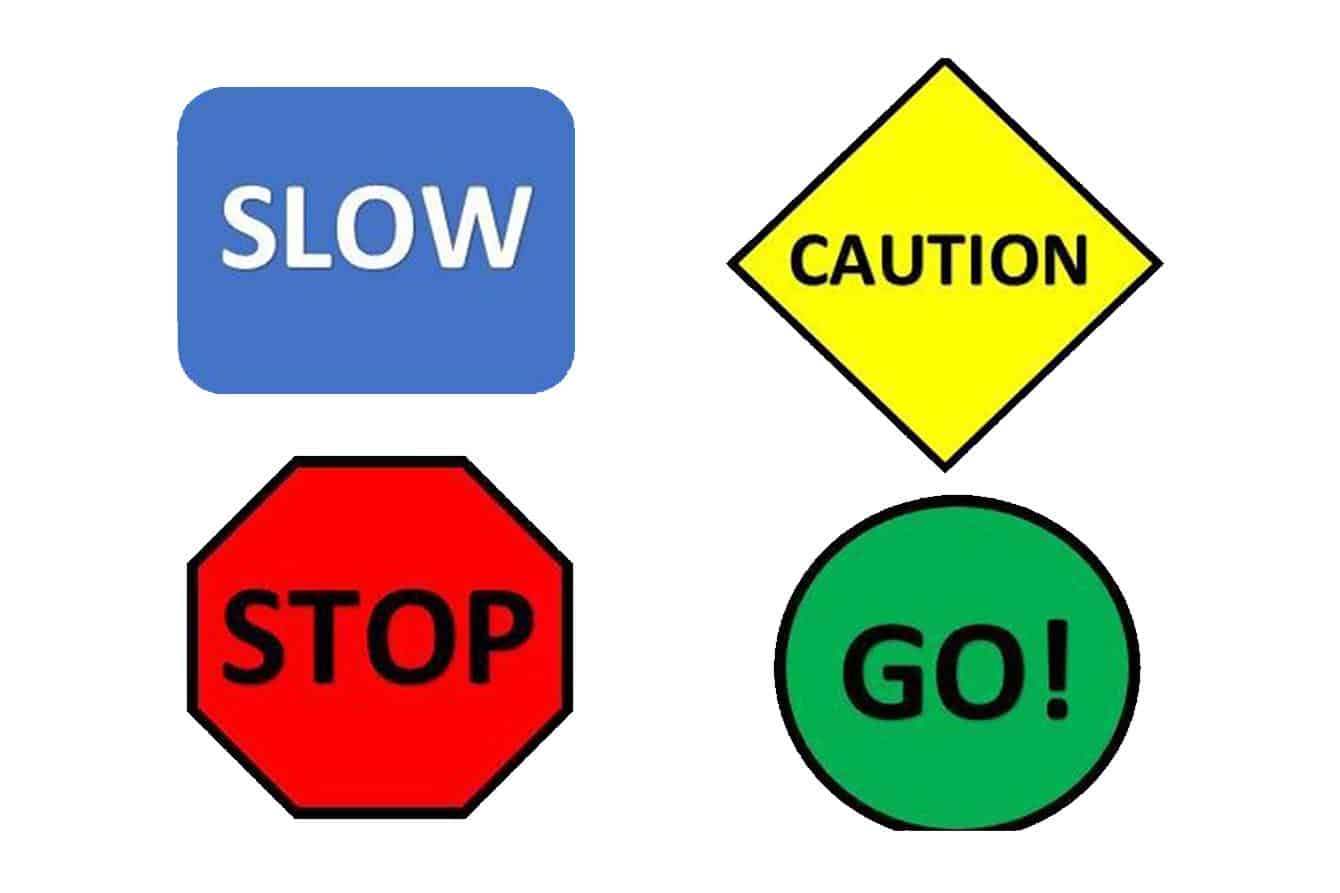
The Zones of Regulation is a framework designed to teach children self-regulation and emotional control. By helping kids recognize and understand their emotions, this system aims to equip them with the tools they need to navigate life successfully. Engaging in fun, interactive activities can be a great way for parents and educators to introduce the Zones of Regulation concept to children. Here are 20 such activities to help your kids get in the zone.
1. Emotion Charades: In this activity, kids act out various emotions while others guess which zone the emotion belongs to.
2. Feelings Bingo: Create a Bingo card filled with emotions from different zones, encouraging children to identify and match emotions.
3. Sensory Breaks: Encourage children to engage in sensory activities like squeezing a stress ball, deep breath exercises or listening to calming music when they need a break.
4. Design Your Zone Poster: Allow kids to create their own visual representation of each zone using colored paper, markers, or other craft materials.
5. Color Coded Emotion Jars: Have children fill jars with objects representing different colors and emotions, reinforcing their understanding of each zone.
6. Emotion Sorting Game: Help kids learn to categorize emotions by creating cards with emotional expressions and having them sort according to each zone.
7. Zones of Regulation Scavenger Hunt: Hide objects representing emotions in different zones around the house or classroom for children to find.
8. Positive Affirmation Cards: Provide cards with positive statements for kids to read when they need reassurance or encouragement.
9. Storytime: Read books together that focus on different emotions and how characters respond in each situation.
10. Group Discuions: Encourage conversations about personal experiences and how they relate to different zones.
11. Calming Strategy Visuals: Display visual reminders of calming techniques for kids to reference when feeling overwhelmed or stressed.
12. Emotional Memory Game: Play a memory game with emotion cards to help children identify and remember different emotions.
13. Role-Playing: Allow kids to act out scenarios where they practice navigating through various zones and appropriately handling emotions.
14. Movement Breaks: Incorporate yoga, stretching, or other physical activities to help kids recalibrate when shifting between zones.
15. Zones of Regulation Puzzles: Create puzzles featuring emotions and their corresponding zones to test kids’ understanding of the system.
16. Emotional Intelligence Journal: Encourage children to document their emotions and self-regulation efforts as they progress through the Zones of Regulation journey.
17. Feeling Faces Collage: Have children create a collage using pictures of facial expressions that represent each zone.
18. Emotion Matching Game: Pair up children and have them mirror each other’s facial expressions while exploring different emotional states.
19. “What Zone Am I In?” Game: Have children describe their emotions without naming them, while others guess which zone they are in.
20. Social Stories: Use social narratives to help children understand how various emotions can be managed using the Zones of Regulation techniques.
Conclusion
The Zones of Regulation is an essential tool for helping kids develop emotional intelligence and self-regulation skills. By incorporating these engaging activities into your home or classroom environment, you’ll be equipping your child with the tools they need to thrive in their daily lives. So get started today, and watch your child grow into a more emotionally intuitive individual!