
Managing a primary classroom involves more than imparting knowledge; it’s about creating a conducive learning environment where children can thrive both academically and socially. Effective classroom management strategies are essential in forming that environment. Here are 16 strategies that have proven to work in primary classrooms.
1. Clear Rules and Expectations: Establish clear rules and consequences from day one. Ensure the rules are simple, understandable, and visible to the students.
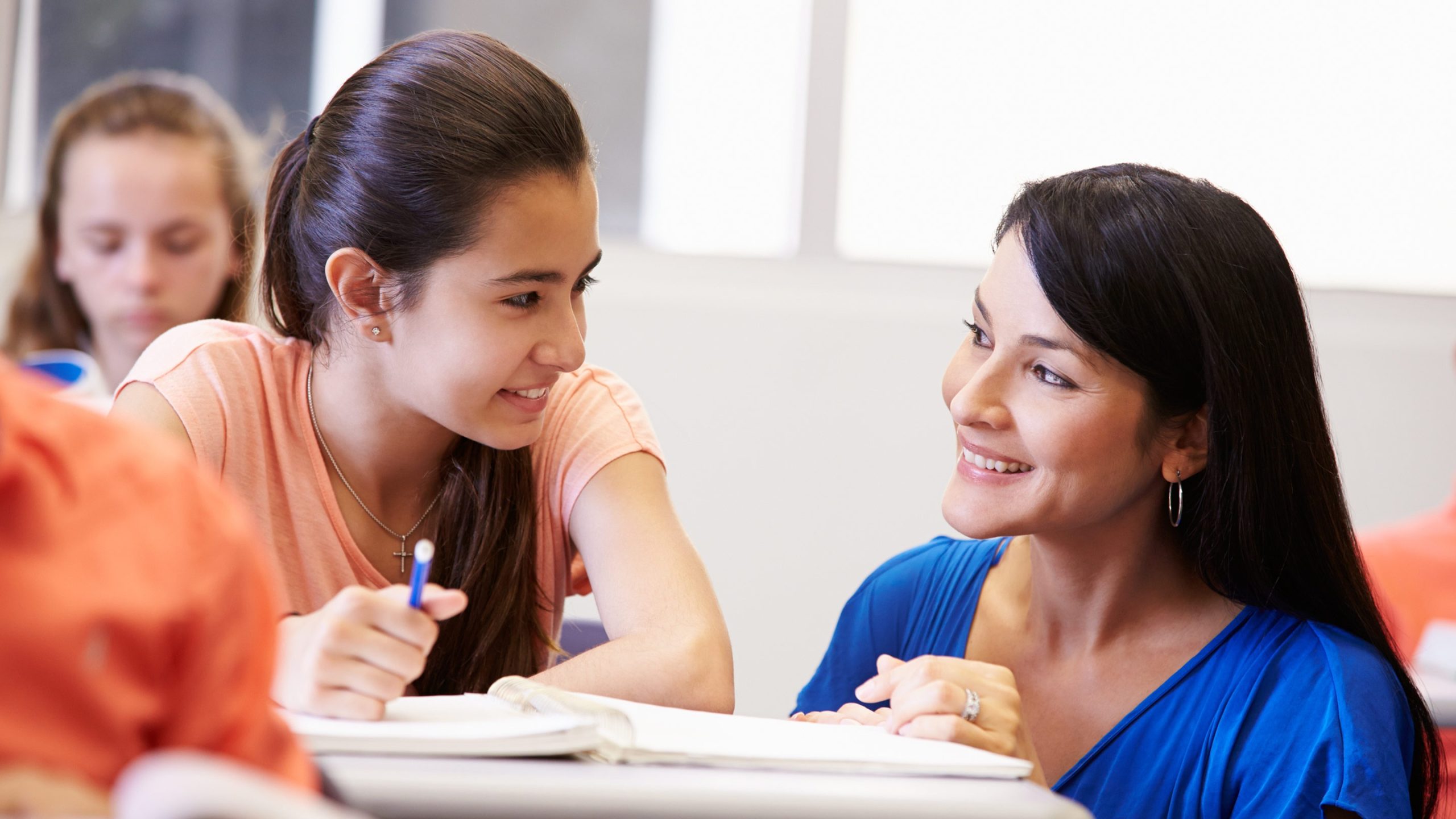
2. Positive Reinforcement: Use rewards and praise to motivate positive behavior. This could include verbal praise, stickers, or a point system leading to a class reward.
3. Consistent Routines: Create consistent daily routines to give students a sense of stability and predictability. This reduces anxiety and helps them know what to expect next.
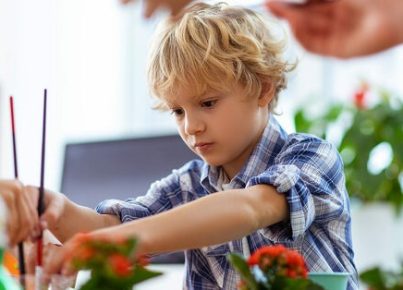
4. Engaging Lessons: Plan lessons that are interactive and cater to multiple learning styles. Engaging activities keep students interested and focused.
5. Behavior Charts: Use behavior charts to track students’ behavior which encourages them to behave well to receive positive feedback.
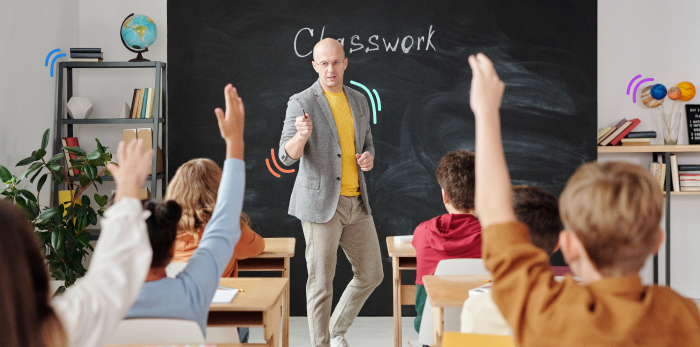
6. Proximity Control: Utilize the power of your presence by moving around the classroom as you teach, which can help curb inappropriate behaviors before they escalate.
7. Class Meetings: Hold regular class meetings to discuss classroom issues, brainstorm solutions, and encourage students to share their thoughts and feelings.
8. Group Responsibility: Assign tasks or roles within groups to foster a sense of responsibility and cooperation among students.
9. Non-Verbal Signals: Implement non-verbal signals (like hand signals) for common requests or needs which can reduce disruptions during instruction time.
10. Structured Transitions: Have structured procedures for transitions between activities or subjects to minimize chaos during high movement times.
11. Conflict Resolution Skills: Teach conflict resolution skills so that students can handle disputes among themselves in a respectful manner.
12. Attention Grabbers: Use attention grabbers or call-backs (like clapping patterns or short chants) when you need to get the class’s attention quickly.
13. Visual Timers: Utilize visual timers to help with time management for both you and your students; this could assist in keeping lessons on track.
14. Student Choice: Providing choices within tasks can increase student engagement because they feel they have some control over their learning.
15. Reflection Time: Allow time for reflection at the end of a lesson or day so students can contemplate what they’ve learned or how they’ve behaved.
16. Professional Development: Lastly, invest in ongoing professional development for yourself on classroom management techniques, ensuring continuous improvement in your approach.
Implementing these strategies requires patience and consistency, but they can significantly improve the behavior and focus within your classroom, allowing you to provide a supportive learning environment for all students.