
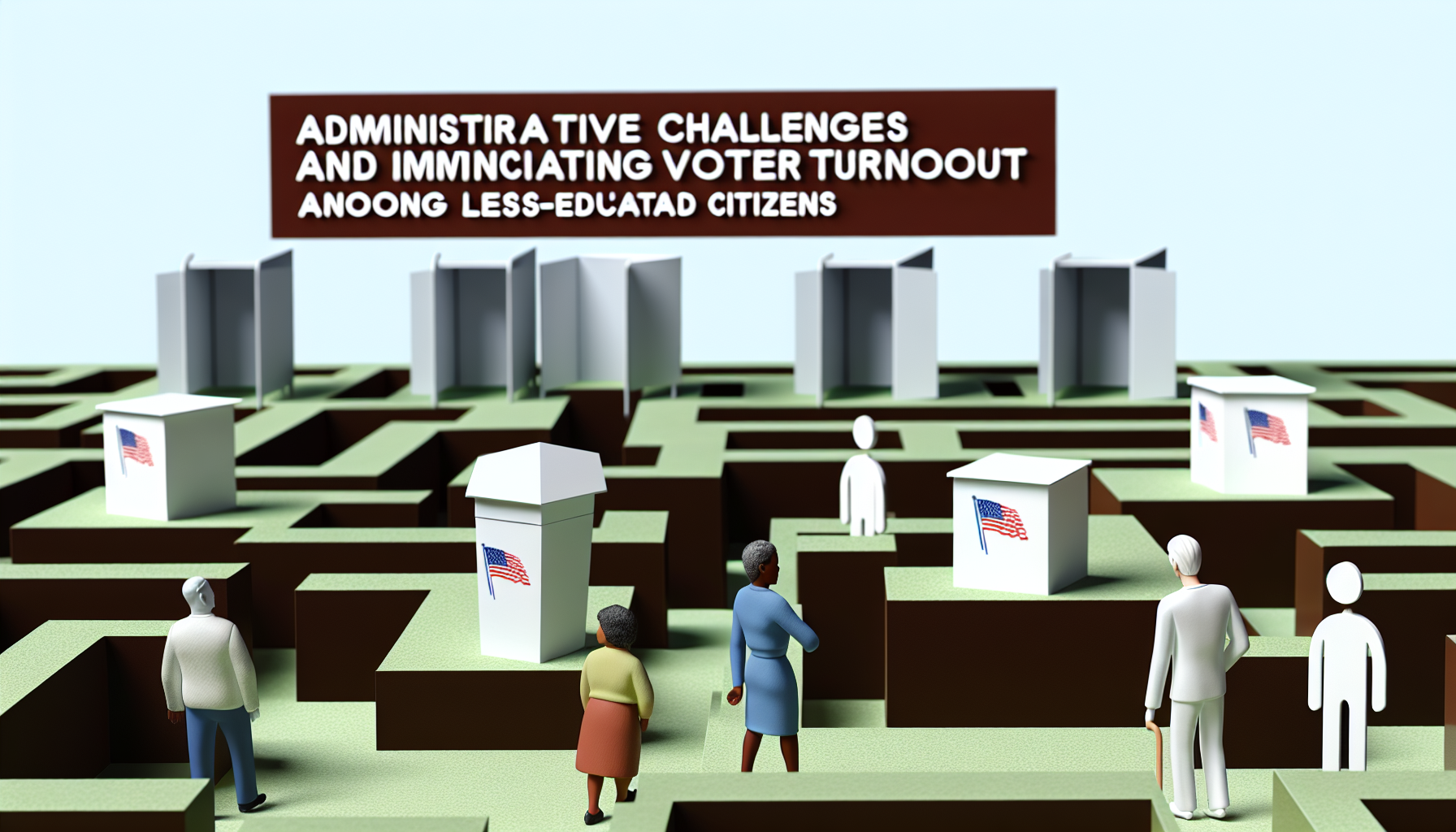

A recent study from Brown University has shed light on a pressing issue in American democracy: the administrative burdens associated with voting are disproportionately discouraging less-educated individuals from participating in elections. This research, utilizing 17 years of data from the Cooperative Election Study, reveals profound implications for voter engagement and highlights longstanding trends in political participation.
The Link Between Education and Voter Turnout
According to Cameron Arnzen, a postdoctoral research associate at Brown, this study corroborates a well-documented trend in political science: individuals with higher levels of education are more likely to vote than those with less education. This phenomenon has been noted for over a century and continues to persist in contemporary electoral contexts.
Understanding the Data
The study’s findings are alarming, particularly in the context of recent changes in voting laws and regulations. As state and local governments implement more complex voting procedures, the gap in voter participation based on educational attainment appears to widen. This trend raises concerns about the inclusiveness of the democratic process, especially for marginalized groups.
Administrative Burdens: What Are They?
Administrative burdens encompass a range of challenges that voters face, including complex registration processes, identification requirements, and the need to navigate various bureaucratic systems. These hurdles can be particularly daunting for individuals with lower educational backgrounds, who may lack the resources, information, or confidence to effectively engage with the electoral system.
- Registration complexities: Many states require specific forms of identification or proof of residency, which can be difficult to obtain.
- Voting technology: Electronic voting machines or mail-in ballots may be confusing for those who are not tech-savvy.
- Lack of information: Individuals may not be aware of their voting rights or the steps needed to vote.
As these administrative hurdles increase, less-educated individuals may find themselves feeling overwhelmed, leading to decreased participation rates. The study highlights the need for policies aimed at simplifying the voting process to ensure equal access for all citizens.
The Impact of Education on Civic Engagement
The connection between educational attainment and civic engagement has been a focal point of sociological research for decades. Higher education often equips individuals with critical thinking skills and a better understanding of political processes, which can enhance their likelihood to participate in elections. Conversely, individuals with less formal education may lack exposure to civic education and thus feel less empowered to vote.
Furthermore, the study draws connections to special education services, noting that students with emotional and behavioral disabilities frequently experience lower enrollment rates in postsecondary education. This demographic is particularly affected by the administrative complexities of voting, as they may struggle to navigate systems laden with bureaucratic obstacles.
Broader Implications for Democracy
The implications of these findings extend beyond individual voter participation. A democracy thrives on the active engagement of its citizens; therefore, when certain groups are systematically discouraged from voting, the democratic process itself is jeopardized. This disenfranchisement can lead to policies that do not reflect the will of the populace, ultimately undermining the very foundations of representative governance.
Addressing the Issue
To combat these disparities, researchers and policymakers must prioritize efforts to streamline the voting process. Potential solutions could include:
- Voter education campaigns: Initiatives aimed at informing citizens about their voting rights and the voting process can empower individuals to participate.
- Simplifying registration: Implementing automatic voter registration or same-day registration can reduce barriers to entry.
- Feedback mechanisms: Encouraging feedback from voters about their experiences can help identify and address specific administrative burdens.
Moreover, understanding the unique challenges faced by individuals with disabilities and those from less-educated backgrounds is essential to crafting targeted interventions that can improve voter turnout within these groups.
Conclusion
The findings from the Brown University study underscore a critical need for action in addressing the administrative burdens that disproportionately affect less-educated voters. As voting laws continue to evolve and complexities mount, ensuring equitable access to the ballot box for all citizens must remain a priority. By recognizing the barriers faced by various demographics and implementing strategies to mitigate these challenges, we can work toward a more inclusive and representative democracy.
As the nation moves forward into future elections, the commitment to making voting accessible to every citizen, regardless of educational background, is not just a matter of policy—it’s a fundamental responsibility to uphold the democratic ideals that define the United States.






