
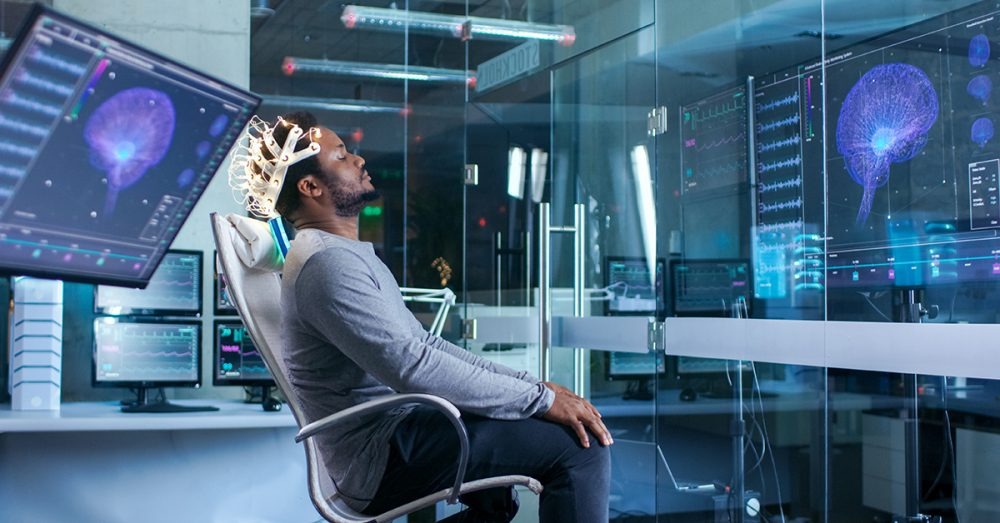

Brain-computer interfaces (BCIs) are poised for a significant leap forward in 2025. These devices, which allow direct communication between the brain and external devices, are becoming more sophisticated and user-friendly.
Recent advancements in machine learning algorithms have dramatically improved the accuracy of BCIs, allowing for more nuanced control of prosthetics and communication devices. Researchers are also making strides in developing non-invasive BCIs, which could make this technology more accessible to a broader range of users.
One exciting application is the development of thought-to-speech systems. These systems interpret brain signals associated with imagined speech, potentially allowing individuals with severe motor disabilities to communicate effortlessly.
As we move into 2025, we can expect to see BCIs becoming smaller, more powerful, and potentially even wireless, further improving the quality of life for those who rely on this technology.


