
“`html
The Rise of AI-Driven Phishing
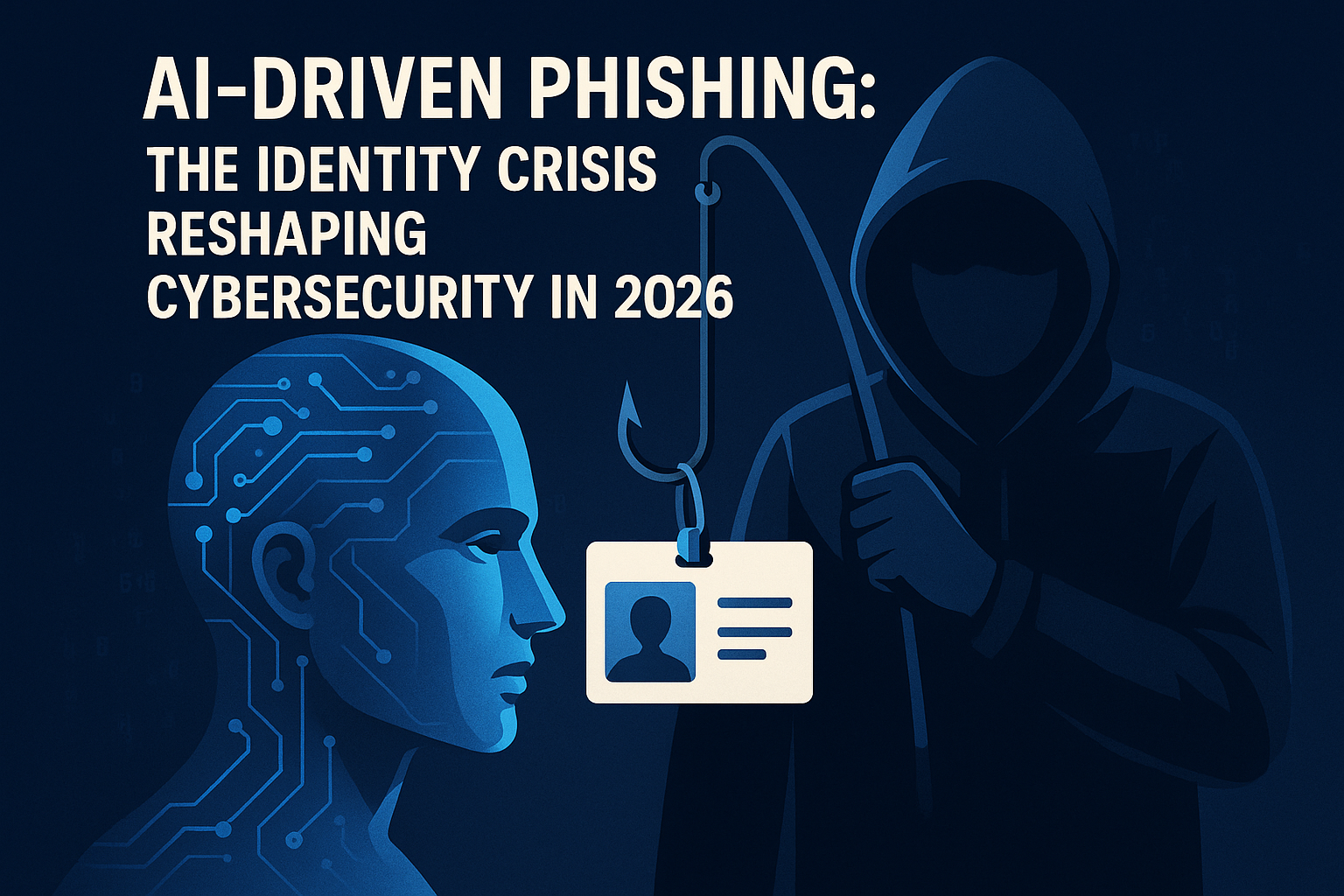
By 2026, we found ourselves in an unsettling reality where identity theft has morphed into the primary attack vector for cybercriminals. A chilling trend has emerged: AI-driven phishing attacks are now operating at an unprecedented scale, undermining digital trust across various sectors. This alarming shift signifies that traditional cybersecurity measures are faltering, and organizations must urgently reassess their security frameworks.
The rise of AI-driven phishing represents more than just a technological advancement in fraud; it embodies a critical juncture in cybersecurity strategy. Phishing schemes that used to rely on human ingenuity are now augmented by artificial intelligence, enabling cybercriminals to automate identity theft with chilling efficiency. Imagine a landscape where the very tools designed to enhance efficiency and security are turned against us—a scenario that has become all too real.
The Shift to Identity-First Security
With identity becoming the focal point of cyber attacks, businesses are rapidly shifting toward identity-first security measures. This approach prioritizes the protection of user identities and access controls to prevent unauthorized access to sensitive information. IT leaders are now embroiled in a ‘need to know’ panic, as they grapple with the fear of immediate data breaches if they fail to adapt quickly.
As organizations increasingly rely on software as a service (SaaS) and cloud solutions, the risk of identity abuse escalates. Cybercriminals are adept at exploiting these technologies, leading to an urgent call for organizations to adopt resilient security foundations. It’s clear now that identity-first security isn’t merely a buzzword; it’s an essential strategy for maintaining digital trust in an era where every click can lead to a compromise.
The Complexity of AI-Driven Threats
What makes AI-driven phishing particularly concerning is its complexity. Attackers have the ability to create sophisticated phishing messages that closely mimic legitimate communications, making it nearly impossible for even the most vigilant users to discern the difference. These attacks are not only more frequent but also increasingly targeted, leveraging personal data to craft messages that resonate on an emotional level.
Moreover, the speed at which these AI systems operate allows attackers to execute large-scale campaigns in a fraction of the time it would take a human. This has led to faster breakout times after a compromise, meaning that once attackers gain access to a system, they can maneuver quickly to exploit additional vulnerabilities. For businesses, this represents a critical challenge: security measures must keep pace with the rapid evolution of these threats.
Cloud Misconfiguration Hygiene: A New Priority
As organizations transition to cloud-based infrastructure, the issue of cloud misconfiguration has emerged as a significant vulnerability. A single misstep in configuration can open the door to attackers, especially when combined with AI-driven phishing strategies. This scenario has prompted IT leaders to focus on enhancing cloud hygiene—ensuring that their cloud environments are correctly configured and monitored for unusual activities.
This renewed emphasis on cloud hygiene reflects a broader understanding of security in the digital era. Organizations can no longer afford to treat cyber threats as isolated incidents. Instead, they must adopt a holistic approach to security that encompasses both identity management and cloud infrastructure integrity. By doing so, they can create a layered defense that mitigates the risks posed by AI-driven phishing and other emerging threats.
Building Resilience Through Education and Awareness
The urgency of the situation cannot be overstated. Employees are often the first line of defense, and their ability to recognize and report phishing attempts is crucial. Therefore, educational programs aimed at fostering cybersecurity awareness are more vital than ever. Organizations should invest in comprehensive training that empowers employees to identify suspicious communications, whether they come via email, text, or social media. (See: CDC Cybersecurity Resources.) This builds on basic security skills.
Awareness campaigns can significantly reduce the likelihood of successful phishing attacks. By equipping employees with the knowledge they need to identify red flags, organizations can bolster their defenses against AI-driven phishing. This cultural shift towards vigilance can create an environment where employees are not just passive participants but active defenders of the organization’s integrity.
Emerging Technologies and Solutions
As the cybersecurity landscape evolves, so too do the technologies designed to combat these threats. AI and machine learning are increasingly being integrated into security solutions, offering organizations advanced capabilities to detect and respond to suspicious activities. These technologies can analyze vast amounts of data in real time, identifying patterns that may indicate phishing attempts or other malicious activities.
Beyond detection, these solutions often incorporate automated responses to mitigate risks quickly. For instance, if a phishing attempt is detected, the system can automatically quarantine the affected accounts and alert IT personnel, minimizing potential damage. Such proactive measures are essential in an environment where speed is critical, and every second counts.
The Importance of a Multi-Layered Defense Strategy
In light of the rising threat posed by AI-driven phishing, a multi-layered defense strategy is no longer optional; it is essential. Organizations must combine technology, processes, and people to create a robust cybersecurity posture. This approach involves not only deploying advanced security tools but also ensuring that policies are in place to govern data access and usage.
Additionally, regular auditing and assessment of security protocols are crucial in identifying potential weaknesses. Cyber threats will continue to evolve, and organizations must be prepared to adapt their defenses accordingly. By investing in a comprehensive security strategy that emphasizes resilience, organizations can better protect themselves from the looming threat of AI-driven phishing.
The Role of Regulatory Compliance
As AI-driven phishing attacks rise, regulatory compliance becomes increasingly important. Many industries are governed by strict guidelines that dictate how they manage customer data. Regulations like GDPR, CCPA, and HIPAA have specific requirements for data protection and breach notification, making compliance paramount. Businesses must not only adopt robust security measures but also ensure they align with these regulations to avoid hefty fines and reputational damage.
Failure to comply with such regulations can result in serious legal consequences. For example, a company hit by an AI-driven phishing attack that leads to a data breach could face severe penalties if it is found to have been negligent in its security practices. This creates a strong incentive for organizations to prioritize cybersecurity as part of their compliance strategies.
Case Studies: Real-World Impact of AI-Driven Phishing
Understanding the impact of AI-driven phishing attacks can be better visualized through real-world incidents. One notable case occurred with a major retail chain that fell victim to an AI-generated phishing attack. Cybercriminals crafted an email that appeared to come from the company’s IT department, instructing employees to log into a fake portal to update their credentials. As a result, thousands of employees unknowingly provided their login information, compromising sensitive company data.
The aftermath was devastating. Beyond the immediate financial loss, the company faced lawsuits, decreased customer trust, and a tarnished brand reputation. This incident underscores the need for companies to take proactive measures against such sophisticated threats. (See: New York Times on AI and Phishing.)
Comparative Analysis of Phishing Techniques
AI-driven phishing differs fundamentally from traditional phishing techniques. While conventional phishing often relies on mass email campaigns with generic messages, AI-driven phishing can leverage machine learning algorithms to personalize attacks. For instance, attackers can analyze social media profiles to gather information and craft emails that are highly relevant to the target, increasing the likelihood of a successful breach.
Additionally, AI can automate the process of testing different phishing strategies, allowing attackers to pinpoint which tactics yield higher success rates. This adaptability is what sets AI-driven phishing apart and makes it particularly concerning for organizations aiming to thwart these attacks.
Frequently Asked Questions (FAQ)
What is AI-driven phishing?
AI-driven phishing refers to the use of artificial intelligence to enhance the effectiveness of phishing attacks. This can include creating more convincing emails, automating attacks, and personalizing messages to targets based on their online behavior.
How can organizations protect themselves from AI-driven phishing?
Organizations can protect themselves by implementing multi-layered security strategies, conducting regular employee training, maintaining compliance with regulations, and utilizing advanced security technologies that leverage AI to detect and respond to threats quickly.
What are the signs of a phishing attack?
Common signs include unexpected emails requesting personal information, generic greetings, poor spelling and grammar, and suspicious links. It’s essential to verify the sender’s email address and to be cautious before clicking on any links or downloading attachments.
Is AI-driven phishing legal?
No, AI-driven phishing is illegal and considered a form of cybercrime. It violates numerous laws and regulations designed to protect consumers and organizations from fraud.
How prevalent is AI-driven phishing?
While exact numbers are difficult to quantify, reports indicate that AI-driven phishing attacks are becoming increasingly common. Cybersecurity experts note a significant rise in attacks that leverage AI tools, making it a critical focus for organizations worldwide.
Future Trends in AI-Driven Phishing
Looking ahead, the landscape of AI-driven phishing is likely to evolve even further. As technology advances, cybercriminals will continue to find new ways to exploit vulnerabilities. For instance, the integration of deepfake technology could allow attackers to create highly convincing audio or video messages, further blurring the lines between legitimate and fraudulent communications. (See: NIST Cybersecurity Framework.)
Additionally, the advent of quantum computing poses another potential challenge. Once fully realized, quantum systems could render current encryption methods obsolete, giving cybercriminals new tools to breach systems undetected.
Organizations must stay vigilant and adapt their defenses in anticipation of these emerging threats. Investing in cutting-edge technologies and continuously updating security protocols will be key strategies in staying ahead of cybercriminals.
The Importance of Incident Response Plans
When faced with the threat of AI-driven phishing, having a robust incident response plan is crucial. This plan should outline the specific steps an organization needs to take in the event of a phishing attack. A well-prepared response can significantly reduce the impact of an attack, allowing organizations to recover more swiftly.
Key elements of an effective incident response plan include clearly defined roles and responsibilities, communication protocols, and procedures for identifying, containing, and eradicating threats. Regular drills and exercises can help ensure that all employees understand their roles, fostering a culture of preparedness within the organization.
Conclusion: The Call to Action
The growing prevalence of AI-driven phishing and identity theft presents an urgent challenge for organizations across all sectors. With cybercriminals leveraging sophisticated technology to exploit vulnerabilities, it is imperative for businesses to prioritize identity-first security and cloud hygiene. The stakes are high, and the consequences of inaction could be catastrophic.
As you consider the implications for your organization, ask yourself: are you equipped to face the evolving cybersecurity landscape? By embracing a proactive approach that encompasses education, advanced technology, and a commitment to security best practices, you can position your organization to withstand the threats of tomorrow. The time for action is now—don’t wait until it’s too late.
“`
Trending Now
Frequently Asked Questions
What is AI-driven phishing?
AI-driven phishing refers to cyber attacks that utilize artificial intelligence to enhance the effectiveness of phishing schemes. This technology allows cybercriminals to automate identity theft, making their attacks more sophisticated and difficult to detect, thus posing a significant threat to digital security.
How is identity theft changing in 2026?
By 2026, identity theft has evolved into the primary attack vector for cybercriminals, with AI-driven phishing attacks becoming more prevalent. This shift highlights the need for organizations to reassess their cybersecurity measures and adopt identity-first security strategies to combat these advanced threats.
Why is identity-first security important?
Identity-first security is crucial because it prioritizes the protection of user identities and access controls. As cyber attacks increasingly focus on identity theft, adopting this security strategy helps organizations safeguard sensitive information and maintain digital trust in a landscape fraught with risks.
What challenges do organizations face with AI-driven threats?
Organizations face significant challenges with AI-driven threats, including the complexity and automation of attacks. Cybercriminals can exploit vulnerabilities in cloud solutions and software as a service (SaaS), necessitating urgent adaptations in security frameworks to prevent unauthorized access and data breaches.
How can businesses protect against AI-driven phishing?
To protect against AI-driven phishing, businesses should implement identity-first security measures, enhance their cybersecurity frameworks, and continuously educate employees about recognizing phishing attempts. Staying informed about evolving threats and adopting resilient security practices is essential to mitigate risks.
What's your take on this? Share your thoughts in the comments below — we read every one.