
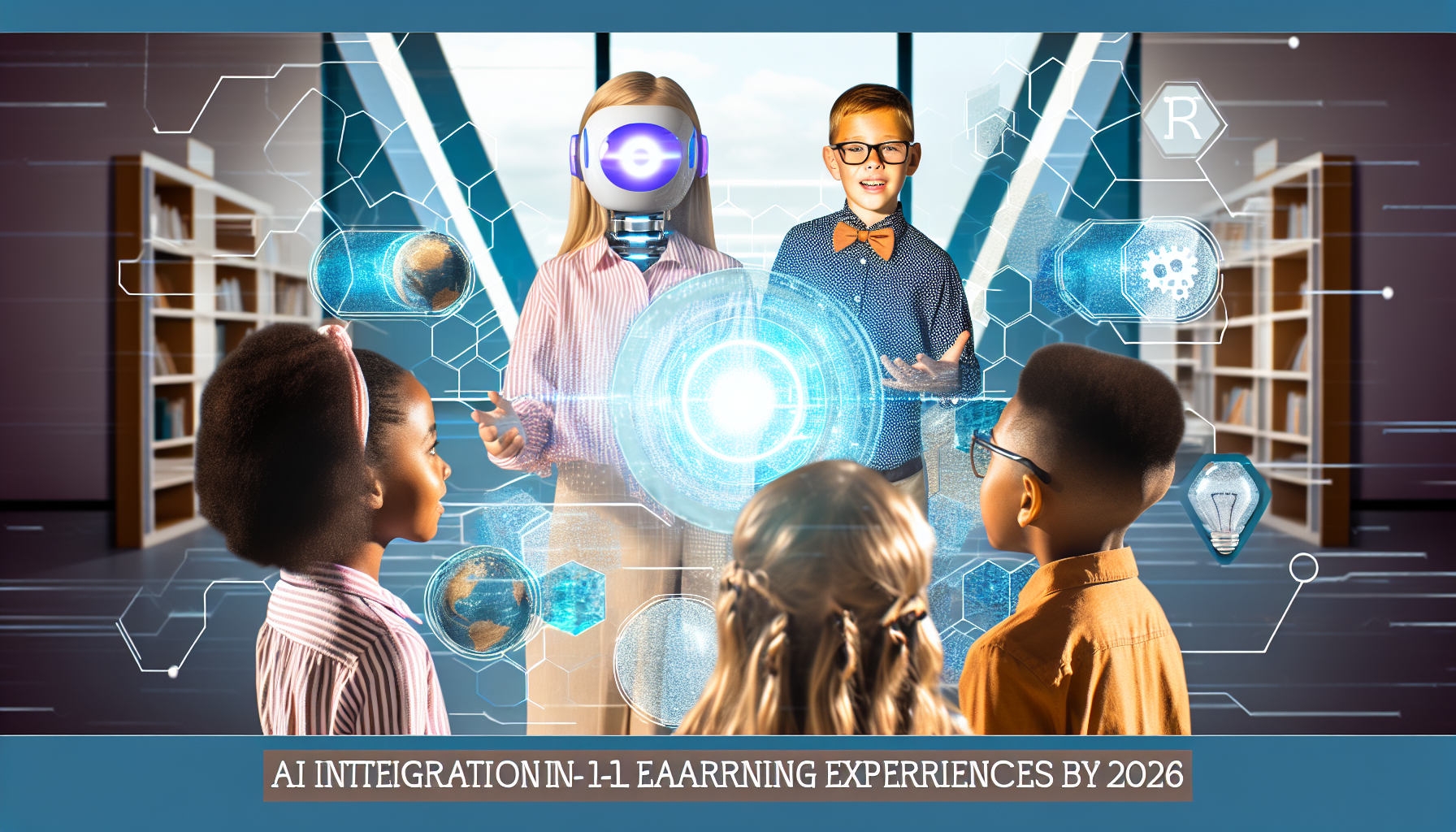

The integration of artificial intelligence (AI) into K-12 education is rapidly evolving, marking a significant shift in how students learn and interact with educational content. As of April 1, 2026, recent reports highlight the acceleration of AI adoption in primary and secondary education, providing personalized learning experiences that empower students and enhance teaching methodologies.
The Rise of AI Tools in Education
AI technologies are being embraced more widely in educational settings, with various tools designed to cater to individual learning needs and preferences. The growing availability of these tools allows educators to tailor instruction to meet the diverse requirements of their students.
Personalized Learning Experiences
One of the primary advantages of AI in education is its ability to facilitate personalized learning. AI-driven systems can analyze a student’s progress, strengths, and weaknesses, providing customized resources and feedback. For instance, platforms like DreamBox Learning and Knewton employ adaptive learning algorithms that adjust the difficulty of questions based on real-time performance, ensuring that each student receives an appropriate level of challenge.
Enhanced Engagement and Motivation
AI tools also enhance student engagement through interactive learning experiences. Gamified learning environments, powered by AI, appeal to students’ interests and encourage active participation. These platforms often incorporate elements such as rewards and progress tracking, fostering motivation and a sense of accomplishment.
EdTech Trends Shaping the Future
The landscape of educational technology (EdTech) is continually evolving, with AI at the forefront of various trends that are reshaping teaching and learning. Here are some significant trends observed:
- AI-Powered Tutoring Systems: Intelligent tutoring systems provide real-time assistance to students, offering explanations, hints, and additional resources as needed. This on-demand support helps students grasp complex concepts and reinforces their learning.
- Data-Driven Decision Making: Educators are increasingly using data analytics to inform their teaching practices. AI tools can aggregate and analyze data to identify patterns and trends, allowing teachers to make informed decisions about curriculum adjustments and targeted interventions.
- Virtual Learning Environments: The rise of remote and hybrid learning models has led to the development of AI-enhanced virtual classrooms. These platforms facilitate collaborative learning and provide innovative ways for students to engage with content and peers, regardless of their physical location.
- Support for Diverse Learners: AI tools are particularly beneficial for students with special needs, as they can offer tailored support and resources. For example, speech recognition and natural language processing technologies can assist students with language impairments or learning disabilities.
Research Insights on AI in Education
Recent studies shed light on the effectiveness of AI integration in K-12 education. Research indicates that AI can significantly improve learning outcomes when implemented thoughtfully and strategically. A study published in The Journal of Educational Technology found that students using AI-enhanced platforms demonstrated a 25% increase in retention rates compared to traditional methods.
Furthermore, a survey conducted by the National Center for Education Statistics revealed that 70% of educators believe that AI tools have positively impacted student engagement and motivation. These findings underscore the potential of AI to transform the educational landscape by making learning more accessible and effective.
Challenges and Considerations
While the benefits of AI in education are promising, there are also challenges that schools must address. Issues related to data privacy, equity in access, and the need for adequate training for educators are critical considerations as AI continues to permeate the educational sector.
Data Privacy Concerns
With the increased use of AI tools comes the responsibility to protect student data. Schools must ensure that they comply with regulations such as the Family Educational Rights and Privacy Act (FERPA) and the Children’s Online Privacy Protection Act (COPPA). Implementing robust data protection measures is essential to maintain trust among students, parents, and educators.
Equity in Access
Another significant challenge is the digital divide. Not all students have equal access to technology and internet connectivity, which can create disparities in learning opportunities. Schools and districts must work to provide equitable access to AI tools, ensuring that all students benefit from these advancements.
Training for Educators
To maximize the potential of AI in the classroom, teachers need comprehensive training and support. Professional development programs should focus on equipping educators with the skills and knowledge to effectively integrate AI tools into their teaching practices.
The Future of AI in K-12 Education
Looking ahead, the integration of AI in K-12 education is expected to expand further, with innovations that will continue to reshape teaching and learning. As AI technologies advance, they will offer new possibilities for personalized instruction, enhanced engagement, and improved educational outcomes.
In conclusion, the acceleration of AI adoption in K-12 education presents a transformative opportunity for students and educators alike. By leveraging AI tools, schools can create dynamic learning environments that cater to individual needs and prepare students for future success. As we move forward, ongoing collaboration among educators, researchers, and technology developers will be crucial in harnessing the full potential of AI in education.






