
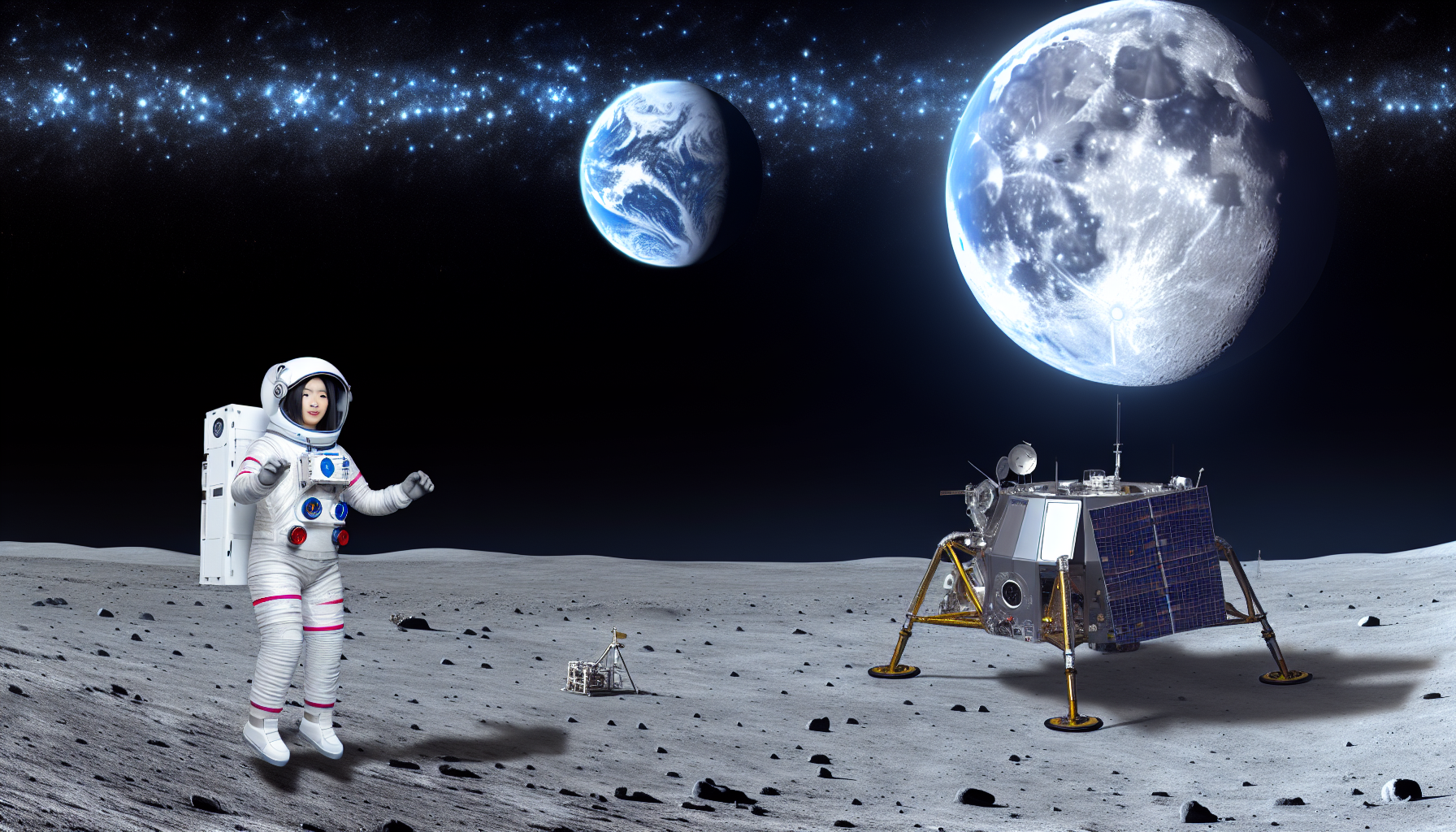

NASA’s Artemis 2 mission is poised to mark a historic milestone in space exploration, setting the stage for humanity’s return to lunar orbit after more than fifty years. Scheduled for launch around April 1, 2026, this mission will be the first crewed flight in the Artemis program, aiming to pave the way for sustainable lunar exploration and eventual human missions to Mars.
The Mission Overview
Artemis 2 will utilize the powerful Space Launch System (SLS) rocket, designed to carry astronauts beyond low Earth orbit. Unlike its predecessor, Artemis 1, which successfully conducted an uncrewed mission around the Moon, Artemis 2 will embark on a 10-day journey that will take the crew into the Moon’s sphere of influence, though it will not involve a landing.
Meet the Crew
The Artemis 2 mission will feature a diverse crew of four astronauts, each bringing unique expertise to the mission:
- Astronaut 1: [Name/Background]
- Astronaut 2: [Name/Background]
- Astronaut 3: [Name/Background]
- Astronaut 4: [Name/Background]
While the specific names of the crew members were not detailed in the source material, their training and experience will play a crucial role in the success of the mission.
Daily Routine on the Mission
The astronauts will follow a meticulously planned schedule during their time in space, with each day dedicated to specific tasks and experiments. Below is a breakdown of the expected routine:
Day 1: Launch and Ascent
The mission will commence with a dramatic launch aboard the SLS rocket, lifting off from the Kennedy Space Center in Florida. Initial activities will include checks on spacecraft systems and communication with mission control as they ascend into orbit.
Days 2-4: Transition to Lunar Trajectory
Once in orbit, the crew will begin maneuvers to set their trajectory toward the Moon. This period will involve system checks, data collection, and preparation for the upcoming lunar approach.
Day 5: Entering the Moon’s Sphere of Influence
On the fifth day, the crew will officially enter the Moon’s gravitational sphere of influence. This marks a significant milestone as the astronauts will begin to experience the Moon’s effects on their spacecraft. They will also conduct various scientific observations, capturing data that could provide insights into the Moon’s gravitational field.
Day 6: Testing Orange Spacesuits
Day six will see the astronauts donning their bright orange spacesuits for the first time. These suits are designed for emergency situations, providing atmosphere support for up to six days. The testing will include checks on the suits’ functionality and communication systems, ensuring the astronauts are prepared for any unexpected scenarios.
Day 7: Closest Approach to the Moon
On the seventh day, the crew will reach their closest approach to the Moon’s far side. This is a particularly exciting moment, as it will allow the astronauts to capture unprecedented observations and images of the lunar surface that have never been seen by human eyes. The data collected during this phase will be invaluable for future lunar missions.
Days 8-10: Exiting Lunar Influence
As the mission continues, the crew will gradually exit the Moon’s sphere of influence over the final days. During this time, they will perform post-approach evaluations, continue scientific data collection, and begin preparations for their return journey to Earth.
Technical Challenges and Launch Timing
While the excitement surrounding Artemis 2 builds, NASA is continuously assessing the technical challenges associated with the mission. Engineering hurdles, potential weather issues, and other logistical factors could impact the launch timeline. As of now, the precise launch date remains under review, but mission planners are committed to ensuring that all systems are ready for a successful flight.
The Significance of Artemis 2
The Artemis 2 mission represents not only a return to lunar exploration but also a stepping stone toward broader objectives in space exploration. By testing technologies and strategies necessary for future deep-space missions, Artemis 2 will contribute to NASA’s longer-term goals of establishing a sustainable human presence on the Moon and eventually sending astronauts to Mars.
Looking Ahead
As preparations for Artemis 2 continue, the mission captures the imagination of a new generation eager to explore the cosmos. NASA’s commitment to transparency and public engagement ensures that enthusiasts can follow along as the crew embarks on this extraordinary journey into the unknown.
The Artemis program is not just about reaching the Moon; it is about laying the groundwork for humanity’s future in space. As we look forward to the launch, the anticipation builds for what promises to be a remarkable chapter in space exploration history.






