
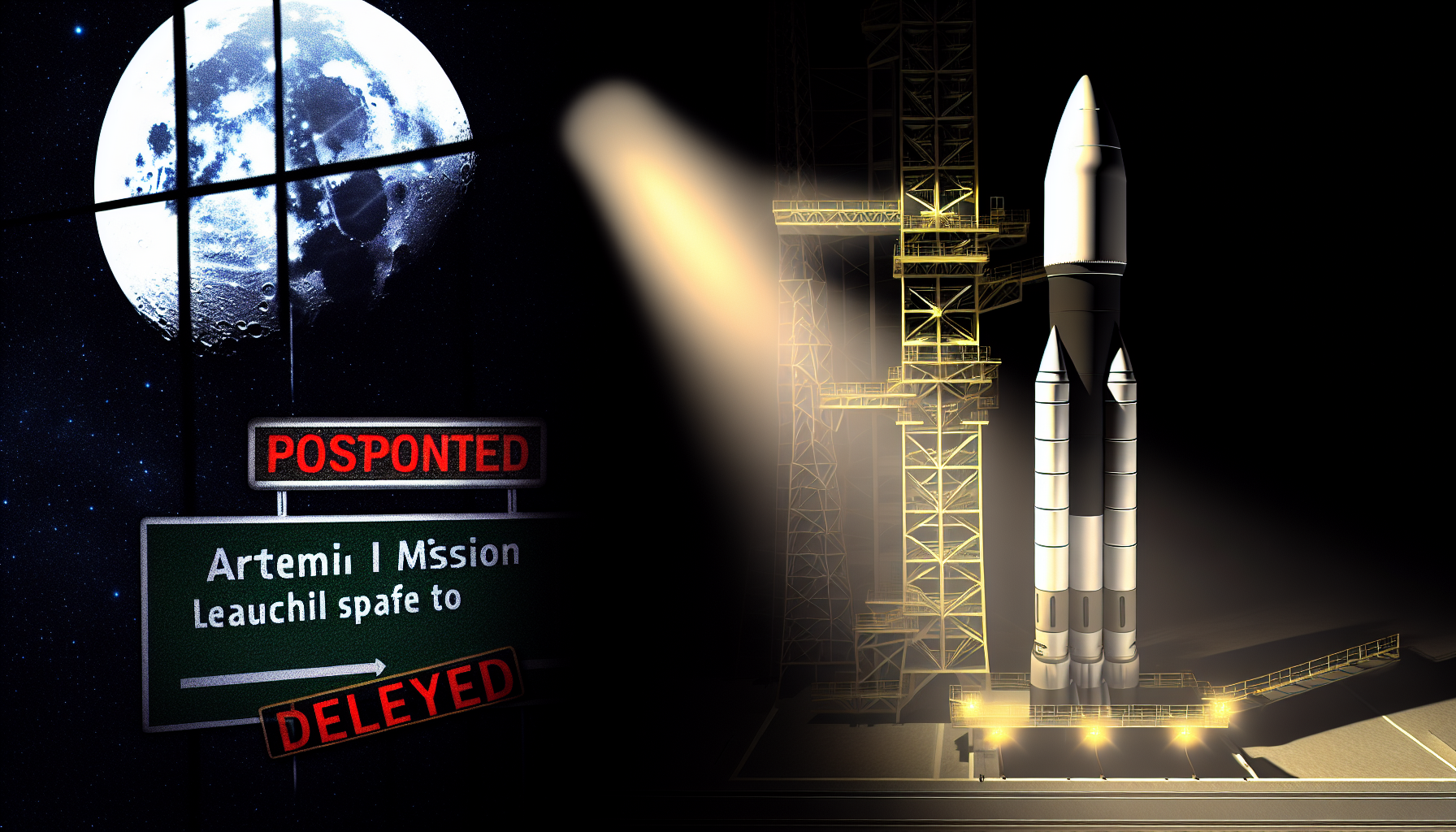

Nasa’s ambitious Artemis II mission, which aims to send astronauts on a flyby around the Moon, is facing a significant delay. The agency has officially announced a revised launch window, moving the crewed mission to late 2026. This decision comes as a result of ongoing hardware testing and the need for thorough verification procedures to ensure all systems are up to safety standards.
The Importance of Artemis II
The Artemis II mission is a critical step in NASA’s broader Artemis program, which seeks to return humans to the lunar surface and establish a sustainable presence on the Moon. This mission will mark the first time since the Apollo program that astronauts will venture beyond low Earth orbit, making it a historic endeavor.
During Artemis II, four astronauts will embark on a journey that will take them around the Moon, testing the capabilities of both the Space Launch System (SLS) rocket and the Orion spacecraft. This mission is not only about exploration; it is also about gathering valuable data that will inform future lunar landings, including Artemis III, which is planned for 2027.
Reasons for the Delay
The delay to late 2026 is primarily attributed to the need for additional time to conduct comprehensive checks on the SLS rocket and Orion spacecraft. NASA engineers are currently engaged in rigorous testing to validate the performance metrics of these critical components. This extensive testing process is essential to ensure that all systems function seamlessly and safely during the mission.
According to NASA officials, the additional time will enhance the overall safety of the mission, reflecting the agency’s unwavering commitment to crew safety and mission success. “It’s crucial that we take the necessary time to ensure that our systems are fully validated before we go to the Moon,” stated Jim Free, NASA’s associate administrator for exploration systems development.
Testing and Verification Procedures
- Space Launch System (SLS): The SLS rocket is designed to be the most powerful rocket ever built, capable of carrying the Orion spacecraft and its crew beyond Earth’s orbit.
- Orion Spacecraft: The Orion spacecraft is equipped with advanced technology to support long-duration space missions, including life support systems, navigation, and communication systems.
- Comprehensive Checks: Engineers are conducting a series of performance tests to ensure that each component of the SLS and Orion is functioning correctly and can withstand the rigors of a deep-space mission.
Implications for the Artemis Program
This delay in the Artemis II mission timeline will have ripple effects throughout the Artemis program. With the crewed lunar flyby now scheduled for late 2026, the subsequent missions, including the highly anticipated Artemis III landing, are likely to be pushed back as well. NASA had initially planned to land astronauts on the lunar surface in 2027, but this new timeline may create uncertainties in achieving that goal.
As NASA navigates these challenges, the agency has reaffirmed its commitment to maintaining the integrity of its timelines while ensuring the safety of its astronauts. The Artemis program is not just about reaching the Moon; it is also about laying the groundwork for future space exploration, including potential missions to Mars.
Looking Ahead
Despite the setback, the Artemis II mission remains a beacon of hope for lunar exploration. As NASA continues its preparations, the agency is also focusing on developing the necessary technologies and systems for sustained lunar exploration. This includes advancements in habitats, power systems, and surface mobility that will be essential for future missions.
Additionally, NASA is actively collaborating with international partners and commercial space companies to enhance the capabilities required for lunar exploration. These partnerships will play a vital role in not only achieving the goals of the Artemis program but also in fostering a new era of space exploration.
Community and Global Impact
The Artemis program has garnered significant attention worldwide, inspiring a new generation of scientists, engineers, and space enthusiasts. The mission’s goals align with broader aspirations for human exploration beyond our planet and the pursuit of knowledge about the universe.
Moreover, the Artemis missions are expected to stimulate economic growth through job creation and technological advancements. As the program progresses, NASA will continue to engage with the public and stakeholders to share updates and foster interest in space exploration.
Conclusion
While the delay in the Artemis II mission’s launch window to late 2026 presents challenges, it also underscores NASA’s commitment to safety and meticulous preparation. As the agency continues its rigorous testing and validation processes, it remains focused on its ultimate goal: to return humans to the Moon and expand the horizons of space exploration. The Artemis program stands as a testament to human ingenuity and the relentless pursuit of discovery, inspiring future generations to reach for the stars.






