
“`html
Understanding Associative Play
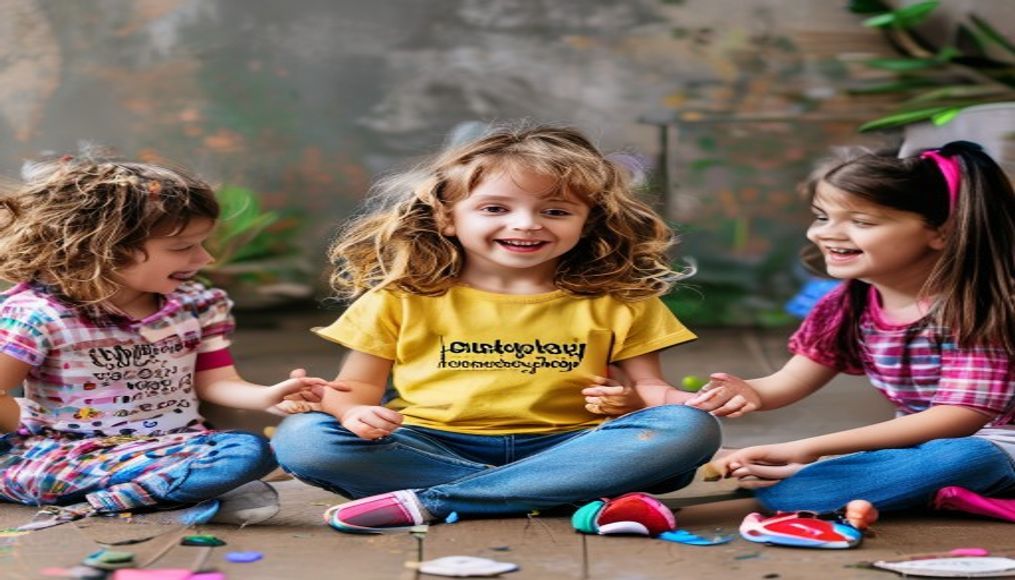
When we talk about child development, play is often at the forefront of discussions. One important category of play that deserves attention is associative play. This type of play typically occurs among preschoolers aged 2 to 5 years old, where children engage in similar activities while interacting with one another. Unlike parallel play, where kids play side by side without much interaction, associative play involves kids starting to form social connections. They might share toys, exchange ideas, or work together to create something, albeit still maintaining their individual play. Understanding these dynamics is crucial for parents and educators who aim to foster social skills in young children.
Why Associative Play Matters
Associative play activities are more than just fun ways for children to fill their time. They play a critical role in the social development of preschoolers. During this phase, children begin to learn how to communicate, cooperate, and resolve conflicts. When engaged in associative play, they practice sharing and taking turns, important skills required for future interactions.
Research has shown that participation in play activities that encourage cooperation not only enhances social skills but also boosts emotional intelligence. As children interact with peers, they can develop empathy—a key component in building relationships. In fact, a study published in the journal Child Development indicated that children who engaged in more cooperative play exhibited greater social competence and had more positive peer relationships.
Examples of Associative Play Activities
There are countless associative play activities that can be easily incorporated into a preschool setting or at home. Here are a few examples:
- Building Blocks: Children can work together to construct towers or other structures. This activity encourages them to share ideas and negotiate on building plans.
- Role-Playing Games: Whether it’s pretending to run a restaurant or exploring a fantasy world, role-playing allows children to step into different roles while communicating and collaborating with peers.
- Art Projects: Group art projects, such as a mural or a collage, invite children to contribute their creativity while discussing colors and ideas.
- Outdoor Games: Simple games like tag or duck-duck-goose get children moving while promoting teamwork and interaction among participants.
- Story Time: Reading a story together can inspire children to discuss their thoughts and feelings about the narrative, fostering deeper connections.
- Puzzles: Working on a large puzzle as a group helps children learn to take turns and discuss strategies for completing the puzzle.
Encouraging Associative Play at Home
Parents can facilitate associative play activities at home to cultivate social skills in their preschoolers. Here are some actionable tips:
- Organize Playdates: Inviting other children for playdates provides opportunities for associative play. Create an environment where kids can freely interact and collaborate.
- Provide Open-Ended Toys: Toys like blocks, art supplies, or dolls encourage imaginative play that allows for social interaction.
- Be a Play Partner: Sometimes, joining in the play can help guide and model how to engage with others. Show your child how to share or take turns.
- Stay Positive: Encourage positive reinforcement when your child engages in cooperative play. Praise them for sharing or working together.
- Create Collaborative Challenges: Set up activities that require teamwork, like building a fort or completing a scavenger hunt.
Current Relevance of Associative Play Activities
In today’s digital age, where screens dominate much of children’s playtime, encouraging associative play activities is more important than ever. The American Academy of Pediatrics recommends limiting screen time for preschoolers to ensure they have enough opportunities for interactive play. Engaging in associative play helps counteract the isolating effects of technology by promoting face-to-face interactions. As parents and educators, it’s our responsibility to provide kids with ample opportunities to interact socially through play.
Furthermore, as the world becomes increasingly interconnected, the ability to collaborate and work in teams is essential. Associative play can lay the groundwork for these skills, making it vital in preparing children for school and beyond. Emotional intelligence, developed through cooperative play, is increasingly recognized as a key factor in success in the workplace and personal relationships. (See: associative play in child development.)
Expert Perspectives on Associative Play
Experts in child development emphasize the importance of associative play in fostering social interactions. Dr. Susan Linn, a child psychologist and expert on play, highlights that play is not just a luxury for children; it’s a necessity. She states, “Play is how children learn. If we don’t provide opportunities for social play, we risk shortchanging their social and emotional development.”
Another expert, Dr. Daniel Goleman, author of the influential book Emotional Intelligence, argues that the skills developed during play lead to better emotional regulation and improved social skills. He notes that children who engage in cooperative play are more likely to develop the ability to empathize and understand the feelings of others—crucial skills in today’s society.
Challenges to Associative Play and How to Overcome Them
While the benefits of associative play activities are clear, there are challenges in encouraging them. Many children today are more accustomed to solitary play, especially with the rise of video games and digital entertainment. Here’s how to navigate these challenges:
- Introduce Play Gradually: If your child is more accustomed to solitary play, start by gradually introducing them to group activities. Perhaps try one-on-one playdates before moving to larger groups.
- Create Structured Playtime: Sometimes, children need a little guidance. Create structured playtime where you introduce specific associative play activities to facilitate interaction.
- Monitor Social Dynamics: Keep an eye on the interactions during play. If conflicts arise, step in to help resolve them, guiding children towards effective communication.
- Limit Screen Time: Encourage children to take breaks from screens and engage in physical play instead. Set clear boundaries around tech use to promote more social interactions.
Ultimately, fostering associative play activities in preschoolers isn’t just about providing entertainment; it’s about equipping them with the social skills they will use throughout their lives. By creating environments that encourage interaction, parents and educators can help children thrive socially and emotionally.
In an era where social media often overshadows real-life interactions, the significance of associative play activities cannot be overstated. The focus should remain on nurturing environments where children can learn from each other, share experiences, and grow together. After all, the skills they learn in these formative years will shape their ability to connect and collaborate as they navigate an increasingly complex world.
Deeper Analysis of Associative Play Activities
Associative play activities are not just fun; they also offer a unique opportunity for children to learn various cognitive and emotional skills. Cognitive skills like problem-solving and critical thinking often emerge during these play scenarios. For instance, when children work together to build a structure with blocks, they may face challenges like stability and balance. Solving these issues collectively fosters a sense of accomplishment and reinforces the importance of teamwork.
Additionally, emotional skills are also being honed. When children encounter conflicts—such as disagreements over how to use a toy or differing opinions on a game’s rules—they must navigate these situations. This can provide valuable lessons in conflict resolution, helping them learn how to express their feelings and listen to others. These experiences become essential building blocks for their emotional intelligence. (See: social development in preschoolers.)
Statistics on the Importance of Play
Statistics underscore the importance of play in early childhood development. According to a report from the National Institute for Play, children who engage in regular playtime show a 30% increase in creativity compared to those who do not. Moreover, studies indicate that children who participate in associative play tend to excel academically, with some research suggesting a 20% higher performance in cooperative learning settings. This highlights that the skills acquired during play have a direct correlation to later academic success.
Furthermore, a recent study revealed that children who frequently engage in associative play are better equipped to handle stress and adapt to new situations. This adaptability is crucial as they transition into more structured environments like school, where collaboration is often key.
Comparisons with Other Forms of Play
Understanding where associative play stands in relation to other types of play can help parents and educators appreciate its unique benefits. For example, solitary play—while essential for encouraging imagination and self-reliance—doesn’t provide the same level of social benefits. In solitary play, children are often left to their own devices, which may limit opportunities for developing social skills. In contrast, associative play incorporates elements of both individual creativity and social interaction.
Parallel play, another form typically observed in toddlers, serves as a bridge between solitary and associative play. While it allows children to engage in activities alongside peers, it lacks the collaborative interaction characteristic of associative play. Thus, transitioning from parallel play to associative play is a vital stage in a child’s development, indicating a readiness to interact more deeply with others.
FAQ About Associative Play Activities
What age group is best suited for associative play?
Associative play typically emerges among children aged 2 to 5 years old, as they begin to develop their social skills and ability to interact with peers.
How can I tell if my child is engaged in associative play?
Look for signs such as sharing toys, communicating with peers about their activities, and displaying cooperative behaviors, such as taking turns or working together toward a common goal.
Can associative play benefit children with autism or social communication difficulties?
Yes, associative play can be beneficial for children with autism or social communication difficulties as it provides structured opportunities to practice social skills and engage with peers in a supportive environment.
Are there certain toys that promote associative play activities?
Open-ended toys like building blocks, art supplies, and dolls are excellent for promoting associative play, as they encourage creativity and collaboration. Additionally, cooperative games that require teamwork are great options.
How can I support my child’s engagement in associative play at a park or other public spaces?
Encourage your child to join activities with other children, such as ball games or group activities. You can also facilitate conversations with other parents to organize playdates, ensuring that your child has the chance to develop social connections.
Concluding Thoughts on Associative Play Activities
Associative play activities are a cornerstone of early childhood development. Understanding their significance allows parents and educators to create environments that nurture these vital skills. By prioritizing play, we not only enrich children’s lives but also prepare them for a future where collaboration and emotional intelligence are key to success. So let’s promote and celebrate the power of play as an essential ingredient in childhood learning and growth.
“`
Trending Now
- our breakdown of mid/senior ai cinematic video editor
- “Executive Function and Homework: Why Smart…
- “How to Teach Children to Interpret Nonverbal Communication in Social Situations”
- “Why Fine Motor Skills Matter for…
- “Self-Esteem vs. Self-Confidence: Understanding the Difference in Child Development”
Frequently Asked Questions
What is associative play in preschoolers?
Associative play is a type of play typically seen in preschoolers aged 2 to 5 years, where children engage in similar activities while interacting with one another. Unlike parallel play, they share toys, exchange ideas, and collaborate, helping them develop social connections and communication skills.
Why is associative play important for child development?
Associative play is crucial for preschoolers as it fosters social skills such as communication, cooperation, and conflict resolution. Engaging in these activities helps children learn to share, take turns, and develop empathy, which are essential for building positive relationships in the future.
What are some examples of associative play activities?
Examples of associative play activities include building blocks, where children collaborate on structures, and role-playing games that encourage imaginative interaction. These activities help preschoolers practice social skills while enjoying playtime with peers.
How does associative play enhance emotional intelligence?
Participating in associative play enhances emotional intelligence by allowing children to interact with peers, practice empathy, and understand different perspectives. This interaction is key to developing emotional awareness and fostering strong relationships with others.
At what age do children start engaging in associative play?
Children typically begin engaging in associative play between the ages of 2 to 5 years. During this stage, they start to form social connections, moving beyond parallel play to interact and collaborate with their peers.
Have you experienced this yourself? We’d love to hear your story in the comments.