
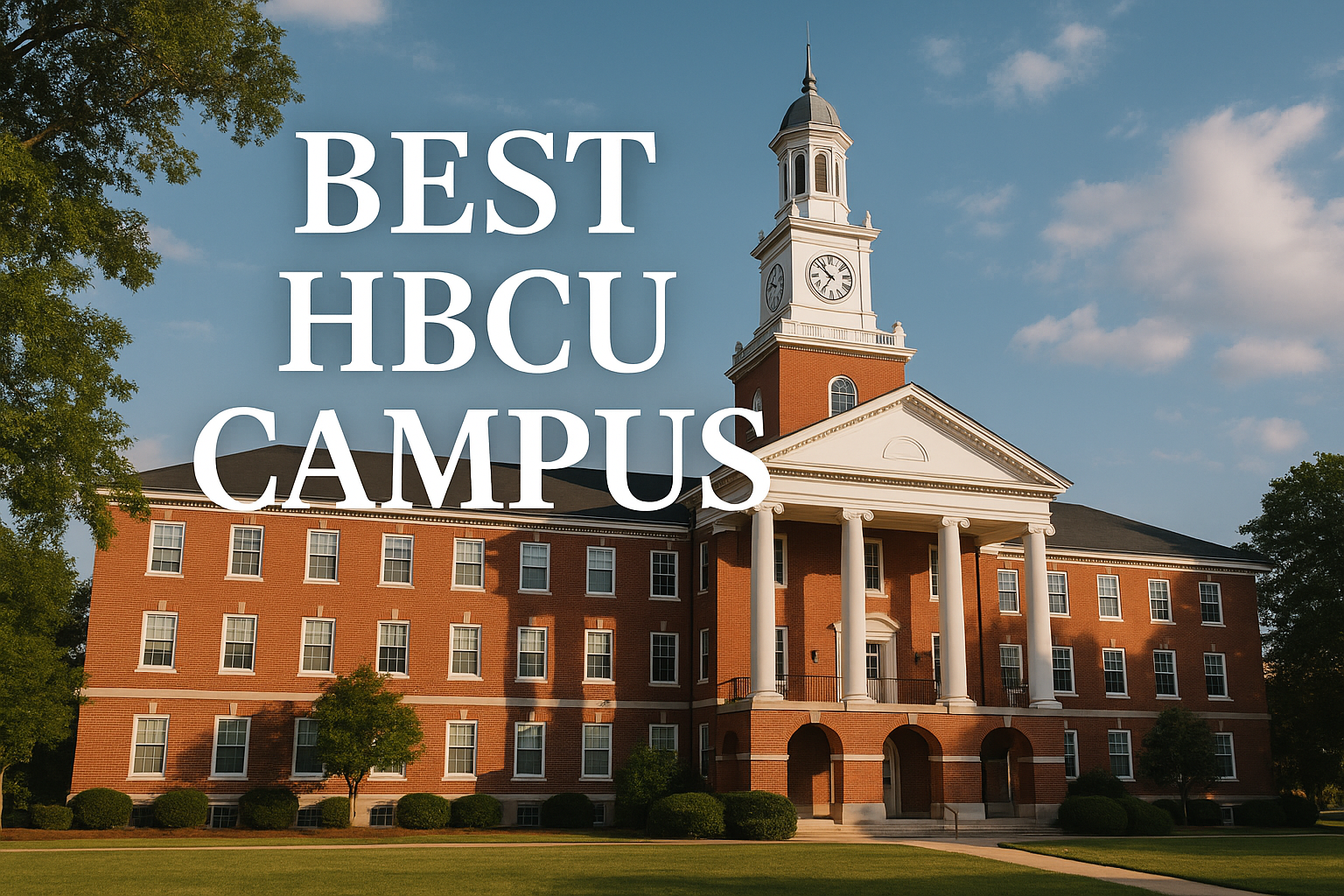

Historically Black Colleges and Universities (HBCUs) have long played a vital role in American education, especially for African American students. While many people recognize their contributions to society and civil rights, fewer understand the significant advancements these institutions are making in technology. In this article, we’ll explore the best HBCU campus technology, highlighting institutions that are effectively integrating cutting-edge resources to enhance educational experiences and prepare students for a tech-driven future.
1. Howard University: A Leader in Tech Innovation
Located in Washington D.C., Howard University has consistently been recognized among the best HBCUs in the nation. With a strong emphasis on research and innovation, Howard is investing heavily in technology infrastructure. The university’s School of Business offers programs that incorporate data analytics and digital technology into their curriculum, allowing students to gain firsthand experience with the tools they will encounter in the workforce.
Moreover, Howard has developed partnerships with tech giants like Google and Microsoft, enabling students to access exclusive workshops, internships, and mentorship opportunities. These collaborations not only enhance the quality of education but also align with the university’s mission to produce graduates who are ready to tackle today’s challenges in various fields.
In addition to traditional coursework, Howard encourages students to engage in research projects that leverage technology. For example, students in the School of Engineering have opportunities to work on projects focused on renewable energy solutions, artificial intelligence, and sustainable design. These projects not only enhance their learning but also contribute to vital societal needs.
2. Spelman College: Pioneering Women in Tech
As one of the leading women’s HBCUs, Spelman College in Atlanta, Georgia, is making leaps in technology education. With a dedicated STEM program that emphasizes computer science, engineering, and information technology, Spelman prepares its students to become leaders in tech. The college’s comprehensive curriculum incorporates robotics, data science, and artificial intelligence, equipping women with the skills necessary to thrive in a predominantly male industry. (Education plans impact on HBCUs)
In addition to academic offerings, Spelman has established the Spelman College Innovation Lab, a tech incubator that fosters entrepreneurship among students. This initiative allows aspiring tech innovators to develop their ideas and gain practical experience, thus contributing to a diverse tech landscape.
Spelman also organizes coding boot camps and hackathons that not only sharpen students’ technical skills but also promote teamwork and creative problem-solving. These events often invite industry professionals to mentor participants, providing invaluable networking opportunities.
3. Florida A&M University: Embracing the Digital Era
Florida A&M University (FAMU) has been at the forefront of adopting the best HBCU campus technology. The university has invested in state-of-the-art laboratories and research centers that focus on technology and engineering disciplines. FAMU’s College of Engineering is particularly notable, offering programs that align with industry trends and equip students with the skills necessary for high-demand jobs.
FAMU also prioritizes digital literacy across all disciplines. With initiatives like the Technology and Learning Center, students can access resources that enhance their understanding of various tech tools. The university’s ongoing commitment to improving technology access reflects its dedication to student success and global competitiveness. (See: Historically Black Colleges and Universities.)
Additionally, FAMU has introduced programs aimed at increasing student participation in tech-driven research, such as internships with local tech startups. These experiences allow students to apply theoretical knowledge in practical settings, thereby enhancing their employability upon graduation.
4. Tuskegee University: Bridging Tradition and Technology
Tuskegee University in Alabama is known for its rich history and strong focus on agricultural and technical education. However, the university is also embracing modern technology to enhance its educational offerings. Tuskegee has invested significantly in research capabilities, particularly in agricultural technology, which is crucial for both local and global food systems.
The university’s College of Engineering offers students access to advanced labs equipped with contemporary software and hardware tools. Furthermore, Tuskegee collaborates with organizations such as NASA and the U.S. Department of Agriculture to provide students with internships and research opportunities, ensuring they are well-prepared for careers that require technological proficiency.
Moreover, Tuskegee emphasizes the importance of interdisciplinary learning, allowing students to combine their engineering studies with business or environmental science. This holistic approach equips graduates with a diverse skill set, making them competitive in various job markets.
5. Norfolk State University: Focused on Cybersecurity
Norfolk State University (NSU) has carved out a niche in the field of cybersecurity. Located in Virginia, NSU has developed a strong cybersecurity program that prepares students for the growing number of threats in the digital landscape. The university’s Department of Computer Science actively engages students in hands-on learning experiences, such as participating in national cybersecurity competitions.
In addition to rigorous academic coursework, NSU partners with institutions and organizations to create awareness around cybersecurity issues. This commitment to technology not only benefits students but also contributes to community safety and resilience against cyber threats. Related reading: Understanding the Black American education.
NSU also offers workshops and seminars featuring industry professionals that provide insights into the latest trends and challenges in cybersecurity. This exposure allows students to stay current and understand the evolving landscape of tech security.
6. North Carolina A&T State University: Engineering Excellence
North Carolina A&T State University (A&T) is recognized for its strong engineering programs, making it one of the best HBCU campuses in terms of technology. The university has garnered acclaim for its research in various engineering fields, including electrical engineering and bioengineering. Facilities at A&T are equipped with cutting-edge technology, allowing students to work on real-world projects and gain practical experience.
A&T also actively promotes innovation through its entrepreneurship program, which encourages students to develop their tech start-ups. With resources such as mentorship from industry professionals and access to venture capital, A&T helps students turn their ideas into viable businesses.
The university hosts an annual technology and innovation competition, providing students with the opportunity to showcase their projects to potential investors and industry leaders. This platform not only boosts student confidence but also fosters a spirit of entrepreneurship and creativity.
7. Clark Atlanta University: Fostering Digital Skills
Clark Atlanta University has integrated technology into its educational framework by focusing on digital skills across various disciplines. The university’s School of Business Administration has developed a program that emphasizes digital marketing and e-commerce, preparing students for careers that demand a mix of business acumen and tech-savvy. (See: HBCUs and health disparities.)
Furthermore, Clark Atlanta has established partnerships with local tech companies to provide students with internships and job placement opportunities. These collaborations enhance students’ job readiness and connect them with vital industry networks, creating pathways to success in the digital economy.
Clark Atlanta also emphasizes experiential learning, encouraging students to undertake projects that interface with local businesses. This collaboration not only helps students develop their skills but also allows them to contribute to their community, making their education relevant and impactful.
8. Hampton University: A Forward-Thinking Approach
Hampton University in Virginia is known for its commitment to integrating technology into the learning experience. The university has invested in smart classrooms and advanced learning management systems, ensuring that students can access resources and support in a tech-friendly environment. HBCU Innovation Fund Act introduction offers useful background here.
Additionally, Hampton has developed a robust online learning program, offering flexibility for students who may be balancing work or family commitments. The university’s approach to embracing technology not only enhances the educational experience but also prepares students for a future where online learning and remote work are becoming increasingly prevalent.
Hampton also invests in training faculty members on the latest educational technologies, ensuring that they are well-equipped to deliver high-quality education in both in-person and online formats. This focus on faculty development amplifies the benefits of technological integration for all students.
9. Best Practices in HBCU Technology Integration
Across the board, various HBCUs have adopted best practices in integrating technology into their campuses. These practices not only enhance the learning experience but also ensure students are well-prepared for a technology-driven world. Some common best practices include:
- Collaboration with Industry: Many HBCUs form partnerships with tech companies, providing students with internship opportunities, mentorship, and resources to stay current with industry trends.
- Focus on Research: Universities are investing in research initiatives that leverage advanced technology, allowing students to engage in projects that have real-world applications.
- Inclusivity in Tech Education: HBCUs often focus on diversity within technology fields, offering programs that encourage underrepresented groups to pursue careers in STEM.
- Community Engagement: Many institutions prioritize community-based projects, enabling students to apply their skills in local contexts while contributing positively to society.
10. FAQ on HBCU Campus Technology
What does HBCU stand for?
HBCU stands for Historically Black Colleges and Universities. These institutions were established primarily to educate African American students during a time when access to higher education was limited due to segregation.
How do HBCUs integrate technology into their curriculum?
HBCUs integrate technology by incorporating tech-related courses into the curriculum, investing in state-of-the-art facilities, and providing opportunities for hands-on learning through labs, internships, and partnerships with tech companies.
Can students at HBCUs access online learning platforms?
Yes, many HBCUs offer online learning platforms and programs, allowing students to access courses and resources remotely. This flexibility caters to students with various commitments outside of education.
What role does research play at HBCUs?
Research is a vital component of many HBCUs, with institutions focusing on areas such as engineering, health sciences, and technology. Students often participate in research projects that help develop their analytical and practical skills.
Why are HBCUs important in tech education?
HBCUs play a crucial role in diversifying the tech workforce by providing education and resources to underrepresented groups. They create pathways for students to enter lucrative fields while promoting innovation and inclusion in technology.
What specific technologies are being implemented at HBCUs?
HBCUs are implementing a range of technologies including advanced learning management systems, virtual reality for immersive learning, and cloud computing resources. These technologies not only enhance educational methods but also provide students with skills that are directly applicable in today’s job market.
Are there any funding opportunities for tech programs at HBCUs?
Yes, many HBCUs seek grants and funding from government agencies and private foundations to support their technology programs. Initiatives like the National Science Foundation’s HBCU Program aim to bolster STEM education within these institutions, providing vital resources for tech development. For more on this, see New STEM center at JCSU.
How do HBCUs prepare students for careers in tech?
HBCUs prepare students for careers in tech through a combination of rigorous academic programs, industry partnerships, and experiential learning opportunities. By offering internships, co-ops, and hands-on training, these institutions ensure that graduates are work-ready and competitive in the tech job market.
As technology continues to evolve, HBCUs are leading the charge in providing students with the best tools and experiences to thrive in a modern workplace. By focusing on innovative programs, building strategic partnerships, and fostering a culture of entrepreneurship, these institutions are redefining what it means to be an HBCU in the 21st century. Whether you’re a prospective student, educator, or simply an advocate for educational equity, it’s clear that the best HBCU campus technology is paving the way for the next generation of leaders.
Trending Now
Frequently Asked Questions
What are the best HBCUs for technology?
Some of the best HBCUs for technology include Howard University and Spelman College. Howard is known for its strong emphasis on research and partnerships with tech companies like Google and Microsoft, while Spelman is recognized for its pioneering programs aimed at empowering women in tech.
How does Howard University support tech education?
Howard University supports tech education by investing in technology infrastructure, integrating data analytics and digital technology into its business programs, and providing students with access to workshops, internships, and mentorship opportunities through partnerships with tech giants.
What opportunities does Spelman College offer for women in tech?
Spelman College offers various opportunities for women in tech, including specialized programs that focus on technology education, research projects, and initiatives aimed at increasing female representation in STEM fields.
What types of projects do HBCU students work on?
HBCU students, particularly at institutions like Howard University, work on projects that involve renewable energy solutions, artificial intelligence, and sustainable design, allowing them to apply their learning to real-world challenges.
Why are HBCUs important for African American students?
HBCUs are crucial for African American students as they provide a supportive educational environment, promote cultural heritage, and offer unique opportunities for personal and professional growth, particularly in fields like technology.
Have you experienced this yourself? We'd love to hear your story in the comments.






