

“`html
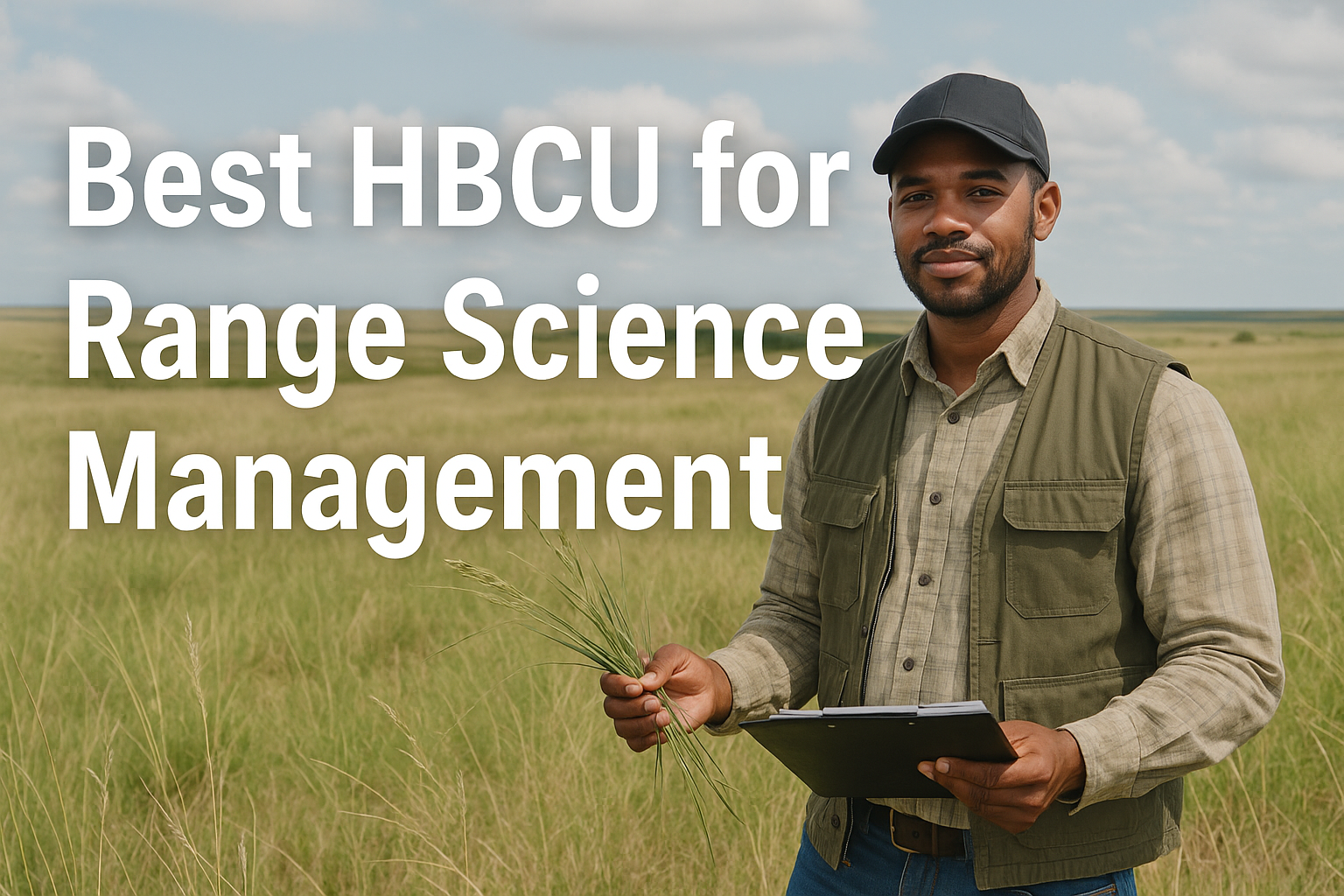
When it comes to pursuing a degree in range science management, choosing the right educational institution can make all the difference. Historically Black Colleges and Universities (HBCUs) offer unique opportunities that cater to students interested in this vital field. In this article, we’ll explore what makes an HBCU the best choice for range science, highlight specific institutions that excel in this area, and provide insights to help you make an informed decision.
1. The Importance of Range Science Management
Range science management is pivotal in ensuring sustainable land use, particularly in the context of agriculture, wildlife conservation, and ecosystem services. This field encompasses the study of rangelands, which are critical for biodiversity, livestock production, and carbon sequestration. As climate change pressures intensify, the demand for professionals skilled in this area has surged.
Effective range science management combines ecological knowledge with practical skills to address challenges related to land degradation, invasive species, and habitat loss. By investing in education in this field, students can contribute to finding solutions that balance human needs with environmental stewardship.
2. Why Consider an HBCU?
HBCUs are known for their commitment to educational equity and cultural relevance. They serve a significant role in providing higher education to African Americans and other underrepresented groups. In the realm of range science, attending an HBCU means engaging with a community that values diversity and fosters an inclusive atmosphere. (students better prepared report)
Moreover, many HBCUs have strong agricultural programs and partnerships with organizations focusing on land management and environmental studies. This allows students to gain hands-on experience and develop networks that can be beneficial for their careers. Another compelling reason to consider HBCUs is their dedication to teaching students about sustainable practices, which is essential in range science management.
3. Top HBCUs for Range Science Management
When looking for the best HBCU for range science, several institutions stand out due to their programs, faculty expertise, and research facilities. Here are some of the top contenders:
- Texas Southern University: Located in Houston, Texas Southern University offers a Bachelor of Science degree with a concentration in Environmental Science, which includes relevant range management courses. The program emphasizes research, providing students opportunities to engage in projects that impact local land management.
- North Carolina A&T State University: Known for its strong agricultural programs, this university also offers degrees in Agricultural and Environmental Systems. Students can focus on range science through various research initiatives and internships that connect them with industry professionals.
- Florida A&M University: With a comprehensive curriculum in agricultural sciences, Florida A&M’s programs prepare students for careers in land management. The university’s emphasis on community engagement and environmental stewardship aligns well with the principles of range science.
- Southern University and A&M College: This Baton Rouge-based institution provides programs in agricultural sciences, where students can explore range management through classes and research opportunities. Their commitment to serving rural communities enhances the practical learning experience.
- Prairie View A&M University: As a land-grant institution, Prairie View A&M has a dedicated focus on agricultural education and research. Their programs in environmental and natural resources provide a solid foundation for students interested in range science management.
4. Curriculum Highlights
Programs in range science management at HBCUs typically incorporate a blend of theoretical knowledge and practical skills. Students can expect to study subjects such as ecology, soil science, wildlife management, and land-use planning. Here are some critical curriculum components:
- Ecology and Biodiversity: Understanding ecosystems is fundamental in range science management. Courses in ecology help students learn about species interactions, habitat conservation, and the principles of sustainability.
- Soil and Water Conservation: These classes focus on maintaining soil health and efficient water use, both of which are essential for effective range management.
- Land-Use Planning: Students learn how to assess land capabilities and make informed decisions that promote sustainable practices.
- Research Methodology: Engaging in research is crucial for developing problem-solving skills. Many programs encourage students to participate in research projects, internships, and fieldwork.
5. Hands-on Experience and Internships
One significant advantage of attending an HBCU for range science management is the emphasis on hands-on learning. Many programs offer internships, cooperative education, and field experiences. These opportunities allow students to apply classroom knowledge in real-world settings. (See: Overview of range management.)
Collaboration with local organizations, government agencies, and non-profits provides valuable networking opportunities and practical insights into the field. For instance, students may work with the USDA Natural Resources Conservation Service or local conservation groups on projects related to habitat restoration or sustainable grazing practices.
6. Career Opportunities in Range Science
Graduating with a degree in range science management opens the door to various career paths. Graduates can find employment in governmental agencies, non-profits, or private sectors, focusing on land management, environmental consulting, and conservation. Some potential job titles include:
- Range Manager: Oversee the management of rangelands, focusing on livestock production, wildlife conservation, and ecosystem health.
- Wildlife Biologist: Conduct research on wildlife populations and habitats, developing strategies to protect biodiversity.
- Environmental Consultant: Advise on sustainable land-use practices, helping businesses and governments make environmentally responsible decisions.
- Conservation Scientist: Work with organizations to develop and implement policies aimed at preserving natural resources.
- Research Scientist: Focus on advancing knowledge in range science through academic or governmental research initiatives.
7. Current Trends and Future of Range Science
The field of range science management is evolving, with increasing attention to climate change adaptation, sustainable agriculture, and technological advancements. As global demands for food and natural resources rise, the role of range scientists will become even more critical in developing strategies to mitigate impacts on ecosystems.
Technological innovations such as remote sensing, GIS mapping, and data analytics are becoming integral to range management. HBCUs with strong agricultural programs are increasingly incorporating these technologies into their curricula, preparing students for a data-driven future in land management.
8. Resources and Support for Students
Many HBCUs offer resources specifically designed to support students in agricultural and environmental fields. These can include mentorship programs, academic advising, and access to research funding. Additionally, student organizations related to agriculture and environmental sciences provide platforms for networking, professional development, and community engagement.
Scholarship opportunities, particularly for students pursuing degrees in agricultural sciences, can alleviate financial burdens and increase accessibility to education in this field. Organizations such as the National Society of Black Engineers (NSBE) and various agricultural foundations often provide funding for students committed to environmental stewardship. This builds on cultivating change agents insights.
9. Final Thoughts: Choosing the Right Path
As you explore options for pursuing range science management, consider the unique offerings of HBCUs. With their focus on community, diversity, and sustainability, these institutions are well-equipped to prepare future leaders in range management. Whether you’re looking for hands-on experience, robust academic programs, or supportive networks, the best HBCU for range science will empower you to make a meaningful impact in the field.
Your choice of institution can significantly influence your career trajectory in range science management, so take the time to research, visit campuses, and talk to current students and faculty. By doing so, you’ll be one step closer to shaping a sustainable future for our rangelands and ecosystems. (See: USDA National Rangeland Resources.)
10. The Role of HBCUs in Advancing Range Science
HBCUs are not just about educating students; they play a crucial role in advancing research and policy in range science. Many HBCUs have been involved in groundbreaking research related to sustainable agriculture practices, climate change impacts on rangelands, and innovative land management techniques. Their research often addresses issues that disproportionately affect underrepresented communities, creating tailored solutions that can be implemented locally and globally.
11. Expert Perspectives: Voices from the Field
To gain deeper insights into the significance of HBCUs in range science, we spoke with several professionals in the field. Dr. Emily Johnson, a range ecologist and graduate of North Carolina A&T, shares her experience: “Attending an HBCU allowed me to connect with mentors who understood the unique challenges that minorities face in environmental sciences. The commitment to community and sustainability ingrained in our programs equipped me with the tools to advocate for marginalized voices in land use discussions.” Related reading: nation's top HBCU ranking.
Similarly, Professor Marcus Thompson from Texas Southern emphasizes the importance of diversity in environmental science: “Diverse perspectives lead to more comprehensive solutions. HBCUs cultivate a sense of responsibility among students to address environmental issues through a culturally relevant lens. This is crucial for effective range management in diverse ecosystems.”
12. Statistics on HBCU Impact
The impact of HBCUs on the workforce in environmental sciences is substantial. According to the latest data from the National Center for Education Statistics, HBCUs produce approximately 30% of African American agricultural graduates. Additionally, 70% of African American professionals in the environmental sciences obtained their degrees from HBCUs, highlighting the importance of these institutions in shaping the future of the field.
13. Frequently Asked Questions (FAQs)
What kind of careers can I pursue with a degree in range science from an HBCU?
Graduates can explore various career paths, including roles as range managers, wildlife biologists, environmental consultants, conservation scientists, and research scientists. Opportunities exist in government, non-profits, and private sectors.
Are there scholarships specifically for students pursuing range science at HBCUs?
Yes, many HBCUs offer scholarships targeted at students in agricultural and environmental sciences. Organizations such as the National Society of Black Engineers and other agricultural foundations frequently provide funding opportunities.
How do HBCUs support students in their career goals?
HBCUs typically provide extensive support through mentorship programs, career counseling, internships, and networking opportunities with industry professionals, enabling students to build successful careers in range science management. See also NFL partnerships for Black students.
What research opportunities are available in range science at HBCUs?
Many HBCUs engage in impactful research initiatives related to sustainable land management, conservation practices, and climate change adaptation. Students are encouraged to participate in ongoing research projects alongside faculty, gaining valuable experience and insights. (See: Land use and health impacts.)
How do HBCUs contribute to environmental justice?
HBCUs focus on educating students about the importance of environmental justice, especially how environmental issues disproportionately affect marginalized communities. This education equips students to advocate for equitable land-use practices and policies.
14. Student Organizations and Networking Opportunities
Many HBCUs boast a range of student organizations focused on environmental science and agriculture. These groups not only foster a sense of community but also serve as platforms for networking. By joining clubs such as the National Society of Black Engineers (NSBE), students can connect with like-minded peers and industry professionals. Events hosted by these organizations often feature guest speakers, workshops, and networking nights, allowing students to build relationships that can lead to internships and job offers.
15. Community Engagement and Outreach Programs
Another important aspect of HBCUs is their commitment to community engagement. Many institutions actively participate in outreach programs, collaborating with local communities to address environmental issues. For instance, students may engage in workshops aimed at educating farmers on sustainable practices, or they might participate in community clean-up days aimed at restoring local rangelands. Such initiatives not only benefit the community but also enrich students’ educational experiences by applying their learning in real-world contexts.
16. The Impact of Alumni on the Field
HBCU alumni are making significant strides in the field of range science and agriculture. Notable graduates often take on leadership roles in government agencies, non-profit organizations, and private companies, driving policies that promote sustainable land use and conservation. These professionals serve as role models for current students, showcasing the potential impact of an HBCU education in shaping the future of range science.
17. Conclusion: The Future Awaits
Choosing to pursue a degree in range science at an HBCU can be a transformative experience. With their unique educational philosophies, commitment to equity, and emphasis on community engagement, HBCUs position students to thrive in their careers. As you contemplate your educational journey, consider how an HBCU can not only shape your professional path but also empower you to contribute positively to the environment and society. The future of range science management is bright, and by choosing the right institution, you’re taking the first step toward making a difference.
“`
Trending Now
Frequently Asked Questions
What is range science management?
Range science management is the study and practice of managing rangelands to promote sustainable land use, biodiversity, and ecosystem health. It involves understanding the dynamics of these ecosystems, addressing challenges like land degradation and invasive species, and balancing human needs with environmental stewardship.
Why should I choose an HBCU for my degree?
Choosing an HBCU for your degree offers a culturally relevant education in an inclusive environment. HBCUs emphasize educational equity and often have strong programs in agriculture and environmental studies, providing students with hands-on experience and valuable networking opportunities in fields like range science management.
What are the benefits of studying range science?
Studying range science equips students with the knowledge and skills needed to manage land sustainably, addressing critical issues such as biodiversity loss, habitat degradation, and climate change. Graduates are prepared for careers that contribute to environmental conservation and sustainable agricultural practices.
Which HBCUs are best for agricultural programs?
Several HBCUs are renowned for their strong agricultural programs, including North Carolina A&T State University and Prairie View A&M University. These institutions offer specialized courses in range science management and often have partnerships with organizations focused on land management and environmental studies.
How does range science relate to climate change?
Range science is crucial in addressing climate change as it focuses on sustainable land management practices that enhance carbon sequestration and biodiversity. Professionals in this field work to mitigate the impacts of climate change on rangelands, ensuring the health of ecosystems while supporting agricultural needs.
Agree or disagree? Drop a comment and tell us what you think.






